San Luis BeachColombia Beach Guide
White sand, raizal soul, turquoise calm on San Andrés
About
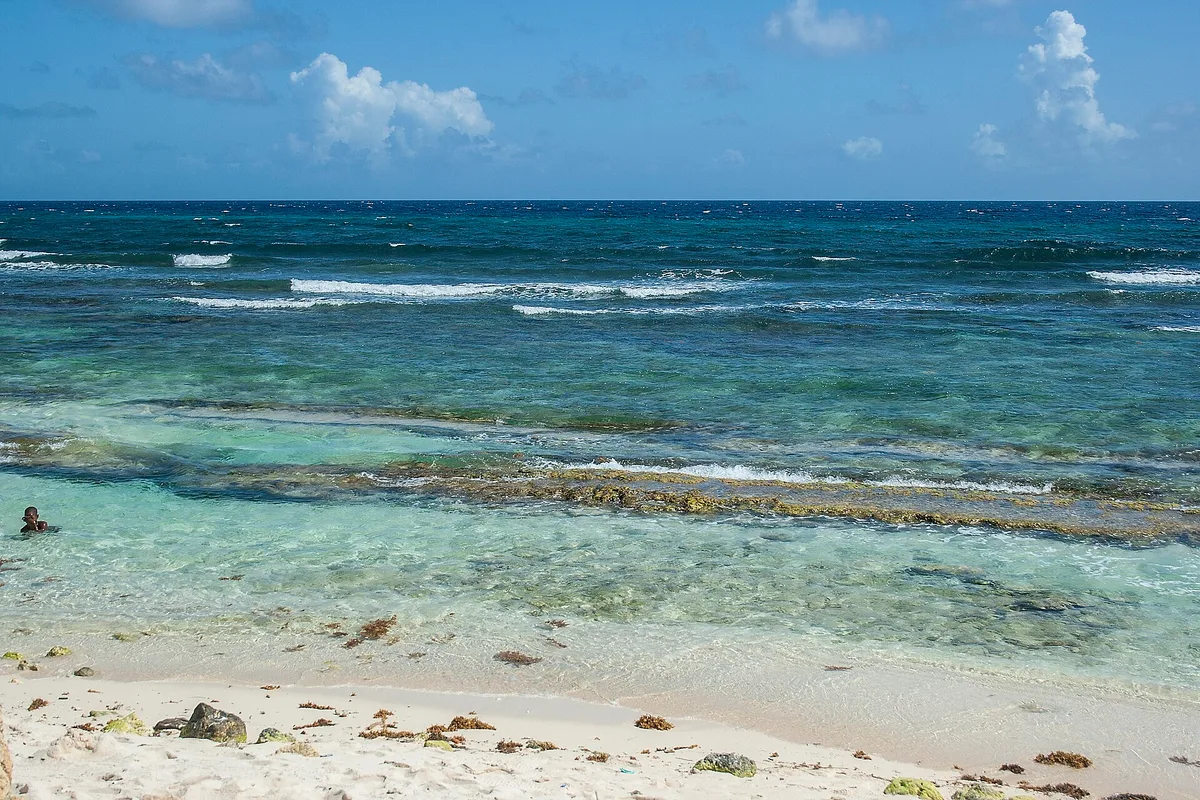
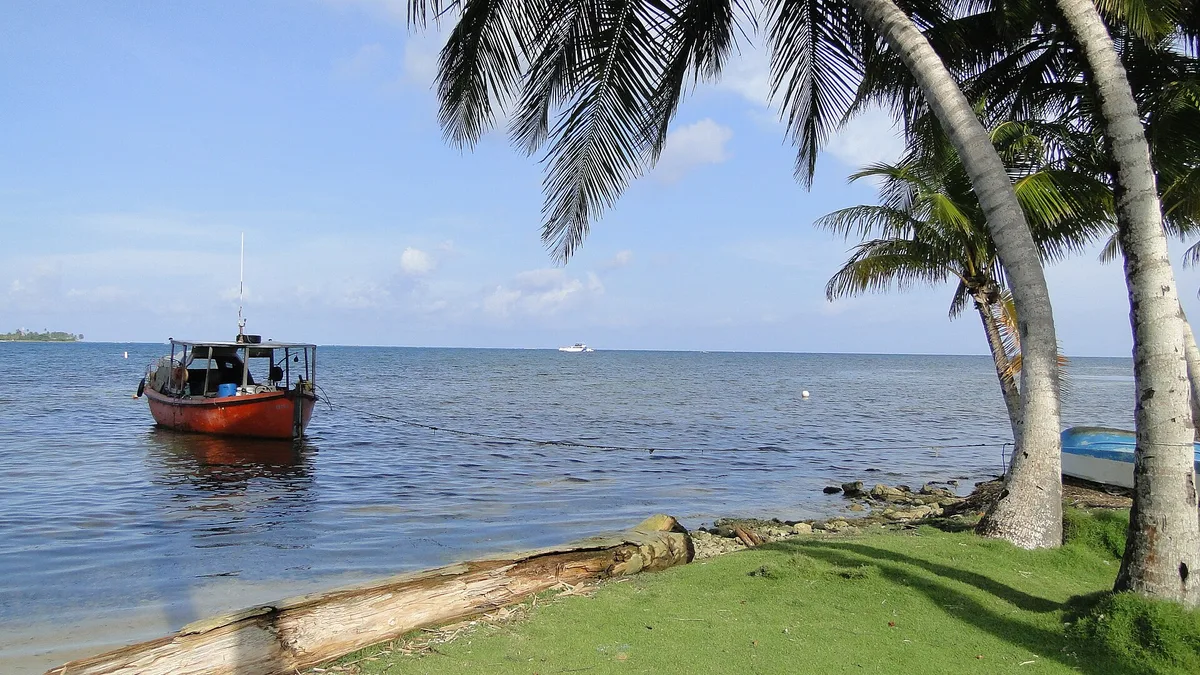
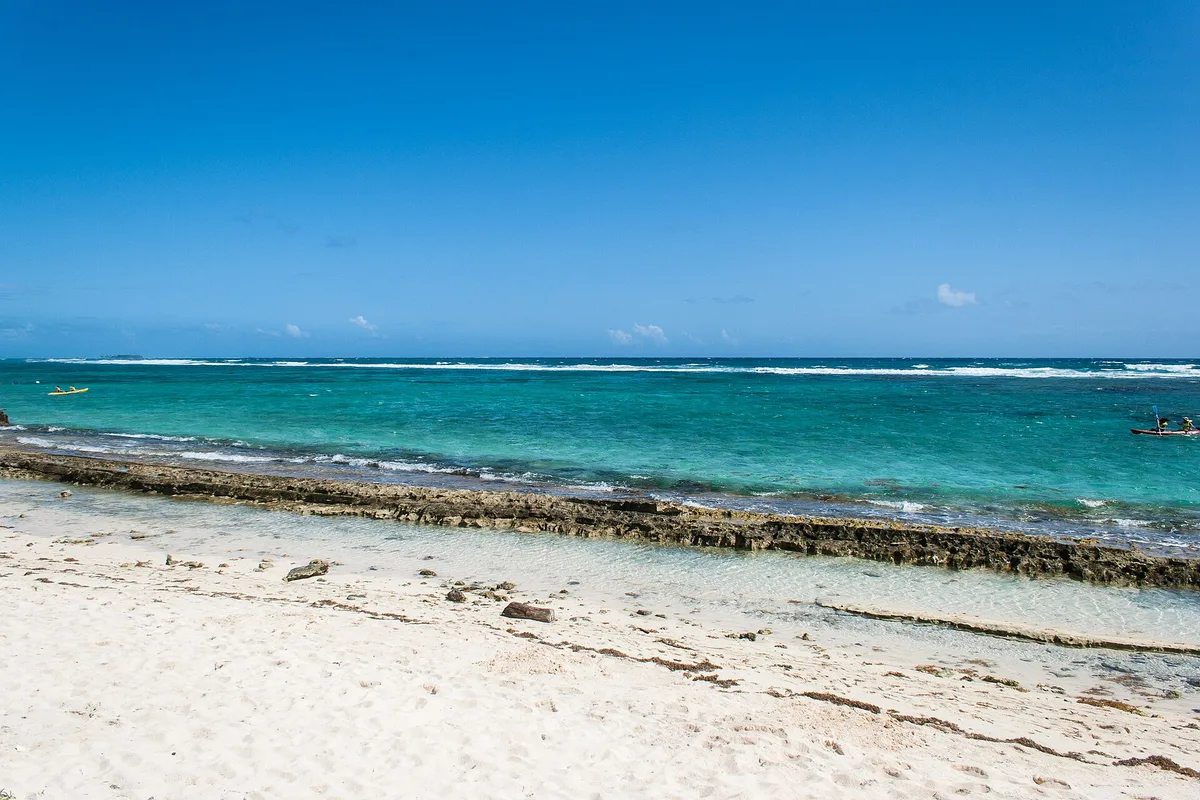
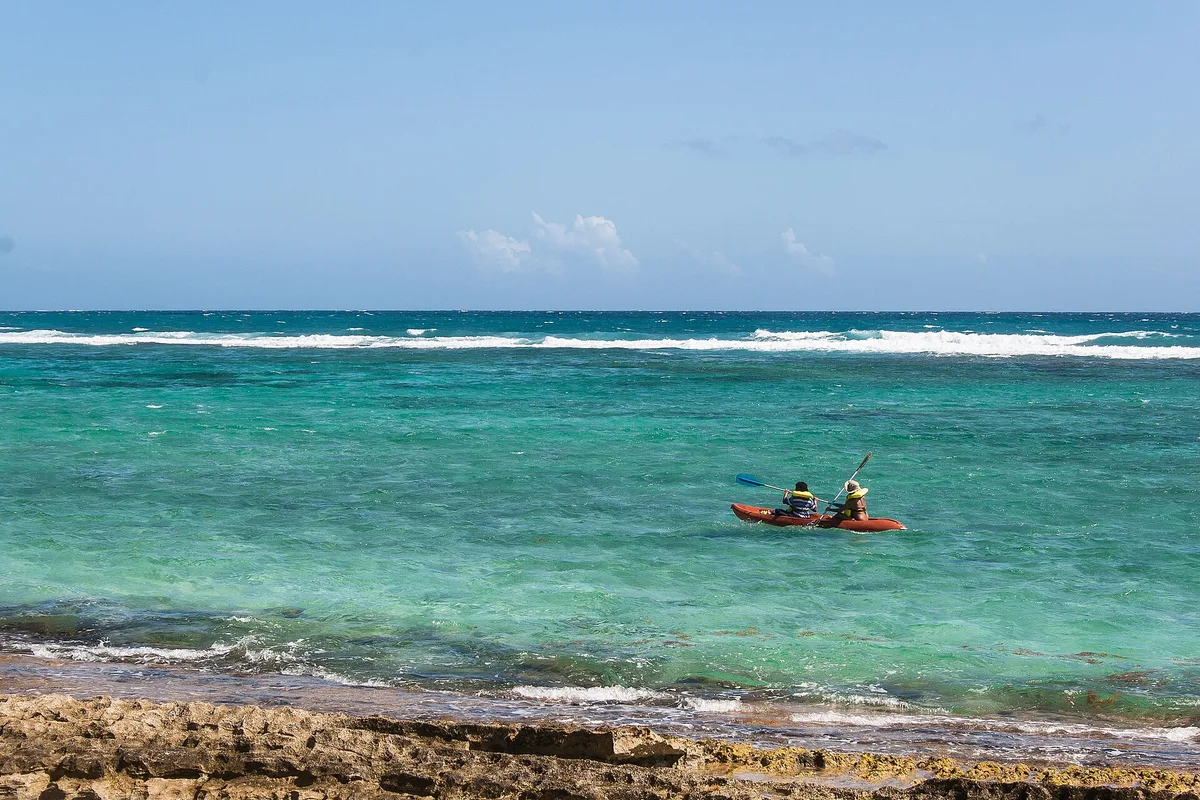
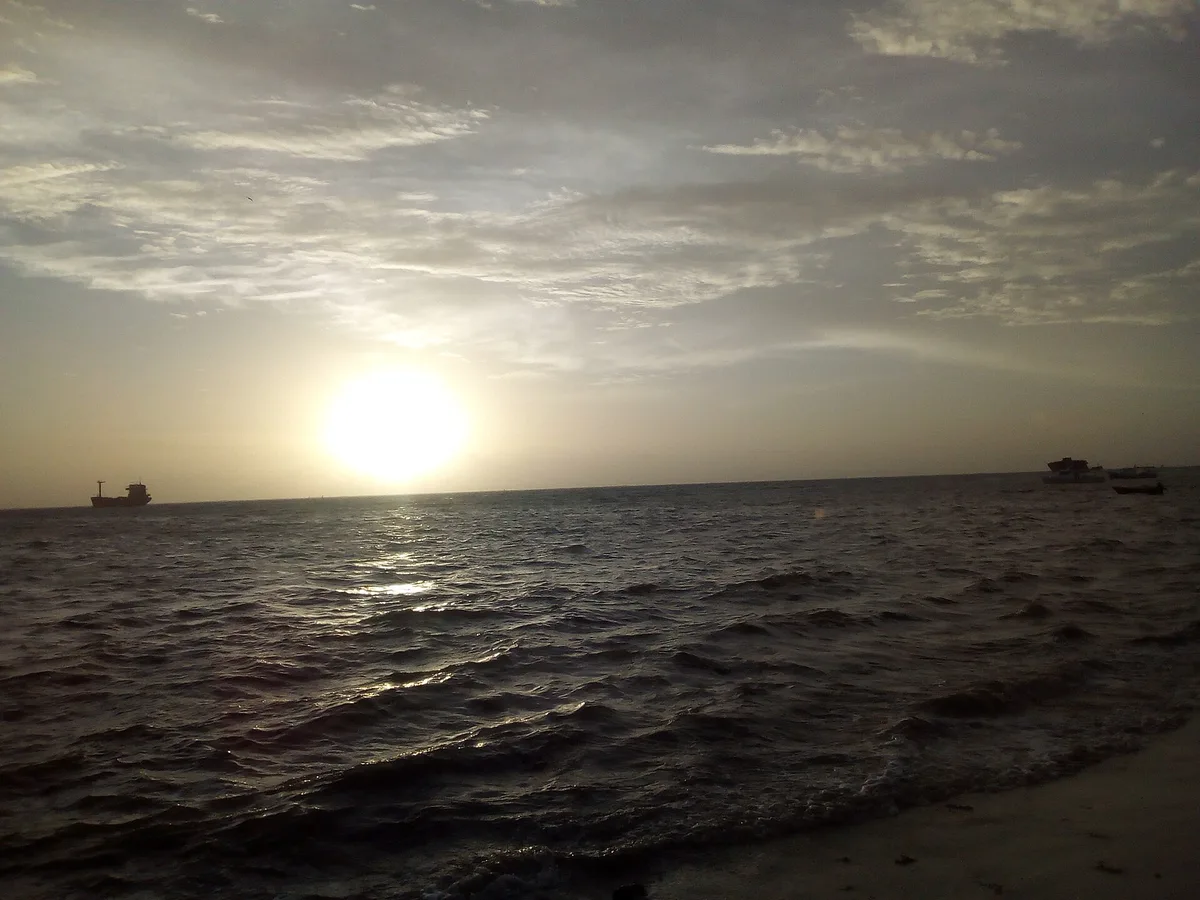
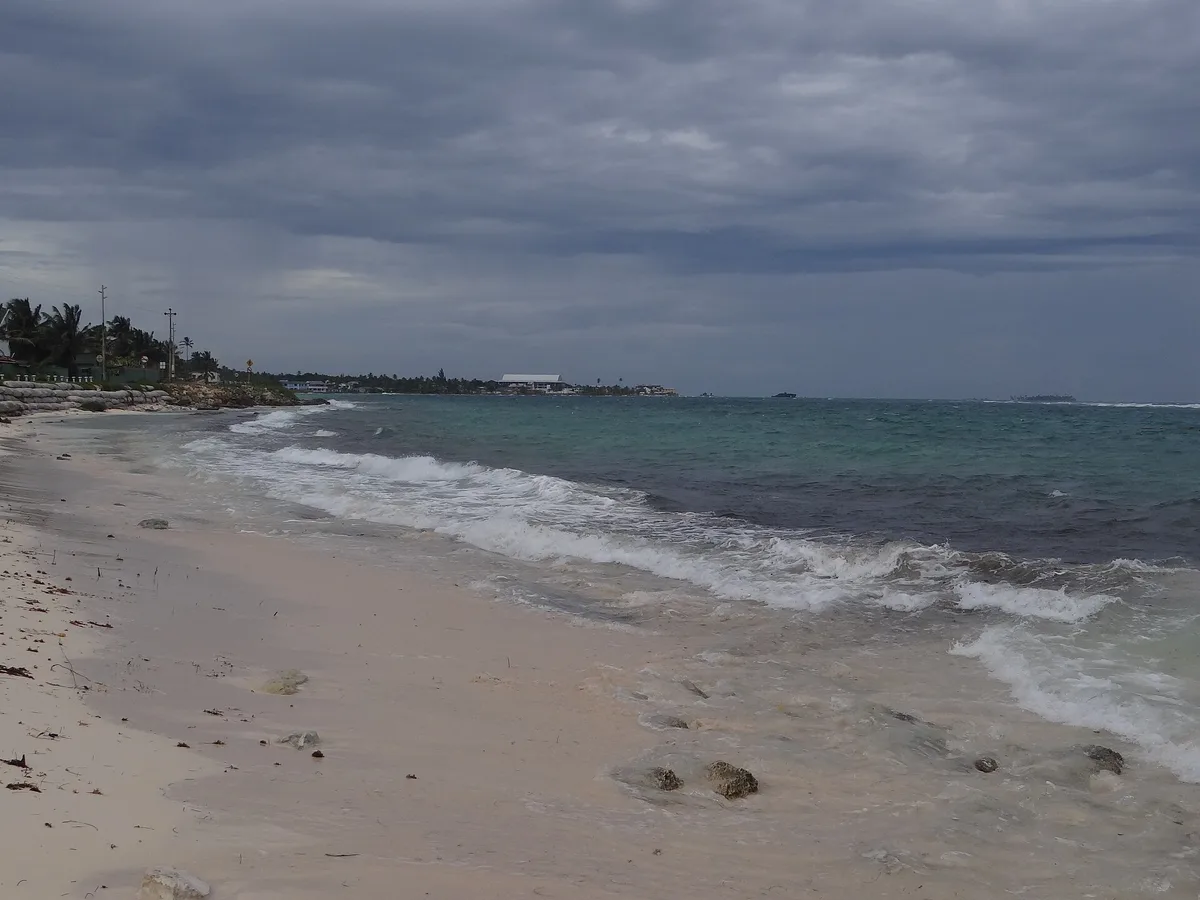
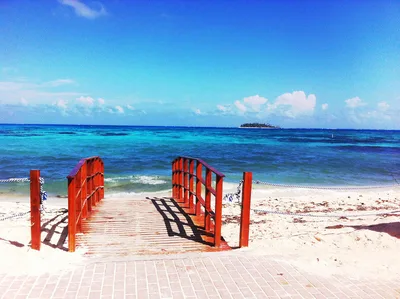
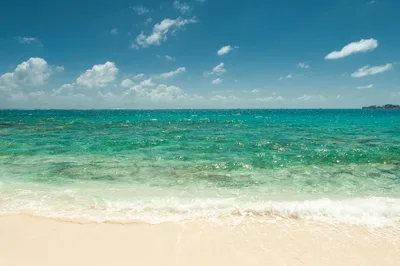
Playa de San Luis stretches along the leeward side of San Andrés island in the Colombian Caribbean, where the water stays turquoise and remarkably calm thanks to natural offshore protection. White sand runs the length of the beach, shaded by a fringe of coconut palms that sway in the trade-wind breeze. Raizal wooden stilt houses dot the shoreline, giving this place a lived-in authenticity you won't find at the resort end of the island. Local fishermen still work the shallows here, and snorkellers drift out to explore the reef just offshore. The vibe is relaxed — unhurried, local, genuinely Caribbean.
How to get there
From San Andrés town, the beach is a straightforward 15-minute drive along the Circunvalar ring road — easy to reach daily by car. Free informal roadside parking is available along the Circunvalar; there's no formal car park or fee system. The sand itself is flat and easy to walk, though no formal wheelchair infrastructure exists. Ferry access from other parts of the island is also possible.
Who it's for
For couples
The unhurried pace and authentic raizal setting make San Luis a genuinely romantic alternative to the busier resort beaches — share a seafood plate at El Paraiso, then drift out for a late-afternoon snorkel in the calm, turquoise water.
For families
Calm, safe swimming water and a flat sandy entry make this a practical choice for families with young children, and the local fishing activity gives curious kids something real to watch beyond sandcastles. Bring water shoes for the little ones given the coral heads in the shallows.
Our take
Playa de San Luis is safe to swim and genuinely worth your time — the calm leeward water and white sand deliver on the postcard, but the raizal stilt houses and working fishermen give it a cultural layer that most San Andrés beaches lack. It's moderately visited, not overrun, and the relaxed pace is real rather than manufactured. Come between November and April for the cleanest conditions; July through October brings sargassum risk and you may find sections of the beach less appealing. Wear water shoes — the coral heads in the shallows are a genuine nuisance for bare feet. This is the San Andrés that belongs to the people who actually live here, and that makes it the most honest beach on the island.
What to do
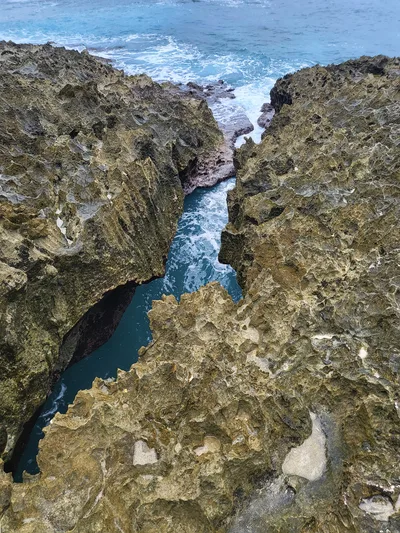
Snorkelling directly off the shore is the main draw — the calm, turquoise water makes it accessible even for beginners. A short trip south brings you to Hoyo Soplador, a natural blowhole on the coral shelf that shoots water jets up to 10 metres into the air. About 5 km away, El Acuario and Haynes Cay offer a shallow sandbar where nurse sharks and stingrays are visible from the surface. Dive operators Aquanautas and Blue Cove, both around 1.7 km away, can take you deeper into the island's reef system.
The raizal wooden stilt houses rising from the turquoise shallows are the signature shot — best captured at low angle from the waterline in early morning light before the haze builds.
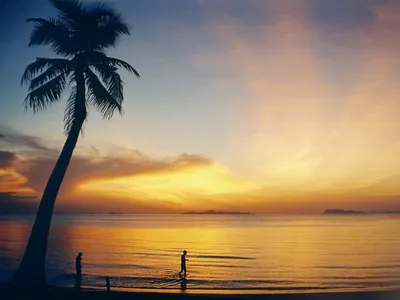
The coconut palm fringe looking down the white sand at dusk offers a classic Caribbean composition, and the blowhole at Hoyo Soplador, just 4 km south, delivers a dramatic action frame when the water jets are running strong.
Where to eat
El Paraiso sits right at the beach and serves seafood — the closest option when hunger strikes after a snorkel. Donde Francesca, just 200 metres away, is another solid seafood choice, and Miss Lydia and Restaurante Lydia are both within half a kilometre for a more local sit-down meal. For something different, Kingston Jerk Spot about 1.4 km along the road does Caribbean barbecue worth the short ride.
Where to stay
Decameron San Luis is the closest resort option, sitting 0.8 km from the beach with full amenities. For a more independent stay, Lucille's Lodging (1.3 km) and Miraflores Hotel (1.6 km) offer smaller-scale alternatives closer to the local atmosphere of the area. Hotel Sol Caribe Campo and Muller Habitaciones are both around 1.9 km away if those fill up.
Photography
The golden hour before sunset is ideal for shooting the raizal wooden stilt houses reflected in the calm turquoise water — position yourself at the water's edge looking north for the best framing. The coconut palm fringe along the beach makes a strong foreground element at any time of day, and the contrast between white sand and turquoise shallows photographs cleanly in the soft morning light.
Good to know
Water shoes are strongly recommended — submerged coral heads lurk in sections of the shallows and bare feet pay the price. Between July and October, sargassum seaweed can accumulate on parts of the beach, so plan your visit between November and April for the cleanest conditions. The raizal community lives right alongside this beach: respect private property adjacent to the sand and keep noise levels considerate. Dogs are commonly seen here and there are no formal restrictions on bringing yours.
GAMES
🕹️ Five minutes of sand?
Three daily games — including the UV simulator set to this beach.
Map
Nearby places
El Paraiso
Donde Francesca
Miss Lydia
Restaurante Lydia
Kingston Jerk Spot
Decameron San Luis
Lucille's Lodging
Miraflores Hotel
Hotel Sol Caribe Campo
Muller Habitaciones
Things to see around San Andrés
Hoyo Soplador
Natural blowhole on the southern coral shelf shooting water jets up to 20 m
El Acuario / Haynes Cay
Shallow sandbar islet with nurse sharks and stingrays visible from surface
La Loma Baptist Church
Historic 1847 Baptist church reflecting raizal Protestant heritage
GIFT
🎁 Gift this beach
Its exact coastline, your date, your words — on a print or a PDF you print yourself.
San Luis Beach
THAT DAY
San Luis Beach, Colombian Caribbean
© OpenStreetMap contributors
Clean & decorative, or “That day” with the real sky of your date.
Shipping included 3-6 business days
A question before you order? Contact us
Delivered within minutes on the confirmation page and by email: a ZIP with all 4 print sizes (30×40 cm, 12×16″, 50×70 cm, 18×24″), each as a high-resolution PDF and PNG (300 dpi), plus a screen version. Print at home or at any print shop.
Please complete the delivery address.
Please accept the Terms of Sale.
Almost there — the shop opens very soon.
Secure payment · Printed locally in 30+ countries · 7 languages
Frequently asked
The information on this page is provided for guidance only and may evolve. Access conditions, safety and infrastructure can change without notice. Always check official sources before traveling.
Other beaches in the region
Reviews of this beach
- No reviews yet, what a shame — leave yours and share your experience.
Photo credits
Sources and licenses for the photos shown above.
- Photo 1 — Joao Carlos Medau from Campinas, Brazil · source · CC BY 2.0
- Photo 2 — adelmotrujillo@gmail… · source · CC BY-SA 3.0
- Photo 3 — Joao Carlos Medau from Campinas, Brazil · source · CC BY 2.0
- Photo 4 — Joao Carlos Medau from Campinas, Brazil · source · CC BY 2.0
- Photo 5 — Felipe1800 · source · CC BY-SA 4.0
- Photo 6 — Karolynaroca · source · CC BY-SA 3.0