Bávaro BeachDominican Republic Beach Guide
White coral sand, turquoise lagoon, Caribbean resort icon
 🎁 Gift idea: the star map of your most beautiful night↓
About
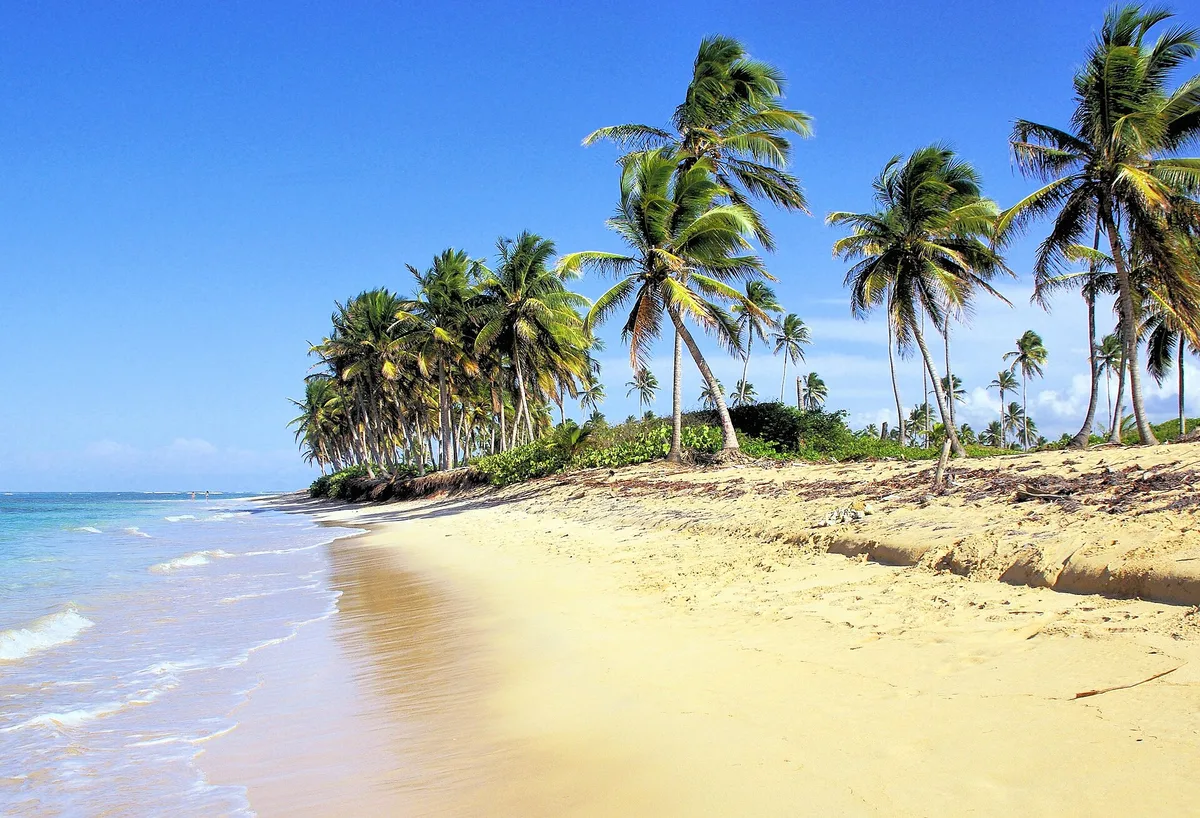
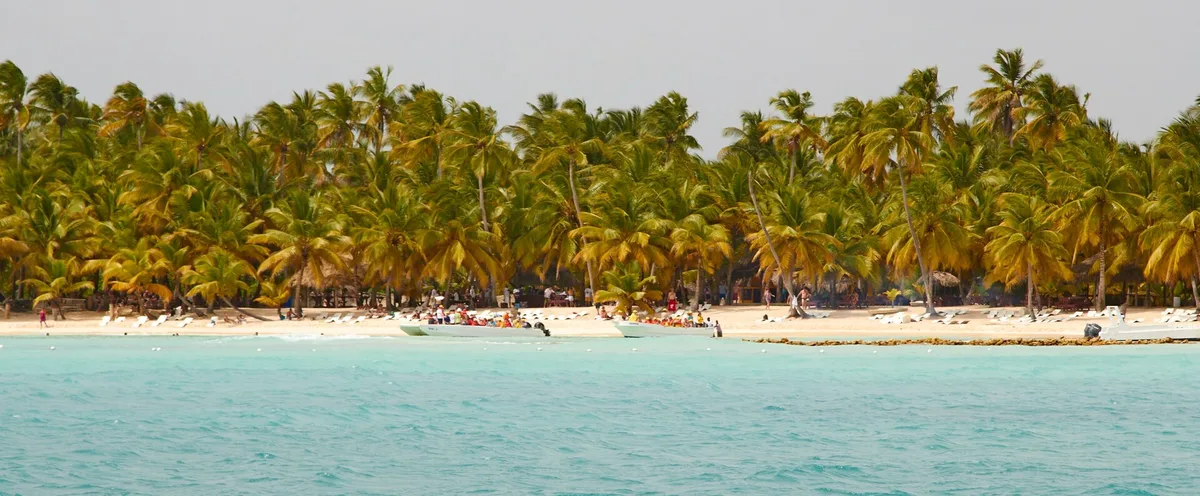
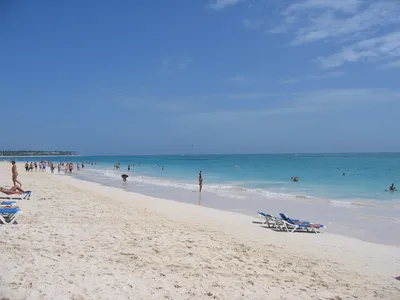
Playa Bávaro stretches along the eastern coast of La Hispaniola in La Altagracia province, Dominican Republic — a sweeping arc of white coral sand backed by a swaying coconut palm canopy. The water runs a vivid turquoise, sheltered in part by an offshore reef lagoon that keeps the shallows calm and warm. Resort towers line the horizon behind you, yet the northern end remains publicly accessible, giving independent travellers a genuine foothold on one of the Caribbean's most photographed shores. The coral sand itself has a fine, powdery texture underfoot — a direct product of the reef ecosystem just offshore. It's lively, it's busy, and it earns every postcard.
How to get there
From Punta Cana International Airport (PUJ), the drive takes roughly 20 minutes by car — the most straightforward approach. From Higüey city centre, allow about 35 minutes. Public access is easiest at the north end of the beach. Parking is available in a mix of free informal spots at public access points and paid lots near El Cortecito and Bibijagua, where fees run RD$50–200.
Who it's for
For couples
The offshore reef lagoon creates pockets of calm, clear turquoise water ideal for a quiet swim together away from the busier resort sections — arrive early to claim your spot before the day-trippers arrive.
For families
The reef lagoon keeps inshore water relatively calm, and the easy road access with available parking means arriving with kids and gear is straightforward — just pack reef shoes for little feet and keep children away from reef openings where currents run.
Our take
Rip currents at reef openings are a real hazard here — swim only in clearly sheltered lagoon sections and stay away from gaps in the reef. With that said clearly, Playa Bávaro delivers on almost every other front: the white coral sand is genuinely fine and bright, the turquoise reef lagoon is as photogenic as advertised, and the coconut palm backdrop gives the whole scene a classic Caribbean feel. It's busy — especially December through April when public access points become genuinely packed — and the sargassum situation from March through August can test your patience. Skip June, July and August if seaweed and jellyfish are dealbreakers for you. The dry season window from November through April, outside of the peak congestion weeks, is when this beach is at its best. Come for the reef lagoon, stay for the sunset palms, but read the water before you wade in.
What to do
Playa Princess, just 2.3km away, offers a quieter beach alternative worth exploring. For a bigger day out, Scape Park Cap Cana — about 22km from the beach — packs in cenotes, zip-lines and cultural shows inside a single adventure park. History seekers can make the 38km drive to the Basílica de Higüey, an iconic 20th-century basilica and national pilgrimage site. For a truly special excursion, Isla Saona — a protected island within Parque Nacional del Este — is reachable by catamaran from Bayahibe, roughly 64km away.
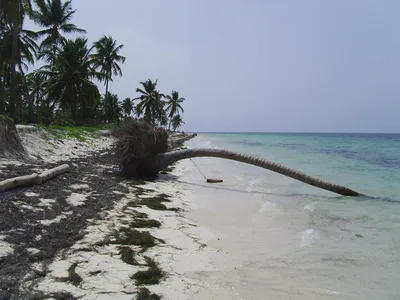
The coconut palm canopy at the north public-access end frames the white coral sand and turquoise lagoon in a single shot — best at sunrise before the beach fills.
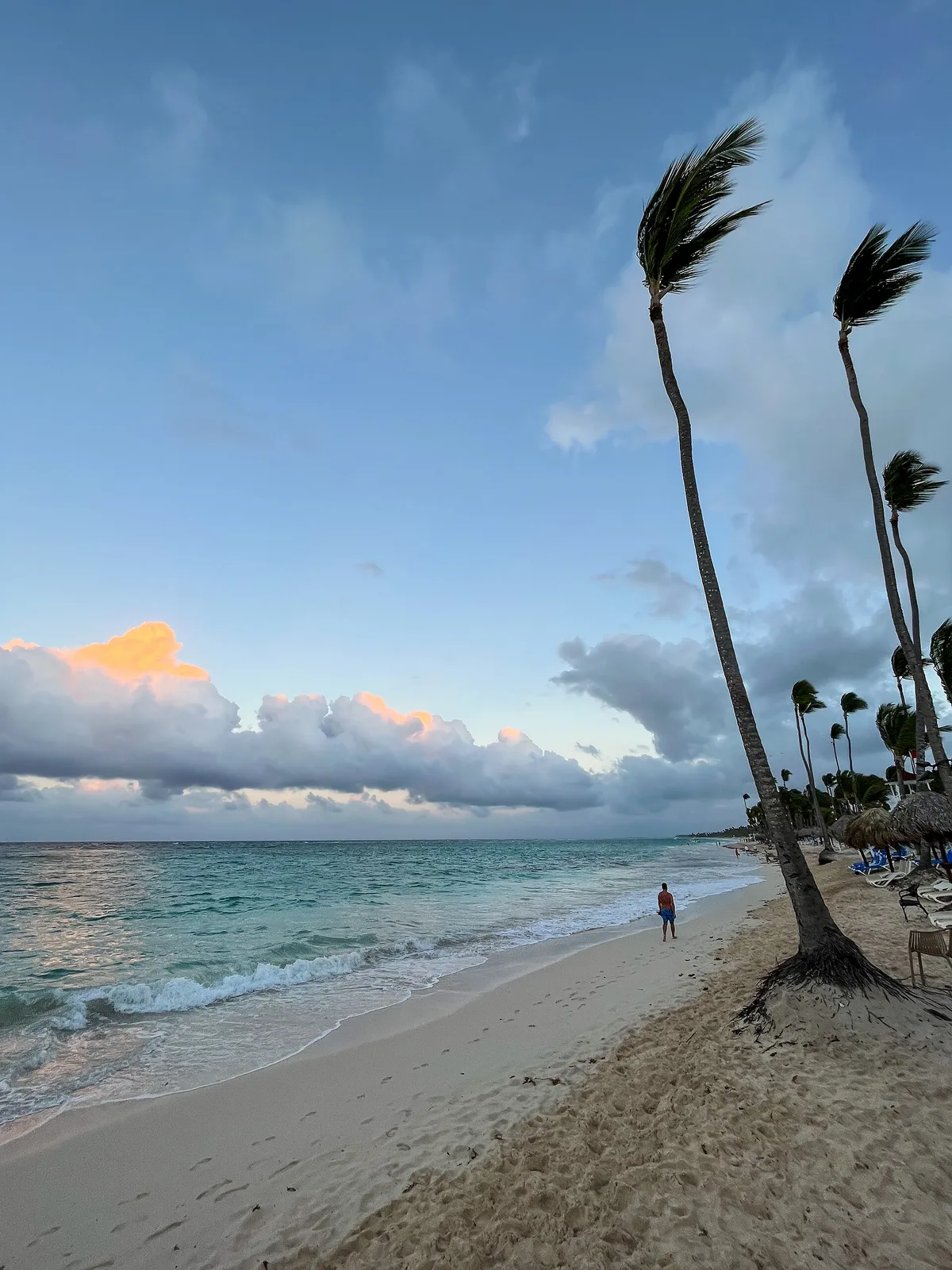
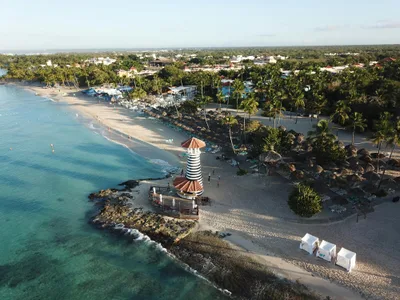
The waterline at low angle looking south along the resort corridor captures the full scale of the beach. For something more intimate, the reef lagoon's colour gradient from pale turquoise to deeper blue photographs beautifully from waist-deep water in mid-morning light.
Where to eat
The Friusa Food Park, just 0.2km from the beach, is the closest and most convenient stop for a quick bite. Ceviche 301, a Peruvian restaurant 1.3km away, is a solid choice if you want something more substantial, and Delicias de Bávaro at 1.4km rounds out the nearby options with local flavour.
Where to stay
The MT Hotel sits closest to the beach at 0.8km, making it a practical base. For a fuller resort experience, the Grand Palladium Bavaro Suites Resort & Spa at 2.2km and the Caribe Tropical & Princess at 1.8km both put you within easy reach of the sand.
Photography
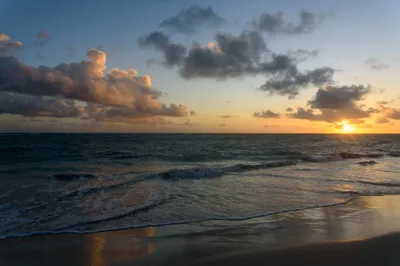
Shoot from the north public-access end at sunrise — the low angle catches the turquoise water and white coral sand before the beach fills up. The coconut palm canopy framing the resort corridor backdrop makes for a strong late-afternoon silhouette shot when the light turns golden.
Good to know
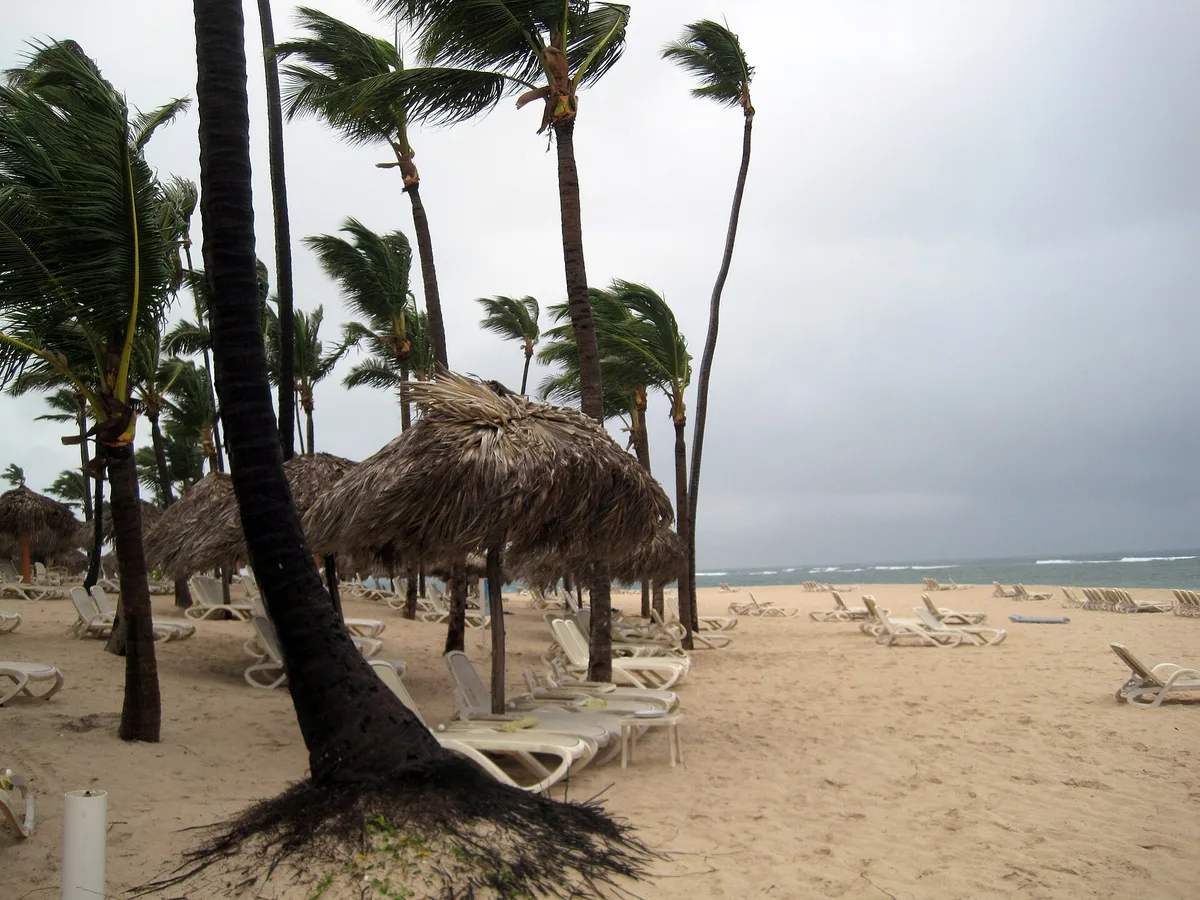
No glass containers are permitted on the beach — decant drinks before you hit the sand. Motorised watersports are restricted to designated zones, and vendors must operate in their assigned areas, so don't be surprised if a beach vendor redirects you. Rip currents are possible at reef openings — stay well clear of those gaps and heed any posted warnings. Sargassum seaweed can accumulate from March through August, with June–August being the worst window; jellyfish blooms near reef gaps also peak in those same months, so plan accordingly. The sun here is intense year-round — high-SPF sunscreen is non-negotiable — and sharp coral reefs mean reef shoes are a smart addition. December through April brings extreme congestion at public access points during peak season.
GAMES
🕹️ Five minutes of sand?
Three daily games — including the UV simulator set to this beach.
Map
Nearby places
Friusa Food Park
Ceviche 301
Delicias de Bávaro
International Buffet Restaurant
El Higuero
MT hotel
Caribe Tropical & Princess
Grand Palladium Bavaro Suites Resort & Spa
Ocean resort
Noé Hotel
Things to see around Higüey
Scape Park Cap Cana
Adventure and nature park with cenotes, zip-lines and cultural shows.
Basílica de Higüey
Iconic 20th-century basilica and national pilgrimage site dedicated to Our Lady of Altagracia.
Isla Saona
Protected island within Parque Nacional del Este, reachable by catamaran from Bayahibe.
GIFT IDEA · MARCEL ET LES BLONDES
🎁 Give a moment, not a thing

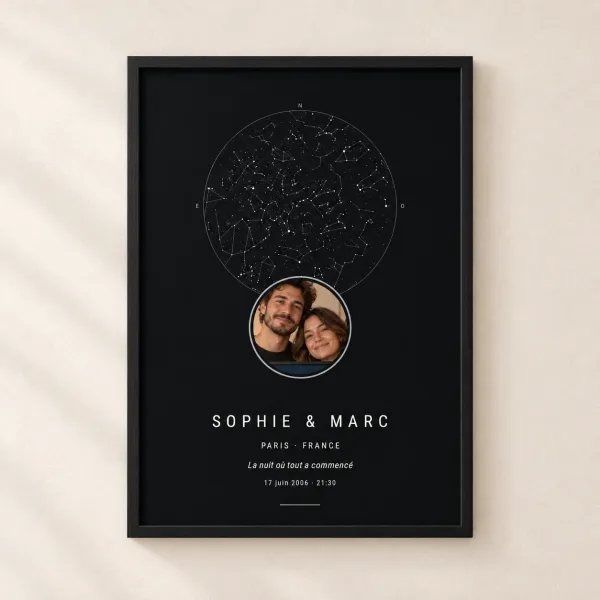
What’s the occasion?

 💑 Dating anniversaryTwo dates, two starry skies
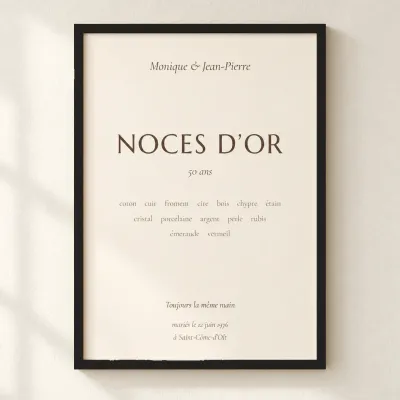 💍 Wedding anniversaryCotton, silver, golden…
 🎂 BirthdayTheir own newspaper front page
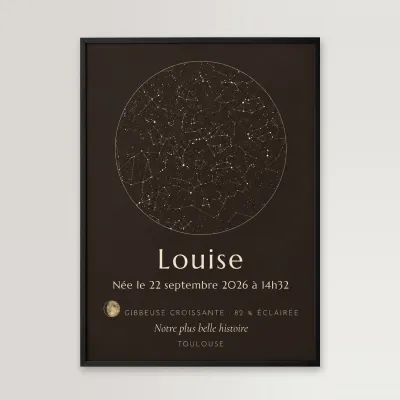 👶 New babyThe stars on the day they were bornValentine’s DayOur two moons, as a print
Shipping €5, free from €49 · made to order, shipped within 48 hAlso: our engraved wooden bracelets, €23.90 →
Frequently asked
The information on this page is provided for guidance only and may evolve. Access conditions, safety and infrastructure can change without notice. Always check official sources before traveling.
Nearest beaches
Reviews of this beach
- No reviews yet, what a shame — leave yours and share your experience.