Platboom BeachSouth Africa Beach Guide
Wild, empty and untamed at the Cape's raw edge
About
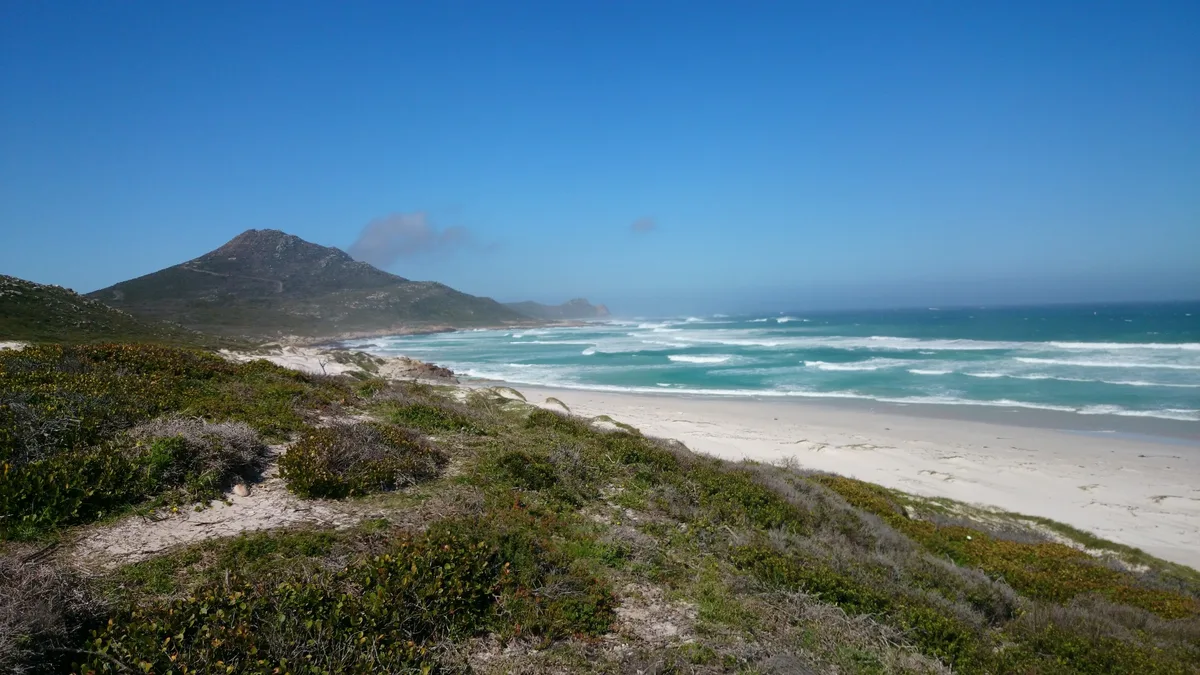
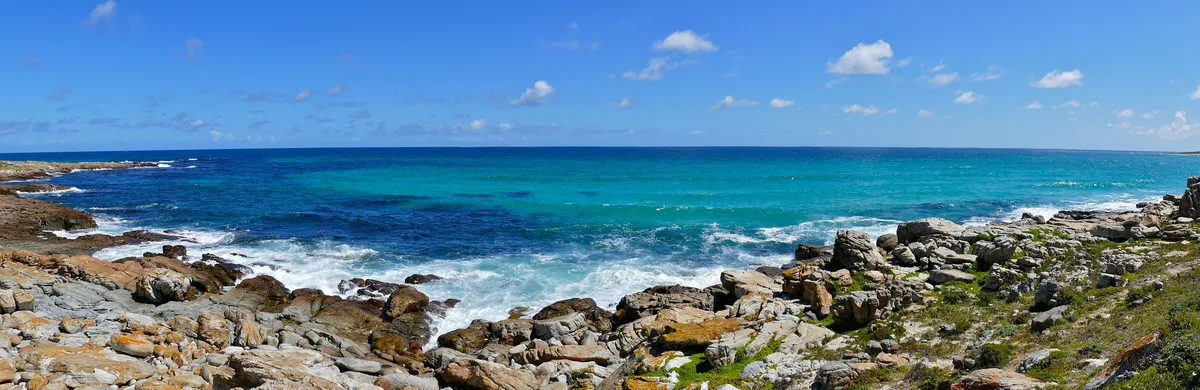
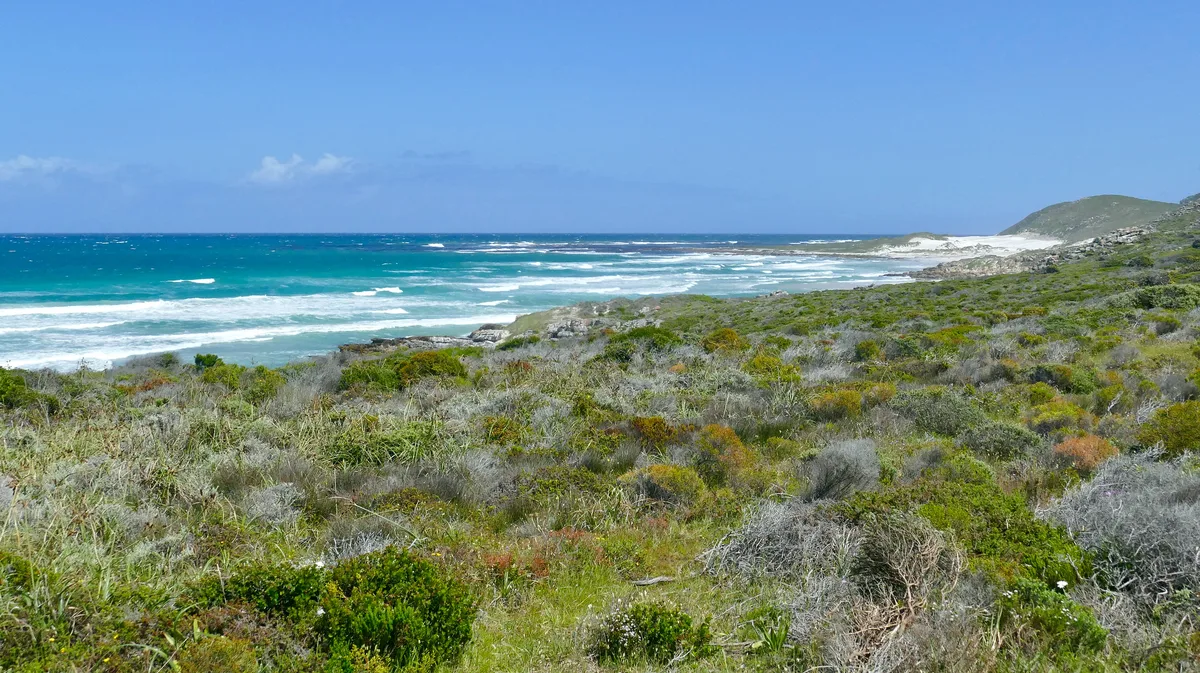
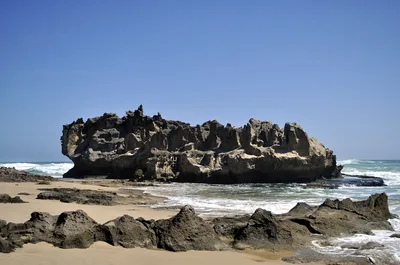
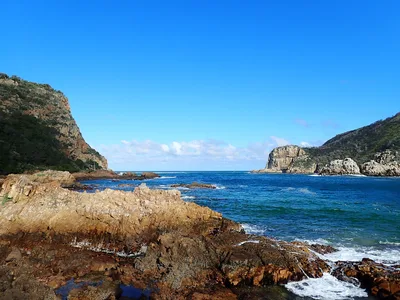
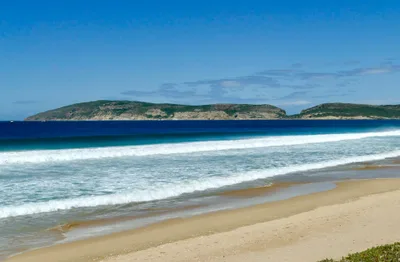
Platboom Beach sits deep inside the Cape of Good Hope Nature Reserve, one of the most remote stretches of coastline on the Cape Peninsula. White sand meets open blue ocean with zero development in sight — no kiosks, no umbrellas, no noise beyond wind and waves. Fynbos scrub rolls right to the dune line, and it's entirely normal to share the beach with baboons or ostriches wandering down from the reserve. The wild vibe is real and unperformed. This is what the southern tip of Africa looked like before anyone built anything.
How to get there
Drive from Cape Town CBD via the M3 south toward Cape Point — the journey takes around 70 minutes. You'll pass through the Cape of Good Hope Nature Reserve gate, where an entry fee applies (adult international visitor rates are set by SANParks for the 2025–2026 season — check current pricing before you go). A small free parking area sits at Platboom itself. The reserve opens at 07:00 and closes at sunset, which varies by season — note the gate closing time and do not get locked in.
Who it's for
For couples
Platboom rewards couples who want genuine solitude — the beach is consistently empty, the scenery is raw and dramatic, and a slow walk to the Diaz Cross and back feels like having the end of Africa entirely to yourselves.
For families
Families with older children who can follow reserve rules will find the wildlife encounters — ostriches and baboons on an open beach — genuinely memorable. Young children and strong swimmers should note there is no safe swimming here at all, no lifeguards, and the water is strictly off-limits.
Our take
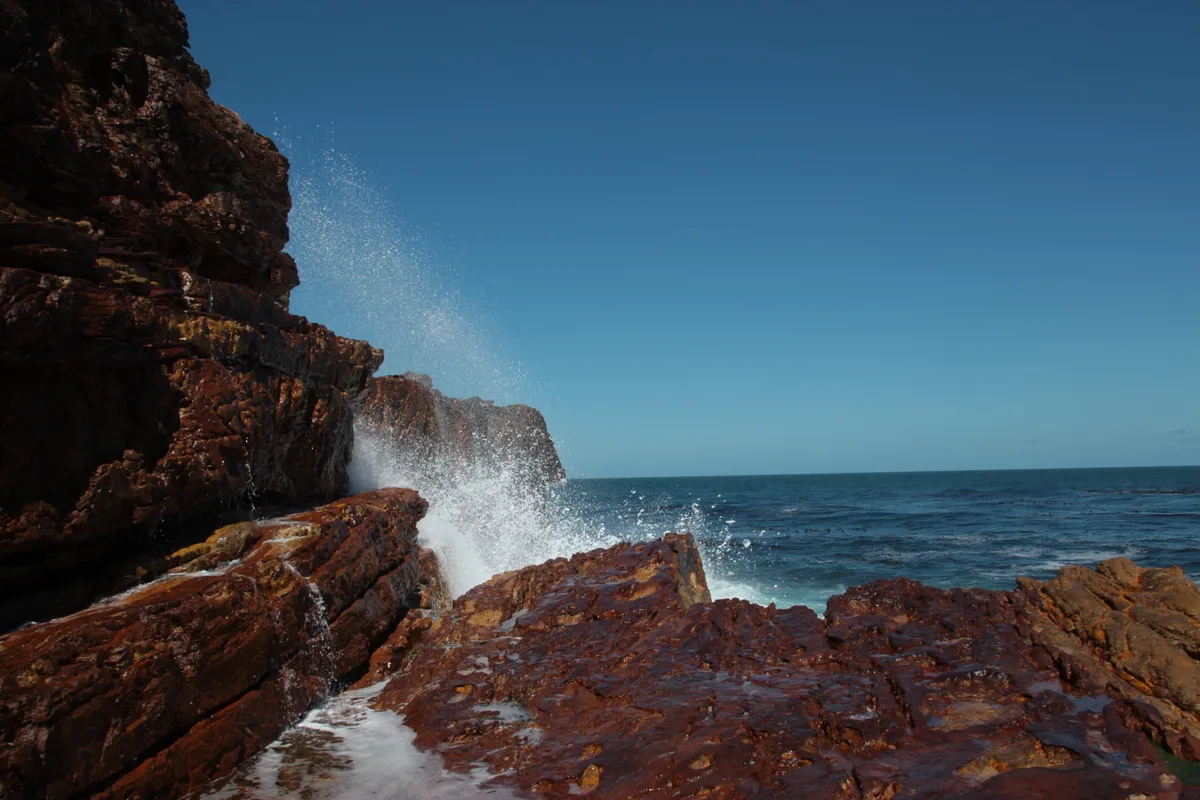
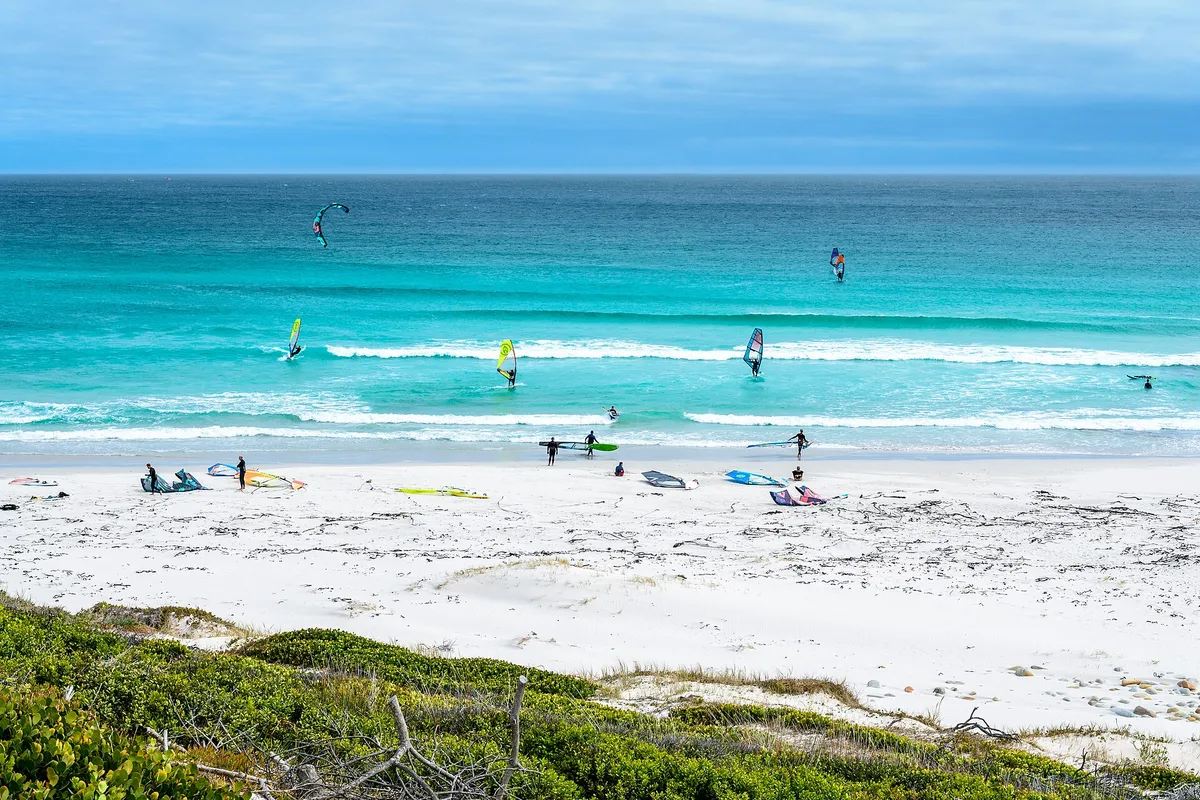
Do not enter the water — that is the first and most important thing to know about Platboom. The rip currents are extreme, the waves are powerful, and no lifeguard will come. With that clearly understood, this is one of the most compelling beaches on the entire Cape Peninsula. The white sand is wide and clean, the blue ocean is dramatic rather than inviting, and the fynbos-covered dunes behind you look exactly as they did centuries ago. Wildlife wanders through without ceremony. The reserve entry fee and the 70-minute drive from Cape Town filter out casual visitors, which is precisely why the beach stays empty. Come for the wildness, the silence, and the landscape — not the water.
What to do
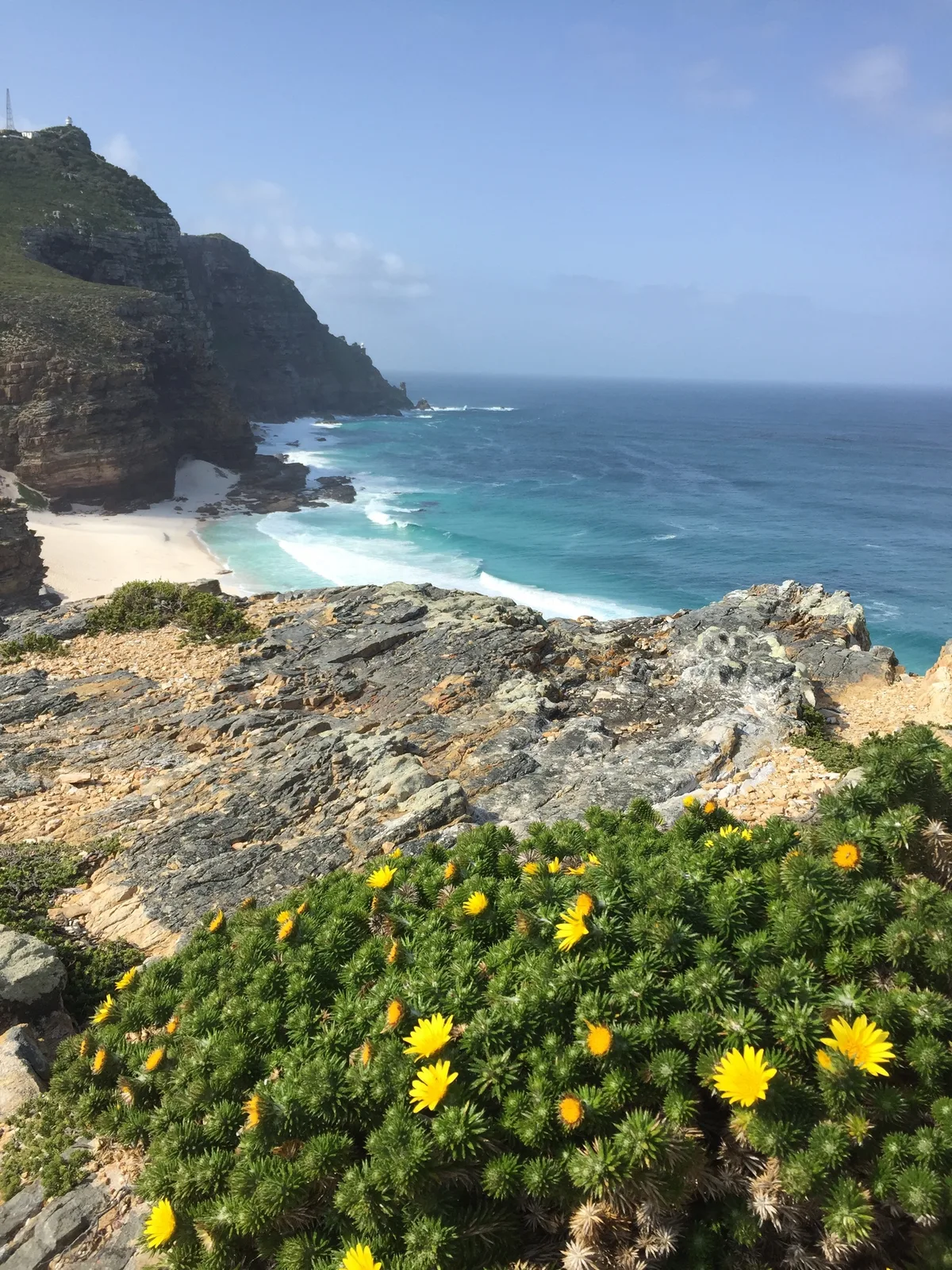
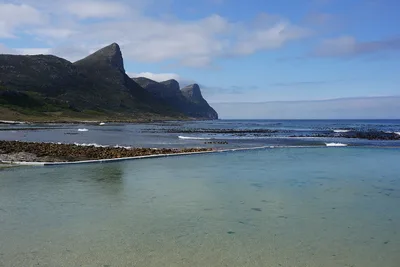
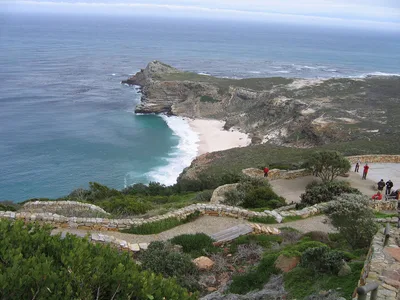
A short walk of under 2 kilometres brings you to the Diaz Cross, a replica of the navigational marker planted by Portuguese explorer Bartolomeu Dias — a genuinely striking landmark in an already dramatic landscape. Buffels Bay, just 2.4 kilometres away, offers a sheltered False Bay cove with a tidal pool and braai facilities if you want calmer water nearby. Cape Point Lighthouse, roughly 4 kilometres from the beach, sits at the tip of the Cape Peninsula with funicular access and sweeping Atlantic panoramas. Diaz Beach, also around 4 kilometres away, is another wild Atlantic shore accessible via a steep staircase below the lighthouse.
The clean sweep of white sand against open blue ocean with zero infrastructure behind it is the defining shot — best captured at first light before any other visitors arrive.
The Diaz Cross at 1.8 kilometres offers a striking historical focal point framed by fynbos and sky. An ostrich or baboon moving across the sand with the Atlantic behind it is the kind of frame this beach occasionally hands you for free.
Where to eat
There are no food or drink facilities at Platboom — pack everything before you leave Cape Town. The nearest option is The Hatchery, about 9.5 kilometres away, and Black Marlin, a seafood restaurant roughly 12 kilometres from the beach, is a solid post-visit stop on the drive back toward Simon's Town.
Where to stay
The closest places to stay are the Erica Overnight Hut and the Protea & Restio Overnight Huts, both inside the reserve within 2 kilometres of the beach and rated 4.6/5 by guests — booking through SANParks in advance is essential. Further out, Olifantsbos Cottage (4.6/5, 10 kilometres) and Cape Point Mountain Getaway (4.8/5, 10 kilometres) offer more comfort while keeping you inside the reserve atmosphere.
Photography
Arrive early morning when the low Atlantic light rakes across the white sand and the fynbos glows gold — the absence of any development means a completely clean horizon in every direction. The Diaz Cross at 1.8 kilometres makes a powerful foreground subject against the open blue ocean, and any encounter with ostriches or baboons on the sand is a frame worth waiting for.
Good to know
Do not swim here under any circumstances — extreme rip currents and powerful waves make the water genuinely dangerous, and there are no lifeguards on site. Baboons are bold and can be aggressive; never bring food in visible bags and never feed them, as heavy fines apply. No dogs are permitted anywhere inside the Table Mountain National Park and Cape of Good Hope reserve. Carry every piece of rubbish out with you — there are no bins, and leave-no-trace is the rule, not a suggestion.
GAMES
🕹️ Five minutes of sand?
Three daily games — including the UV simulator set to this beach.
Map
Nearby places
The Hatchery
Black Marlin
Erica Overnight Hut
Protea & Restio Overnight Huts
Smitswinkel Bay
Olifantsbos Cottage
Cape Point Mountain Getaway
Things to see around City of Cape Town
Cape Point Lighthouse
Historic lighthouse at the tip of the Cape Peninsula with funicular access and panoramic Atlantic views.
Diaz Beach
Wild Atlantic beach below Cape Point lighthouse, accessible via steep staircase.
Buffels Bay
Sheltered False Bay cove inside the reserve with tidal pool and braai facilities.
GIFT
🎁 Gift this beach
Its exact coastline, your date, your words — on a print or a PDF you print yourself.
Platboom Beach
THAT DAY
Platboom Beach, Western Cape
© OpenStreetMap contributors
Clean & decorative, or “That day” with the real sky of your date.
Shipping included 3-6 business days
A question before you order? Contact us
Delivered within minutes on the confirmation page and by email: a ZIP with all 4 print sizes (30×40 cm, 12×16″, 50×70 cm, 18×24″), each as a high-resolution PDF and PNG (300 dpi), plus a screen version. Print at home or at any print shop.
Please complete the delivery address.
Please accept the Terms of Sale.
Almost there — the shop opens very soon.
Secure payment · Printed locally in 30+ countries · 7 languages
Frequently asked
The information on this page is provided for guidance only and may evolve. Access conditions, safety and infrastructure can change without notice. Always check official sources before traveling.
Nearest beaches
Other wild beaches in South Africa
Reviews of this beach
- No reviews yet, what a shame — leave yours and share your experience.
Photo credits
Sources and licenses for the photos shown above.
- Photo 1 — Glany Saldanha · source · CC BY 3.0
- Photo 2 — landagent · source · CC BY-SA 3.0
- Photo 3 — jeanetteclarke · source · CC BY-SA 4.0
- Photo 4 — dconvertini · source · CC BY-SA 2.0
- Photo 5 — Bernard DUPONT · source · CC BY-SA 2.0
- Photo 6 — Bernard DUPONT · source · CC BY-SA 2.0