Malika BeachSenegal Beach Guide
Golden sands, working pirogues, zero tourist noise
About
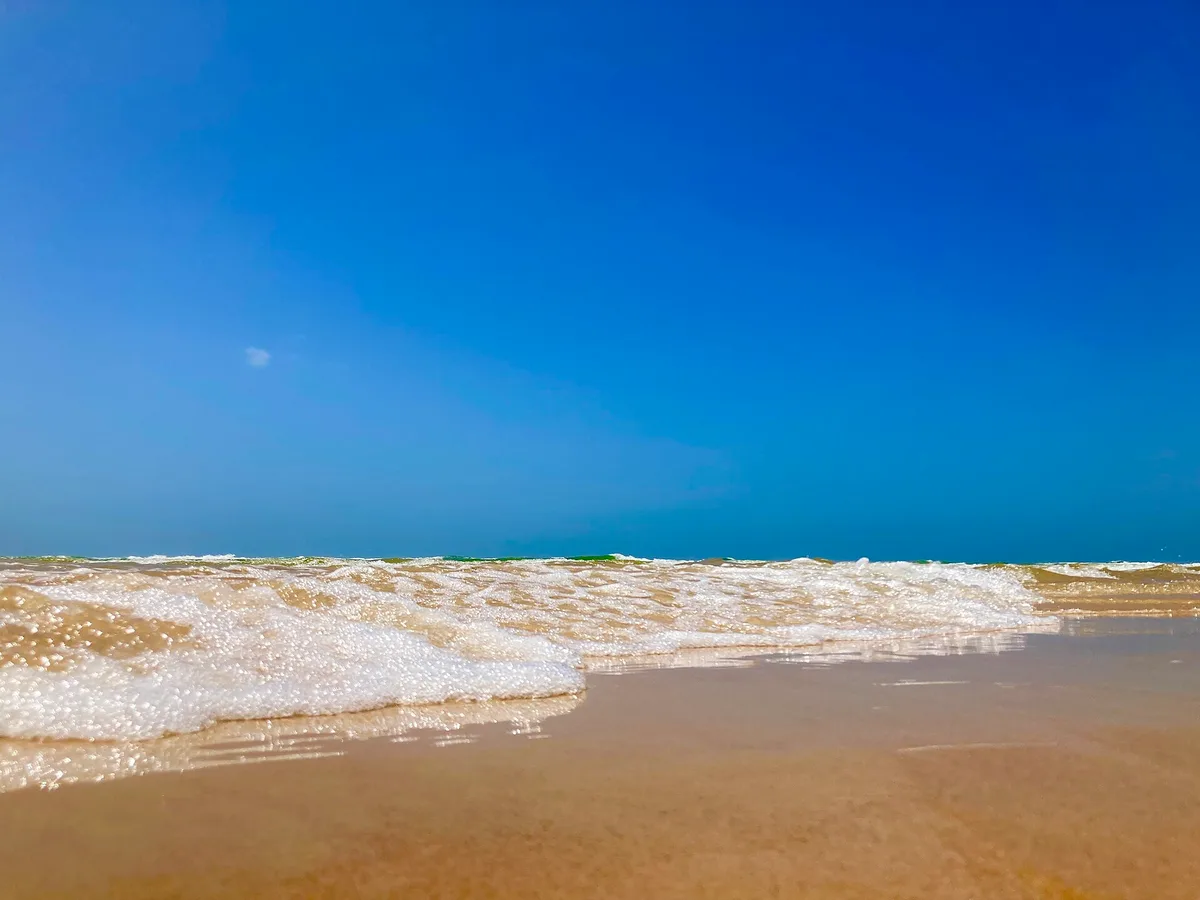
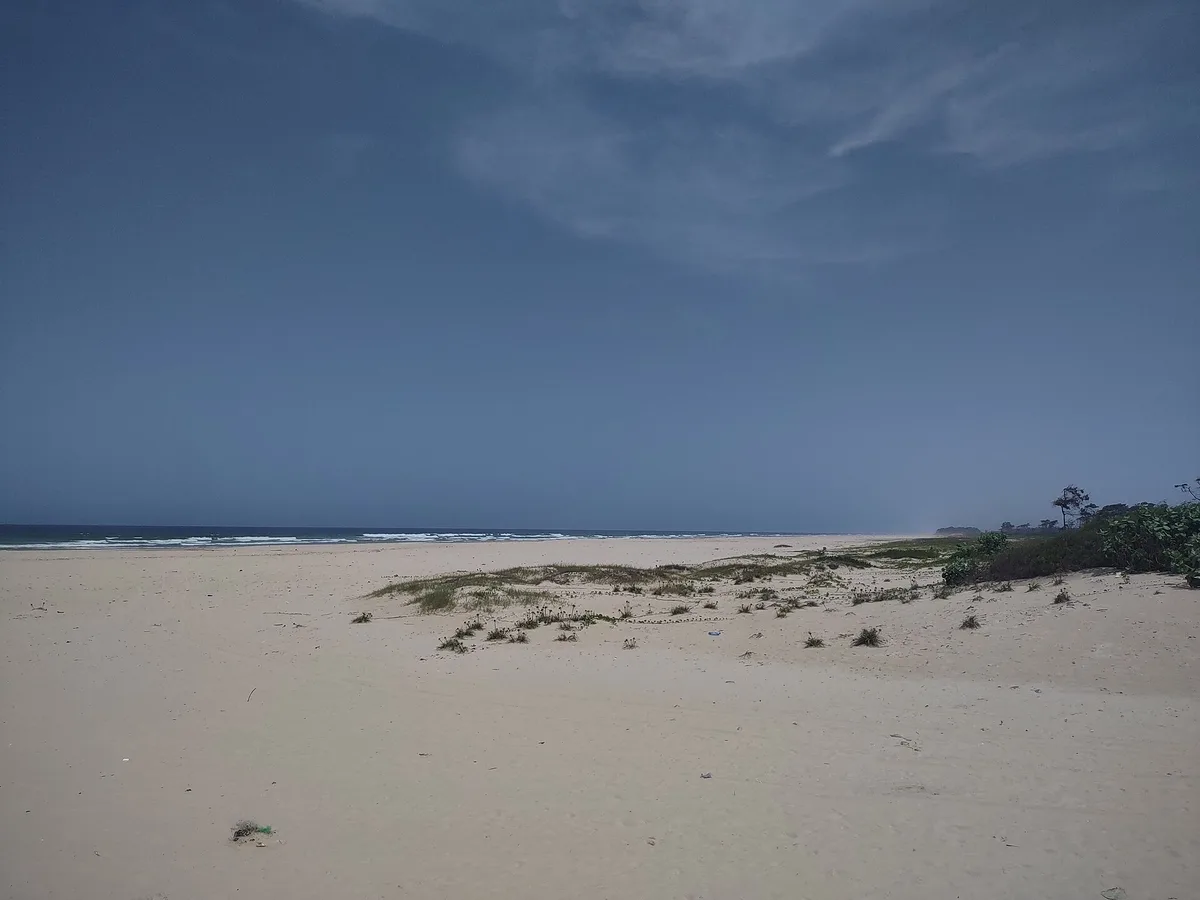
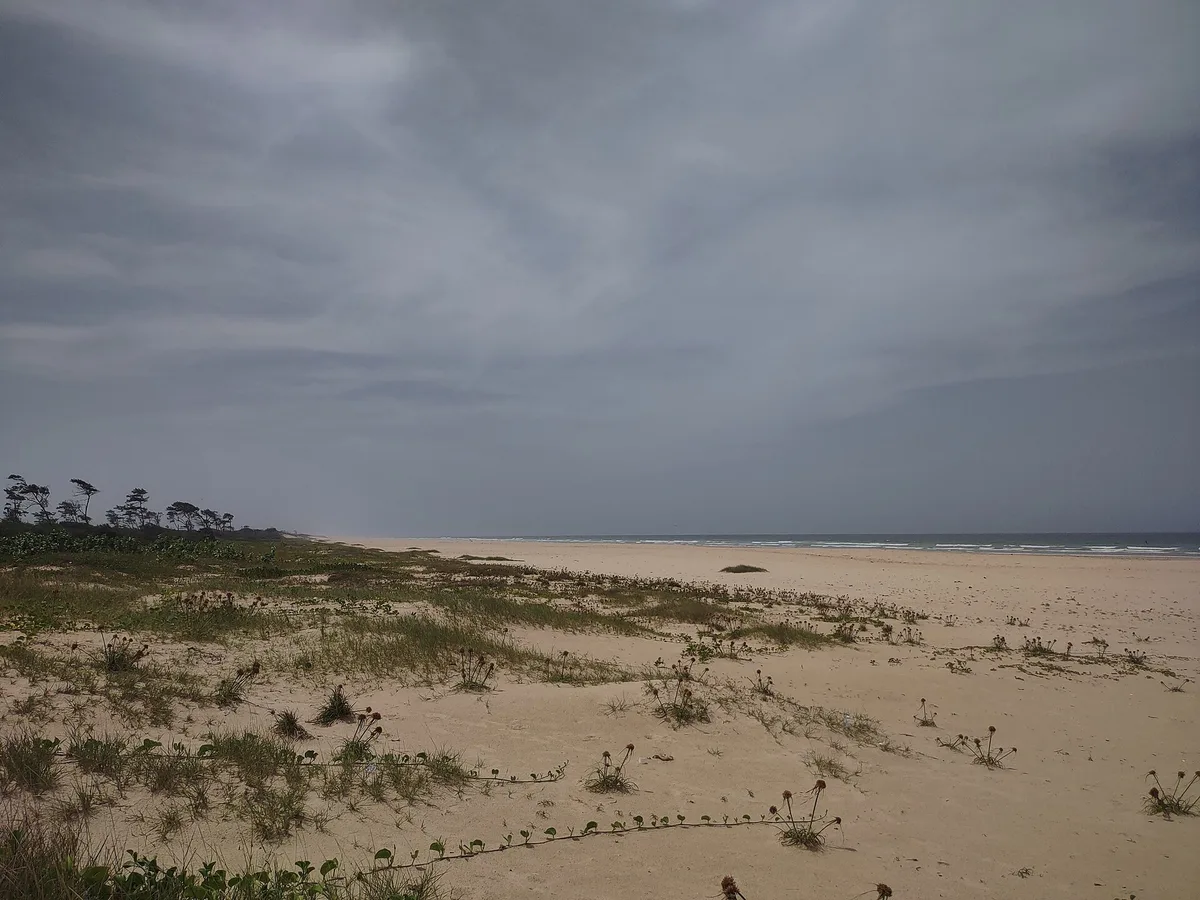
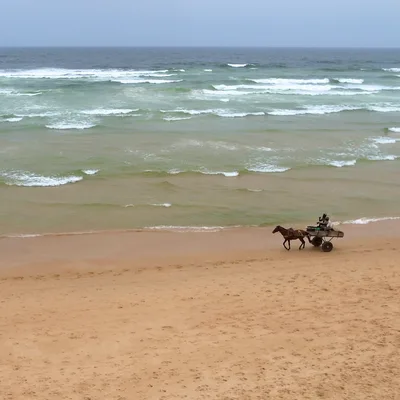
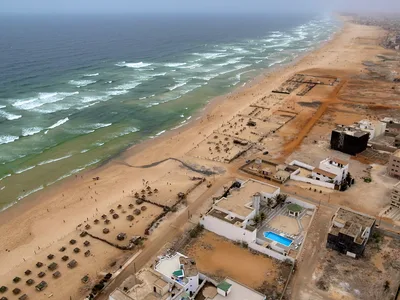
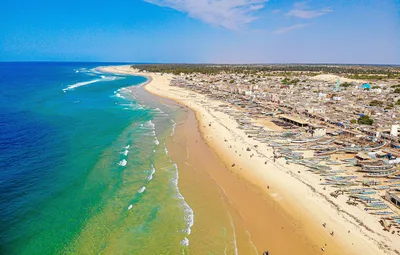
Plage de Malika stretches roughly 3 kilometres along the Grande Côte north of Dakar, a wide, flat shore of golden sand backed by a windbreak of casuarina pines. The water runs grey and open — this is the Atlantic in its working clothes, not a postcard lagoon. Rows of painted pirogues line the beach, and at dawn the air fills with the sounds of fish landings that have nothing to do with tourism. It's quiet in the best possible sense: no vendors, no sun-lounger rentals, no tourist infrastructure of any kind. The casuarina belt filters the sea breeze and gives the whole scene a hushed, almost cinematic quality.
How to get there
From Dakar the drive takes around 45 minutes by car; from nearby Guédiawaye you're looking at about 20 minutes. The beach sits within the commune of Ndiayenne, and access through the casuarina belt is informal — there's no marked entrance or paved path. Parking near the village is free and informal, so expect to leave your car wherever space allows alongside local vehicles.
Who it's for
For couples
The quiet, unhurried atmosphere and long flat golden shoreline make this a genuinely peaceful place for two — no vendors, no noise, just the sound of the sea and the pines. Early morning walks along the water's edge before the fishing activity peaks feel almost private.
For families
The flat, wide shoreline is easy to navigate with children and the beach is quiet, but the absence of a lifeguard means you must supervise young swimmers closely at all times. Older children interested in how fishing communities actually work will find the pirogue landings genuinely fascinating — just keep everyone respectful of the working areas.
Our take
Plage de Malika is one of those places that rewards patience and early rising. There is no tourist infrastructure here — none — and that is entirely the point. The golden sand, the grey Atlantic, the casuarina pines, the pirogue rows: it all adds up to something that feels genuinely unmediated. The swimming is moderate and there is no lifeguard, so treat the water with respect rather than enthusiasm. Skip the December-to-February window if you can; the Harmattan dust is a real nuisance. Come in the dry season, arrive at dawn, and bring a camera with a full memory card.
What to do
The beach itself is rated 4 out of 5 and the main draw — walking the full flat shoreline at dawn while the fish landing is underway is an experience you won't replicate anywhere more polished. If you have a car, Lac Rose (Lac Retba) is only 18 kilometres away, a pink salt lake coloured by halophilic algae and a classic Senegalese day trip. Plage de Yoff, about 10 kilometres south, offers another active Lébou fishing village beach if you want to compare the pirogue culture, and Plage de Kayar — one of Senegal's largest artisanal fishing ports — is 60 kilometres up the coast.
The pre-dawn pirogue rows lined up on golden sand with the grey Atlantic behind them are the defining image — arrive before sunrise for the best light.
The casuarina pine windbreak creates natural framing for wide shots looking along the shoreline. For portraits with context, the fish landing at first light gives you motion, colour, and authenticity in a single frame — but always ask permission before photographing workers.
Where to eat
The closest option is Restaurant Chez Soxou, just 0.6 kilometres from the beach — the nearest you'll get to on-site eating. A short drive further brings you to Chez Ndella, Maiga, Chez Marone, and Malika Diamalaye, all within about 1.6 kilometres. Bring water and snacks regardless; there is nothing to buy on the beach itself.
Where to stay
The nearest hotels are a 8–10 kilometre drive away, clustered back toward Dakar. Hôtel Aline Sitoe Diatta and Hôtel Le Flamboyant are the closest at around 8 kilometres, with Hôtel Coumba Castel and Chez Salim rounding out the options at roughly 10 kilometres. None are beachfront, so you'll need your own transport to reach Malika each morning.
Photography
Come at first light — the dawn fish landing, with pirogues silhouetted against grey Atlantic water and fishermen hauling nets, is the shot. The casuarina pine windbreak offers strong graphic lines for framing the beach looking north along the 3-kilometre shoreline, especially in the soft early-morning light.
Good to know
There is no lifeguard service here, so swim with real caution and keep a close eye on anyone in the water. Between December and February the Harmattan wind sweeps in fine dust from the Sahara, cutting visibility and coating everything — those three months are best avoided. The fishing operations on the beach are active livelihoods, not a backdrop: stay clear of working areas and do not photograph fishermen or their catch without asking permission first. Access through the casuarina belt is unmarked, so follow any worn track you find and leave the vegetation undisturbed.
Map
Nearby places
Restaurant Chez Soxou
Chez ndella
Maiga
Chez marone
Malika diamalaye
Hôtel Aline Sitoe Diatta
Hôtel Le Flamboyant
Chez Salim
Chez Salim
Hôtel Coumba Castel
Things to see around Malika
Lac Rose (Lac Retba)
Pink salt lake coloured by halophilic algae, popular day trip from Dakar
Plage de Kayar
One of Senegal's largest artisanal fishing ports with hundreds of painted pirogues
Plage de Yoff
Vast Lébou fishing village beach with active pirogue landings
GIFT
🎁 Gift this beach
Its exact coastline, your date, your words — on a print, a mug, or a PDF you print yourself.
Malika Beach
THAT DAY
Malika Beach, Grande Côte
© OpenStreetMap contributors
Clean & decorative, or “That day” with the real sky of your date.
Shipping included 3-6 business days
A question before you order? Contact us
Delivered within minutes on the confirmation page and by email: a ZIP with all 4 print sizes (30×40 cm, 12×16″, 50×70 cm, 18×24″), each as a high-resolution PDF and PNG (300 dpi), plus a screen version. Print at home or at any print shop.
Please complete the delivery address.
Please accept the Terms of Sale.
Almost there — the shop opens very soon.
Secure payment · Printed locally in 30+ countries · 7 languages
Frequently asked
The information on this page is provided for guidance only and may evolve. Access conditions, safety and infrastructure can change without notice. Always check official sources before traveling.
Nearest beaches
Reviews of this beach
- No reviews yet, what a shame — leave yours and share your experience.
Photo credits
Sources and licenses for the photos shown above.
- Photo 1 — Moussa Kalamou Diop · source · CC0
- Photo 2 — Tbo47 · source · CC BY-SA 4.0
- Photo 3 — Tbo47 · source · CC BY-SA 4.0