風吹砂 BeachTaiwan Beach Guide
Where monsoon winds sculpt golden dunes into motion
About
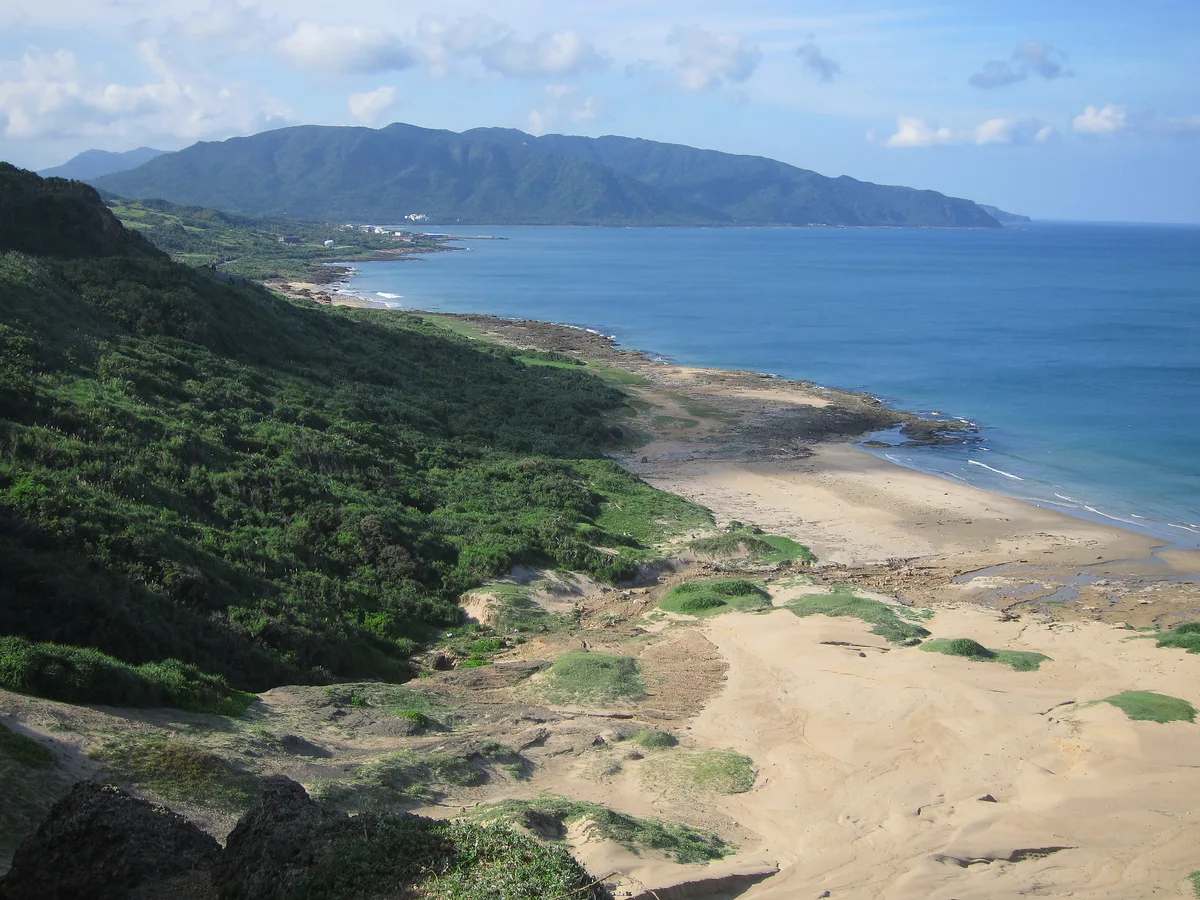
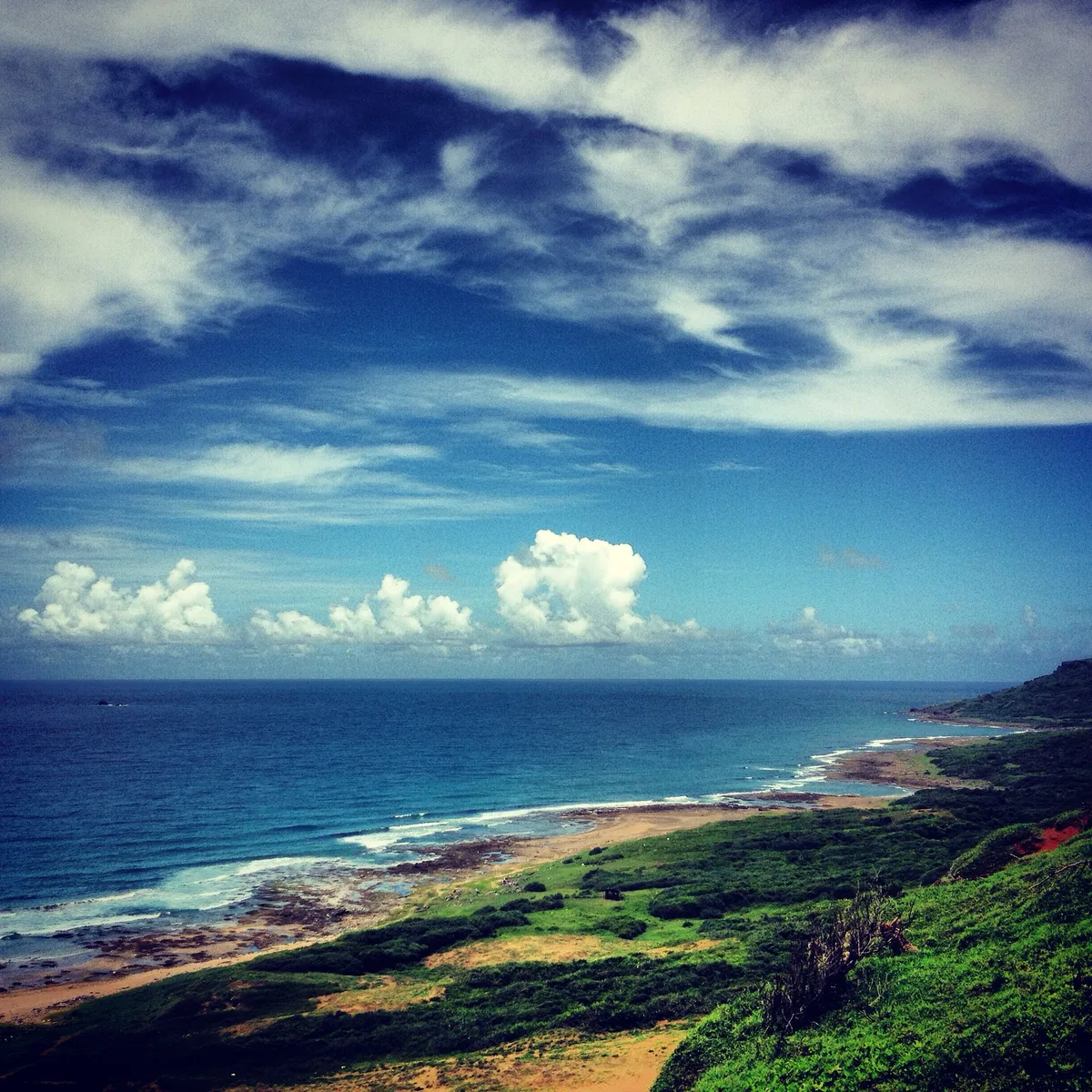
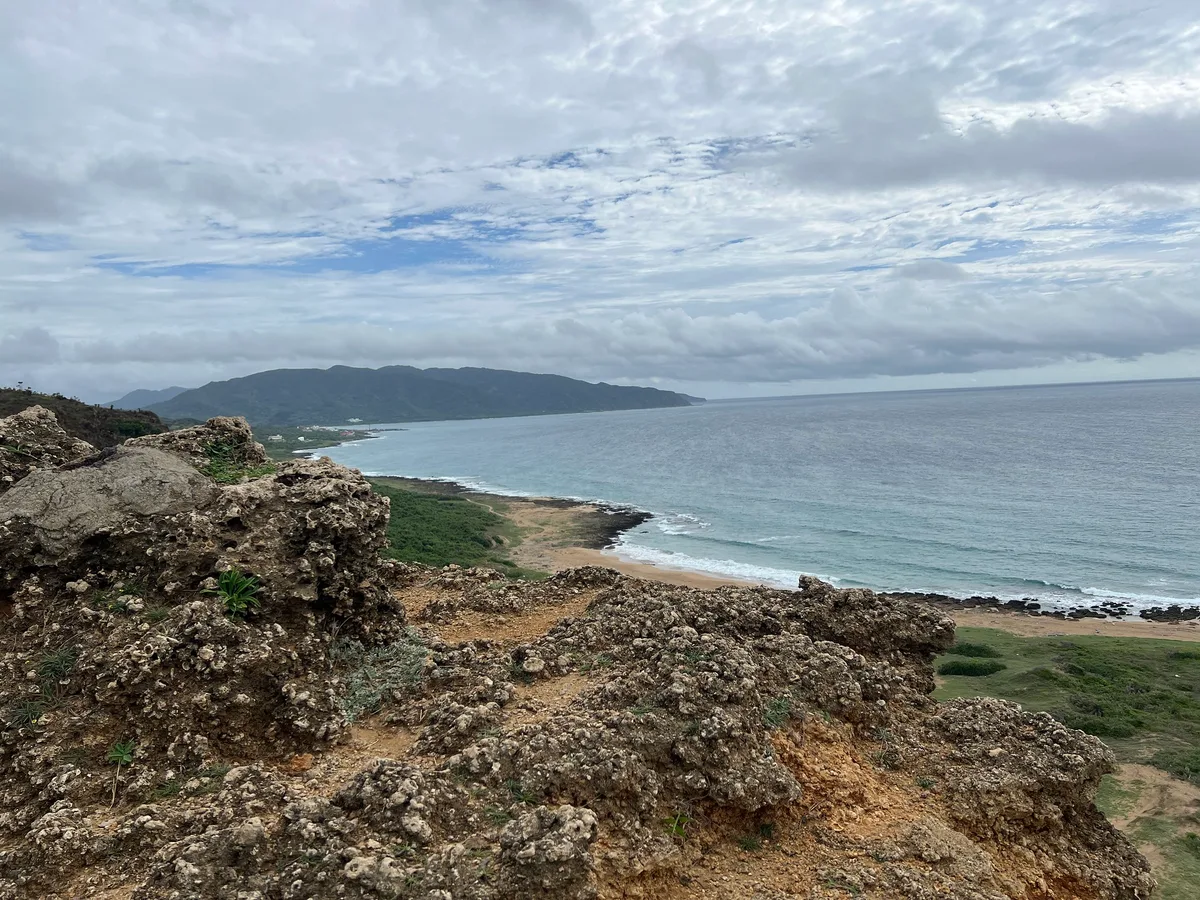
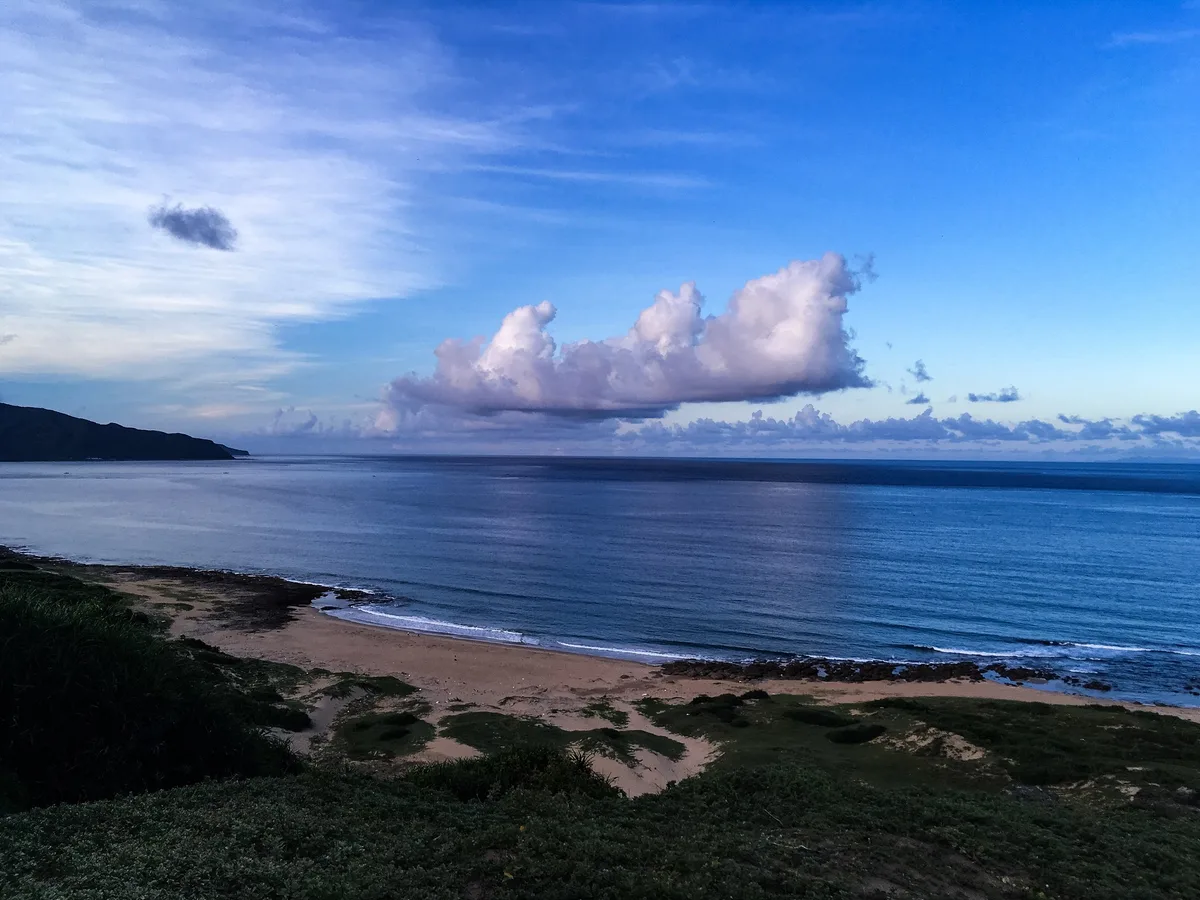
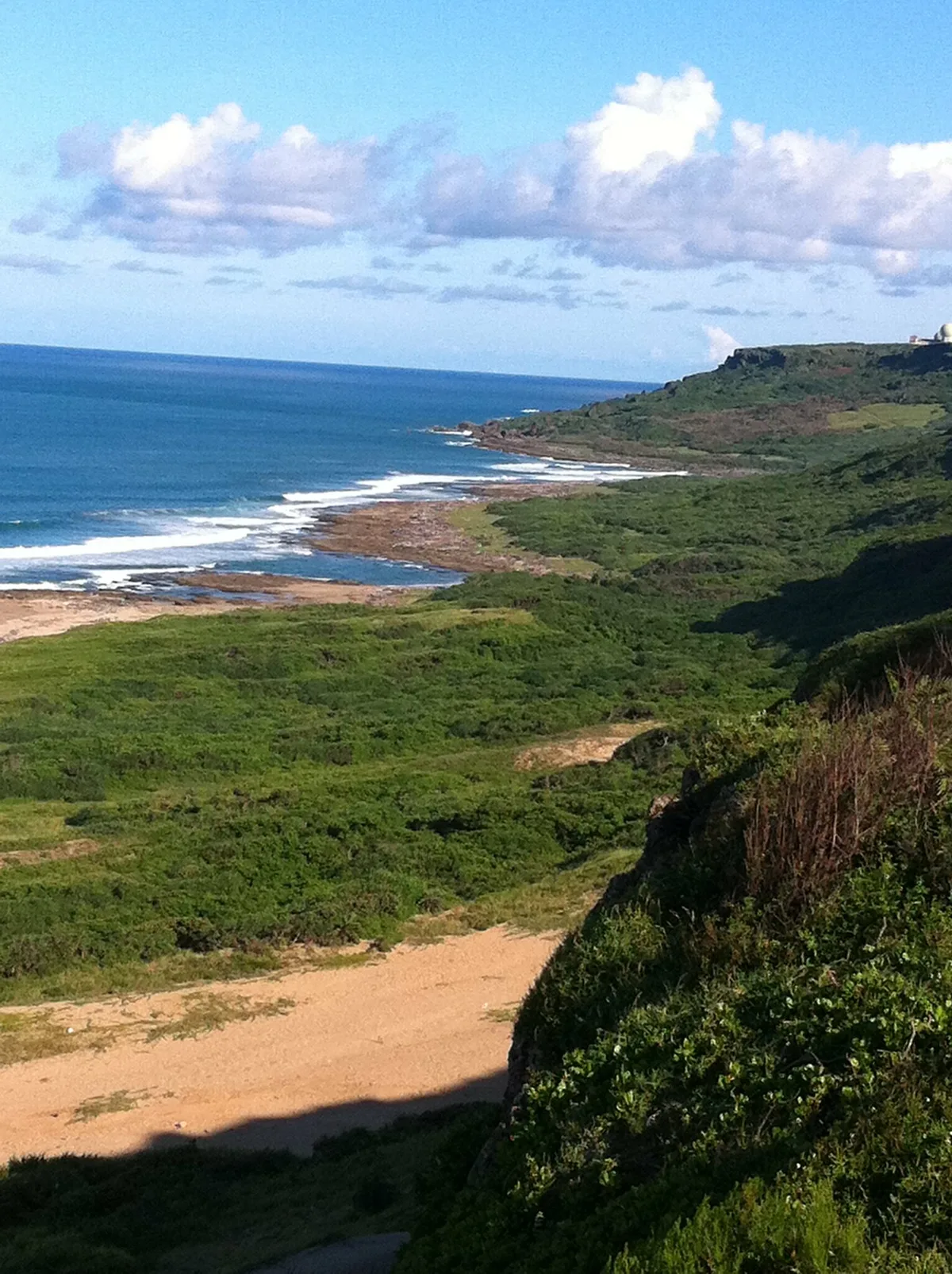
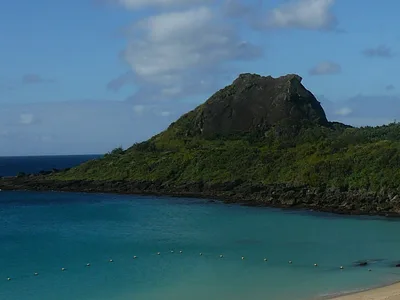
Fengcuisha — literally 'wind-blown sand' — is one of Taiwan's most dramatic geological phenomena, a stretch of roughly 805 metres where golden sand is perpetually pushed inland by powerful monsoon winds, creating a living, shifting dune landscape. Stand at the roadside pull-off and you'll watch curtains of sand stream across the road like slow-motion smoke, with a lighthouse hill rising behind the dunes to complete the scene. The blue ocean sits just beyond, but this beach is about the land, not the water — the aeolian geology is the entire show. It's wild, elemental, and completely accessible without hiking a single step.
How to get there
Fengcuisha sits in Hengchun, southern Taiwan, and is easy to reach by car — about 20 minutes from Hengchun town or 15 minutes from Kenting town. The beach is viewable directly from the roadside, and free roadside pull-off parking is available, so you can even experience the dune curtain without leaving your vehicle. Kaohsiung International Airport (KHH) is the primary gateway, roughly 86 km away.
Who it's for
For couples
The wild, elemental atmosphere — golden sand streaming through the air, a lighthouse hill on the horizon, and almost no other visitors around — makes Fengcuisha a quietly striking stop for couples who prefer raw nature over resort beaches.
For families
The flat, roadside pull-off means families with young children can safely observe the dune phenomenon without navigating difficult terrain, though parents should keep children away from the active dune face and ensure everyone has eye protection against the strong winter winds.
Our take
Do not swim at Fengcuisha — the water is dangerous and this is not a swimming beach by any measure. That said, if you're in Kenting between October and March, skipping this site would be a genuine mistake. The active sand migration is a rare geological phenomenon: golden dunes in constant, wind-driven motion, a lighthouse hill framing the scene, and almost no one else around. It's roadside-accessible and free, which makes it a remarkably effortless natural spectacle. Come in winter, bring eye protection, keep your hands off the sand, and stay off the dune face. Skip it entirely in summer — without the monsoon wind, there's simply nothing to see.
What to do
Just 2 km away, Longpan Park Prairie offers open grassland walking, and Longpan Park itself is a short drive further at 2.4 km. For a contrasting coastal experience, Baisha Bay — the longest white-sand beach on the peninsula — is about 3 km away. If you have more time, the elevated coral limestone cliffs of Longpan Coastal Grassland, dropping dramatically to the Pacific, are worth the 8 km drive, and the Qing Dynasty Hengchun Old Town Walls with their four original gates are a compelling historical detour at 15 km.
The roadside pull-off facing the active dune face is the signature shot — frame the golden sand curtain streaming across the road with the lighthouse hill rising behind it.
For a wider composition, step back to capture the full sweep of the dune against the blue sky, ideally in the sharp winter light between October and March when the wind is doing its most photogenic work.
Where to eat
Dining options are a drive away from the dunes — Steamed Buns and Milano Pizzeria Kenting are both around 11.4 km from the site, offering very different tastes. Beef Noodle, a Taiwanese staple, is just slightly further at 11.5 km. Pack snacks for the dunes themselves; there's nothing on-site.
Where to stay
Fullon Resort is the closest option at 2.4 km, making it a convenient base for an early-morning or late-afternoon dune visit. Howard Beach Resort Kenting and Gloria Manor are both about 3.3 km away and offer a more polished stay with proximity to Kenting's broader attractions.
Photography
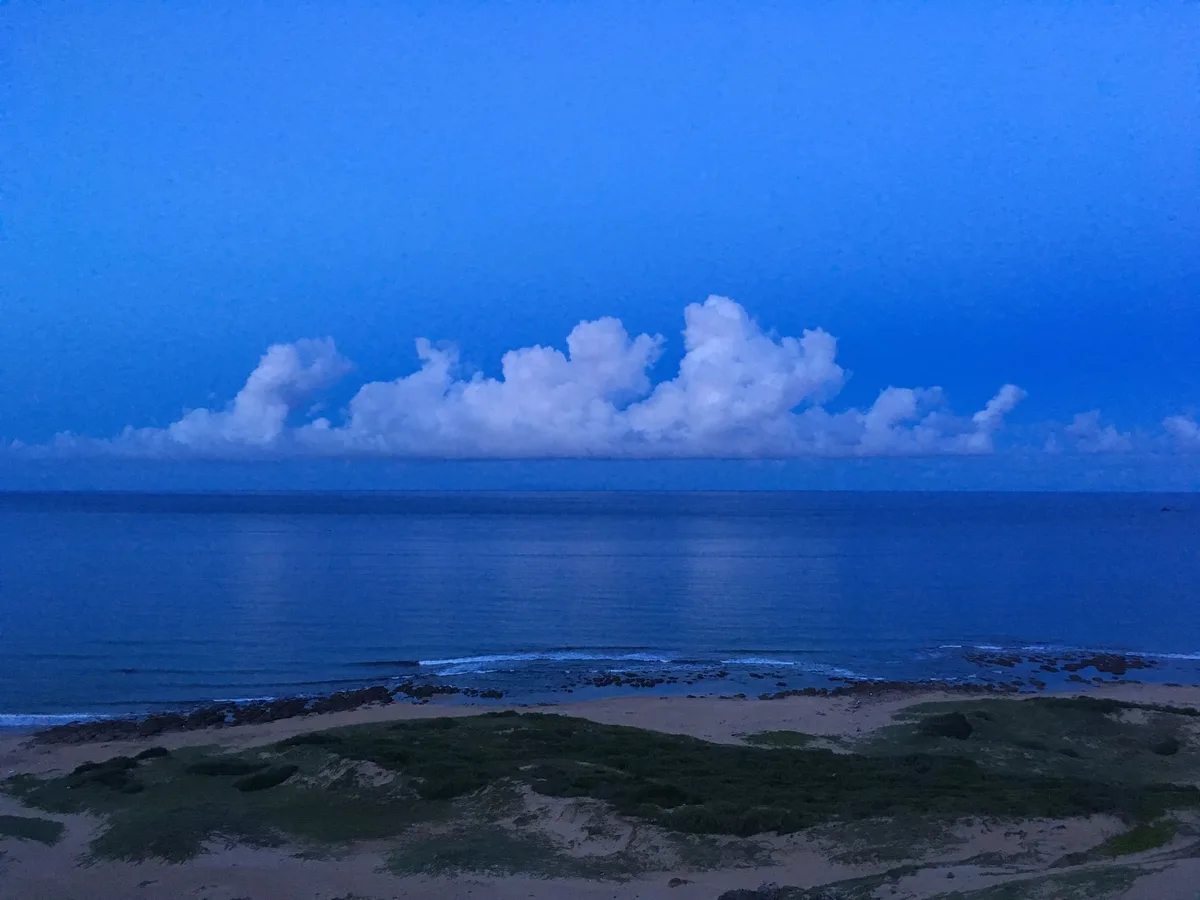
The golden hour before sunset is ideal — the low light catches the airborne sand curtain and turns the dunes a deep amber against the blue sky, with the lighthouse hill providing a natural backdrop. Position yourself at the roadside pull-off facing the dune face for the most dramatic shots of sand streaming across the foreground; October through March gives you the wind-driven action that makes this site worth photographing.
Good to know
Visit between October and March when the monsoon winds are active — this is when the sand migration is at its most dramatic and the famous sand curtain effect is visible. Summer months (June through September) should be avoided entirely: without the monsoon wind, the dune migration stalls and the site loses its defining character. Do NOT collect sand, and stay off the active dune face to protect both yourself and the fragile geological formation. Strong winds in winter make eye protection essential; a pair of wraparound sunglasses or goggles will save you a lot of discomfort.
Map
Nearby places
日日旅海 Ocean Day by Day Hotel
Fullon Resort
Howard Beach Resort Kenting
Gloria Manor
日光·嶼南 Sunlight ON The Peninsula
Things to see around Hengchun
Baisha Bay
Longest white-sand beach on the peninsula.
Longpan Coastal Grassland
Elevated coral limestone cliffs dropping to the Pacific.
Hengchun Old Town Walls
Qing Dynasty city walls with four original gates.
GIFT
🎁 Gift this beach
Its exact coastline, your date, your words — on a print, a mug, or a PDF you print yourself.
風吹砂 Beach
THAT DAY
風吹砂 Beach, Southern Taiwan

© OpenStreetMap contributors
Clean & decorative, or “That day” with the real sky of your date.
Shipping included 3-6 business days
A question before you order? Contact us
Delivered within minutes on the confirmation page and by email: a ZIP with all 4 print sizes (30×40 cm, 12×16″, 50×70 cm, 18×24″), each as a high-resolution PDF and PNG (300 dpi), plus a screen version. Print at home or at any print shop.
Please complete the delivery address.
Please accept the Terms of Sale.
Almost there — the shop opens very soon.
Secure payment · Printed locally in 30+ countries · 7 languages
Frequently asked
The information on this page is provided for guidance only and may evolve. Access conditions, safety and infrastructure can change without notice. Always check official sources before traveling.
Nearest beaches
Reviews of this beach
- No reviews yet, what a shame — leave yours and share your experience.
Photo credits
Sources and licenses for the photos shown above.
- Photo 1 — kenner116 · source · CC BY 2.0
- Photo 2 — cake1020 · source · CC BY-ND 2.0
- Photo 3 — 298先生 · source · Public Domain
- Photo 4 — panmingchun · source · CC BY-SA 2.0
- Photo 5 — panmingchun · source · CC BY-SA 2.0
- Photo 6 — cjc_tw · source · CC BY-SA 2.0