Argent BeachFrance Beach Guide
White sand, turquoise water, no cars — just ferry and pine shade
About
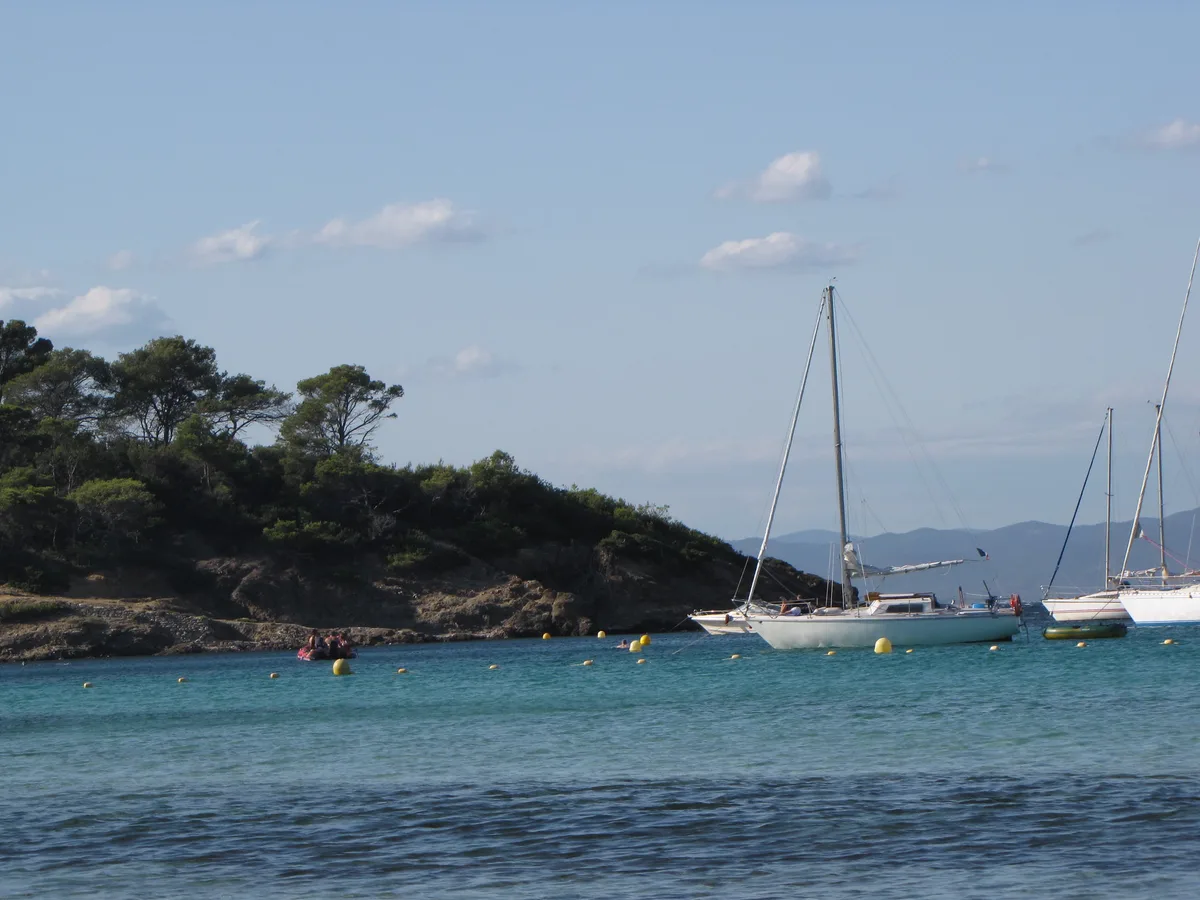
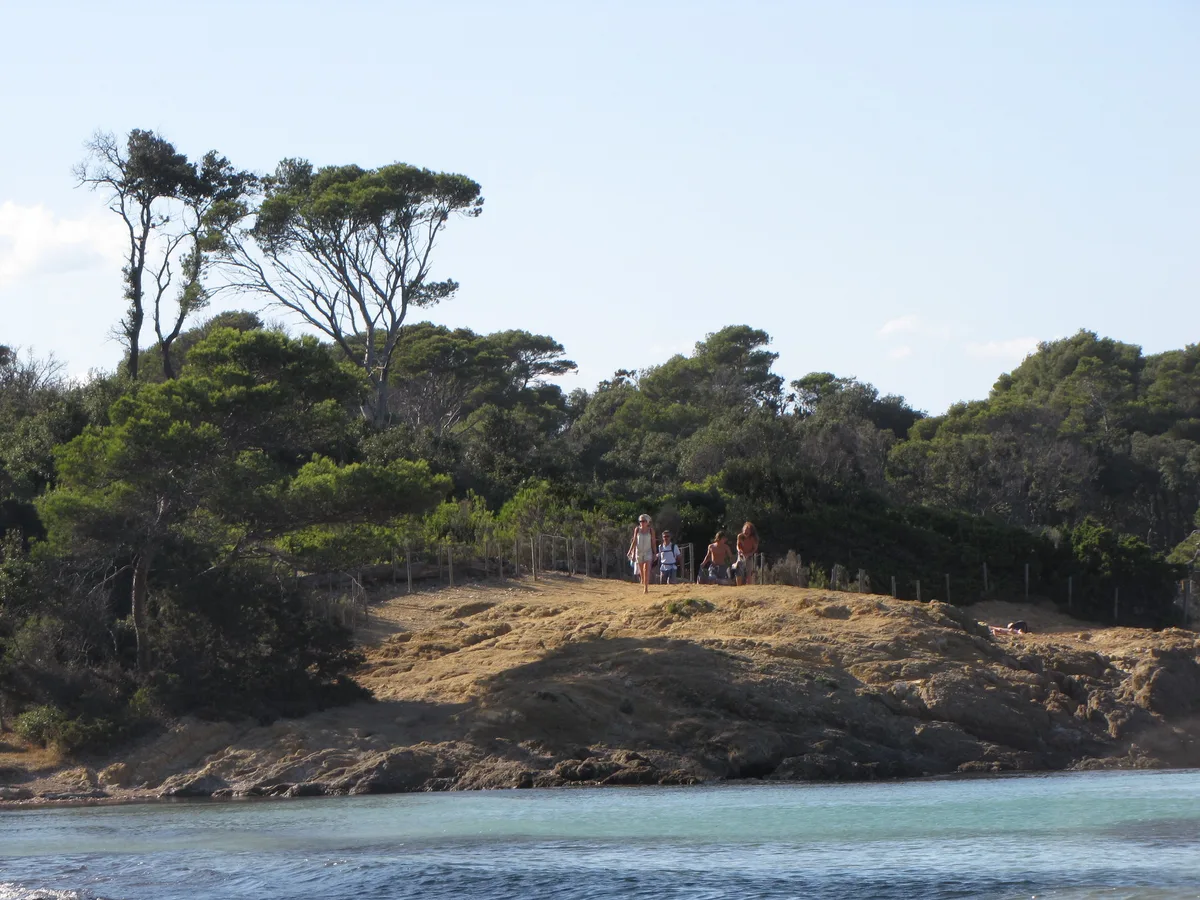
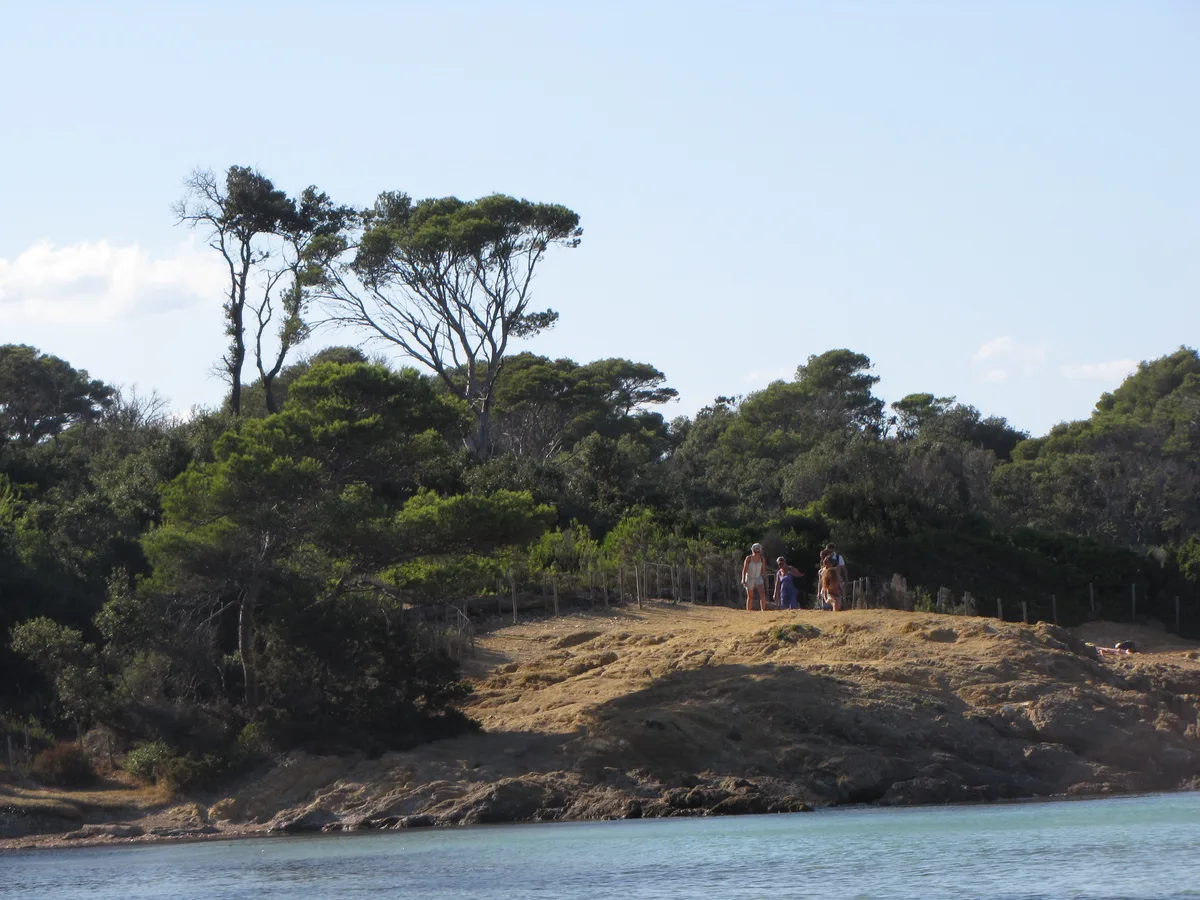
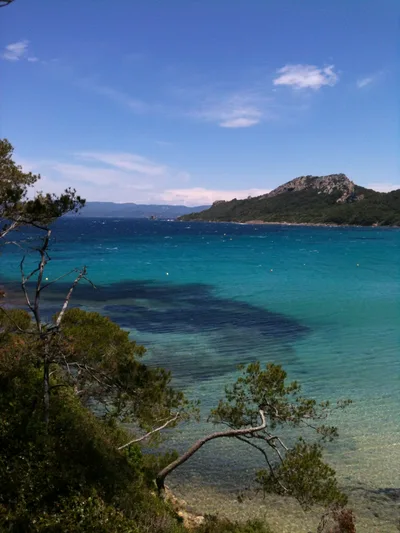
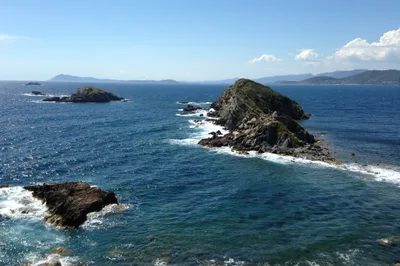
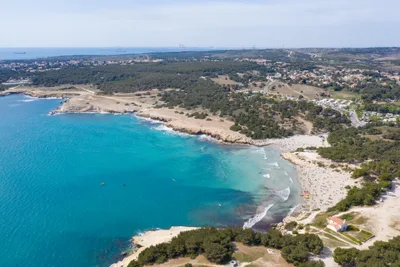
Plage d'Argent sits on Île de Porquerolles, a car-free island in the Îles d'Hyères off the Var coast of Provence-Alpes-Côte d'Azur. Roughly 386 metres of white sand curve around a shallow turquoise bay, sheltered by a canopy of umbrella pines that cast dappled shade even at midday. There are no permanent buildings on the beach itself — just sand, sea, and the scent of warm pine resin. Offshore, posidonia meadows anchor the bay's extraordinary water clarity and support the marine ecosystem protected under national park status. It's one of the most iconic beaches on the French Mediterranean coast, and the ferry ride from the Giens peninsula makes the approach feel like a proper island escape.
How to get there
Plage d'Argent is accessible by ferry only — there is no road connection and no cars exist on Porquerolles island. The most convenient crossing departs from La Tour Fondue on the Giens peninsula and takes around 20 minutes; a seasonal service also runs from Toulon, taking approximately 60 minutes. Once on the island, the beach is bike-accessible from the village — bicycles are available for hire there. There is no parking of any kind on the island.
Who it's for
For couples
The pine shade, car-free calm, and shallow turquoise water make Plage d'Argent a genuinely romantic escape — arrive early, claim a spot under the umbrella pines, and the beach feels almost private before the day-trippers disembark.
For families
The shallow, safe bay and white sand are ideal for young children, and the flat bike path from the village means the whole family can arrive without a stressful hike; note that dogs are banned June–September, so leave pets at home.
Our take
Plage d'Argent earns its reputation honestly: white sand, shallow turquoise water, umbrella pine shade, and zero cars make it one of the most complete beach experiences on the French Mediterranean coast. Swimming is safe, the bay is calm, and the national park protection means the setting has been kept genuinely intact — no beach bars, no permanent buildings, no clutter. The catch is popularity: July and August see the beach overwhelmed by mid-morning, and there's no lifeguard outside peak season, so plan accordingly. June and September hit the sweet spot — warm water, manageable visitor numbers, and the island at its most peaceful. The ferry-only access is a feature, not a flaw; it filters out casual visitors and keeps the experience grounded. Come for a full day, hire a bike, visit Fort Sainte-Agathe and the botanical conservatory, and stay for the late-afternoon light. Skip it in August unless you're on the first ferry out.
What to do
After the beach, rent a bike and pedal to Fort Sainte-Agathe, a short ride from the village. The Conservatoire Botanique National Méditerranéen de Porquerolles, about a kilometre from the village, preserves rare Mediterranean plant varieties including historic vine cultivars — a genuinely interesting stop for nature lovers. The snorkelling over the posidonia meadows just offshore is the beach's own best activity, and the calm, shallow bay makes it accessible for all ages. Parc National de Port-Cros, France's oldest marine national park, encompasses Port-Cros island and is worth a dedicated day trip for exceptional underwater biodiversity.
The view from the waterline looking back toward the umbrella pine canopy — white sand in the foreground, turquoise water behind you — is the defining shot of Plage d'Argent.
Shoot it at first light before the ferry traffic arrives for clean, people-free frames. The shallow bay's colour gradient, from pale aquamarine at the shore to deeper turquoise further out, also photographs beautifully from a slight elevation on the pine-shaded path at the beach's edge.
Where to eat
The village, a short bike ride from the beach, clusters several restaurants within easy reach: L'Arche de Porquerolles, L'Escale, La Calanque, and L'Oustaou are all around 1.2 kilometres away. L'Orangeraie, also at the same distance, rounds out the options. The beach itself has no food vendors or permanent facilities, so packing a picnic for a long morning session is a smart move.
Where to stay
Staying overnight on the island transforms the experience entirely — the day-trip visitors leave on the last ferry and the island quietens dramatically. Auberge des Glycines and Villa Sainte-Anne are both around 1.4 kilometres from the beach in the village. Booking well ahead is essential for any summer stay.
Photography
The best light hits the white sand and turquoise bay in the early morning, when the pine canopy filters a soft golden glow and the water is glassy before swimmers arrive — position yourself at the waterline looking back toward the pines for the classic shot. Late afternoon, when the sun drops behind the trees and casts long shadows across the sand, gives a moodier, less-visited frame that avoids the busiest part of the day.
Good to know
No cars, no campfires, and no camping are permitted on Porquerolles — the island is protected national park territory, so stay on marked paths at all times. Dogs are prohibited on the beach from June through September under national park regulations. July and August push the beach well beyond comfortable capacity by mid-morning on most days; arrive before 09:00 or after 17:00 if you visit in peak summer, or better yet, plan your trip in June or September. There is no lifeguard outside peak season, so swim with care if you're visiting in the shoulder months.
GAMES
🕹️ Five minutes of sand?
Three daily games — including the UV simulator set to this beach.
Map
Nearby places
L'Arche de Porquerolles
L'Escale
La Calanque
L'Oustaou
L'Orangeraie
Auberge des Glycines
Villa Sainte-Anne
Fort Sainte-Agathe
Conservatoire Botanique National Méditerranéen de Porquerolles
Parc National de Port-Cros
Things to see around Hyères
Fort Sainte-Agathe
Conservatoire Botanique National Méditerranéen de Porquerolles
National botanical conservatory preserving Mediterranean plant varieties including historic vine cultivars.
Parc National de Port-Cros
France's oldest marine national park, encompassing Port-Cros island with exceptional underwater biodiversity.
GIFT
🎁 Gift this beach
Its exact coastline, your date, your words — on a print or a PDF you print yourself.
Argent Beach
THAT DAY
Argent Beach, Provence-Alpes-Côte d'Azur
© OpenStreetMap contributors
Clean & decorative, or “That day” with the real sky of your date.
Shipping included 3-6 business days
A question before you order? Contact us
Delivered within minutes on the confirmation page and by email: a ZIP with all 4 print sizes (30×40 cm, 12×16″, 50×70 cm, 18×24″), each as a high-resolution PDF and PNG (300 dpi), plus a screen version. Print at home or at any print shop.
Please complete the delivery address.
Please accept the Terms of Sale.
Almost there — the shop opens very soon.
Secure payment · Printed locally in 30+ countries · 7 languages
Frequently asked
The information on this page is provided for guidance only and may evolve. Access conditions, safety and infrastructure can change without notice. Always check official sources before traveling.
Nearest beaches
Other family beaches in France
More beaches in Provence-Alpes-Côte d'Azur
Reviews of this beach
- No reviews yet, what a shame — leave yours and share your experience.
Photo credits
Sources and licenses for the photos shown above.
- Photo 1 — sgustin78 · source · CC BY-SA 2.0
- Photo 2 — sgustin78 · source · CC BY-SA 2.0
- Photo 3 — sgustin78 · source · CC BY-SA 2.0