Peleliu Orange BeachPalau Beach Guide
Where 1944's bloodiest landing meets the Pacific shore
 🎁 Gift idea: the star map of your most beautiful night↓
About
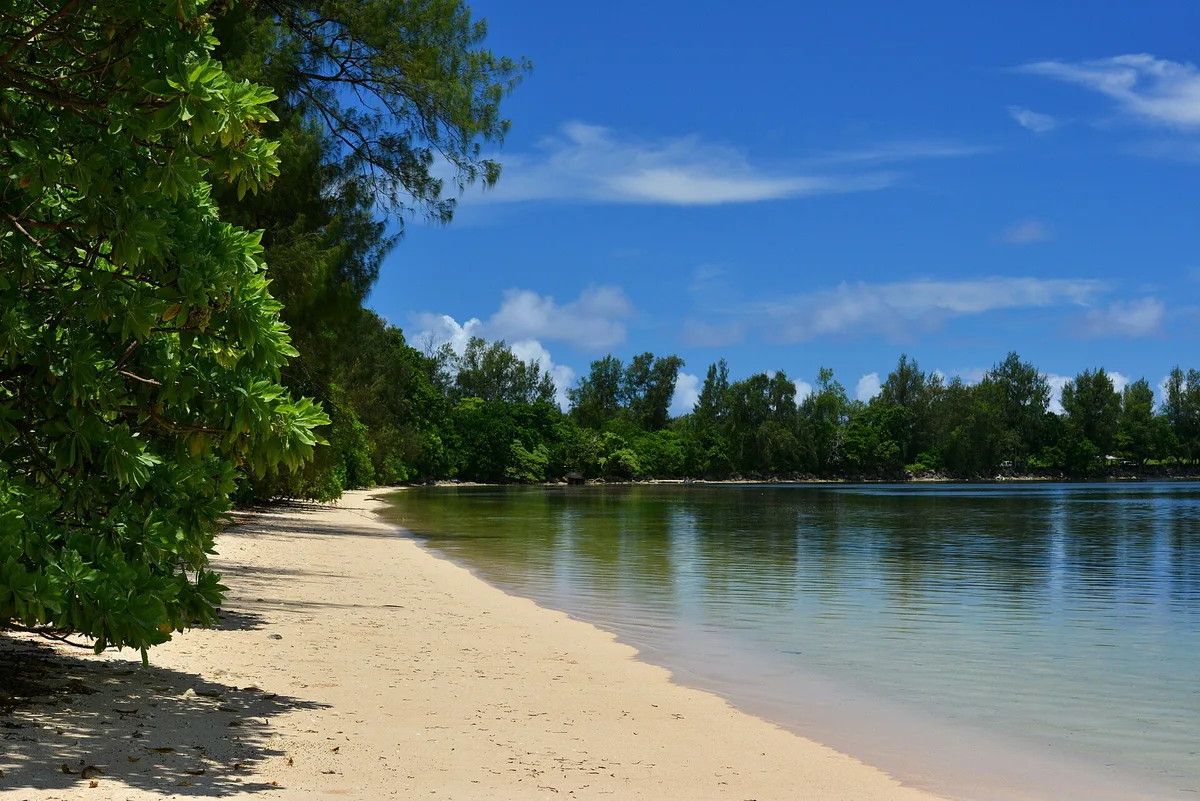
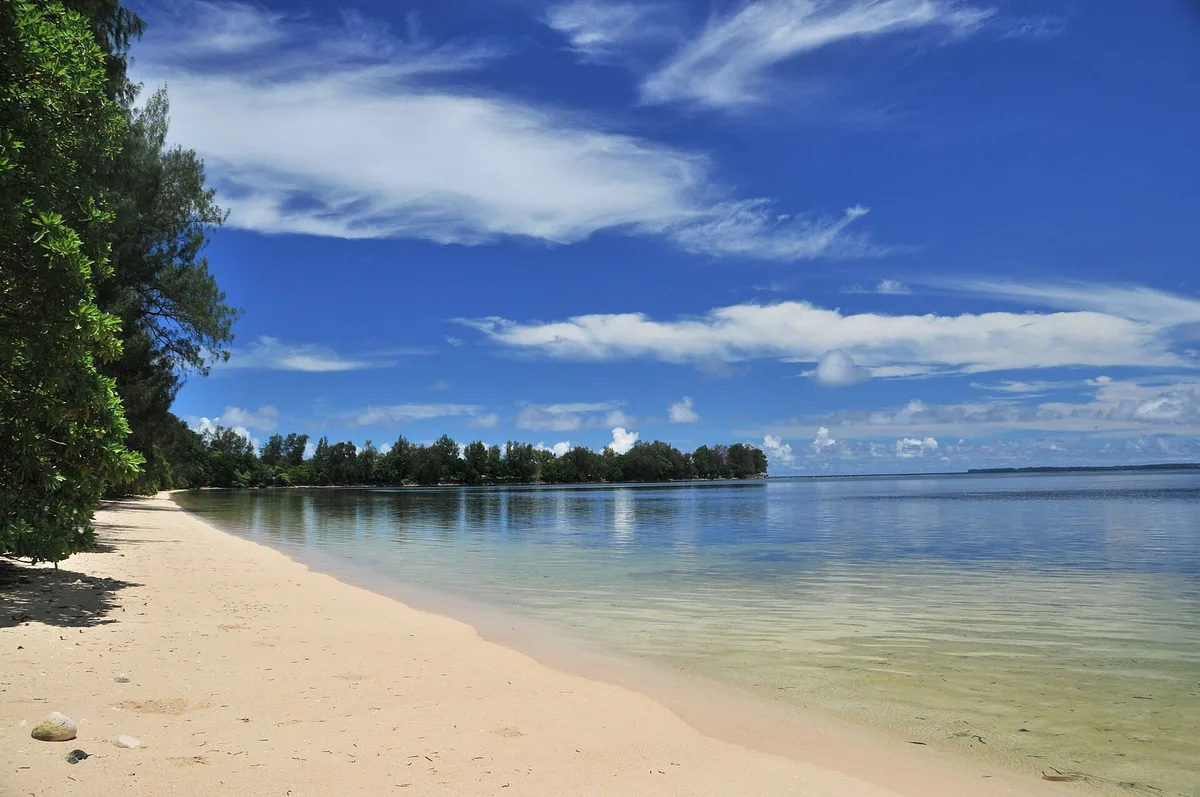
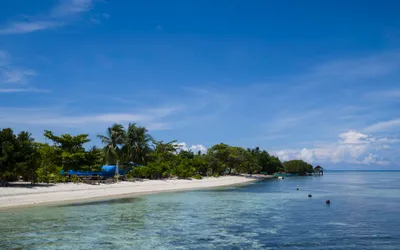
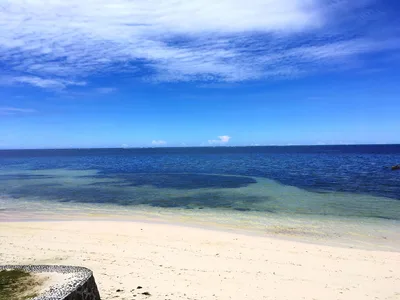
Peleliu Orange Beach sits on the island of Telkakl in Palau's Rock Islands, a stretch of coral-rubble-mixed shoreline fringed by dense palms and washed by deep blue Pacific water. This is the actual ground where US Marines stormed ashore in September 1944, and the weight of that history is palpable in every step across the uneven shore. WWII landing craft wreckage rests in situ along the beach, half-swallowed by decades of tide and coral growth, making this one of the most sobering open-air battlefield sites in the Pacific. The vibe is wild and quiet — no vendors, no facilities, no other visitors most days. It's a place that demands respect before it offers beauty.
How to get there
Peleliu Orange Beach is reachable only by boat — there is no road access whatsoever. A ferry runs twice a week from Koror's Malakal Harbor, with a journey time of approximately 120 minutes each way. Plan your visit around the ferry schedule and confirm departure days in advance, as missing the return crossing leaves you stranded. The nearest major airport is Roman Tmetuchl International Airport (ROR), roughly 54 km away in Koror.
Who it's for
For couples
For couples drawn to shared history and quiet reflection rather than sunbathing, Peleliu Orange Beach offers an experience that is genuinely rare — walking a real 1944 battlefield together, with no other visitors around and the Pacific stretching out in silence.
For families
The uneven coral rubble shoreline, dangerous swimming conditions, possible unexploded ordnance underfoot, and boat-only access with a twice-weekly ferry make this site unsuitable for young children. Older teenagers with a serious interest in WWII history may find it profoundly educational, provided adults supervise closely and all safety rules are followed.
Our take
Do not swim here — the water is dangerous, and that verdict stands regardless of how calm it looks on a dry-season morning. That said, Peleliu Orange Beach is one of the most historically significant and atmospherically powerful beaches in the entire Pacific, and it earns a visit on those terms alone. The WWII landing craft wreckage in situ, the coral-rubble shore, the silence — it all adds up to something that no resort beach can replicate. Getting here takes real commitment: a twice-weekly ferry from Malakal Harbor, 120 minutes each way, with no guarantee of comfort. Respect the site, follow Palauan law on artifacts, stay out of the sand where ordnance may lurk, and wear water shoes from the moment you step off the boat. Come in the dry season — November through April — and avoid December through February when eastern shore currents become especially hazardous. This is not a beach for relaxing; it's a place for bearing witness.
What to do
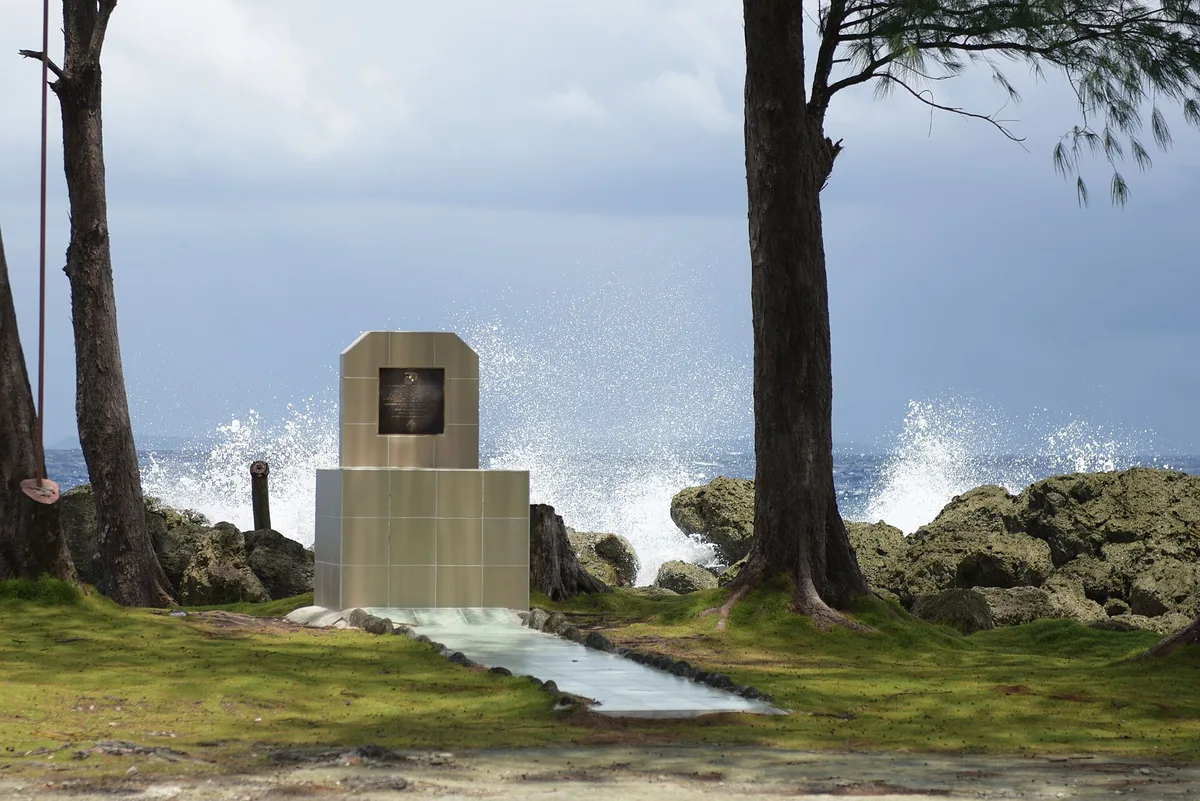
The battlefield context extends well beyond the shoreline: a Japanese Type 95 Tank sits just 0.6 km away, and a WWII Bomb Shelter is reachable within 1 km. The Memorial to the 1st Marine Division stands 1.3 km from the beach and is a moving stop for anyone who wants to understand the scale of what happened here. Nearby Peleliu White Beach (2 km) preserves landing craft ramp remnants from the same 1944 operation, while Bloody Nose Ridge (2 km) holds preserved Japanese fortifications. The Peleliu War Museum, just 1 km away, provides essential historical context before or after you walk the shore.
The WWII landing craft wreckage half-submerged at the water's edge is the defining shot — frame it against the deep blue Pacific at low tide for maximum impact.
The palm-fringed shoreline looking back from the water line captures the wild, untouched character of the mixed coral-rubble beach with no human infrastructure in sight. For a wider historical composition, the approach from the ferry with the dense tree line and open shore gives a sense of the scale that Marines faced in 1944.
Where to eat
There are no restaurants, cafés, or food vendors at Peleliu Orange Beach or within practical reach of the site. Bring everything you need for the day from Koror before boarding the ferry — water, food, and any supplies. Do not count on finding anything on-site.
Where to stay
There is no accommodation at or near Peleliu Orange Beach itself. Base yourself in Koror, where lodging options exist close to Malakal Harbor, and plan the visit as a long day trip timed around the twice-weekly ferry.
Photography
The most striking images come from the landing craft wreckage at the waterline, especially in the low-angle light of early morning when the deep blue water contrasts against the rusted steel and coral-rubble shore. The dense palm fringe behind the beach frames wide shots with a layered, jungle-meets-history composition that is unlike any other Pacific beach scene.
Good to know
Wear water shoes — the coral rubble shoreline is uneven and will cut bare feet without mercy. Do not remove any WWII artifacts: this is protected under Palauan law, and violations carry serious penalties. Do not dig or disturb the sand anywhere on the beach — unexploded WWII ordnance has been documented in the area and poses a genuine risk. Avoid visiting December through February, when currents on the eastern shore intensify significantly; swimming is dangerous here year-round regardless of season. This is a true digital-detox destination — bring offline reading, because cell signal fades and there is nowhere to charge a device.
GAMES
🕹️ Five minutes of sand?
Three daily games — including the UV simulator set to this beach.
Map
Nearby places
Things to see around Peleliu State
Peleliu White Beach
WWII landing site beach on Peleliu's western shore with landing craft ramp remnants.
Bloody Nose Ridge
Key WWII battlefield with preserved Japanese fortifications and memorials.
Peleliu War Museum
Small museum documenting the 1944 Battle of Peleliu.
GIFT IDEA · MARCEL ET LES BLONDES
🎁 Give a moment, not a thing
What’s the occasion?
 💑 Dating anniversaryTwo dates, two starry skies
 💍 Wedding anniversaryCotton, silver, golden…
 🎂 BirthdayTheir own newspaper front page
 👶 New babyThe stars on the day they were bornValentine’s DayOur two moons, as a print
Shipping €5, free from €49 · made to order, shipped within 48 hAlso: our engraved wooden bracelets, €23.90 →
Frequently asked
The information on this page is provided for guidance only and may evolve. Access conditions, safety and infrastructure can change without notice. Always check official sources before traveling.
Other beaches in the region
Reviews of this beach
- No reviews yet, what a shame — leave yours and share your experience.
Photo credits
Sources and licenses for the photos shown above.
- Photo 1 — Babiesan · source · CC BY-SA 3.0
- Photo 2 — Babiesan · source · CC BY-SA 3.0
- Photo 3 — U.S · source · Public Domain