Ngeruktabel South CovePalau Beach Guide
A wild karst cove at the edge of Palau's Rock Islands
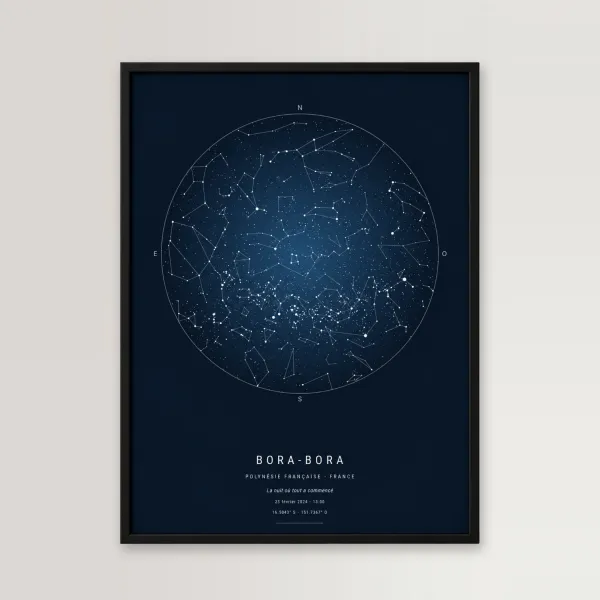
 🎁 Gift idea: the star map of your most beautiful night↓
About
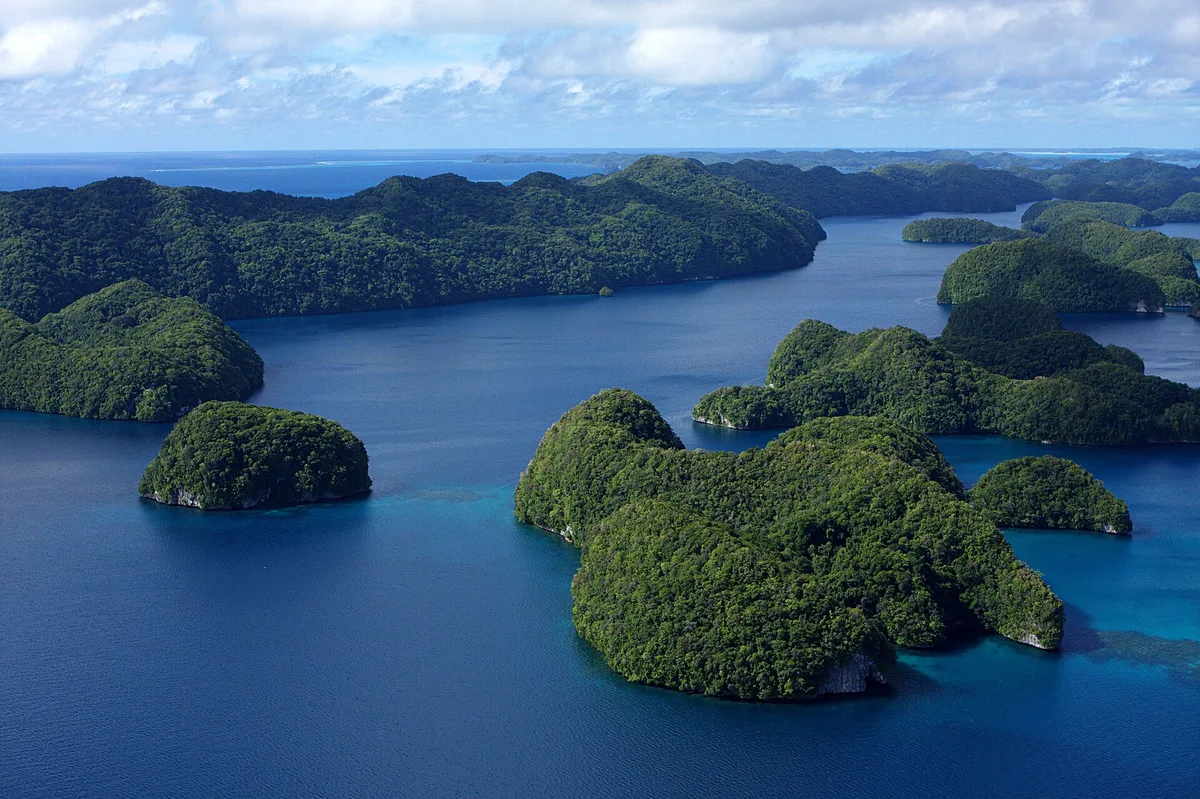
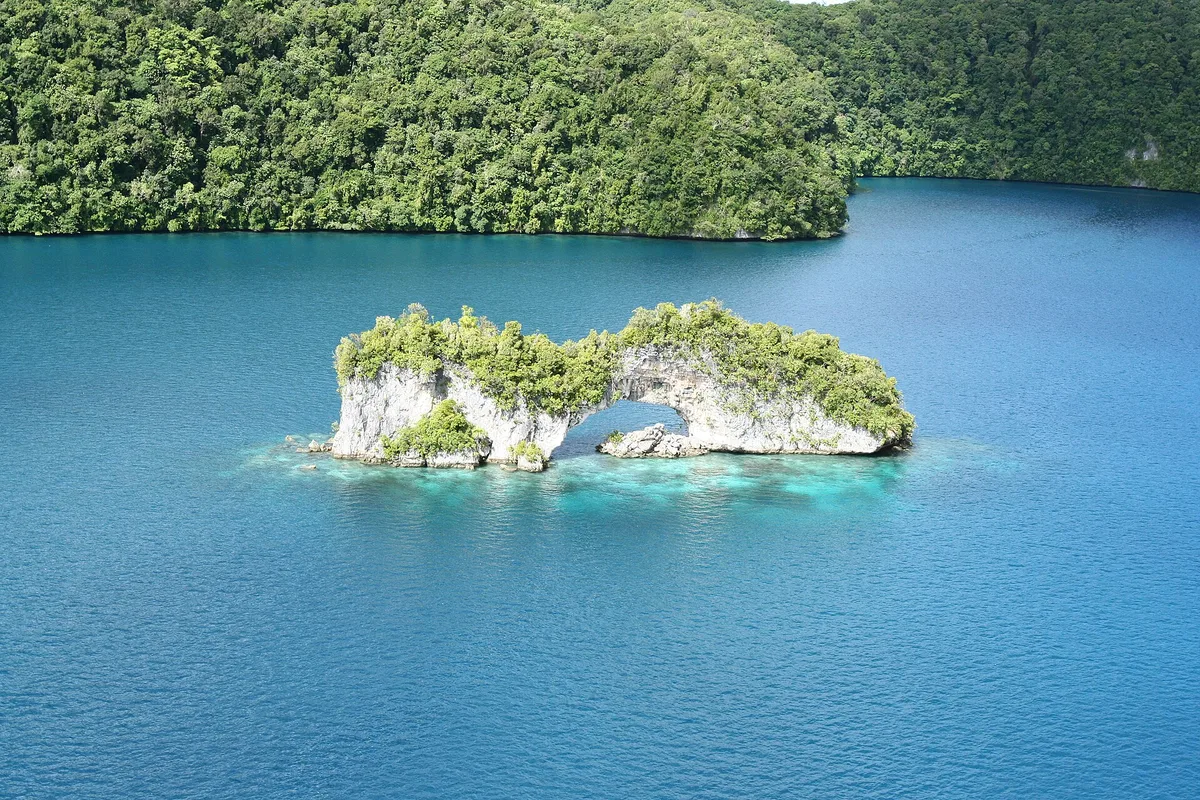
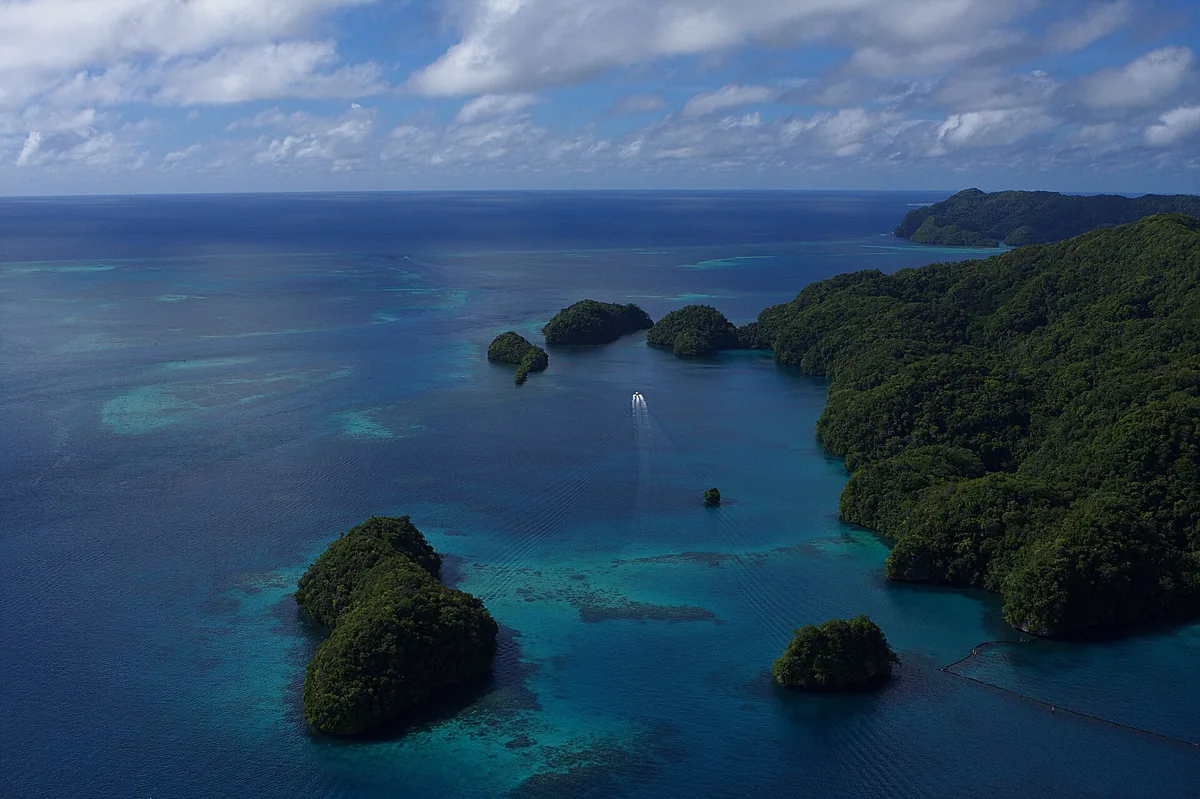
Ngeruktabel South Cove is a compact, boat-access-only pocket of white sand tucked beneath deep-cut karst limestone walls in Palau's Rock Islands Southern Lagoon. The cove is barely 60 metres wide, enclosed on three sides by dramatic geological formations that plunge straight into crystal-clear water — a setting that feels more like a secret chamber than a beach. A temperature gradient in the shallows hints at geological activity beneath the sand, making this one of the more unusual sensory experiences in Micronesia. Almost no one comes here; on most days the only sounds are water lapping against ancient limestone and the occasional kayak paddle breaking the surface. It's raw, it's remote, and it demands respect.
How to get there
Ngeruktabel South Cove has no road access whatsoever — the only way in is by boat or kayak from Koror or Malakal Harbor, roughly a 60-minute journey on demand. This is a serious expedition stop, not a day-trip add-on; plan your charter or multi-day kayak route accordingly. A Rock Island Use Permit is required for entry, currently priced at USD 50, covering access to designated tourist activity areas within the Rock Islands Southern Lagoon Management Area. There is no parking of any kind — your vessel is your only transport.
Who it's for
For couples
The near-total solitude and dramatic limestone enclosure make this one of Palau's most genuinely private spots — if you're prepared for the paddle and the permit, you'll likely have the white sand entirely to yourselves. It's an expedition, not a resort beach, so come ready for that kind of adventure together.
For families
The difficult boat-only access, absence of any facilities, remote location with no emergency services, and the presence of sharks in surrounding waters make this cove unsuitable for families with young children. Ngederrak Marine Sanctuary or Long Beach are better-equipped Rock Islands alternatives for a family day on the water.
Our take
Ngeruktabel South Cove is not a beach you stumble upon — it takes a permit, a boat, 60 minutes of open water, and a genuine willingness to be somewhere with no safety net. Sharks are present in these waters, there are no emergency services, and rough weather can pin you inside those limestone walls; treat every one of those facts seriously before you go. That said, for experienced paddlers and geology-minded travellers who plan carefully and visit in the dry season (November to April), this is one of the most singular spots in the Pacific — a white-sand floor, crystal-clear water, and karst walls that have been shaping themselves for millennia. Skip July through September without exception. Come prepared, come self-sufficient, and leave exactly as you found it — the Palau Pledge isn't a formality here, it's the reason this place still looks the way it does.
What to do
The cove itself is the main event — the geological curiosity of the karst walls and the temperature gradient in the shallows reward slow, observant exploration. Paddlers on multi-day Rock Islands kayak expeditions often use this as a rest stop, and the surrounding lagoon connects to Ngeruktabel North Beach, about 3 km away, where mushroom limestone cliffs frame another sheltered white-sand pocket. Further afield, Ngederrak Marine Sanctuary (5 km) offers strictly protected waters with exceptional snorkelling, and Long Beach (10 km) is Palau's most-photographed karst beach if you want a contrast to the cove's seclusion.
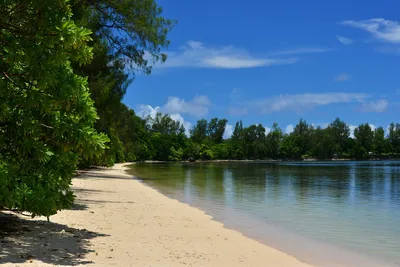
The interior of the cove shot from water level — white sand, crystal-clear water, and sheer limestone walls converging overhead — is the defining frame.
The narrow cove mouth, photographed from a kayak just outside looking inward, captures the geological drama of the karst enclosure against the open lagoon beyond.
Where to eat
There are no food or drink facilities at the cove — pack everything you need before you leave the harbour. Back on Malakal, Drop Off Bar and Grill and Krämer's Bar and Restaurant are both within 200 metres of the embarkation area and are well-regarded by locals and visiting divers alike. Sam's Tours Palau, also nearby, is a practical post-expedition stop for a meal and trip debriefing.
Where to stay
Palau Royal Resort and West Plaza Malakal are the closest bases, both within 300 metres of Malakal Harbor where your boat departs. Landmark Marina Hotel and Cliffside Hotel are slightly further out at around 1.2–1.4 km but still convenient for an early-morning departure. Book ahead — Palau's accommodation options are limited relative to demand.
Photography
The most striking shots come from water level inside the cove, pointing upward at the deep-cut karst walls with the white sand and crystal-clear water in the foreground — morning light, when the sun clears the limestone rim, gives the best contrast. The narrow cove entrance framed against open lagoon blue makes a strong compositional shot from a kayak just outside the mouth, ideally in the flat-calm conditions of the dry season.
Good to know
No fishing is permitted anywhere in the Rock Islands, and you must sign and honour the Palau Pledge before visiting — both are non-negotiable conditions of your permit. The remote location has zero emergency services, so carry a first-aid kit, a VHF radio, and a float plan lodged with someone onshore. Sharks are present in Palau waters; exercise genuine caution when entering the water and avoid erratic movement near the cove walls. The deep-cut limestone walls can trap wind and swell in rough weather, making exit difficult — check forecasts carefully and avoid July, August, and September when typhoon-season seas make kayak access dangerous.
GAMES
🕹️ Five minutes of sand?
Three daily games — including the UV simulator set to this beach.
Map
Nearby places
Drop Off Bar and Grill
Krämer’s Bar and Restaurant
Palm Bay Bistro
Sam's Tours Palau
Carp Restaurant
Palau Royal Resort
West Plaza Malakal
Landmark Marina Hotel
Cliffside Hotel
Paradise Comfort
Palau Mariculture Demonstration Center
Things to see around Koror State
Ngeruktabel North Beach
Sheltered white-sand pocket on Ngeruktabel's northern tip with mushroom limestone cliffs.
Ngederrak Marine Sanctuary
Strictly protected marine sanctuary with exceptional snorkeling.
Long Beach
Palau's most-photographed white-sand karst beach.
GIFT IDEA · MARCEL ET LES BLONDES
🎁 Give a moment, not a thing
What’s the occasion?
 💑 Dating anniversaryTwo dates, two starry skies
 💍 Wedding anniversaryCotton, silver, golden…
 🎂 BirthdayTheir own newspaper front page
 👶 New babyThe stars on the day they were bornValentine’s DayOur two moons, as a print
Shipping €5, free from €49 · made to order, shipped within 48 hAlso: our engraved wooden bracelets, €23.90 →
Frequently asked
The information on this page is provided for guidance only and may evolve. Access conditions, safety and infrastructure can change without notice. Always check official sources before traveling.
Other beaches in the region
Reviews of this beach
- No reviews yet, what a shame — leave yours and share your experience.