Hill Inlet BeachAustralia Beach Guide
Where tidal art meets wild Whitsunday silence
 🎁 Gift idea: the star map of your most beautiful night↓
About
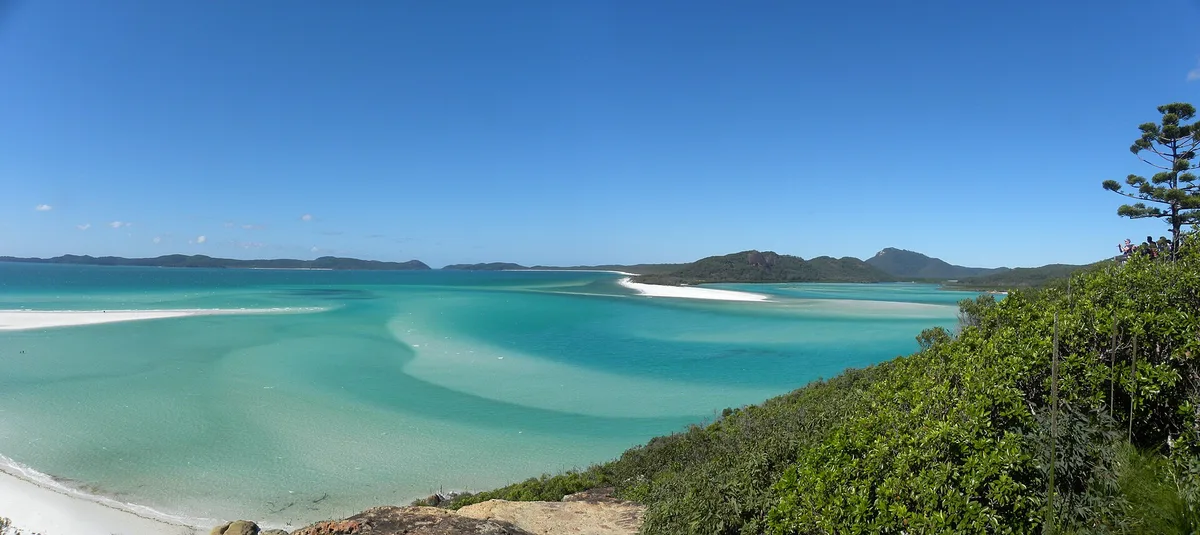
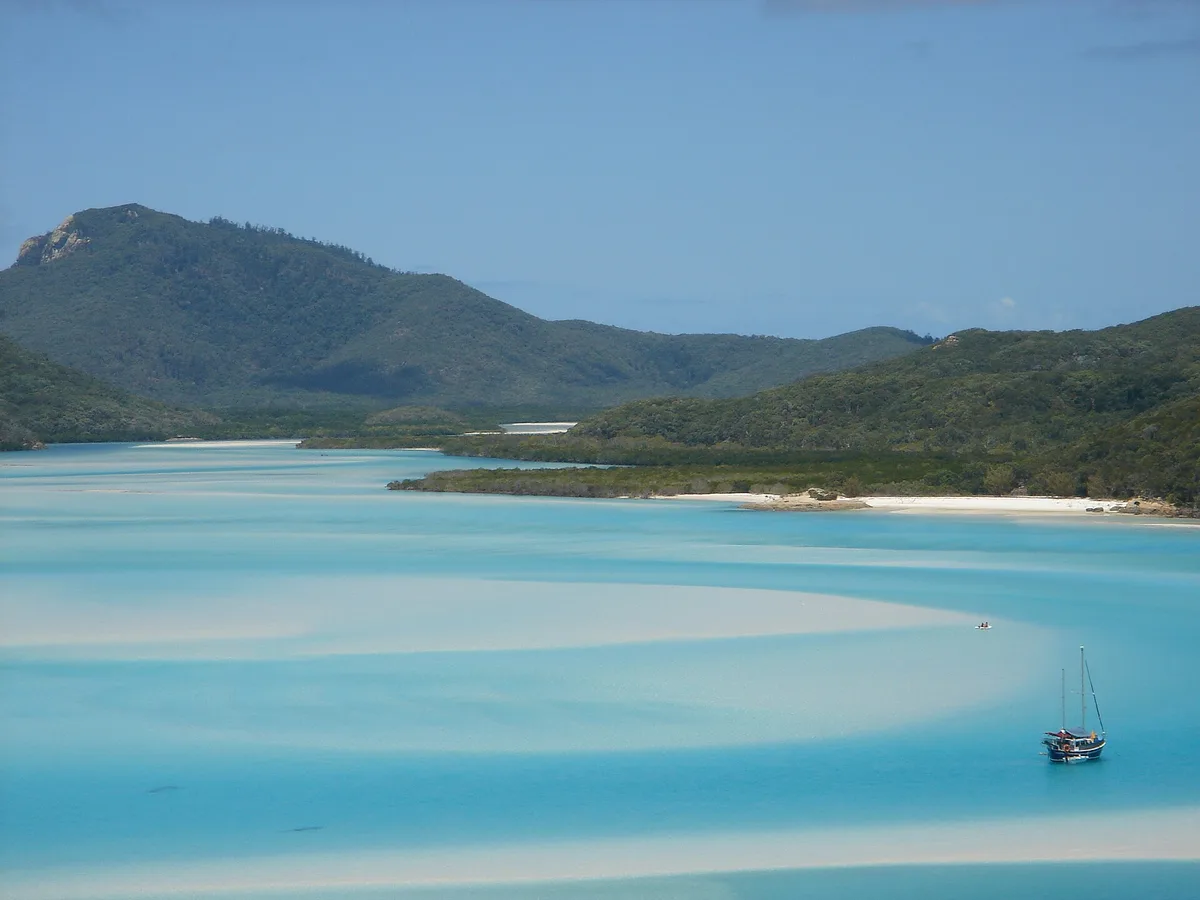
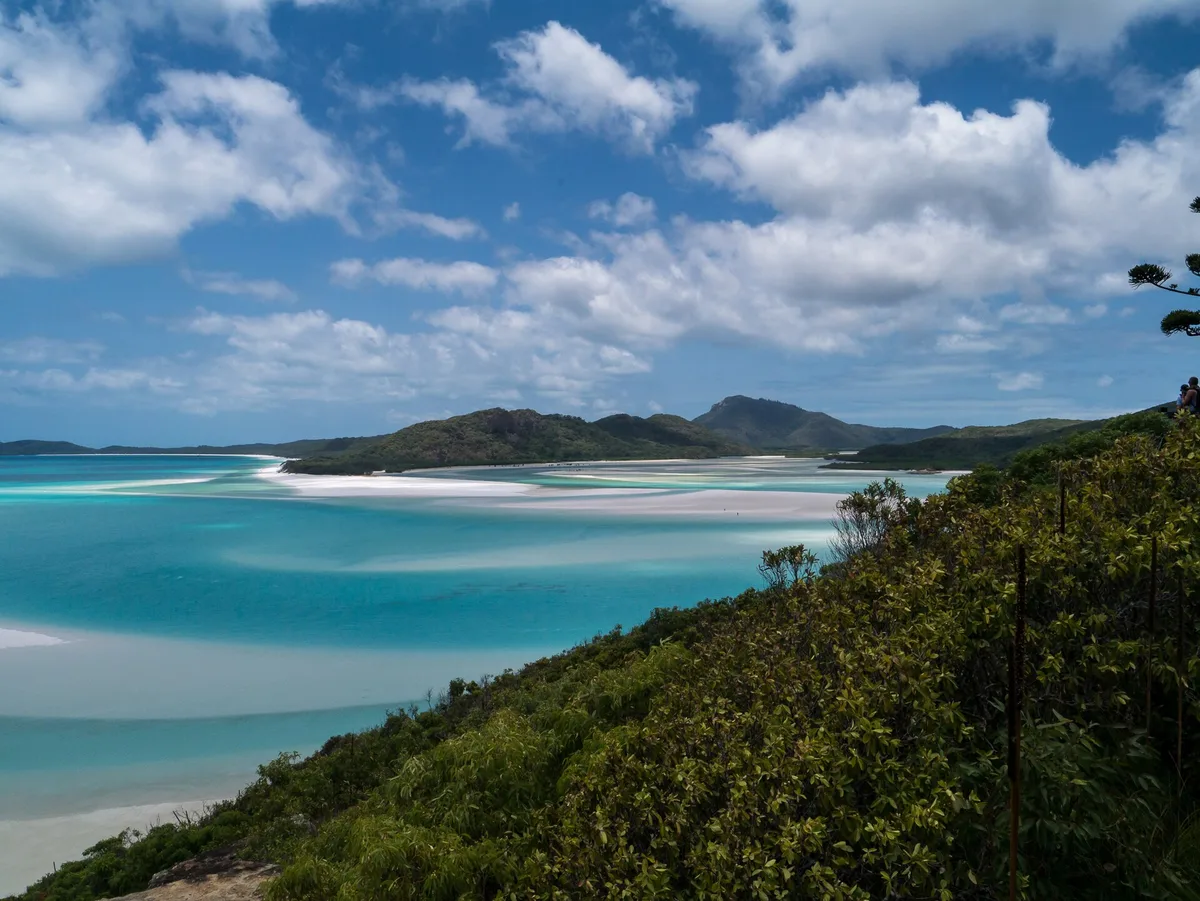
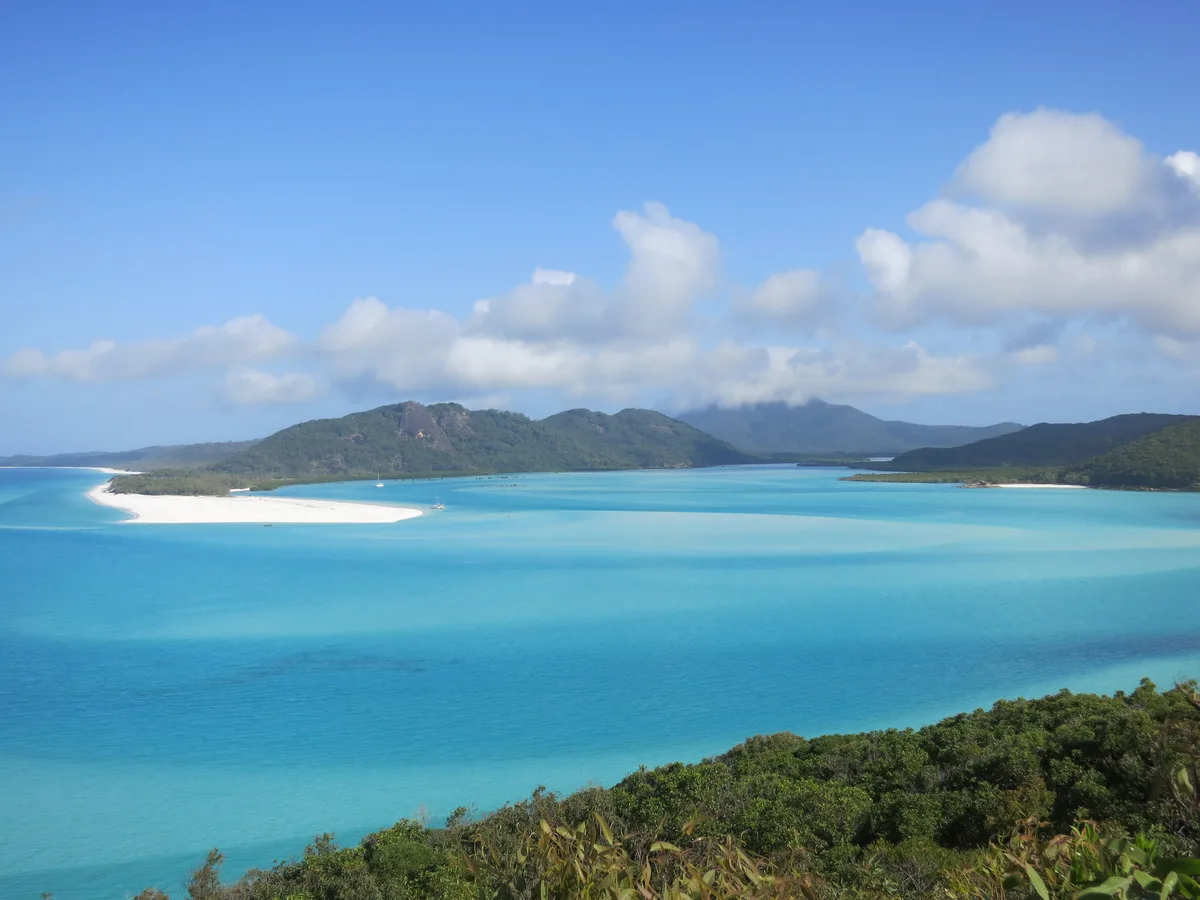
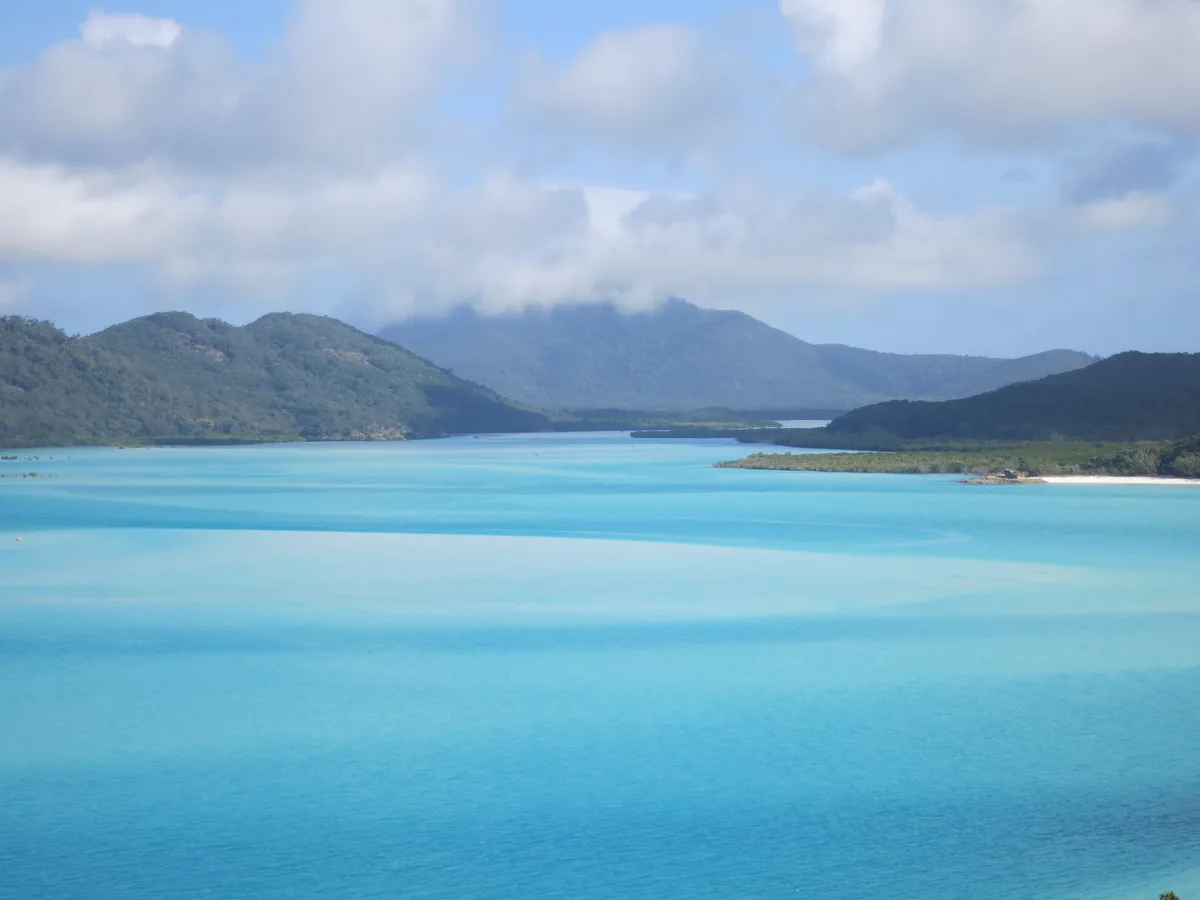
Hill Inlet is a tidal inlet on the northern tip of Whitsunday Island, where swirling white silica sand and turquoise water rearrange themselves with every tide into patterns that look painted rather than natural. The inlet stretches roughly 1,500 metres of raw, infrastructure-free shoreline — no sunbeds, no kiosks, no footprints until the first boat arrives. Shifting sandbanks rise and sink with each tidal cycle, meaning the landscape you photograph at 9am simply won't exist by noon. It sits inside Whitsunday Islands National Park, one of 74 islands protected for their coral reefs and silica-sand beaches. The vibe is uncompromisingly wild.
How to get there
Hill Inlet is boat-access only — there is no road, no bridge, and no way to walk in. From Airlie Beach or Shute Harbour, daily ferries make the crossing in roughly 90 minutes; from Hamilton Island Marina, a boat charter takes around 50 minutes. Vessels anchor in Tongue Bay, and you reach the beach over soft sand from there. No entry fee is listed for the beach itself, but camping requires a QPWS permit obtained in advance.
Who it's for
For couples
The absence of any beach infrastructure and the near-silence between boat arrivals make Hill Inlet one of the few places in the Whitsundays where you can stand on white sand beside turquoise water and genuinely feel alone — a rare thing in this region.
For families
Families should plan carefully: the lookout trail involves uneven terrain, there are no facilities whatsoever on the beach, and stinger suits are required for anyone considering the water between October and May — younger children need close supervision near the tidal inlet channels where currents run strong.
Our take
Let's be direct about what Hill Inlet is and isn't. It is one of the most visually arresting tidal landscapes in Australia — white silica sand and turquoise water rearranging themselves twice a day into compositions no photographer could plan. It is not a swimming beach: tidal currents in the inlet channels are strong, stinger season covers more than half the year, and the water demands respect rather than casual entry. The lookout platform at Tongue Point is the real destination, and timing your arrival to coincide with low tide is non-negotiable — get that wrong and the spectacle is largely hidden. True digital-detox territory: there's no signal worth relying on, nowhere to plug in, and the silence between boat arrivals is part of the experience. Come in the dry season between May and October, check the tide tables before you book your ferry, and bring everything you need because the island will provide nothing. Worth every logistical effort.
What to do
The Hill Inlet Lookout Platform at Tongue Point is the centrepiece — a short trail over uneven terrain rewards you with an elevated view of the swirling sand-and-water patterns below, and it's the single best vantage point on the island. Four kilometres south, Whitehaven Beach offers seven kilometres of the same silica-white sand along a more open coastline, making it a natural pairing on any day trip. The surrounding Whitsunday Islands National Park encompasses 74 islands and is worth understanding as a whole — the inlet is just one chapter. For those willing to travel 45 kilometres further out, Hardy Reef's heart-shaped coral formation at the outer Great Barrier Reef is a separate excursion entirely.
The Tongue Point lookout platform delivers the iconic overhead angle — white silica sand swirling through turquoise water in abstract tidal patterns that change with every visit.
At water level, the foreground of wet sand reflecting the turquoise inlet against an empty horizon is equally striking, especially in the low-angle light of early morning when the first ferry arrives.
Where to eat
There is no food, no café, and no vendor of any kind at Hill Inlet. Bring everything you need from Airlie Beach or Hamilton Island before you board — and pack out every wrapper, because this is a national park with no bins on site.
Where to stay
There is no accommodation at Hill Inlet itself. Camping on Whitsunday Island requires a QPWS permit arranged well in advance; without one, you must return to the mainland or Hamilton Island by boat at the end of the day.
Photography
The Tongue Point lookout platform is the prime shooting position — arrive at or just before low tide for maximum sand exposure and the full swirling white-and-turquoise composition below. Drone photographers get extraordinary aerial geometry here, but must carry both a CASA permit and QPWS approval before any flight.
Good to know
Plan your visit around low tide — that's when the sandbanks are fully exposed and the swirling white-and-turquoise patterns are at their most dramatic; arrive at high tide and you may find much of the spectacle submerged. Stinger season runs October through May: box jellyfish and other marine stingers are present in these waters, so a full stinger suit is not optional, it's essential — do not enter the water without one during those months. Drone pilots must carry both a CASA permit and written QPWS approval before launching; flying without both is illegal inside the national park. No fires are permitted anywhere on the island, and no pets are allowed under any circumstances.
GAMES
🕹️ Five minutes of sand?
Three daily games — including the UV simulator set to this beach.
Map
Nearby places
Hill Inlet Lookout Platform
Whitehaven Beach
Whitsunday Islands National Park
Hardy Reef (Heart Reef)
Things to see around Whitsunday Island
Whitehaven Beach
Seven-kilometre silica sand beach directly south of Hill Inlet
Whitsunday Islands National Park
32-island national park protecting coral reefs and silica-sand beaches
Hardy Reef (Heart Reef)
Outer Great Barrier Reef pontoon site with heart-shaped coral formation
GIFT IDEA · MARCEL ET LES BLONDES
🎁 Give a moment, not a thing

What’s the occasion?
 💑 Dating anniversaryTwo dates, two starry skies
 💍 Wedding anniversaryCotton, silver, golden…
 🎂 BirthdayTheir own newspaper front page
 👶 New babyThe stars on the day they were bornValentine’s DayOur two moons, as a print
Shipping €5, free from €49 · made to order, shipped within 48 hAlso: our engraved wooden bracelets, €23.90 →
Frequently asked
The information on this page is provided for guidance only and may evolve. Access conditions, safety and infrastructure can change without notice. Always check official sources before traveling.
Other beaches in the region
Other wild beaches in Australia
Reviews of this beach
- No reviews yet, what a shame — leave yours and share your experience.