Gato Island BeachPhilippines Beach Guide
Wild, snake-filled sanctuary where divers go deep
About
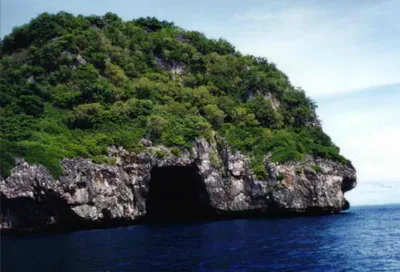
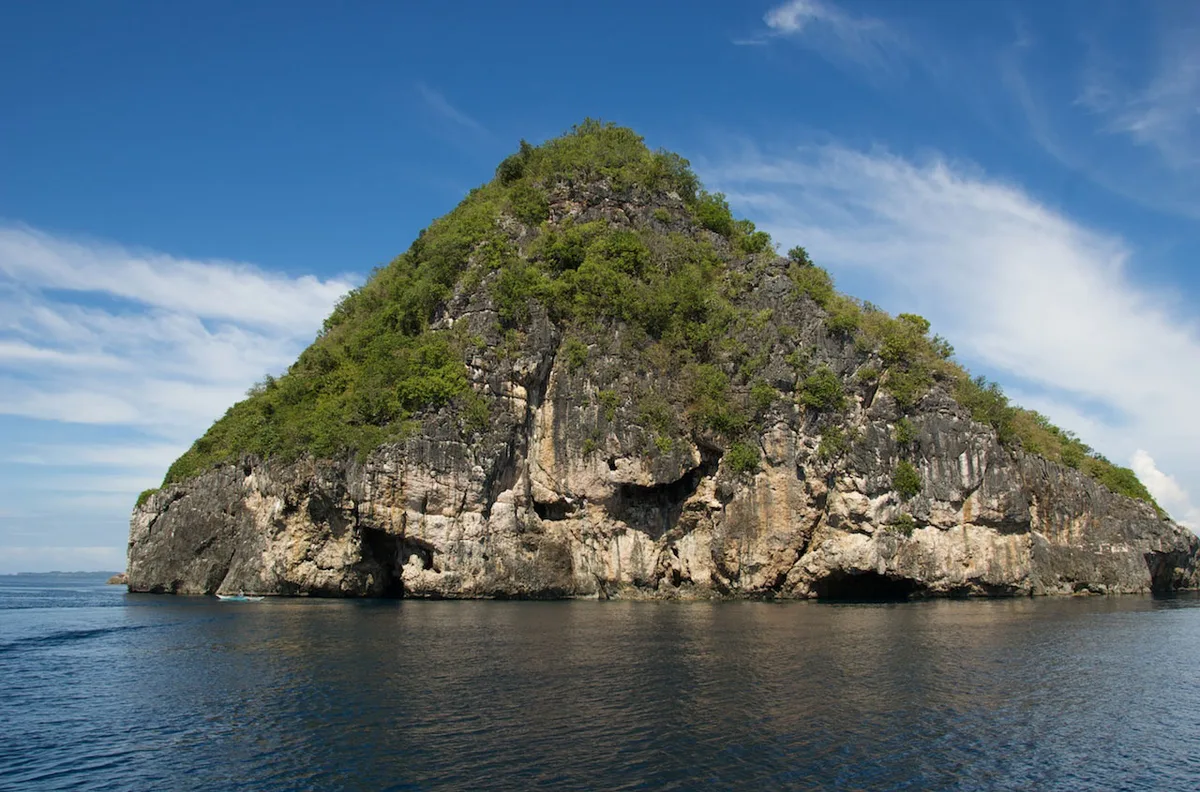
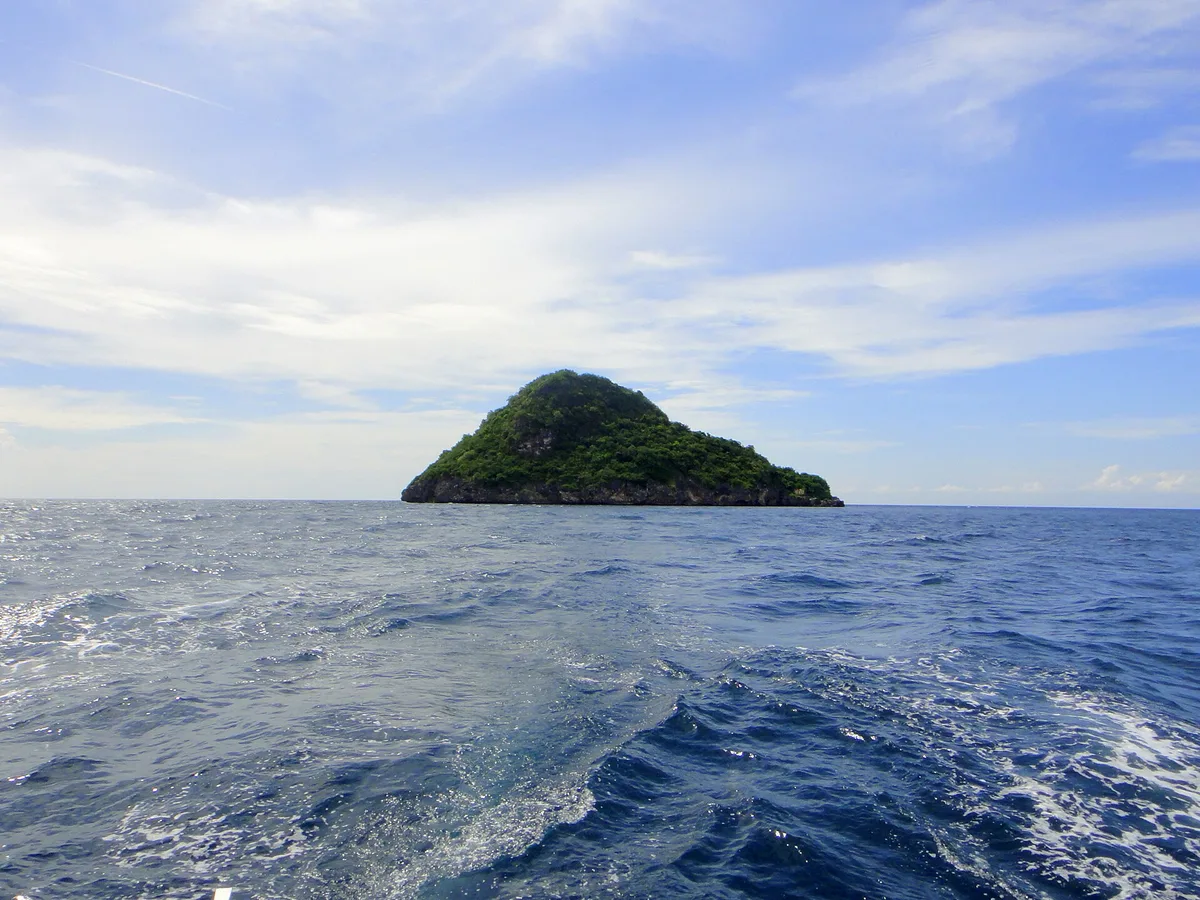
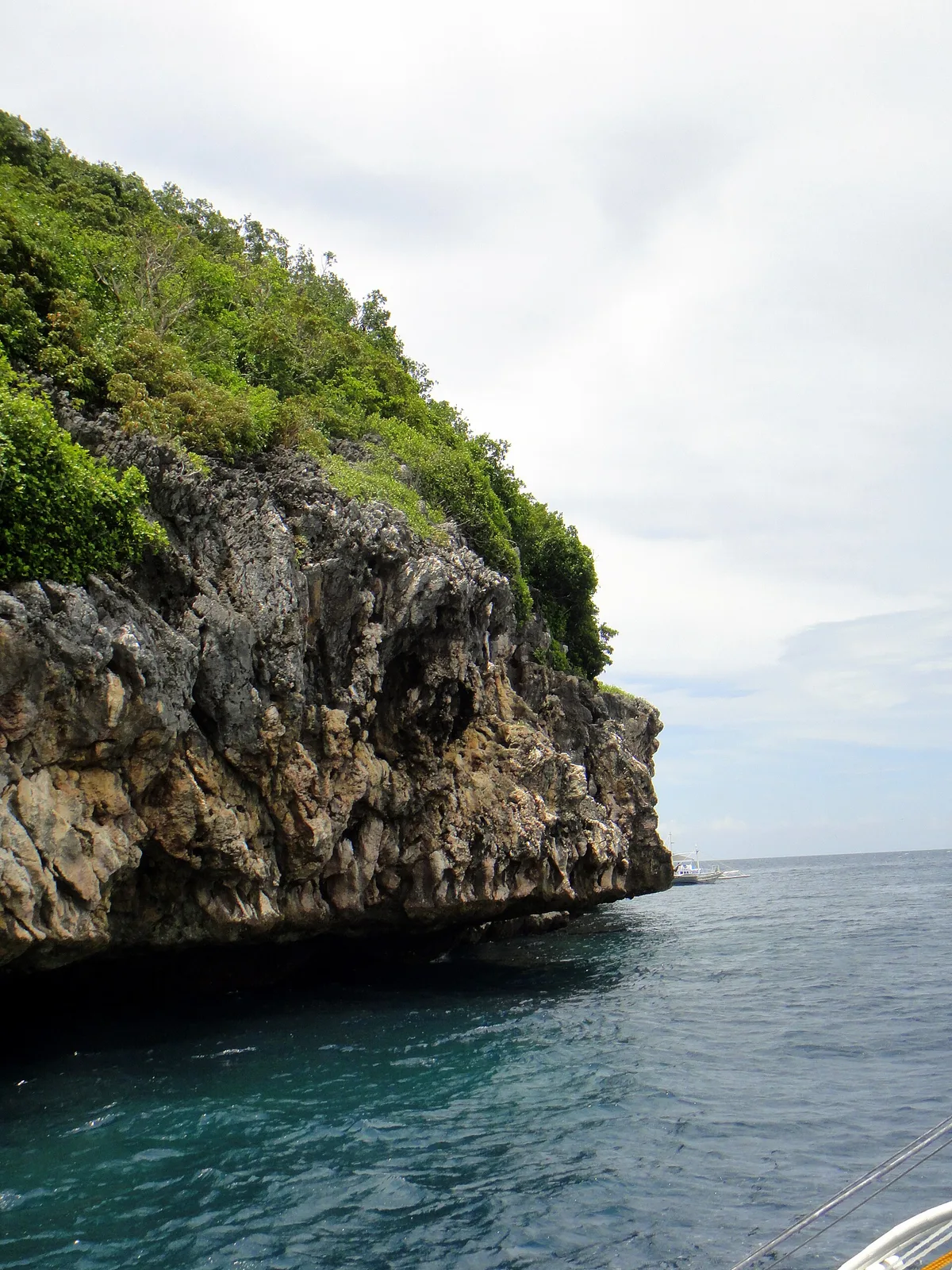
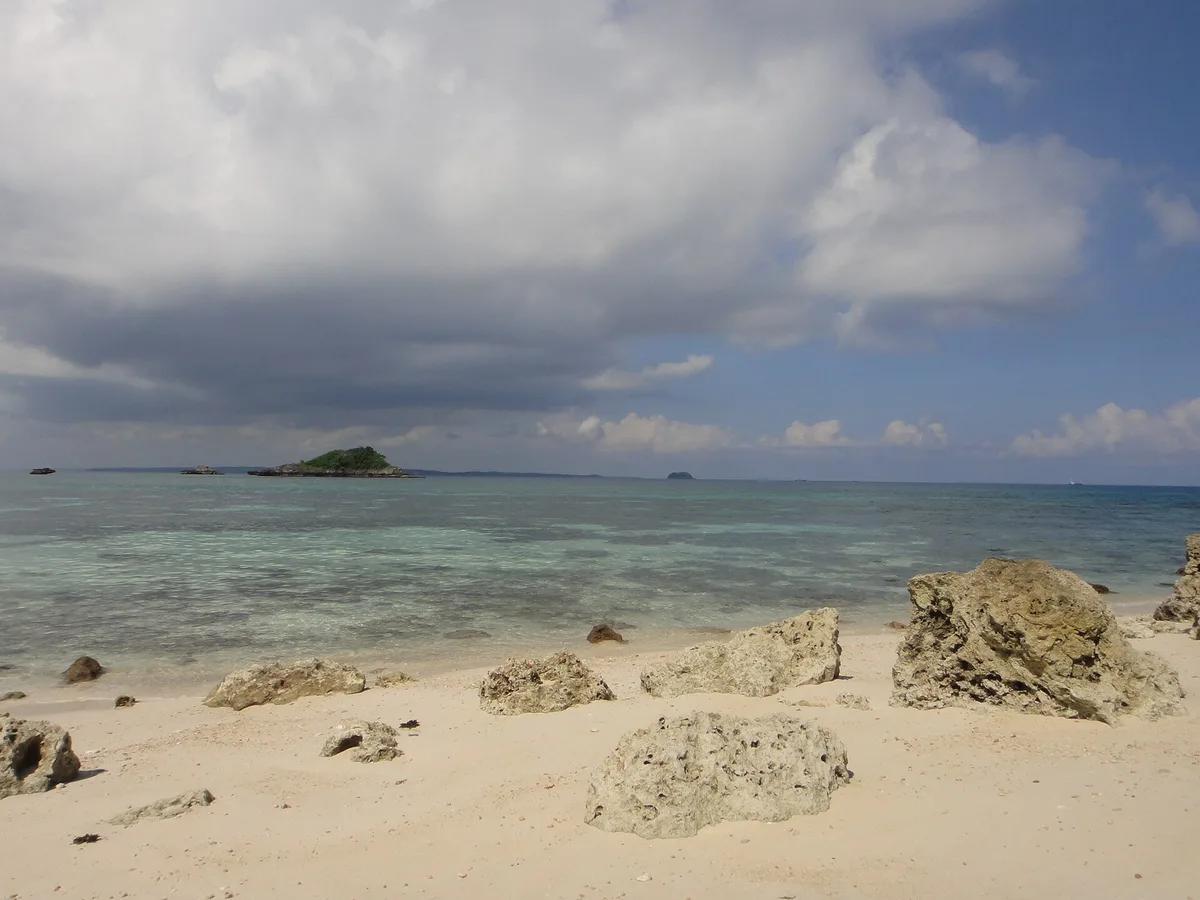
Gato Island sits off the northern tip of Cebu — an uninhabited limestone outcrop rising from crystal-clear water, with no sand, no facilities, and no concessions to comfort. The shoreline is raw rock, the kind that demands sturdy footwear and careful footing when you step off the bangka. Below the surface, underwater limestone caves thread through the island's foundations, and the surrounding waters serve as a breeding habitat for sea snakes — banded, unhurried, and venomous. It's a marine sanctuary in the truest sense: the rules are real, the wildlife is wild, and the island doesn't care whether you're ready for it. Fewer than 80 metres of rocky cove separate the jungle interior from open sea, and on most days you'll have every inch of it to yourself.
How to get there
Gato Island is reachable only by boat — there is no road, no jetty infrastructure, and no way to arrive any other way. Arrange a bangka from Bounty Beach on Malapascua Island; the crossing takes roughly 50 minutes and runs on demand, so coordinate with a local boatman or dive operator the day before. Landing is a rocky cove scramble — no ramp, no pier, and no accessibility for anyone with limited mobility. A conservation entry fee of PHP 100–200 is collected on arrival and goes directly toward marine sanctuary upkeep.
Who it's for
For couples
Gato Island suits couples who share a serious interest in diving or wildlife — the raw, unpeopled atmosphere creates genuine solitude, but the rocky terrain and absence of any comfort makes it a poor fit for a romantic beach day in the conventional sense.
For families
Gato Island is not suitable for families with children. Swimming is dangerous, the landing is a rocky scramble with no accessibility, sea snakes are present in the water, and there are no facilities whatsoever on the island.
Our take
Let's be direct: Gato Island is not a beach destination. There is no sand, swimming is dangerous, and the sea snakes are not a quirky backdrop — they are venomous animals in their breeding habitat. What Gato Island is, unambiguously, is one of the most extraordinary dive sites in the Philippines, and the marine sanctuary status means it has stayed that way. The tunnel dive through the limestone is genuinely rare — cave diving alongside sea snakes in crystal-clear water is not something most divers ever experience. Come with a certified guide, respect every rule the sanctuary imposes, and time your visit between March and October when the seas allow safe bangka access. True digital-detox territory — there are no facilities, no signal worth mentioning, and nowhere to plug anything in. If that sounds like the point rather than the problem, Gato Island will deliver.
What to do
The main draw is the Gato Island Tunnel Dive — a cave dive through the island's limestone passages where sea snakes drift alongside you in the dark water, an experience found almost nowhere else on the planet. A second dive site sits just 700 metres away, extending the underwater exploration for those with a full day and a capable guide. Twenty kilometres south, Monad Shoal offers what is widely regarded as the world's most reliable thresher shark cleaning station — a logical second dive for anyone already on Malapascua. Bounty Beach on Malapascua, 17 kilometres away, serves as the practical base for all of this.
The rocky cove landing framed by limestone cliffs against crystal-clear water makes a stark, dramatic wide shot — shoot at first light before the sky flattens.
Inside the tunnel dive, sea snakes silhouetted against the cave mouth opening are the signature image of Gato Island, but you'll need an underwater housing and a guide to get there safely.
Where to eat
There is no food or drink available on Gato Island — none. Pack your own provisions before leaving Malapascua, and bring more water than you think you'll need. Bounty Beach on Malapascua is your best option for a meal before or after the crossing.
Where to stay
Gato Island is uninhabited and has no accommodation of any kind. Base yourself on Malapascua Island — Bounty Beach is the hub for dive operators and guesthouses that organise trips to Gato. Book ahead during peak dive season (March to May) when demand is highest.
Photography
The most striking topside shots come from the water's edge at the rocky cove landing, with the limestone cliffs framing the crystal-clear channel — early morning light is cleanest before any haze builds. Underwater, the tunnel dive offers dramatic silhouette opportunities as sea snakes pass through shafts of filtered light inside the limestone passages — a wide-angle lens and a dive torch are essential.
Good to know
Marine sanctuary rules are strictly enforced: do not touch coral, do not fish, and do not handle sea snakes under any circumstances — they are venomous and provoking one is genuinely dangerous. Strong currents run through the dive sites and the surrounding channel; do not enter the water without a qualified dive guide who knows these conditions. The island has zero facilities — no fresh water, no food, no shelter, no toilets — so bring everything you need and carry all waste back with you. Avoid visiting between November and February: the northeast monsoon generates rough seas that regularly prevent bangka access entirely.
GAMES
🕹️ Five minutes of sand?
Three daily games — including the UV simulator set to this beach.
Map
Nearby places
Gato Island Tunnel Dive
Gato Island Tunnel Dive
Monad Shoal (Thresher Shark Dive)
Bounty Beach, Malapascua
Kalanggaman Island
Things to see around Daanbantayan
Monad Shoal (Thresher Shark Dive)
World's most reliable thresher shark cleaning station.
Bounty Beach, Malapascua
Main beach and dive base on Malapascua Island.
Kalanggaman Island
Iconic sandbar island in the Camotes Sea.
GIFT
🎁 Gift this beach
Its exact coastline, your date, your words — on a print or a PDF you print yourself.
Gato Island Beach
THAT DAY
Gato Island Beach, Central Visayas
© OpenStreetMap contributors
Clean & decorative, or “That day” with the real sky of your date.
Shipping included 3-6 business days
A question before you order? Contact us
Delivered within minutes on the confirmation page and by email: a ZIP with all 4 print sizes (30×40 cm, 12×16″, 50×70 cm, 18×24″), each as a high-resolution PDF and PNG (300 dpi), plus a screen version. Print at home or at any print shop.
Please complete the delivery address.
Please accept the Terms of Sale.
Almost there — the shop opens very soon.
Secure payment · Printed locally in 30+ countries · 7 languages
Frequently asked
The information on this page is provided for guidance only and may evolve. Access conditions, safety and infrastructure can change without notice. Always check official sources before traveling.
Other beaches in the region
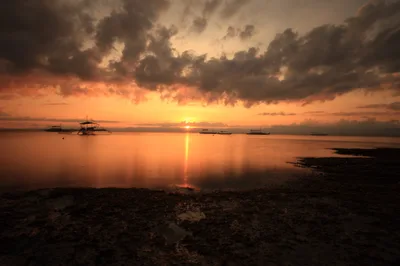
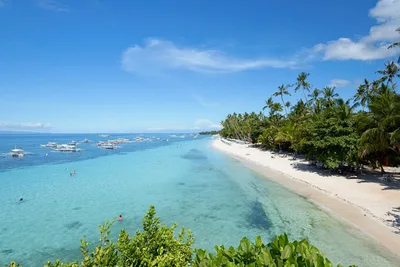
Other wild beaches in Philippines
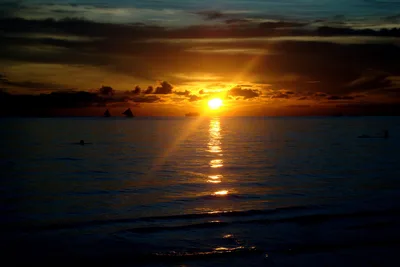
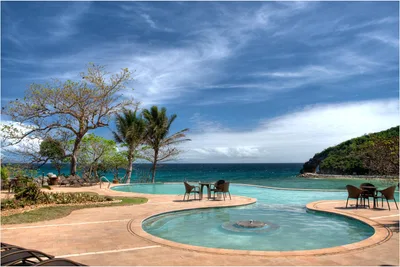
Reviews of this beach
- No reviews yet, what a shame — leave yours and share your experience.
Photo credits
Sources and licenses for the photos shown above.
- Photo 1 — Tol.lynx · source · CC BY-SA 4.0
- Photo 2 — Tol.lynx · source · CC BY-SA 4.0
- Photo 3 — Matt Kieffer · source · CC BY-SA 2.0
- Photo 4 — Matt Kieffer · source · CC BY-SA 2.0
- Photo 5 — Matt Kieffer · source · CC BY-SA 2.0