Egmont Key State Park BeachUnited States Beach Guide
Wild island escape reachable only by boat or ferry
 🎁 Gift idea: the star map of your most beautiful night↓
About
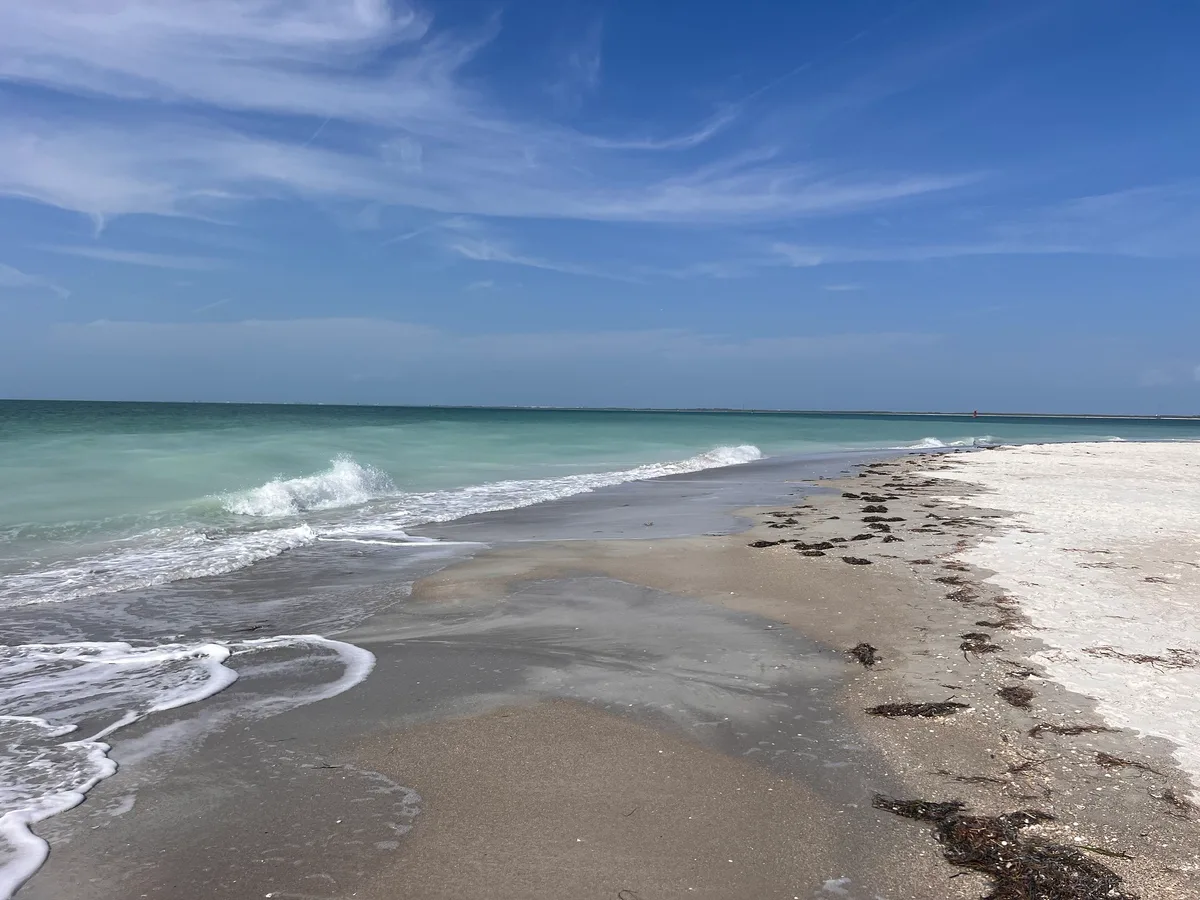
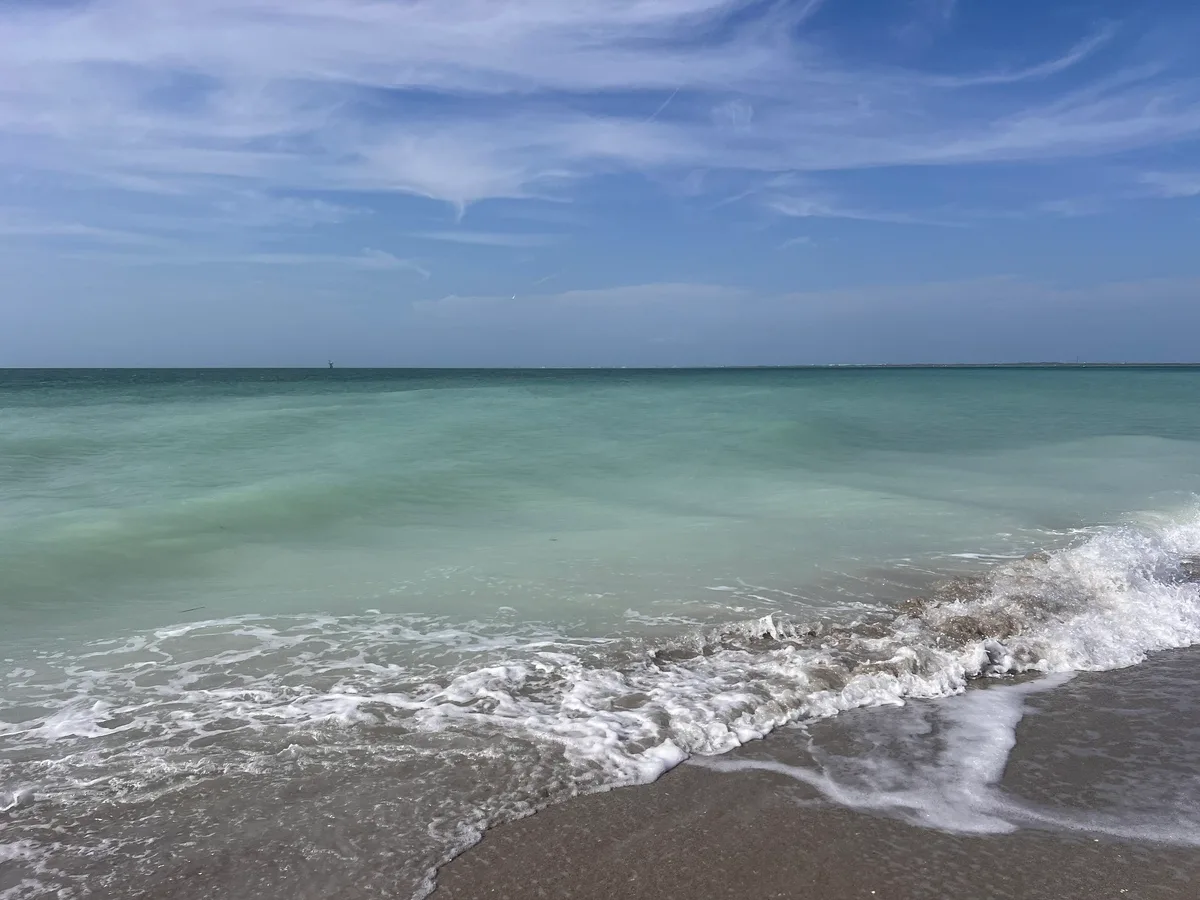
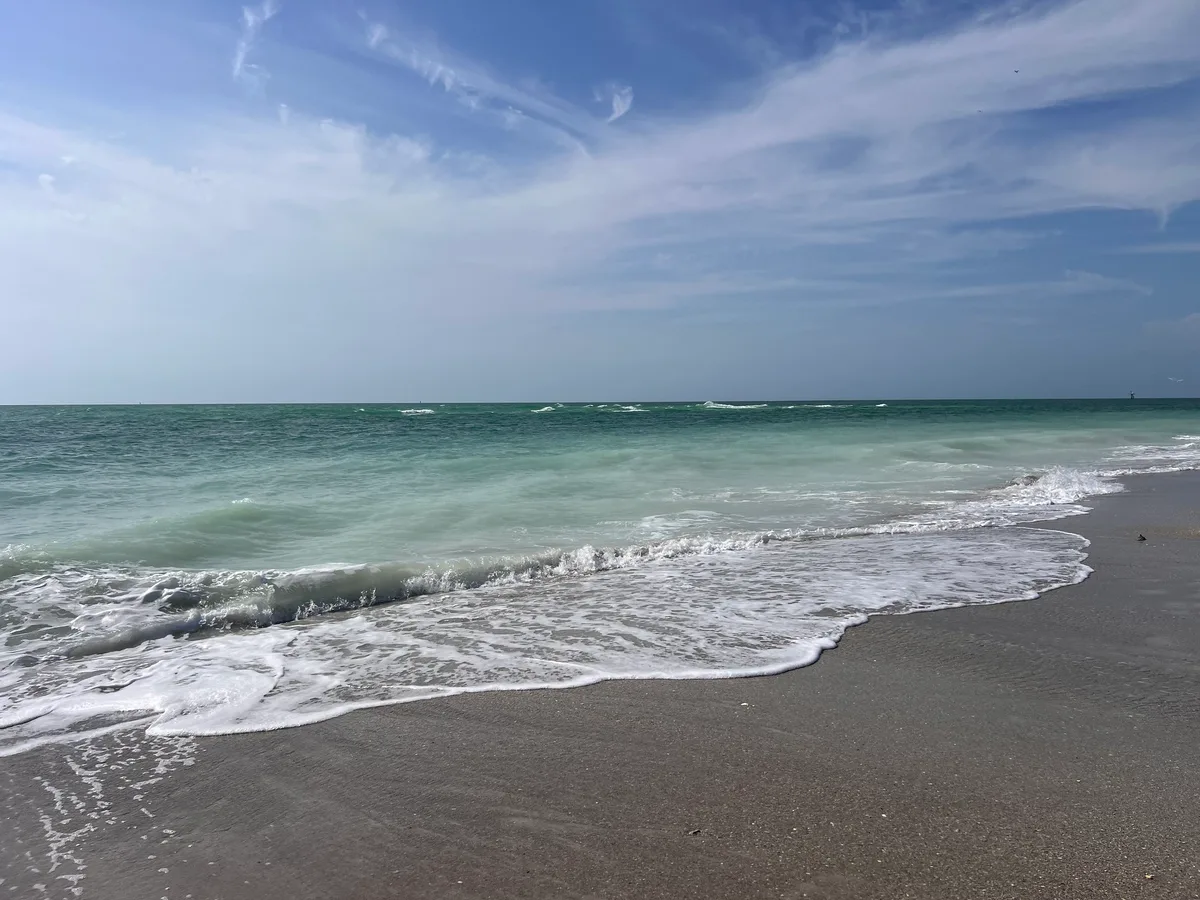
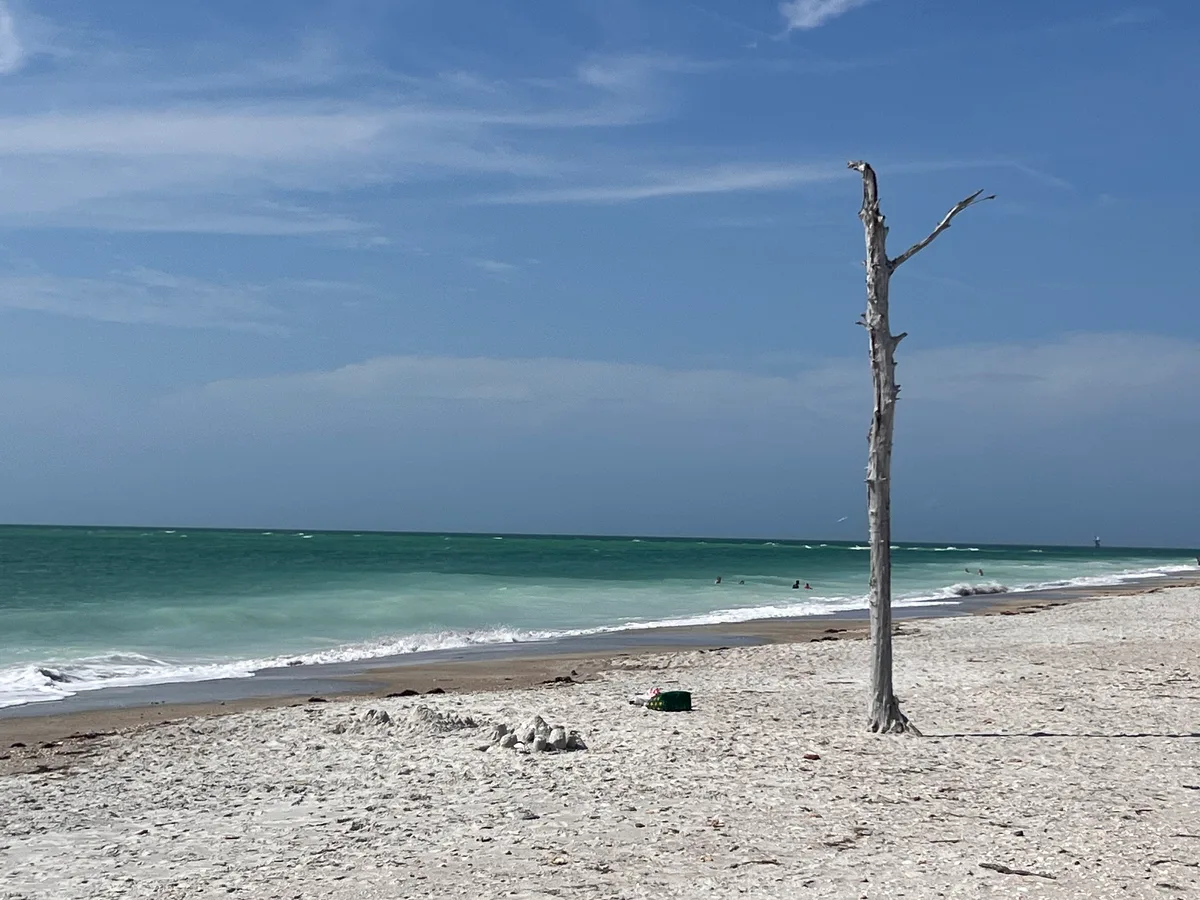
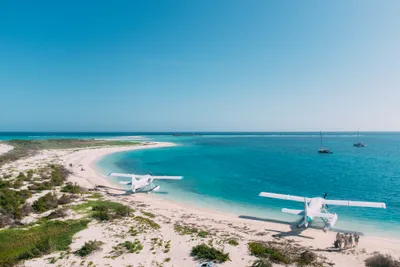
Egmont Key sits at the mouth of Tampa Bay, a wild Gulf island with white sand beaches and crystal-clear water that you can only reach by boat or ferry. The island carries layers of history — a lighthouse still stands, fort ruins lie partially submerged offshore, and gopher tortoises roam the interior with complete indifference to visitors. The vibe is genuinely untamed: no shops, no roads, no infrastructure beyond what nature and history left behind. Shorebirds nest in protected zones, and the Gulf stretches out in every direction. It's the kind of place that feels earned precisely because getting there takes a little effort.
How to get there
Egmont Key is boat and ferry access only — there is no road, no bridge, and no way to drive here. Ferries depart daily from Fort De Soto Park (roughly a 20-minute crossing) and from St. Pete Pier (approximately a 60-minute ride), with multiple departures each day. If you have your own vessel, the crossing from Fort De Soto Park takes around 15 minutes by private boat, or about 60 minutes by kayak for the more adventurous. No parking exists on the island itself — leave your car at your embarkation point.
Who it's for
For couples
Egmont Key rewards couples who want genuine solitude — the wild, road-free island strips away distractions, and a slow walk along the white sand shore with the Gulf stretching to the horizon is as uninterrupted as Florida gets.
For families
Families with older children who can handle the boat crossing and a full day of self-sufficient exploring will love it — gopher tortoise spotting keeps curious kids engaged, though note that pets are banned and you must bring all food and water from the mainland.
Our take
Swimming is rated moderate here — the water is clear and generally calm, but the submerged fort ruins demand water shoes and a degree of caution before you wade in. With that noted, Egmont Key rewards the effort of getting here precisely because the boat-only access keeps it from becoming overrun. White sand, crystal-clear water, fort ruins, and free-roaming gopher tortoises on a single small island — the combination is genuinely rare. Come prepared: no food and a strict list of prohibited items means the unprepared will have a rough afternoon. The best months run June through September when the climate is at its warmest, though the ferry from Fort De Soto Park makes a quick 20-minute crossing year-round. This is a place for people who want the wild Gulf, not a beach resort.
What to do
Exploring the historic fort ruins is the centrepiece activity — the structures offer a tangible connection to the island's military past. The lighthouse is another landmark worth seeking out, rising above the tree line as one of the island's most recognisable silhouettes. Wildlife watching is rewarding year-round: gopher tortoises are frequently spotted on the sandy paths, and the protected nesting areas attract a variety of shorebirds. Swimming is rated moderate — the Gulf water is clear and generally calm, but wear water shoes given the submerged ruins.
The submerged fort ruins at the water's edge offer a striking contrast of weathered brick and crystal-clear water, best captured at low tide when the structure is most visible.
Gopher tortoises on the sandy interior paths make for candid wildlife portraits that sum up the island's wild character.
Where to eat
There are no restaurants, cafés, or food vendors on Egmont Key — this is a bring-your-own situation, full stop. Pack a picnic, carry plenty of fresh water, and plan your meals before you board the ferry.
Where to stay
There is no accommodation on Egmont Key — camping is prohibited on the island. Base yourself in the nearest town, St. Pete Beach, roughly 15 kilometres away, and take the ferry or boat out for the day.
Photography
The partially submerged fort ruins at the waterline photograph beautifully at low tide, especially when the crystal-clear water reveals the brick structure beneath the surface.
Good to know
Water shoes are strongly recommended: the submerged fort ruins create an uneven, potentially sharp underwater terrain near the shoreline. Pets are not permitted on the island — service animals are the only exception — so leave your dog at home. Stay well clear of marked bird and turtle nesting areas, and note that only deceased seashells may be collected; disturbing any plant, animal, or refuge property is prohibited. Alcohol, glass containers, drones, kites, fireworks, metal detectors, and open fires are all banned, so pack accordingly and keep it simple. True digital-detox territory — bring offline books and everything you need from the mainland.
GAMES
🕹️ Five minutes of sand?
Three daily games — including the UV simulator set to this beach.
Map
GIFT IDEA · MARCEL ET LES BLONDES
🎁 Give a moment, not a thing


What’s the occasion?

 💑 Dating anniversaryTwo dates, two starry skies
 💍 Wedding anniversaryCotton, silver, golden…
 🎂 BirthdayTheir own newspaper front page
 👶 New babyThe stars on the day they were bornValentine’s DayOur two moons, as a print
Shipping €5, free from €49 · made to order, shipped within 48 hAlso: our engraved wooden bracelets, €23.90 →
Frequently asked
The information on this page is provided for guidance only and may evolve. Access conditions, safety and infrastructure can change without notice. Always check official sources before traveling.
Nearest beaches
Other wild beaches in United States
Reviews of this beach
- No reviews yet, what a shame — leave yours and share your experience.
Photo credits
Sources and licenses for the photos shown above.
- Photo 1 — Ken Lund · source · CC BY-SA 2.0
- Photo 2 — Ken Lund · source · CC BY-SA 2.0
- Photo 3 — Ken Lund · source · CC BY-SA 2.0
- Photo 4 — Ken Lund · source · CC BY-SA 2.0