Fort Jefferson BeachUnited States Beach Guide
Seventy miles offshore, where history meets turquoise reef
About
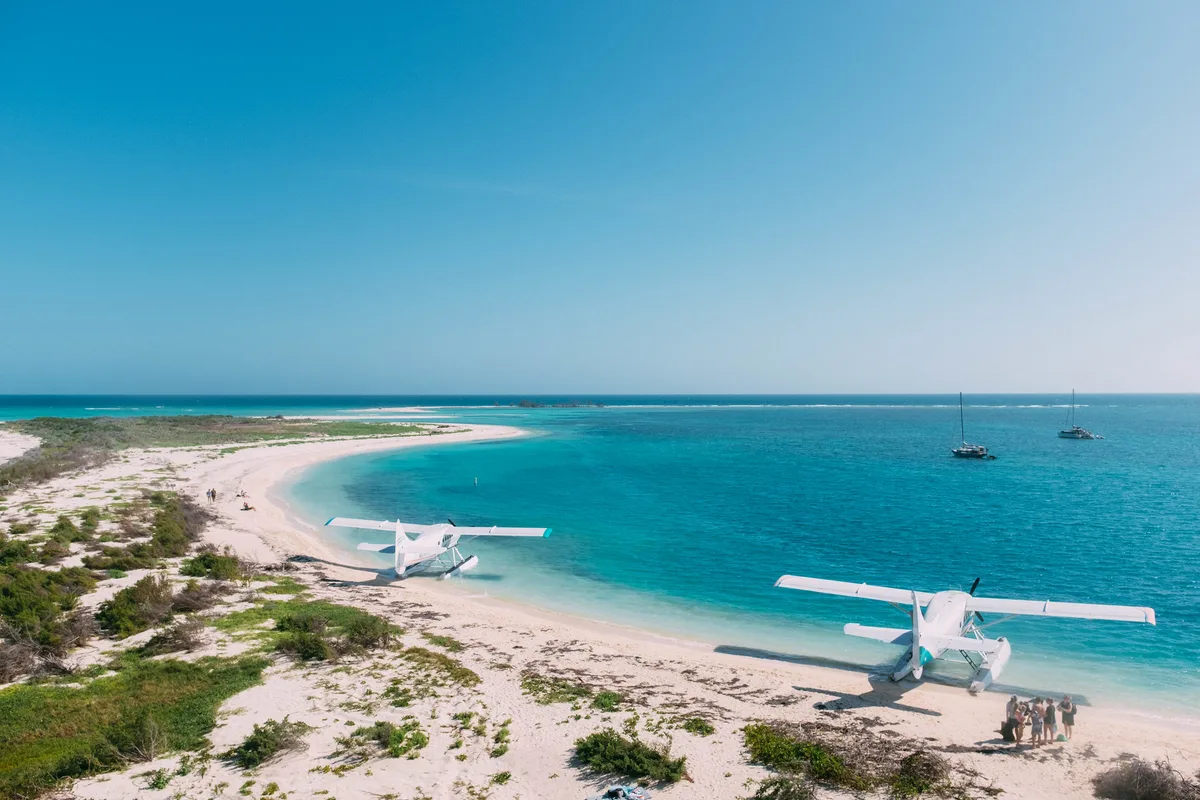
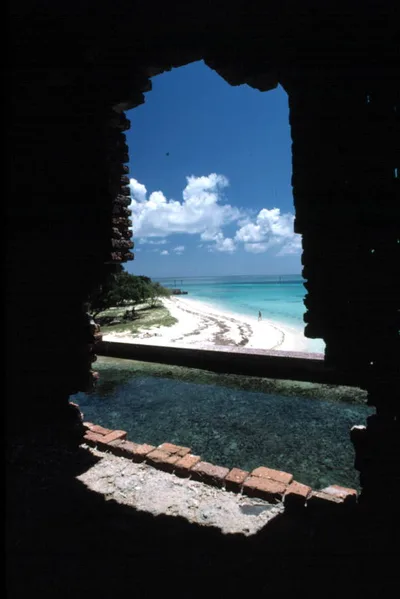
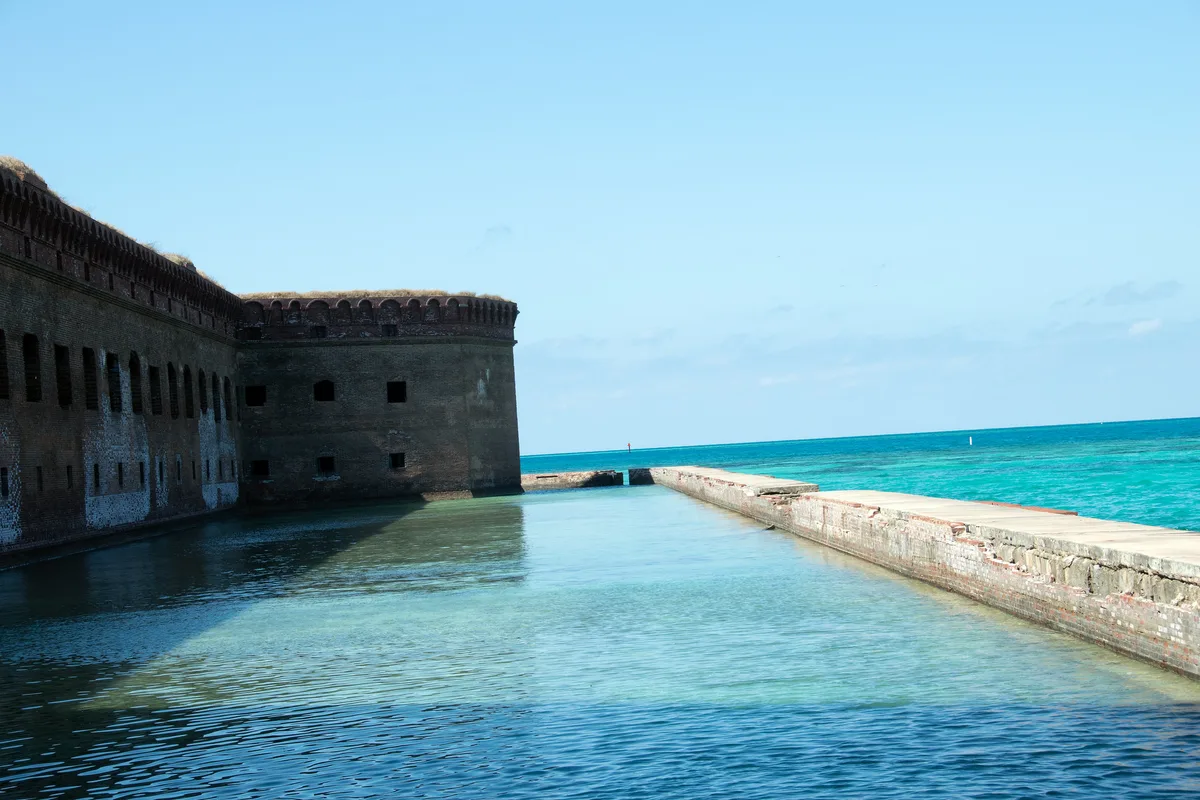
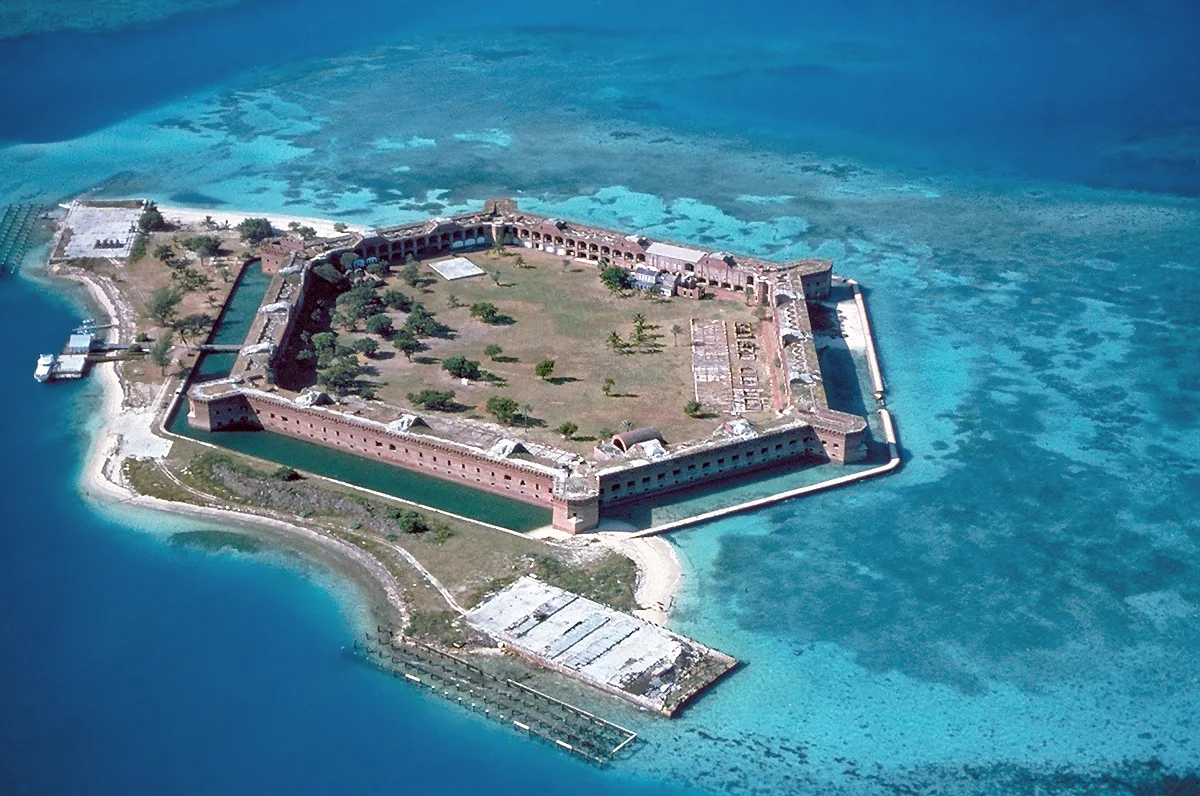
Fort Jefferson Beach sits on Garden Key, deep in the Dry Tortugas, roughly 70 miles off Key West — genuinely one of the most remote beaches in the country. The water here is a vivid turquoise, shallow enough to see your feet and clear enough to watch parrotfish dart beneath the surface without a mask. Behind you, the massive brick walls of Fort Jefferson rise straight from the sea, a sight that stops most visitors mid-sentence. No roads reach this place, no shops, no freshwater springs — just the hush of open ocean, the cry of seabirds from nearby Bush Key, and the occasional seaplane banking in from the mainland. It's genuinely wild, and that's the whole point.
How to get there
Fort Jefferson Beach is reachable only by ferry or seaplane — there is no road connection whatsoever. The daily ferry departs from Key West Historic Seaport and takes approximately 135 minutes each way; book well ahead, as it sells out weeks in advance during high season. If you're short on time, a seaplane from Key West Airport cuts the journey to around 40 minutes, though it comes at a significantly higher cost. A $15 per-person national park entrance fee applies on arrival, waived if you carry a valid National Park Pass.
Who it's for
For couples
The combination of remote white sand, turquoise water, and the dramatic silhouette of Fort Jefferson makes this one of the most atmospheric spots in the Florida Keys for couples who want genuine solitude rather than a resort beach scene.
For families
Families with older, confident children will love the snorkeling reef and the fort's bastions to explore, but parents should note there is no lifeguard, no freshwater on-site, and the ferry journey is 135 minutes each way — pack accordingly and plan the day carefully.
Our take
No road reaches Fort Jefferson Beach, and that inaccessibility is exactly what preserves it. The white sand is immaculate, the turquoise water is strikingly clear, and the reef just offshore is the real prize — but you earn all of it with a 135-minute ferry ride and serious logistical preparation. Come with enough water (one gallon per person per day is the rule, not a guideline), book your ferry weeks ahead in high season, and respect every posted restriction in the water — no lifeguard, no moat swimming, no standing on coral. Skip August, September, and October entirely: hurricane season makes ferry cancellations routine and the park may close without warning. Come during the best season — June through September, outside those hurricane-risk months — stay for the full day or camp overnight, and you'll have this remarkable national park beach almost to yourself.
What to do
The Dry Tortugas National Park Reef, just 0.2 km from the beach, offers pristine snorkeling with exceptional visibility and abundant marine life — it's the main reason most visitors make the journey. Fort Jefferson itself, a massive 19th-century brick fortification, is open to explore; the bastions — A, B, and E — ring the structure and reward anyone who takes the time to walk the full perimeter. Just 0.3 km away, Bush Key Bird Rookery hosts one of the largest sooty tern colonies in North America, an extraordinary spectacle during nesting season. Between the fort, the reef, and the birds, a full day disappears quickly.
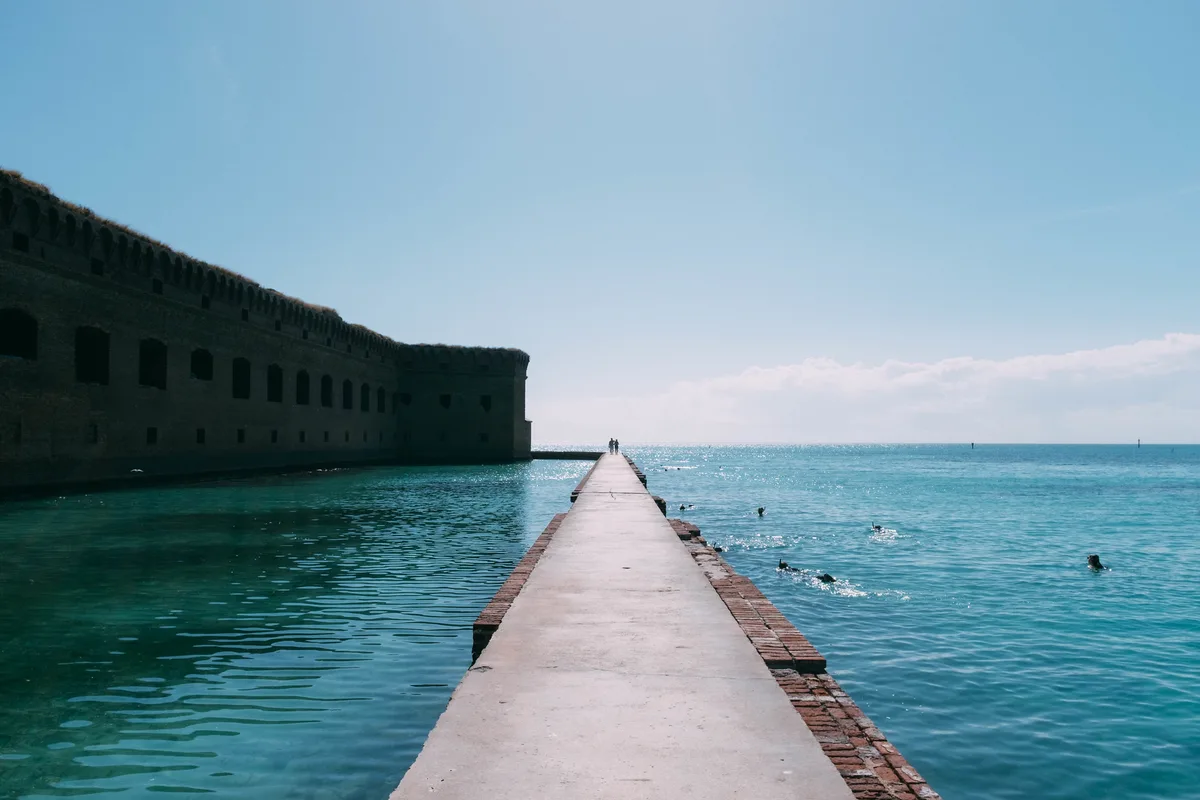
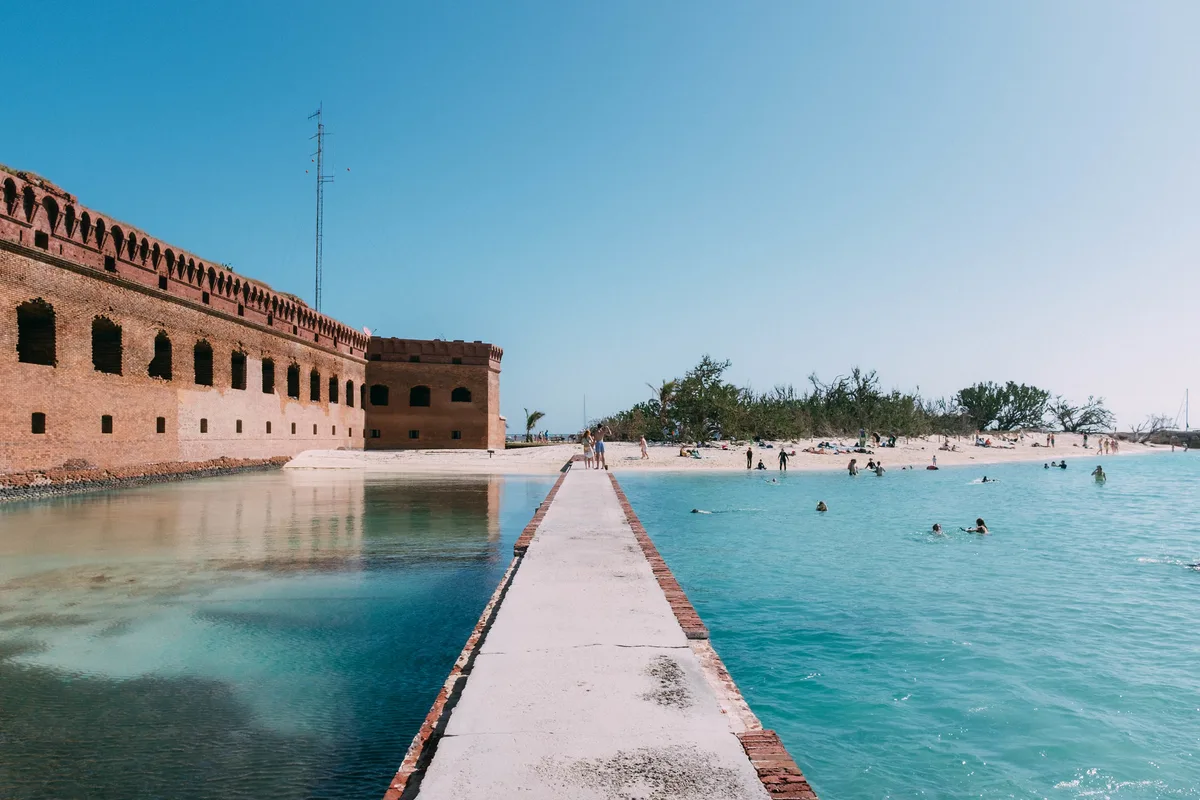
The view of Fort Jefferson's brick walls rising directly from the turquoise water is the defining image of this beach — shoot from the waterline at the fort's base in morning light for maximum impact.
The white sand shoreline looking back toward the fort's full facade, with the open ocean behind you, gives a second strong composition that captures the island's scale and isolation.
Where to eat
There are no restaurants, cafés, or food vendors on Garden Key. Bring everything you plan to eat and drink for the day — and remember, no glass containers are allowed in the park.
Where to stay
The only place to sleep on the island is Garden Key Campground, just 0.2 km from the beach. Camping here requires an advance permit, so plan well ahead if you want to experience the island after the day-trippers have headed back to Key West.
Photography
The single most striking shot on the island is Fort Jefferson's towering brick walls reflected in the turquoise water — arrive on the morning ferry to catch soft light before the midday glare flattens the colour. For a wider composition, the reef-side shoreline looking back toward the fort gives you white sand, turquoise water, and the full scale of the fortification in one frame.
Good to know
Bring a minimum of one gallon of drinking water per person per day — there is absolutely no freshwater on the island, and this is a genuine safety requirement, not a suggestion. No glass containers are permitted anywhere in the park, collecting coral, shells, or marine life is prohibited, and if you plan to camp, you must secure a permit in advance. Swimming and snorkeling are prohibited inside the moat, at the dinghy beach, and in any channels; do not enter the moat, dive from the walls, touch or stand on coral, or stand on seagrass — follow all posted signage and stay clear of barricaded areas under ongoing repair. There is no lifeguard on duty, so watch for jellyfish, stingrays, sharp coral, and sudden weather changes whenever you're in the water. True digital-detox territory — bring offline books, because cell signal fades fast and there is nowhere to plug in a laptop.
GAMES
🕹️ Five minutes of sand?
Three daily games — including the UV simulator set to this beach.
Map
Nearby places
Garden Key Campground
Things to see around Monroe County / Dry Tortugas National Park
Fort Jefferson
Dry Tortugas National Park Reef
Pristine coral reef with exceptional visibility and abundant marine life.
Bush Key Bird Rookery
Adjacent key hosting one of the largest sooty tern colonies in North America.
GIFT
🎁 Gift this beach
Its exact coastline, your date, your words — on a print or a PDF you print yourself.
Fort Jefferson Beach
THAT DAY
Fort Jefferson Beach, Florida Keys
© OpenStreetMap contributors
Clean & decorative, or “That day” with the real sky of your date.
Shipping included 3-6 business days
A question before you order? Contact us
Delivered within minutes on the confirmation page and by email: a ZIP with all 4 print sizes (30×40 cm, 12×16″, 50×70 cm, 18×24″), each as a high-resolution PDF and PNG (300 dpi), plus a screen version. Print at home or at any print shop.
Please complete the delivery address.
Please accept the Terms of Sale.
Almost there — the shop opens very soon.
Secure payment · Printed locally in 30+ countries · 7 languages
Frequently asked
The information on this page is provided for guidance only and may evolve. Access conditions, safety and infrastructure can change without notice. Always check official sources before traveling.
Other wild beaches in United States
More beaches in Florida Keys
Reviews of this beach
- No reviews yet, what a shame — leave yours and share your experience.
Photo credits
Sources and licenses for the photos shown above.
- Photo 1 — thekevinchang · source · CC BY-ND 2.0
- Photo 2 — Florida Memory · source · Public Domain
- Photo 3 — thekevinchang · source · CC BY-ND 2.0
- Photo 4 — thekevinchang · source · CC BY-ND 2.0
- Photo 5 — Paul and Jill · source · CC BY 2.0
- Photo 6 — U.S · source · Public Domain