Druif BeachAruba Beach Guide
White sand calm and quiet, just south of Eagle Beach
About
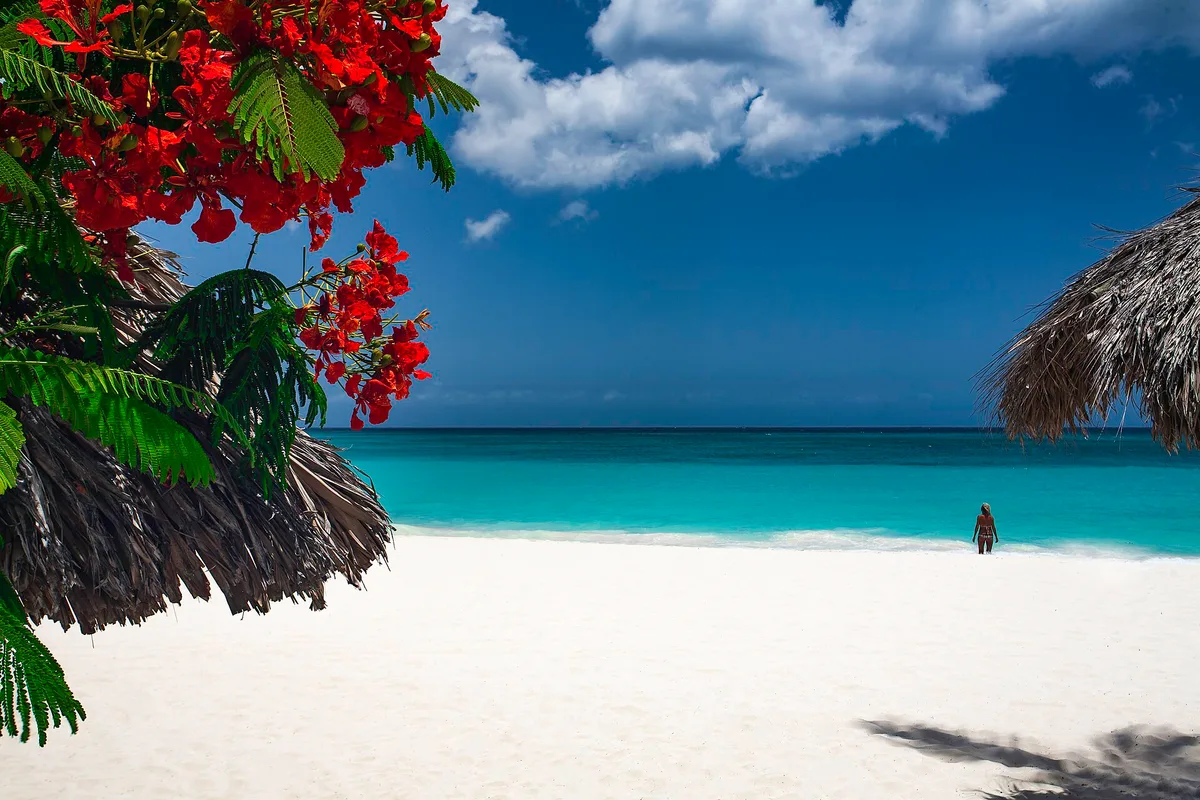
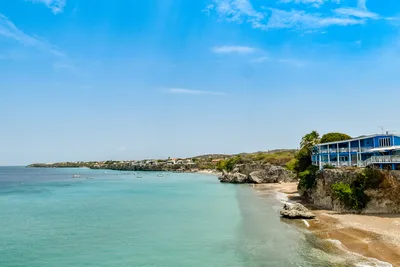
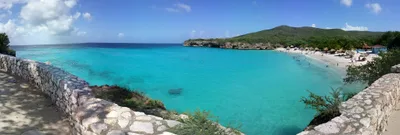
Druif Beach stretches roughly 600 metres along Aruba's leeward coast, backed by low dune vegetation and fronted by the kind of turquoise water that stays genuinely calm thanks to the island's sheltered western shore. The white sand is clean and unhurried — timeshare resorts line the landward side, but a public access strip keeps the shoreline open to everyone, as Aruban law requires. Vendor presence is minimal, so you won't be interrupted every ten minutes by someone selling trinkets or sunscreen. It's the quieter, less-photographed neighbour of Eagle Beach, and that's precisely its appeal.
How to get there
From Oranjestad it's about a five-minute drive; from Queen Beatrix International Airport allow roughly ten minutes by car. Free public parking is available along the road — spaces are generally easy to find, though they can fill up during peak hours, so arriving early helps. There's no entry fee. A ferry service operated by Renaissance Aruba Resort & Casino also connects to the area in around 12 minutes, offering an alternative if you'd rather arrive by water.
Who it's for
For couples
The minimal vendor presence and genuinely quiet atmosphere make Druif a good pick for couples who want to actually talk — no hawkers, no sound systems, just calm turquoise water and a long white sand shore to walk at your own pace.
For families
The safe swimming conditions and flat, easy sand access from the road make Druif practical for families with young children; the shallow, calm leeward water is forgiving, though parents should note the coral and shells near the waterline and consider water shoes for little feet.
Our take
Druif Beach won't make the cover of a glossy magazine — and that's the point. It's a quiet, accessible stretch of white sand with calm turquoise water and almost no commercial noise, sitting in the shadow of the more famous Eagle Beach one kilometre north. Swimming is safe, access is free, parking is free, and Aruban law keeps the shoreline genuinely public despite the timeshare frontage. The one honest caveat: trade winds between December and March can roughen conditions, so the sweet spot is May through October if you want the water at its most glassy. It won't suit anyone chasing nightlife or watersports action, but for a low-effort, low-drama beach day on a well-connected island, Druif delivers exactly what it promises.
What to do
Eagle Beach is just one kilometre away and is worth the short walk — Aruba's widest public beach, with its iconic twin fofoti trees, is an easy add-on to a Druif morning. Back toward Oranjestad, Atlantis Submarines operates about 2.1 kilometres away if you want to see the underwater world without getting wet. The colourful Dutch colonial capital of Oranjestad itself, with Fort Zoutman and serious shopping, is six kilometres up the road — a natural half-day excursion.
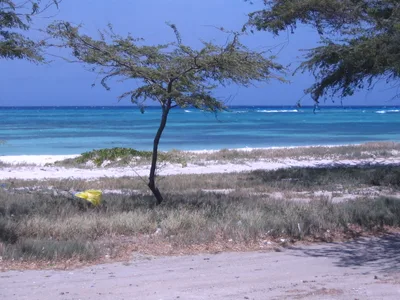
The low dune vegetation behind the beach frames a clean, natural shot with white sand and turquoise water in the foreground — best captured in the soft light of early morning before visitors arrive.
The public access strip between the resort buildings offers an unobstructed southward view along the shoreline, with the calm leeward water catching the colour well in late afternoon.
Where to eat
Waka Waka Restaurant is the closest option at 0.8 kilometres, followed by Windows On Aruba and Mulligan's both within 0.8 kilometres of the beach. If you're after something different, Sumberjaya serves Surinamese food about one kilometre away, and Yang Ming — covering Korean barbecue and sushi — is 1.3 kilometres out. There are no food vendors on the beach itself, so sort lunch before you arrive or be prepared to walk.
Where to stay
The Tamarijn and Tamarijn Divi Aruba resorts sit 0.5 and 0.6 kilometres away respectively, making them the most convenient base for a stay here. If you prefer something more independent, Quality Apartments is 1.1 kilometres out, and Renaissance Marina Tower offers a different style of stay about 2.2 kilometres away in the direction of Oranjestad.
Photography
The best light hits the white sand and turquoise water in the early morning, when the beach is at its quietest and the low dune vegetation makes a clean, natural backdrop behind your frame. For a wider context shot, position yourself at the northern end of the public access strip where the resort frontage recedes and the open shoreline stretches uninterrupted toward Eagle Beach.
Good to know
Under Aruban law, public beach access must be maintained between resort properties — if a path to the sand is blocked, you have the right to use it. Watch your step when entering the sea: coral and shells are present underfoot near the waterline, so water shoes are worth packing. The trade winds peak between December and March, which can bring choppier-than-usual conditions along this otherwise calm stretch — plan accordingly. Dogs are not permitted on Aruba's public beaches, so leave them at the accommodation.
GAMES
🕹️ Five minutes of sand?
Three daily games — including the UV simulator set to this beach.
Map
Nearby places
Waka Waka Restaurant
Windows On Aruba
Mulligan's
Sumberjaya
Yang Ming
Tamarijn
Tamarijn Divi Aruba
Quality Apartments
Renaissance Marina Tower
Central Boutique Hotel
Things to see around Oranjestad
Eagle Beach
Aruba's widest public beach with iconic twin fofoti trees.
Oranjestad
Aruba's colorful Dutch colonial capital with shopping, dining, and Fort Zoutman.
Arikok National Park
Protected park covering 20% of Aruba with desert landscape, caves, and windward beaches.
GIFT
🎁 Gift this beach
Its exact coastline, your date, your words — on a print or a PDF you print yourself.
Druif Beach
THAT DAY
Druif Beach, Lesser Antilles
© OpenStreetMap contributors
Clean & decorative, or “That day” with the real sky of your date.
Shipping included 3-6 business days
A question before you order? Contact us
Delivered within minutes on the confirmation page and by email: a ZIP with all 4 print sizes (30×40 cm, 12×16″, 50×70 cm, 18×24″), each as a high-resolution PDF and PNG (300 dpi), plus a screen version. Print at home or at any print shop.
Please complete the delivery address.
Please accept the Terms of Sale.
Almost there — the shop opens very soon.
Secure payment · Printed locally in 30+ countries · 7 languages
Frequently asked
The information on this page is provided for guidance only and may evolve. Access conditions, safety and infrastructure can change without notice. Always check official sources before traveling.
Nearest beaches

More beaches in Lesser Antilles
Reviews of this beach
- No reviews yet, what a shame — leave yours and share your experience.
Photo credits
Sources and licenses for the photos shown above.