Jòncols BeachSpain Beach Guide
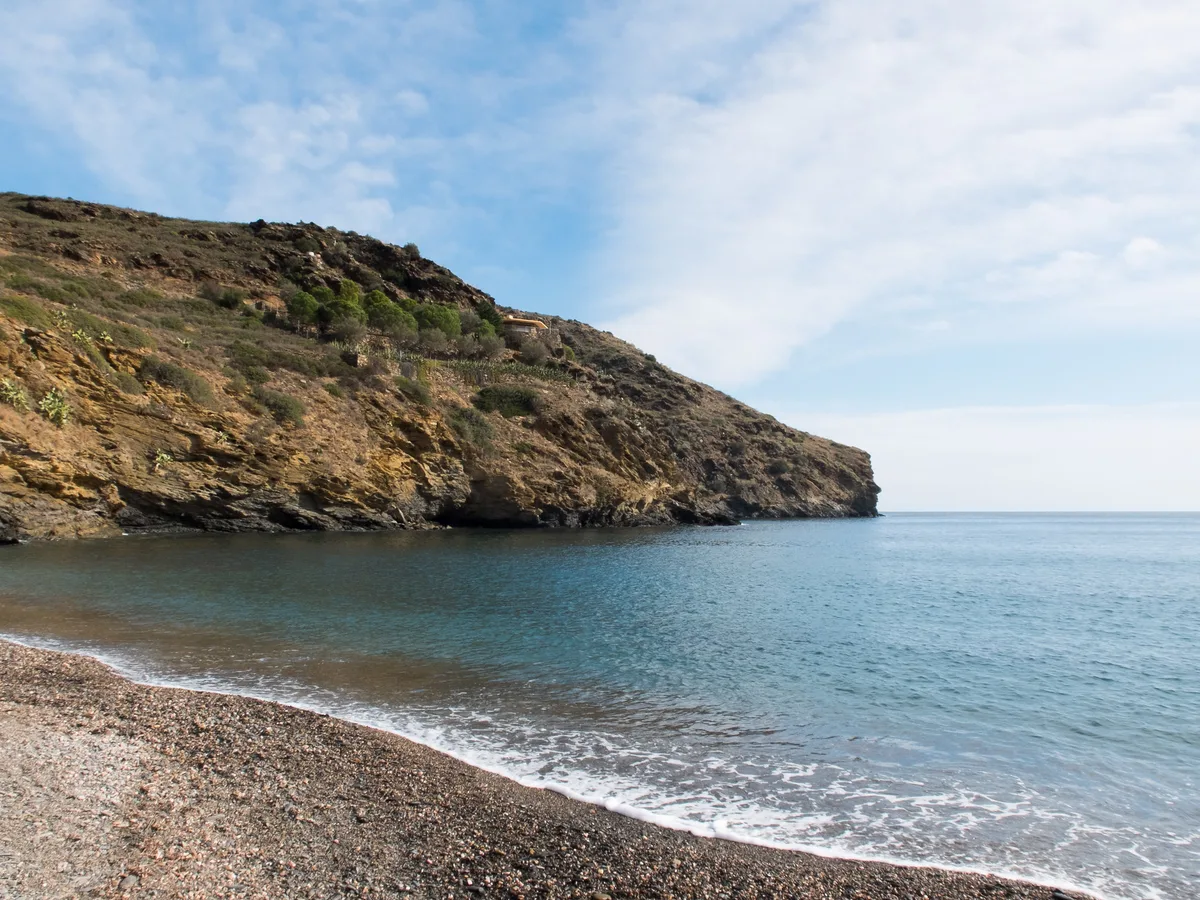
Wild schist cove where the road ends and blue begins


 🎁 Gift idea: the star map of your most beautiful night↓
About
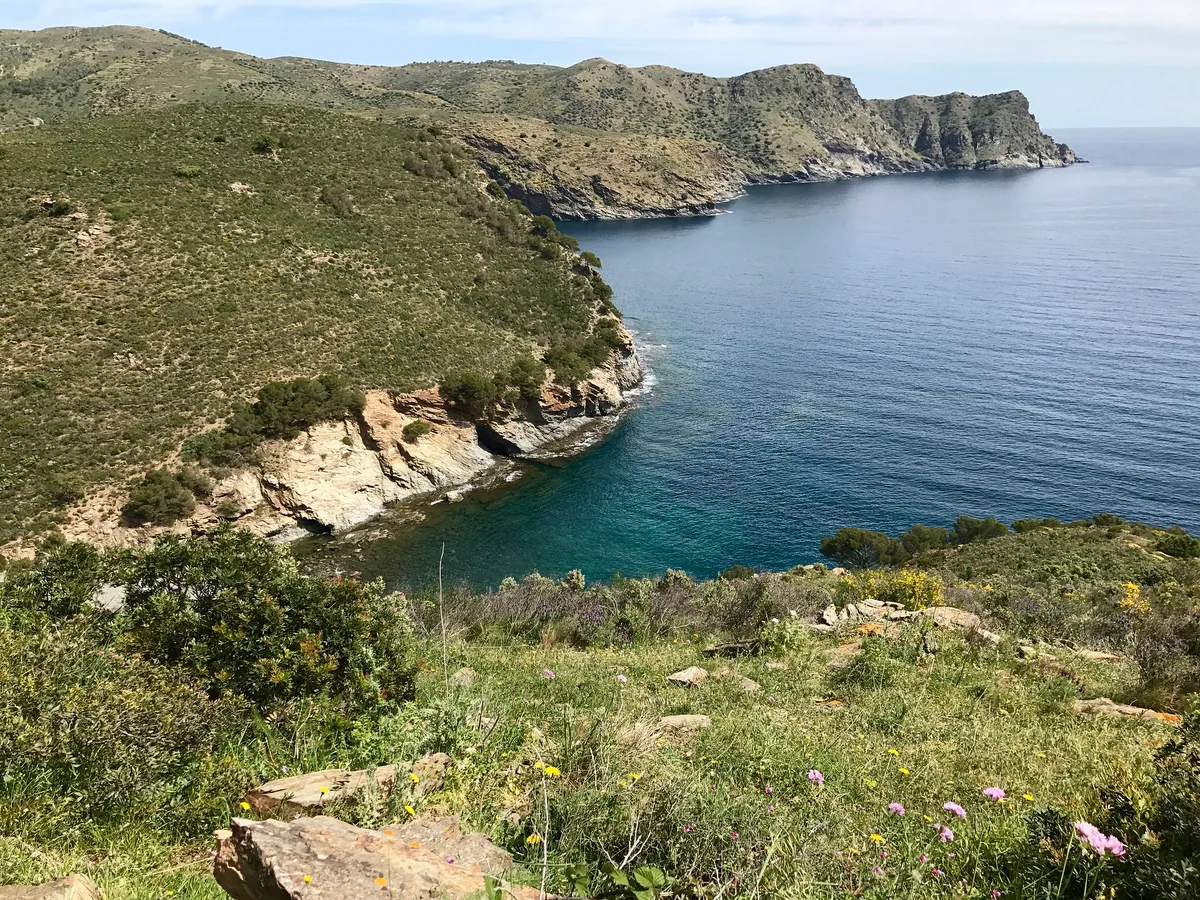
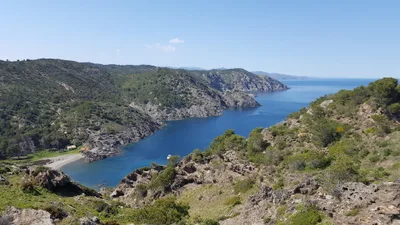
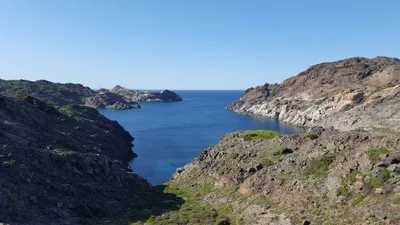
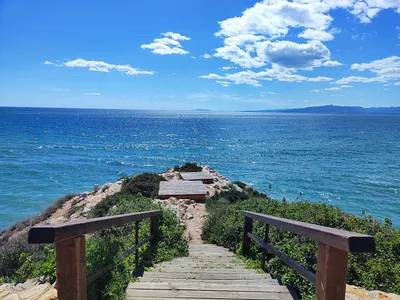
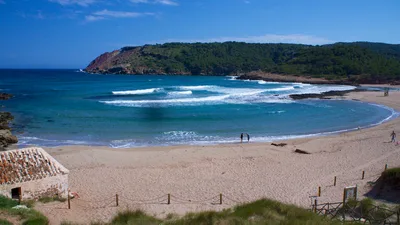
Cala Jòncols sits on the Costa Brava in Catalonia, tucked inside a natural park where the rugged schist cliffs drop to a mixed-sand shore and deep blue water. It's a genuinely wild place — no beach bars, no sunbed rentals, no lifeguard tower. The geology does the talking here: dark, layered rock frames the cove on both sides, giving it a raw, unpolished character you won't find at the resort beaches further along the coast. Illa del Gat, a small island, sits just offshore, breaking the horizon and adding to the sense that you've stumbled onto something the tourist industry hasn't fully claimed. Swimming is safe, the water is blue, and the silence is the main attraction.
How to get there
From Roses, the drive takes around 20 minutes — the road leads into the natural park and free public parking is available at the cove and hotel access area. Alternatively, regular seasonal boat services run from the coast, which is honestly the more dramatic way to arrive. Girona-Costa Brava Airport (GRO) is the nearest major gateway, roughly 56 km away.
Who it's for
For couples
The wild, no-facilities vibe means you'll have long stretches of mixed-sand shore largely to yourselves, especially outside peak season — bring a picnic, find a flat schist rock, and let the blue water do the rest.
For families
Swimming is safe and the free parking makes logistics straightforward, but the lack of facilities means you need to bring everything for young children — shade, food, water, and first aid. Families who come prepared will find a calm, beautiful cove; those expecting beach services will be caught short.
Our take
Cala Jòncols is safe to swim and genuinely wild — that combination is rarer on the Costa Brava than you'd think. Swimming is safe, the water is blue, and the natural park status keeps development in check. What you're trading for that wildness is comfort: no facilities, no lifeguard, no beach bar. Come self-sufficient or don't come at all. The boat access option from the coast is the most rewarding way in — arriving by sea, with the schist cliffs rising on both sides, sets the tone immediately. Outside of peak summer months, you'll share the mixed-sand shore with very few others. Worth the detour from Roses, without question.
What to do
The headland at Punta de Norfeu, about 1.7 km away, rewards anyone willing to walk — the views back over the cove and the natural park are worth the effort. La Caverna, roughly 2 km from the beach, is a draw for those who want to explore the area's more dramatic coastal features. For a longer outing, the Mirador Falconera at 3.3 km offers an elevated perspective over this stretch of the Costa Brava. The schist geology underfoot makes even a slow walk along the shoreline feel like a geology lesson.
The layered schist cliffs at the cove's edges frame the blue water in a way that no filter can improve — shoot wide from the waterline at either end.
Illa del Gat offshore gives you a natural focal point for a mid-morning shot when the light is full and the water colour is at its deepest. The elevated view from Punta de Norfeu, 1.7 km away, puts the entire cove in context against the natural park landscape.
Where to eat
There is a restaurant at Cala Jòncols itself — essentially on the beach — which is a rare luxury given how remote the cove is, so check whether it's open before you rely on it. A short drive back towards Roses brings you to Talla, Amfora, Can Pelayo, Cesar, and El Gato azul, all within roughly 4 to 4.4 km. Bringing a packed lunch is still the safest strategy for a full day at the cove.
Where to stay
The Cala Joncols hotel sits just 0.2 km from the beach — as close as it gets, and the obvious base if you want to wake up with the cove on your doorstep. Cala Montjoi is another option about 2.1 km away, near the village of Montjoi. If you'd prefer more amenities, Hostal Cristina, Hostal Marina, and Hotel Octavia are all around 4.5 km out, closer to the Roses end of the road.
Photography
Shoot from the schist rock outcrops at either end of the cove in the early morning, when the blue water catches the low light and the shadows in the layered rock faces are at their sharpest. The offshore Illa del Gat makes a clean focal point from the waterline, and the Punta de Norfeu headland at 1.7 km gives you an elevated wide shot of the entire cove below.
Good to know
No facilities means you carry everything in and everything out — pack water, food, and sun protection before you leave Roses. The natural park setting implies leave-no-trace rules: don't disturb the vegetation or the schist rock formations. Swimming is safe, but the remote location means there's no lifeguard on duty, so don't swim alone. This is not a naturist beach, and the wild vibe is best preserved by arriving early to make the most of the quieter parts of the season.
GAMES
🕹️ Five minutes of sand?
Three daily games — including the UV simulator set to this beach.
Map
Nearby places
Cala Joncols
Cala Montjoi
Hostal Cristina
Hostal Marina
Hotel Octavia
GIFT IDEA · MARCEL ET LES BLONDES
🎁 Give a moment, not a thing

What’s the occasion?
 💑 Dating anniversaryTwo dates, two starry skies
 💍 Wedding anniversaryCotton, silver, golden…
 🎂 BirthdayTheir own newspaper front page
 👶 New babyThe stars on the day they were bornValentine’s DayOur two moons, as a print
Shipping €5, free from €49 · made to order, shipped within 48 hAlso: our engraved wooden bracelets, €23.90 →
Frequently asked
The information on this page is provided for guidance only and may evolve. Access conditions, safety and infrastructure can change without notice. Always check official sources before traveling.
Nearest beaches

Other wild beaches in Spain
Reviews of this beach
- No reviews yet, what a shame — leave yours and share your experience.