Cala di Forno BeachItaly Beach Guide
Wild Tuscan cove reached only by boat or boot
 🎁 Gift idea: the star map of your most beautiful night↓
About
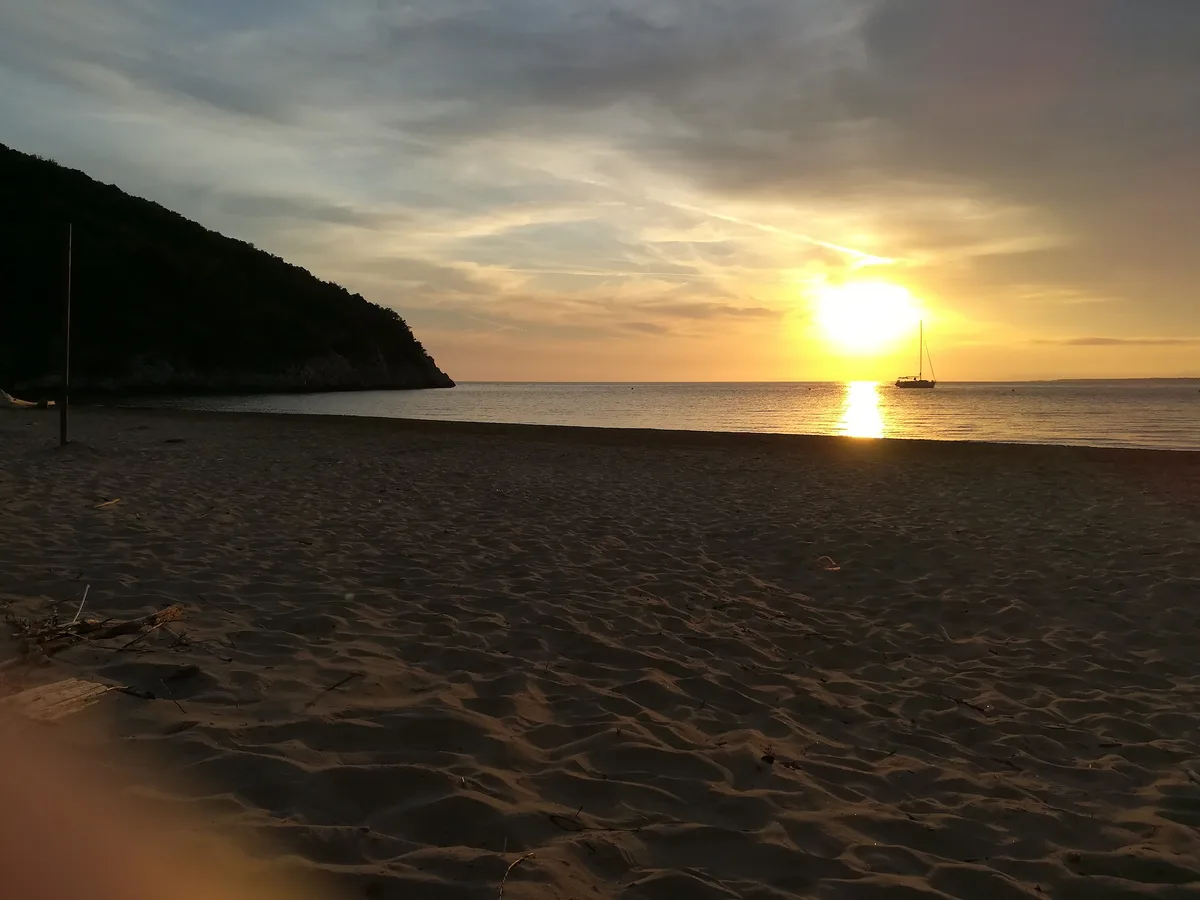
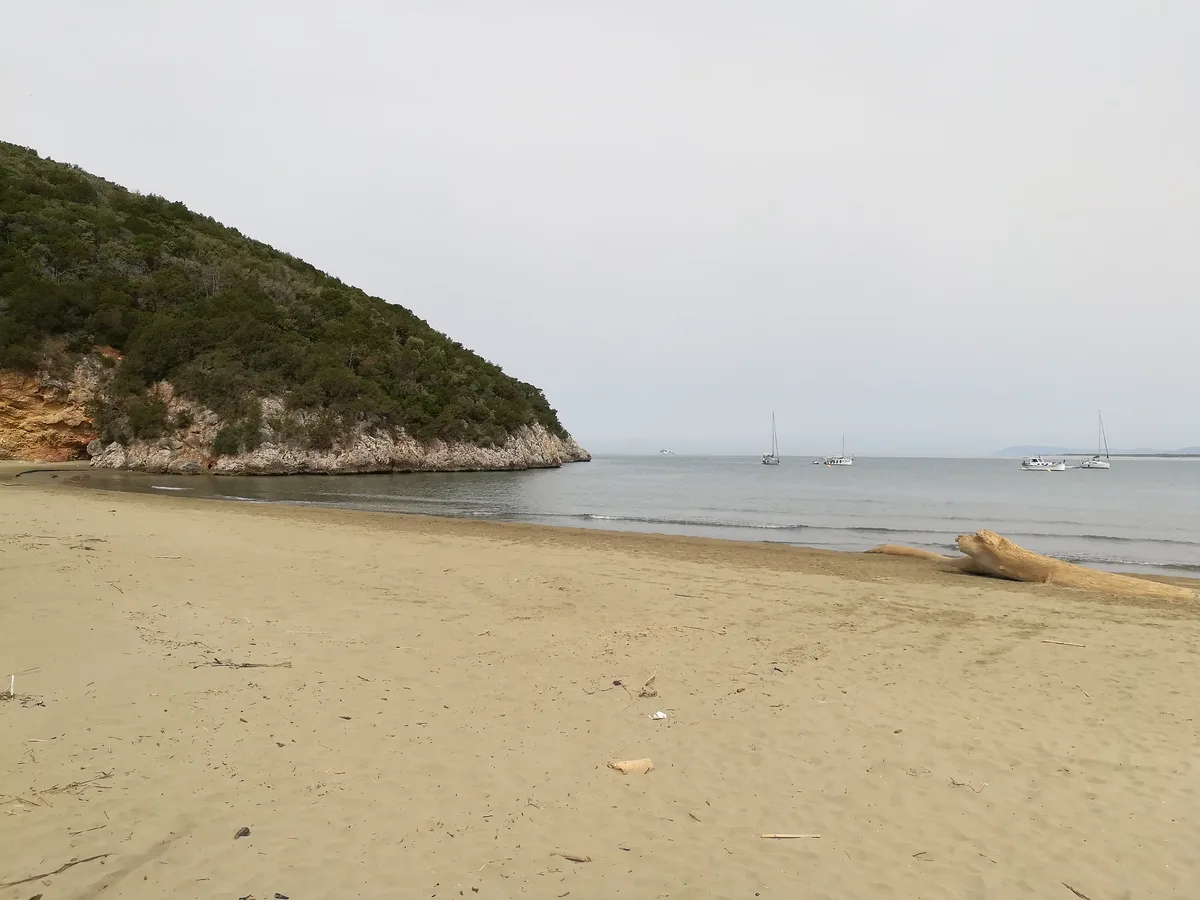
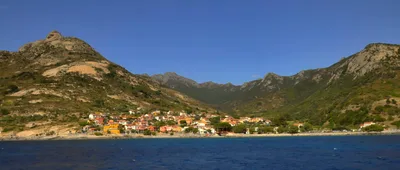
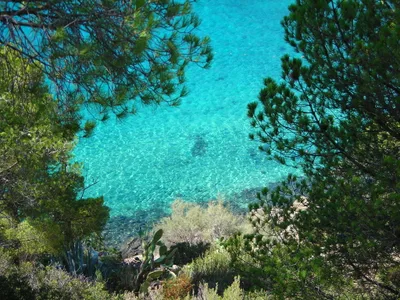
Cala di Forno is a remote golden-sand cove on the Tuscany coast near Orbetello, tucked inside the Maremma Regional Park. The water is crystal clear, the sand is golden, and on most days you'll share it with almost nobody. A ruined lime kiln crowns the headland, a seasonal stream trickles to the shore, and the surrounding scrub smells of wild herbs baked by the sun. There are zero facilities here — no bar, no sunbed, no lifeguard — and that's precisely the point.
How to get there
Cala di Forno has no road access whatsoever. Reach it by boat from Talamone harbour — roughly a 30-minute trip — or on foot via a hiking trail from the Alberese or Talamone park entrance, a walk of around 75 minutes that operates on a seasonal schedule. A Maremma Regional Park entry fee of approximately €10–13 per person applies regardless of which route you choose, and that money goes directly to park management. There is no parking on the beach side — your journey starts at the harbour or the park gate.
Who it's for
For couples
A boat ride to an almost-empty golden cove with a crumbling lime kiln and no visitors is about as romantic as Tuscany gets — pack a picnic, swim in crystal-clear water, and enjoy the silence together.
For families
The safe swimming and golden sand are appealing, but the difficult access — a 75-minute hike or a boat crossing, no facilities, and no dogs — makes this a tough call for families with young children or anyone with limited mobility; plan carefully and pack everything.
Our take
Swimming is safe, the golden sand is genuine, and the crystal-clear water lives up to every expectation — Cala di Forno delivers on its promise. But this beach earns its wildness through difficulty: no road, no facilities, a park entry fee, and a real commitment of time and effort to get there. Skip July and August — heat, fire risk, and unreliable swell can make the kayak approach impractical, and the trail is punishing in peak heat. Come in June or September when the light is softer, the sea is settled, and the cove is at its most peaceful. The ruined lime kiln, the silence, and the absence of any commercial infrastructure make this a beach that rewards the effort honestly. If you want a sunbed and a spritz, go elsewhere. If you want the real Maremma, earn it.
What to do
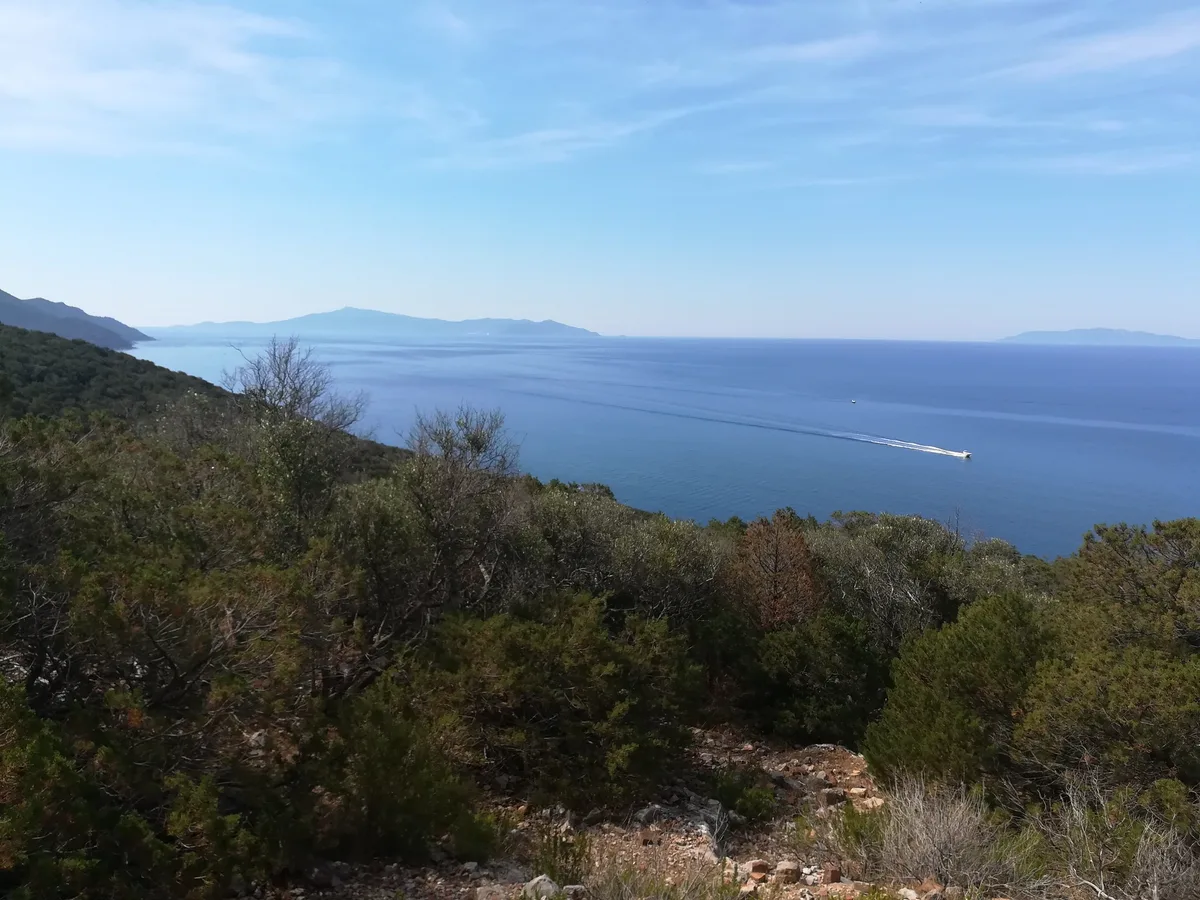
The beach itself rewards slow exploration: snorkelling in the crystal-clear water, watching the seasonal stream meet the sea, and examining the ruined lime kiln on the headland. The 4-km hiking trail that connects Cala di Forno to the wider park network also gives access to the remote dune-backed Spiaggia di Collelungo, about 4 km away and described as the least-visited beach in the reserve. A short boat trip brings you to Talamone, where a medieval Spanish watchtower stands above a genuine fishing village that also serves as a gateway for Argentario diving. For history on foot, the medieval Uccellina Towers in the Parco Naturale della Maremma are reachable by park hiking trails about 8 km away.
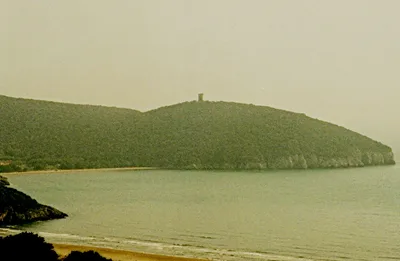
The ruined lime kiln on the headland frames a shot that no other Tuscan beach can offer — shoot wide to include the golden sand and crystal-clear water below.
The point where the seasonal stream meets the sea creates a natural foreground element for landscape frames. From the water on a kayak, looking back at the cove, you get the full wild-Maremma panorama.
Where to eat
There is nothing to eat or drink at Cala di Forno — bring your own picnic and more water than you think you need. The nearest food and services are back in Talamone or the village of Magliano in Toscana, so plan your supplies before you set off.
Where to stay
There are no hotels or guesthouses at the beach, and camping on site is forbidden under park rules. Base yourself in Talamone or the surrounding Maremma area and make Cala di Forno a day trip.
Photography
The ruined lime kiln on the headland is the single most striking subject — shoot it at golden hour when the warm light matches the golden sand below. For wide compositions, position yourself at the seasonal stream mouth where fresh water meets the crystal-clear sea, ideally in the soft light of early morning before the haze builds.
Good to know
No dogs are permitted inside the Maremma Regional Park, so leave them at home. Fires and camping are strictly forbidden, and you must stay on marked trails at all times. Bring absolutely everything you need — water, food, sun protection, a first-aid kit — because there are no facilities on the beach whatsoever. Sea kayak access depends heavily on swell conditions, so if the sea is rough the hiking trail is the reliable alternative; check conditions before you commit to the water route. True digital-detox spot — bring offline books and there's nowhere to plug in a laptop.
GAMES
🕹️ Five minutes of sand?
Three daily games — including the UV simulator set to this beach.
Map
Nearby places
Spiaggia di Collelungo
Talamone watchtower and village
Parco Naturale della Maremma – Uccellina Towers
Things to see around Grosseto
Spiaggia di Collelungo
Remote dune-backed beach in the Maremma park, the least-visited beach in the reserve.
Talamone watchtower and village
Medieval Spanish watchtower above a genuine fishing village, gateway for Argentario diving.
Parco Naturale della Maremma – Uccellina Towers
Medieval watchtowers on the Uccellina hills accessible by park hiking trails.
GIFT IDEA · MARCEL ET LES BLONDES
🎁 Give a moment, not a thing


What’s the occasion?

 💑 Dating anniversaryTwo dates, two starry skies
 💍 Wedding anniversaryCotton, silver, golden…
 🎂 BirthdayTheir own newspaper front page
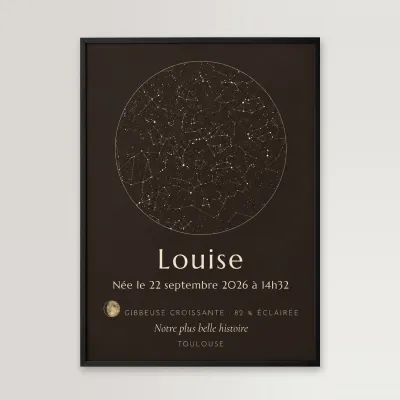 👶 New babyThe stars on the day they were bornValentine’s DayOur two moons, as a print
Shipping €5, free from €49 · made to order, shipped within 48 hAlso: our engraved wooden bracelets, €23.90 →
Frequently asked
The information on this page is provided for guidance only and may evolve. Access conditions, safety and infrastructure can change without notice. Always check official sources before traveling.
Nearest beaches
Other wild beaches in Italy
More beaches in Tuscany
Reviews of this beach
- No reviews yet, what a shame — leave yours and share your experience.