Kavo Greko Beach
Wild sea caves and crystal water, boat access only
About
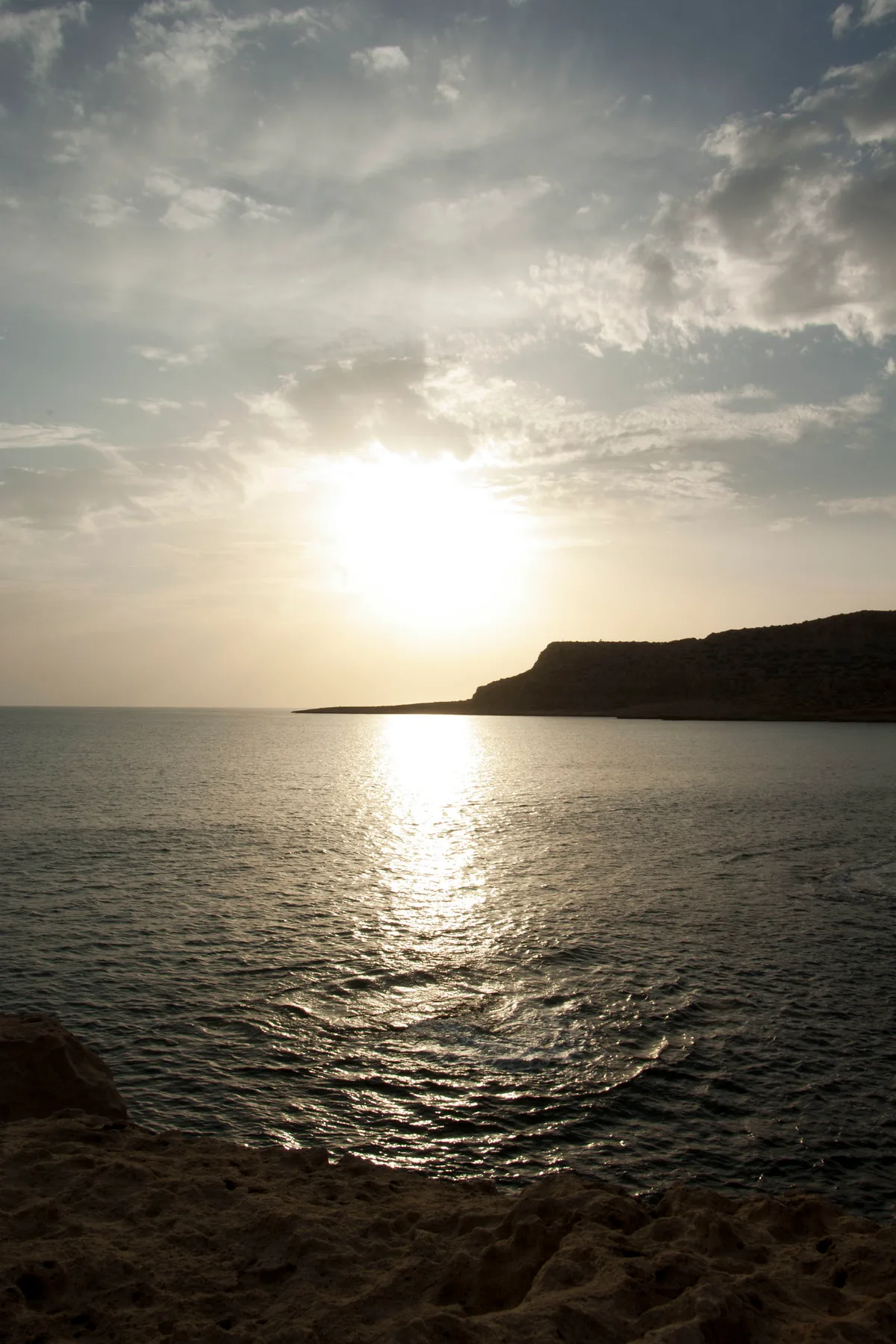
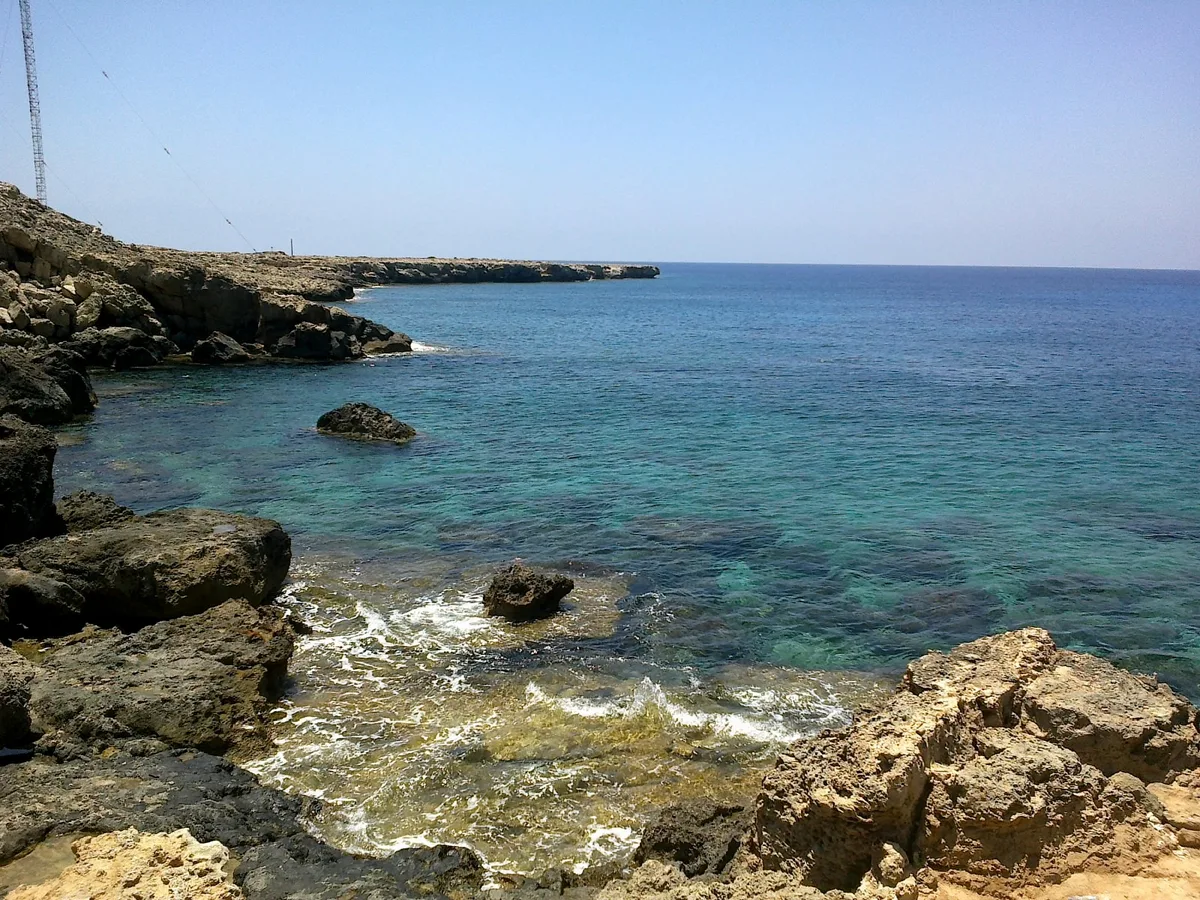
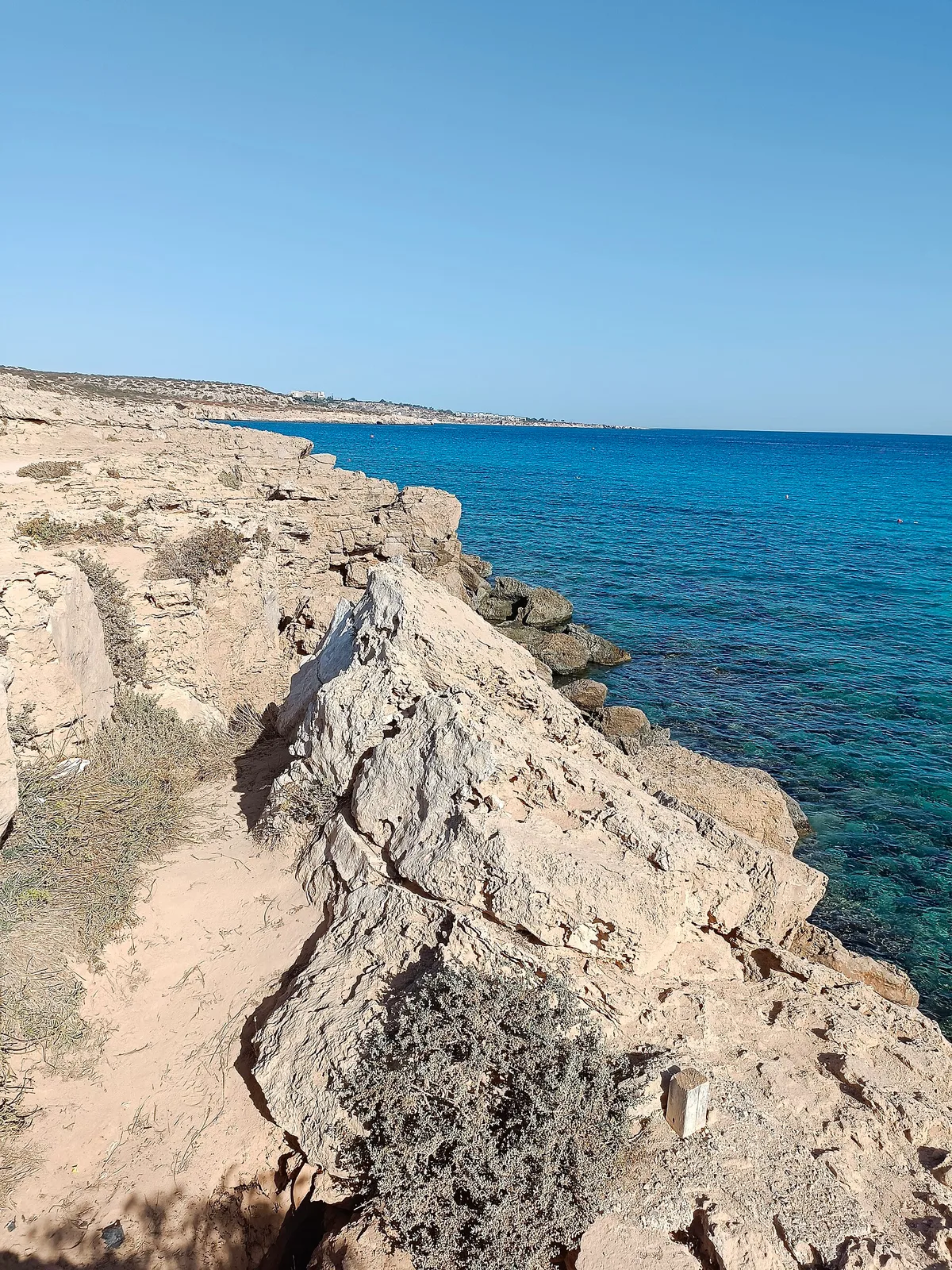
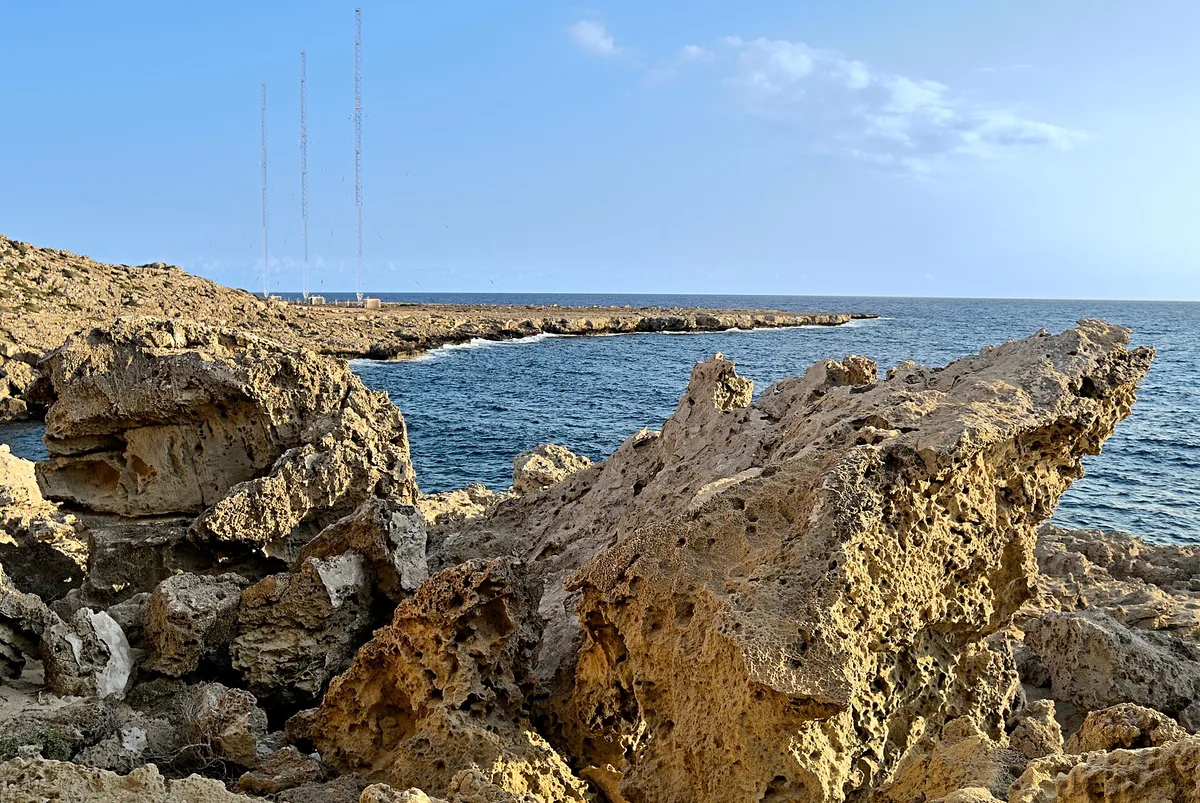
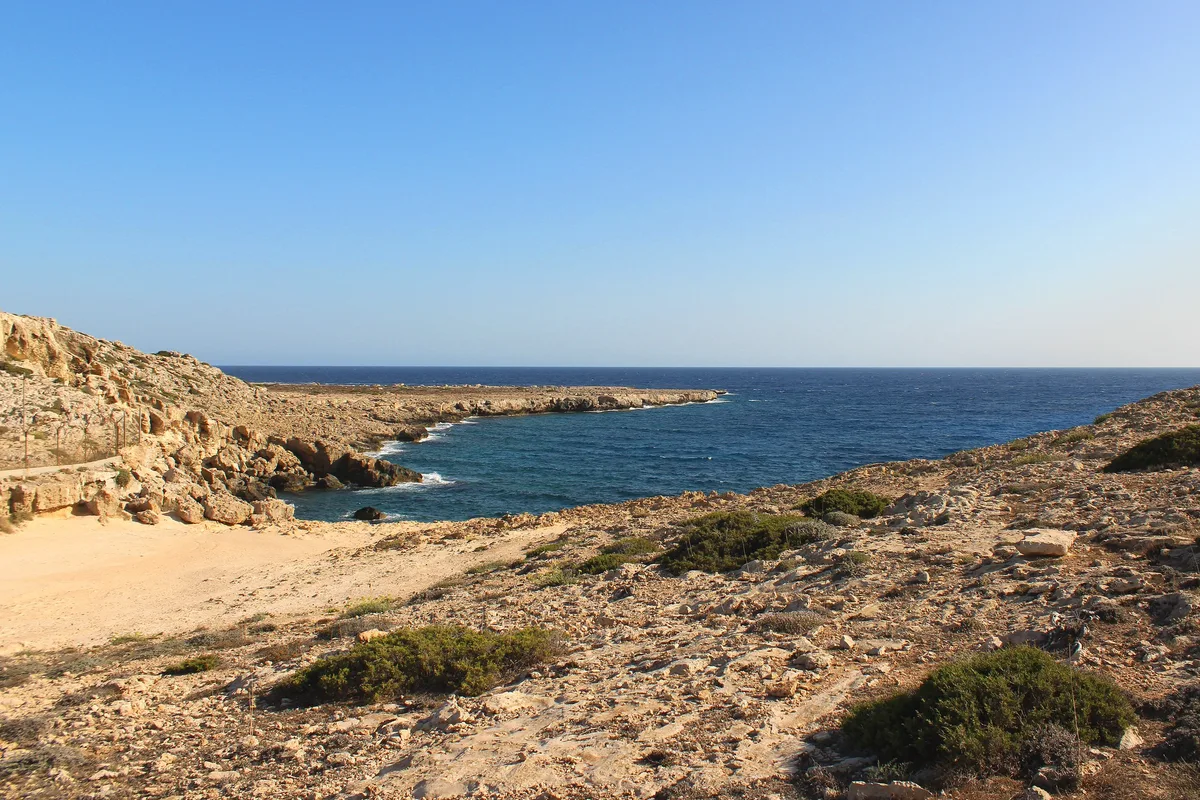
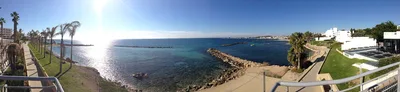
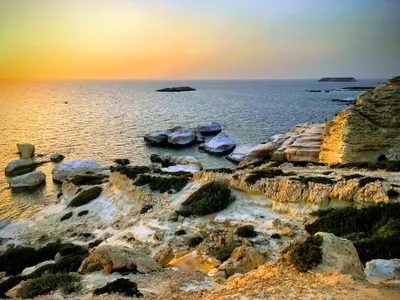
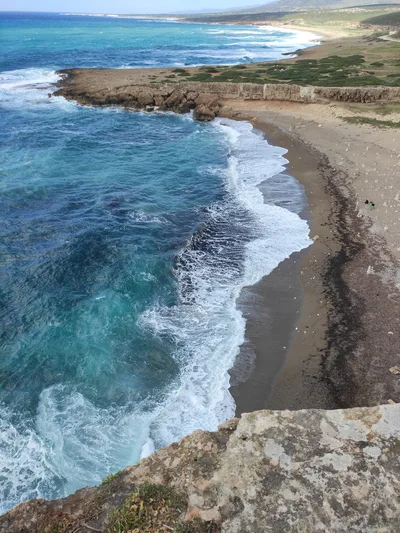
sits on Cyprus's wild south-eastern cape, a rocky shoreline where there's no sand — just ancient limestone meeting crystal-clear water. The cape's geology is the spectacle here: sea caves carved by centuries of wave action, natural arches, and rock formations that glow amber and ochre in the afternoon light. It's raw and untamed in a way that most of Cyprus's coast simply isn't. The water is genuinely transparent, revealing the seabed in vivid detail. Reach it only by boat — no road touches this shore.
How to get there
is boat-access only — there is no road, no path, and no way to drive here. Depart by ferry or boat from the Ayia Napa area, the nearest town at the commune boundary. The closest major gateway is Larnaca International Airport (LCA), roughly 43 km away. There is no parking on the beach side, because there is no land approach — plan your entire journey around the water.
Who it's for
For couples
The boat-only access and wild, untouched character of make it a genuinely private escape — you're unlikely to share the rocks with many others, and the crystal-clear water and cave geology create a setting that rewards slow exploration together.
For families
The rocky, cave-heavy terrain and boat-only access make this a challenging choice for young children — there's no sand, no shade, no facilities, and no easy exit if conditions change. Older kids who are confident swimmers and comfortable on rocky shores will find the snorkelling and geology genuinely exciting.
Our take
Feet in the sand, eyes on the screen
is not a beach you stumble across — it demands intention. The boat-only access filters out casual visitors, and what you get in return is a wild, rocky cape with crystal-clear water, genuine sea caves, and a geological landscape that feels nothing like the resort coast a few kilometres west. There's no sand, no sunbeds, no taverna, and no signal. That's the point. Snorkellers and divers get the best of it — the underwater cave structures are the real attraction here, and the water clarity makes every metre count. Go in June or September when the Aegean light is sharp and the sea is calm enough to explore safely by boat. Worth the planning.
What to do
The Blue Lagoon is just 0.6 km away and pairs naturally with a boat trip to the cape. Serious divers should note the Diving Cave site roughly 1 km from the beach — a recognised underwater feature worth planning around. The Kamara tou Koraka Natural Bridge, 1.4 km away, is one of the most photographed geological formations on the island and visible by boat. Snorkelling directly off the rocky shore is the main draw at the beach itself, with crystal-clear water revealing the underwater cave structures.
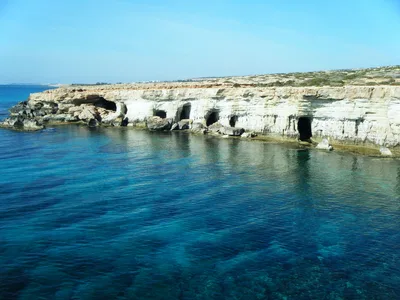
The sea cave entrances shot from water level — kayak or swim into position — deliver the most dramatic frames, with crystal-clear water in the foreground and cave rock overhead.
The Kamara tou Koraka Natural Bridge at 1.4 km is the cape's most iconic geological feature and worth the short boat detour for a wide-angle arch shot. Early morning light on the amber limestone, before the sun climbs high, gives the rocks their warmest colour and keeps reflections on the water clean.
Where to eat
There are no food or drink facilities at — bring everything you need from Ayia Napa before boarding. Spartiatis Restaurant, about 3 km away and rated 4.6 out of 5 across over 1,300 reviews, is a solid option for a meal before or after your boat trip.
Where to stay
No accommodation exists at the beach itself given its boat-only access. Ayia Napa, the nearest town, is the logical base — it sits at the commune boundary and is where you'll find lodging options and boat departure points.
Photography
The sea caves and natural rock arches photograph best in the soft light of early morning, when the crystal-clear water takes on depth and the limestone glows without harsh shadows. Position yourself low on the rocks at water level to frame the cave mouths against the open sea — the Kamara tou Koraka Natural Bridge, 1.4 km along the cape, is worth the extra few minutes by boat for a dramatic wide shot.
Good to know
Come early in the day: the cape's exposed rocky shoreline offers no shade, and the limestone heats up fast by midday in summer. The terrain is entirely rocky with no sand, so water shoes are strongly recommended for entering and exiting the water. This is a digital-detox beach — cell signal is unreliable and there is nowhere to charge a device, so bring offline maps and download what you need before you leave the harbour. Pack all food, water, and supplies from Ayia Napa before boarding your boat, as there are no facilities on site.
Map
Nearby places
Spartiatis Restaurant
Frequently asked
The information on this page is provided for guidance only and may evolve. Access conditions, safety and infrastructure can change without notice. Always check official sources before traveling.
Other beaches in the region
Other wild beaches in Cyprus
Reviews of this beach
- No reviews yet, what a shame — leave yours and share your experience.
Photo credits
Sources and licenses for the photos shown above.
- Photo 1 — wiseguy71 · source · CC BY-SA 2.0
- Photo 2 — rene boulay · source · CC BY-SA 3.0
- Photo 3 — Knowledge2need · source · CC BY-SA 4.0
- Photo 4 — wiseguy71 · source · CC BY-SA 2.0
- Photo 5 — Vsatinet · source · CC BY-SA 4.0
- Photo 6 — Ruben Holthuijsen · source · CC BY 2.0