Chrysi Beach (Gaidouronisi)
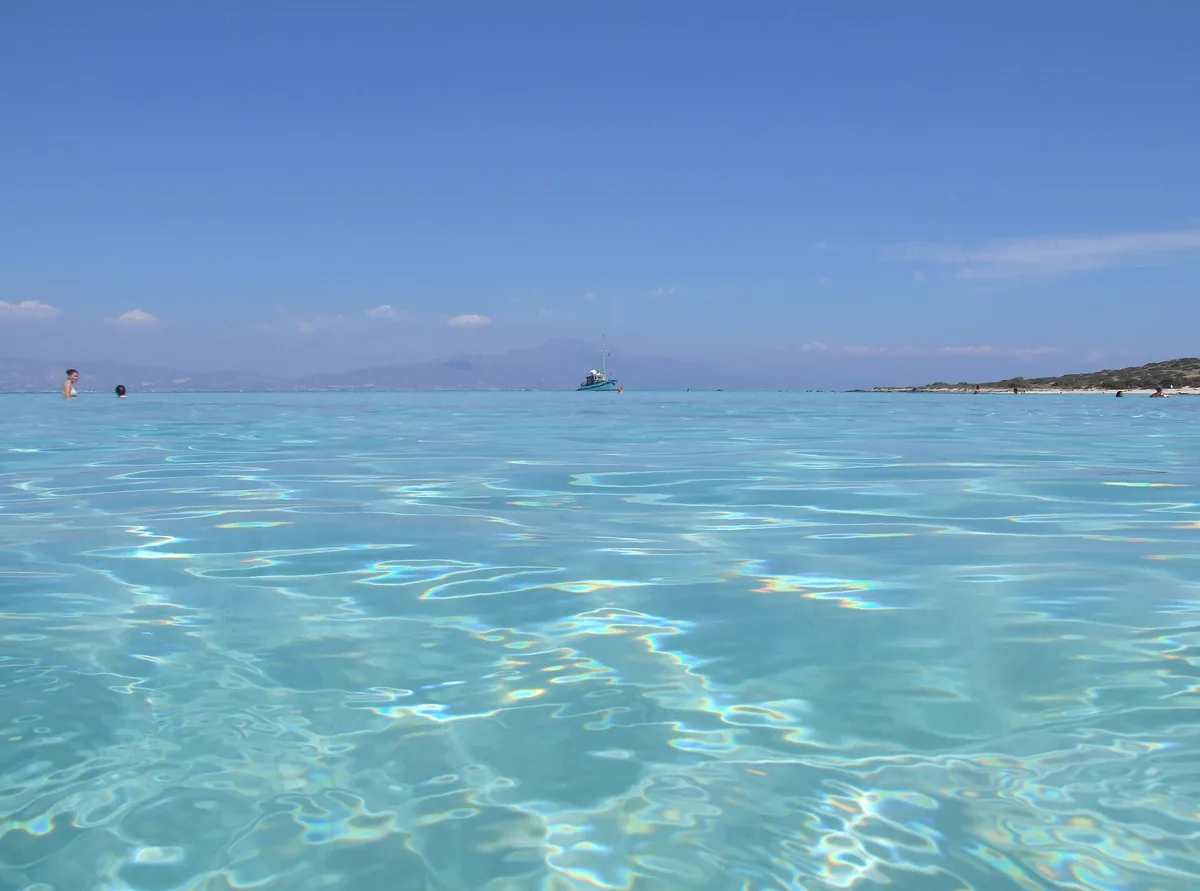
Uninhabited island, shell-white sand, Libyan Sea wild
About
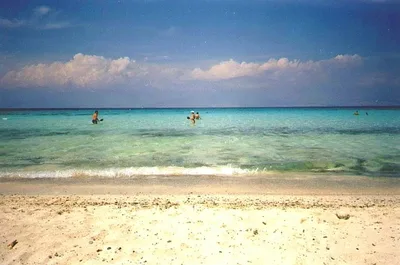
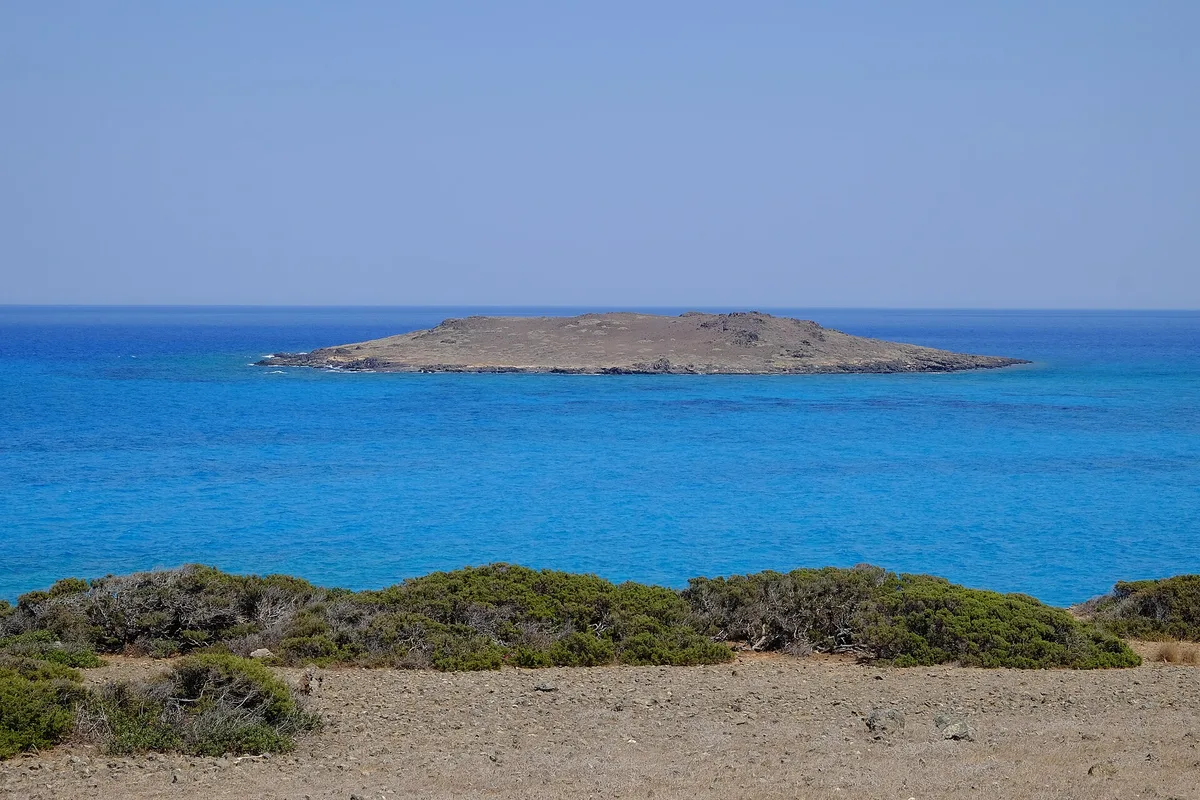
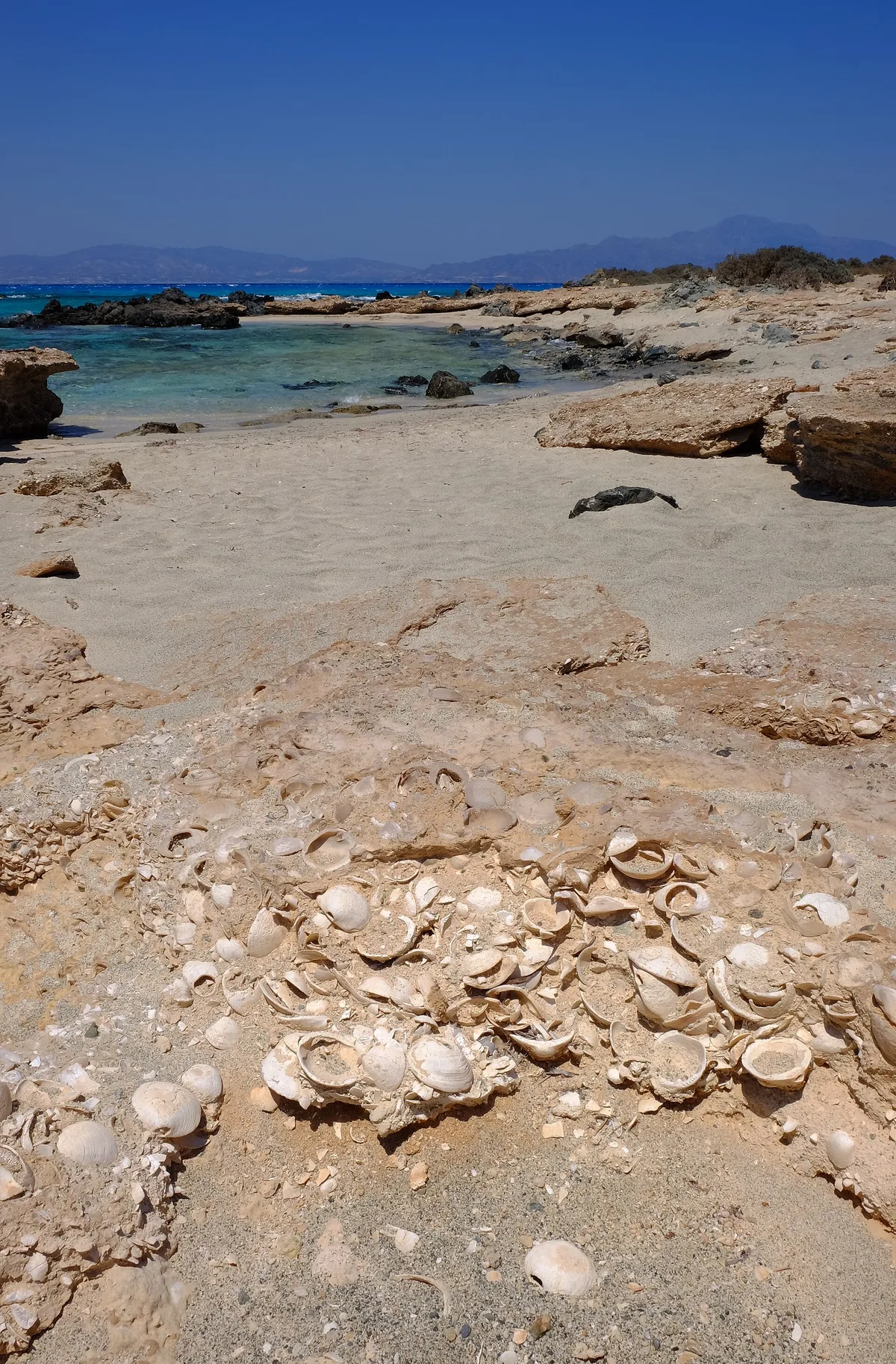
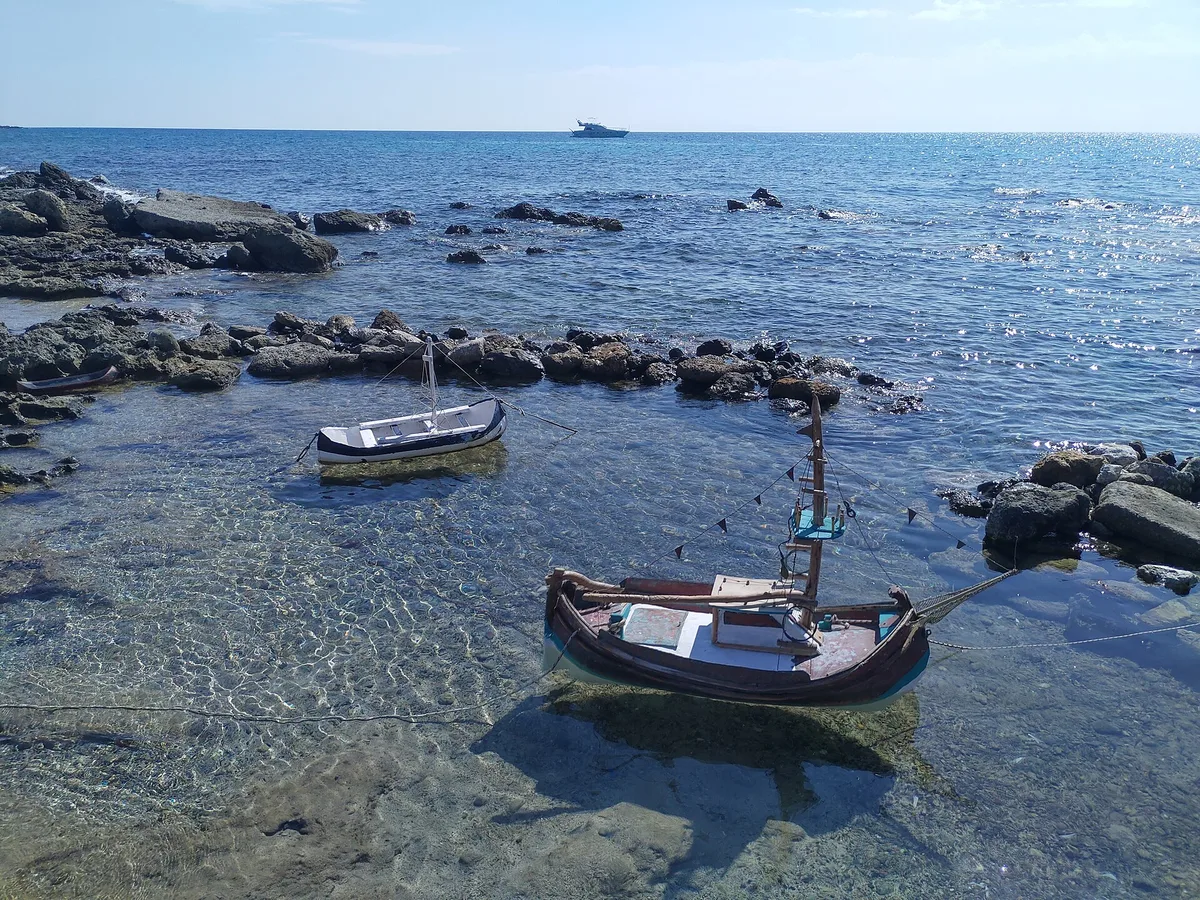
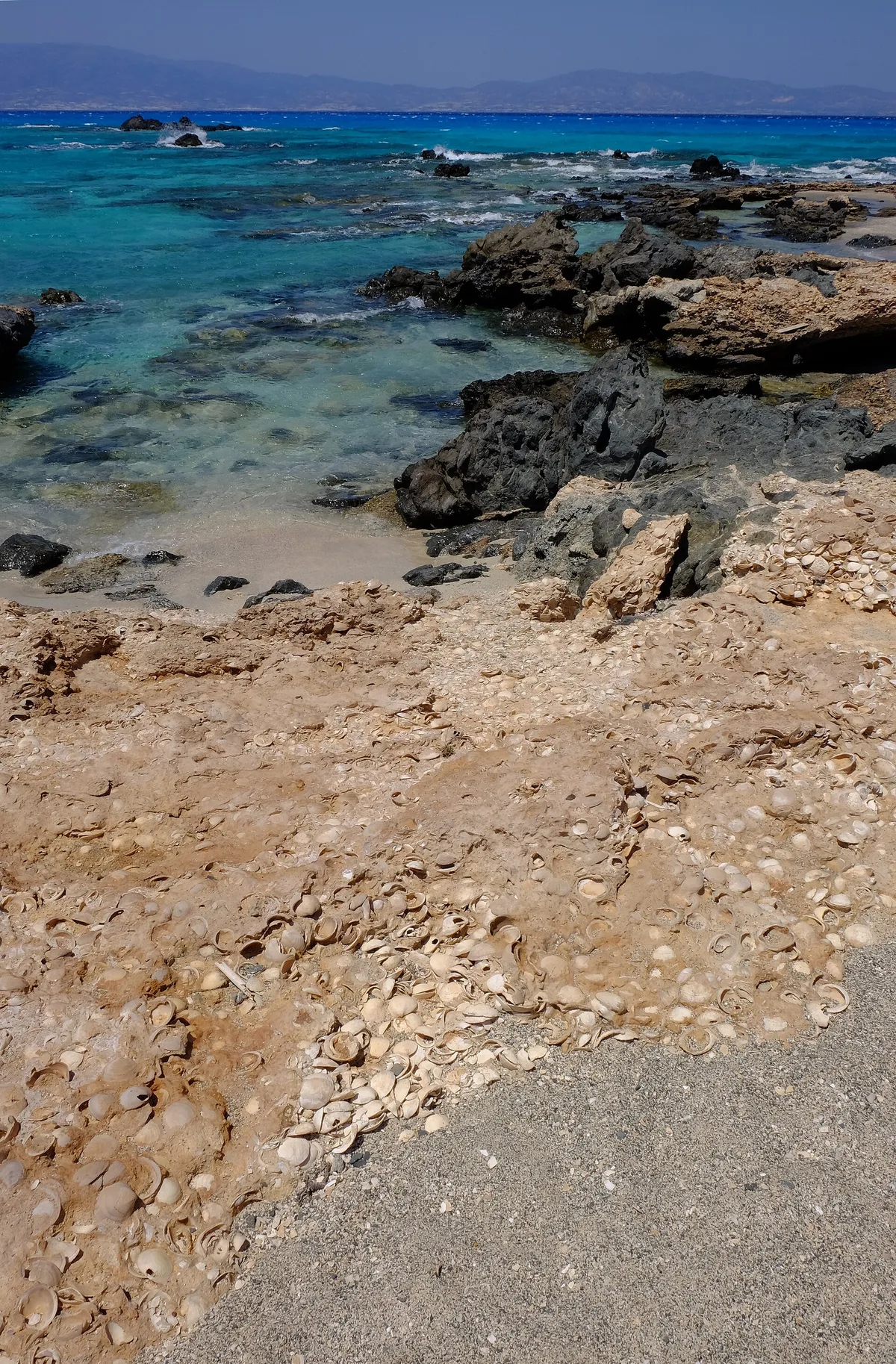
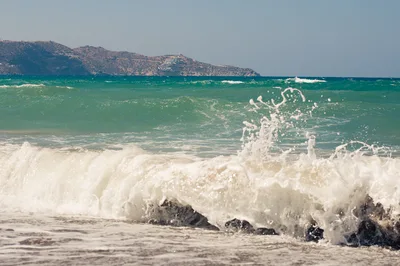
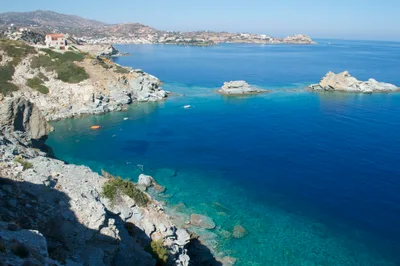
Chrysi — also known as Gaidouronisi — is an uninhabited protected island floating in the Libyan Sea, roughly 45 minutes by boat from Ierapetra on Crete's southern coast. Its beaches stretch around 1,200 metres of pinkish-white, shell-fragment sand that crunches softly underfoot, lapped by shallow turquoise water that shifts through every shade of blue-green. The island's interior is draped in one of the oldest and most intact Juniperus phoenicea forests in Europe — a gnarled, aromatic canopy that frames the shoreline from above. Beaches line both the north and south coasts, each with its own light and mood depending on the time of day. No tavernas, no hotels, no roads — just sand, juniper and open sea.
How to get there
Chrysi is boat-access only — there is no road, no bridge, and no way to arrive except by sea. Seasonal ferry and boat services depart from Ierapetra harbour; the crossing takes approximately 45 minutes. Services run May through October only; the island is completely inaccessible outside this window. Park at Ierapetra harbour before boarding — the island itself has no vehicle access whatsoever.
Who it's for
For couples
Chrysi's wild, car-free isolation and the rhythm of a shared boat journey make it a genuinely unhurried escape — no distractions, just shell-sand, turquoise water and the scent of ancient juniper on the breeze.
For families
Safe, shallow turquoise water and a long stretch of soft shell-fragment sand give children plenty of room to play, but come prepared: there's no shade infrastructure, no food, no fresh water, and no medical help on the island, so families need to pack thoroughly and plan around the boat schedule.
Our take
Feet in the sand, eyes on the screen
Chrysi earns its reputation not through infrastructure but through absence — no roads, no overnight guests, no noise beyond wind and water. The shell-fragment sand is genuinely unlike anything on the Cretan mainland, and the protected juniper forest gives the island a prehistoric stillness that's rare in the Mediterranean. Come prepared as if you're heading somewhere truly remote: no water, no food, no medical help, and no second boat if you miss yours. The boat-only access and day-trip-only rules are not inconveniences — they're what keep this place intact. Visit in June or early September to avoid the peak July–August rush of day-trippers. This is one of the few beaches in Greece where the rules exist for the right reasons, and following them is part of the deal.
What to do
The beach itself is the main event — swimming in the turquoise shallows along the shell-sand shore is safe and the water is clear. Back on the mainland, Ierapetra's Old Town is worth an afternoon: it's the southernmost town in Europe and holds a 13th-century Venetian fortress (Kales) right at the harbour entrance, plus an Ottoman mosque and a small archaeological museum. Koutsounari Beach, about 18 kilometres east of Ierapetra, offers a longer, semi-wild sandy stretch with tamarisk shade if you want a second beach day without the boat trip.
The shell-fragment pinkish-white sand meeting turquoise water is the defining shot — get low at the waterline in morning light for maximum colour contrast.
The ancient Juniperus phoenicea trees framing the beach edge against the open Libyan Sea sky offer a wilder, more textural composition that sets Chrysi apart from any ordinary beach photo.
Where to eat
There are no restaurants, cafés, or food vendors on Chrysi — bring your own picnic, plenty of water, and snacks for the full day. Plan your meals around Ierapetra before departure or after your return; the Old Town has the nearest dining options.
Where to stay
There is no accommodation on Chrysi — overnight stays are prohibited. Ierapetra Municipal Unit, the departure point for the island, is the natural base for visiting; it sits right at the harbour and offers the full range of lodging options for the area.
Photography
Shoot the pinkish-white shell-sand against the turquoise water in the soft morning light before the day-trip boats arrive — the contrast is at its sharpest then. The silhouette of the ancient juniper trees against the open Libyan Sea sky makes a compelling frame from the beach edge, especially in the golden hour before the last boats depart.
Good to know
No camping, no fires, and no overnight stays are permitted — day visits only, and protected nature reserve regulations are strictly enforced. Do not remove shells, sand, or any natural material from the beach; the shell-fragment sand is part of the protected ecosystem. Access to the island's interior and juniper forest is prohibited — visitors must stay on the beach shoreline. Critically, there is no fresh water and no medical facility on the island: bring everything you need, including drinking water, sun protection, and a first-aid kit. Disembarkation directly onto the beach may not always be possible; be prepared to swim a short distance from the boat to shore.
Map
Nearby places
Ierapetra Old Town
Venetian Fortress of Ierapetra (Kales)
Koutsounari Beach
Things to see around Ierapetra
Ierapetra Old Town
Southernmost town in Europe with Venetian fortress, Ottoman mosque and small archaeological museum.
Venetian Fortress of Ierapetra (Kales)
13th-century Venetian sea fortress at the harbour entrance of Ierapetra.
Koutsounari Beach
Long semi-wild sandy beach east of Ierapetra with tamarisk shade and dune backing.
Frequently asked
The information on this page is provided for guidance only and may evolve. Access conditions, safety and infrastructure can change without notice. Always check official sources before traveling.
Nearest beaches
Other wild beaches in Greece
More beaches in Crete
Reviews of this beach
- No reviews yet, what a shame — leave yours and share your experience.
Photo credits
Sources and licenses for the photos shown above.
- Photo 1 — Dkoukoul · source · CC BY-SA 3.0
- Photo 2 — kramer96 · source · CC BY-SA 3.0
- Photo 3 — Quim Gil · source · CC0
- Photo 4 — Quim Gil · source · CC0
- Photo 5 — Tomisti · source · CC BY-SA 4.0
- Photo 6 — Quim Gil · source · CC0