Morro de São Paulo BeachBrazil Beach Guide
White sand, turquoise reef pools, and Bahia's best island nightlife
About
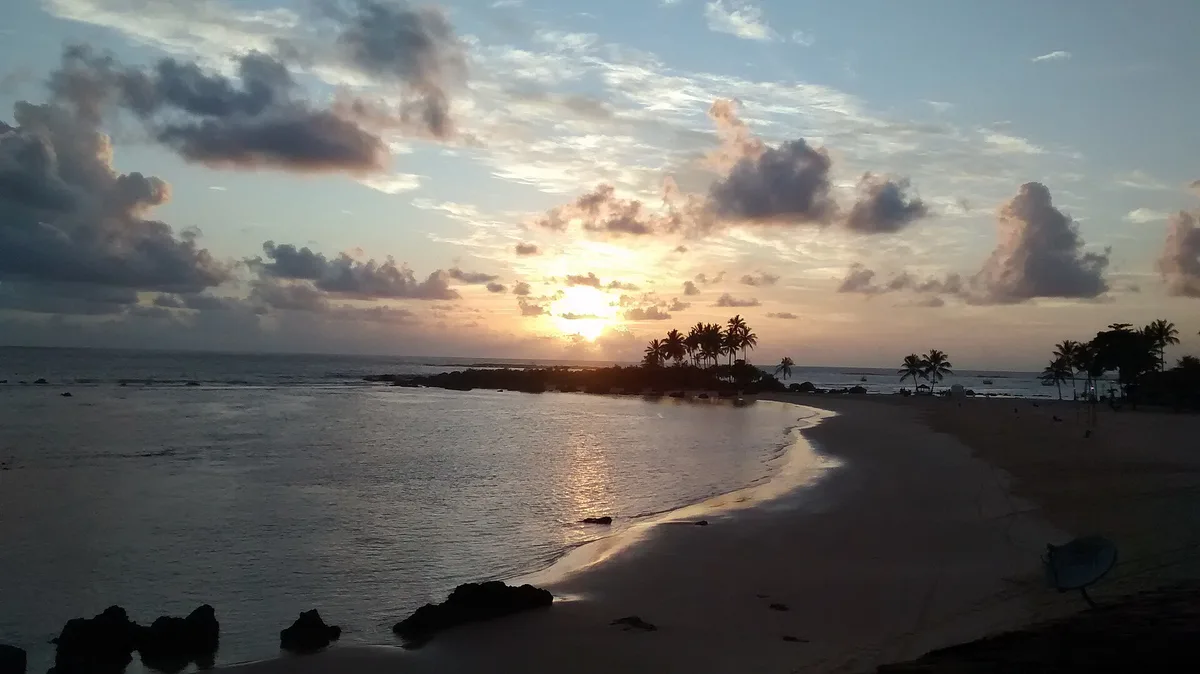
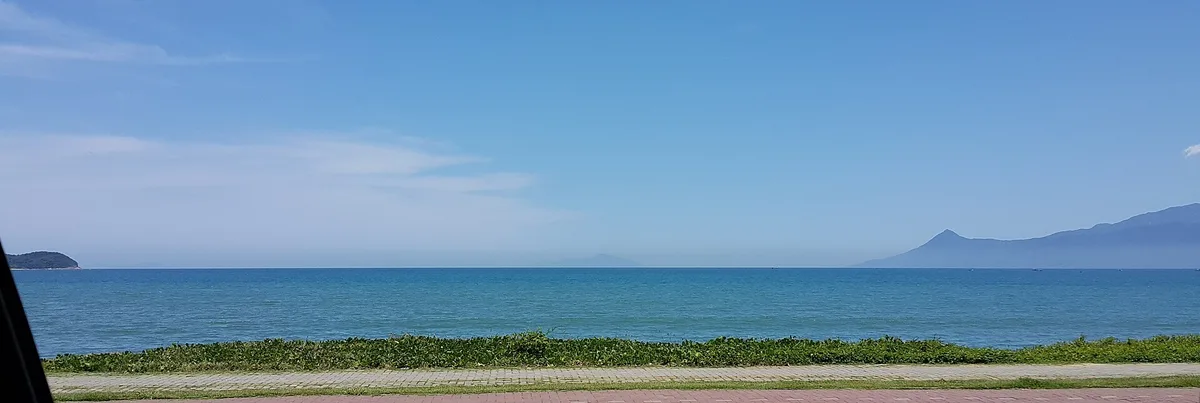
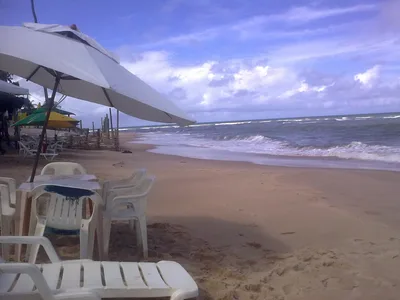
Praia de Morro de São Paulo sits on Ilha de Tinharé off the Bahia coast of Brazil, reachable only by water or air — no roads, no cars, just white sand meeting turquoise water. The beaches here are numbered rather than named, each with its own personality: First Beach takes the waves, while the others offer calmer reef pools and a lively bar scene that runs well into the night. The setting is classic tropical Atlantic — dense green hillside behind you, warm shallow water in front, the kind of place where flip-flops are the only footwear you'll need. It's busy by design, drawing visitors who want both natural beauty and a social atmosphere, and it delivers on both counts.
How to get there
There are no cars on Ilha de Tinharé, so you'll arrive by sea or air. The most popular option is a catamaran from Salvador, roughly 120 minutes with several daily departures. If you prefer speed, a 25-minute air shuttle from Salvador operates at least three times daily, with extra flights on weekends and in high season; alternatively, a speedboat from Valença takes about 40 minutes and runs approximately every 30 minutes. If you're driving from Salvador, parking is available in Valença on the mainland — leave your car there and board the speedboat. Note that a mandatory environmental preservation fee (TUPA) of R$ 70.00 per person is charged on entry to the island; children up to 5 and visitors over 60 are exempt, while students and people with special needs pay half.
Who it's for
For couples
The combination of warm turquoise water, white sand, and a lively evening atmosphere makes this a strong pick for couples who want beach days and beach nights in equal measure — book a pousada a little further from the main strip for more quiet.
For families
Swimming is safe on the calmer numbered beaches, and the reef pools give younger children a sheltered place to splash around; just keep them away from First Beach, where waves can be strong. Remember that children up to 5 years old are exempt from the R$ 70.00 TUPA entry fee.
Our take
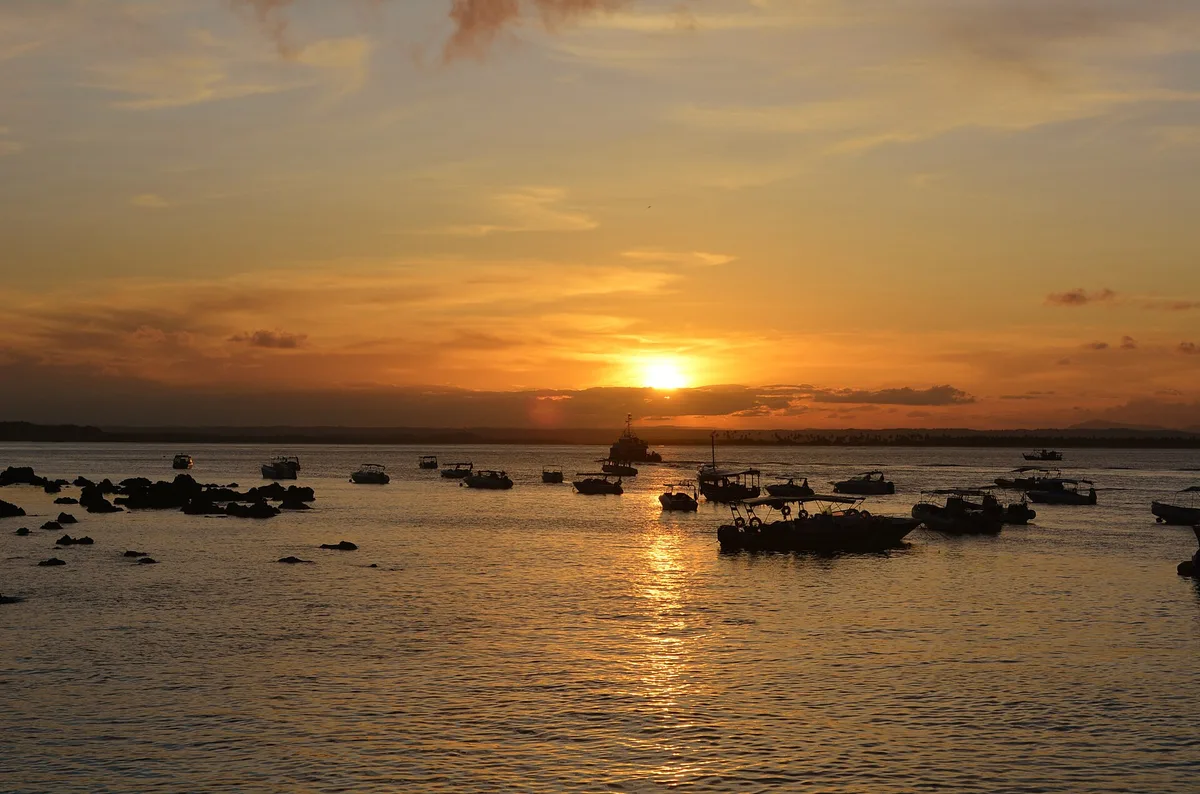
Morro de São Paulo is one of those places that earns its reputation without needing much embellishment — white sand, turquoise reef pools, a working lighthouse, and a nightlife scene that keeps going long after the day boats head back to Salvador. The car-free island forces a slower pace that most visitors end up grateful for. Go in the dry season, May through October, and you'll get the best of it: calm crossings, clear water, and warm evenings. Avoid First Beach if you're not a surfer — the waves there are real. The TUPA entry fee is mandatory and enforced, so factor it in. It's busy, it's social, and it's genuinely beautiful — just don't expect a quiet escape.
What to do
Climb to the Farol do Morro lighthouse (about 3.9 km from the beach) for a panoramic view over the island and the Atlantic. The Mirante da Tirolesa, roughly 3.8 km away, offers a zip-line experience with sea views that's worth the walk uphill. Don't miss the Paredão da Argila at 3.4 km — a natural clay wall where visitors traditionally coat themselves in coloured clay before rinsing off in the sea.
The Paredão da Argila clay wall at 3.4 km is one of the most photographed spots on the island — the coloured clay against the surrounding green is unlike anything else on the Bahia coast.
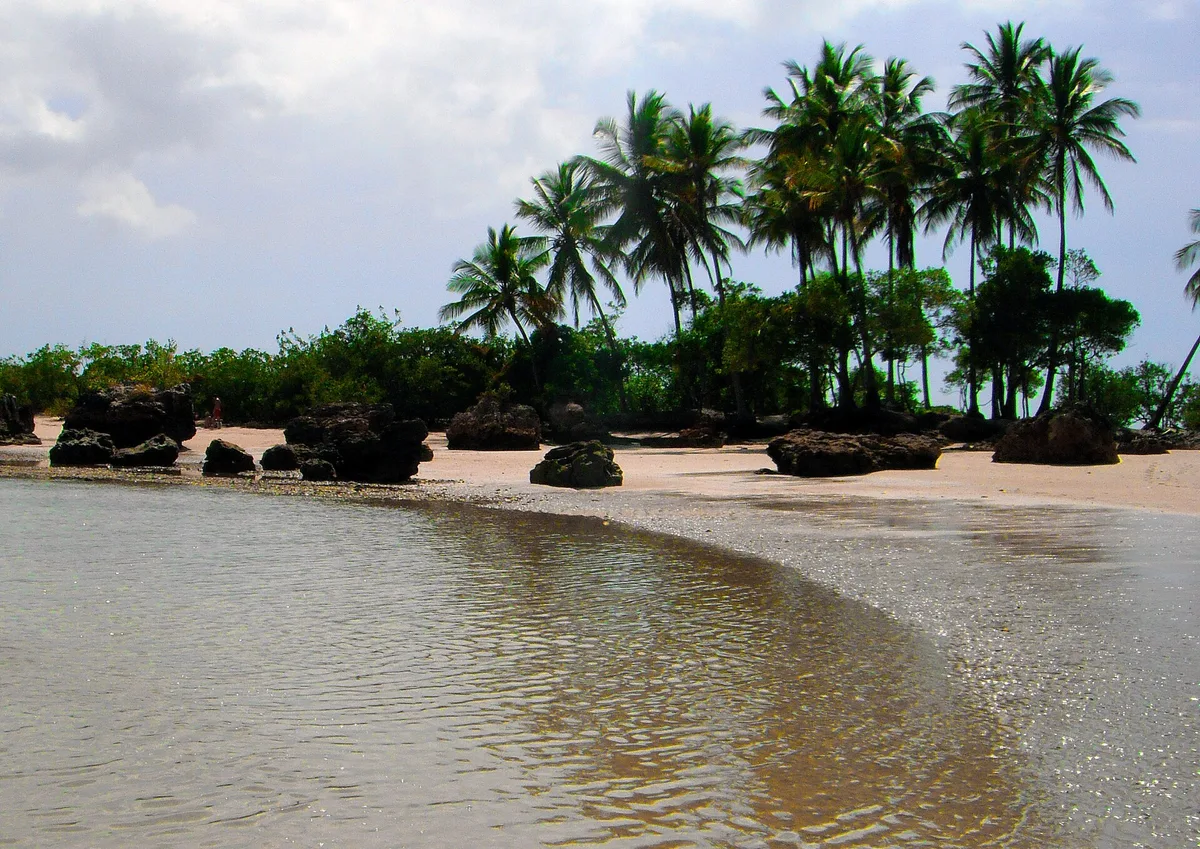
The view from the Farol do Morro lighthouse captures the full sweep of white sand and turquoise water below. At beach level, the reef pools at low tide create mirror-like reflections that photograph best in the soft light of early morning.
Where to eat
Right on the beach, Pinaúma is the closest option for a meal or a cold drink without going far. Barraca da Miriam at 1.2 km is a local favourite for casual beachside eating, while Awa Mar at 1.7 km offers a slightly more relaxed setting further along the shore. For a proper sit-down meal, Restaurante da Piscina at 2.5 km serves Brazilian food, and Recanto do Aviador at 2.7 km rounds out the options if you're exploring the island on foot.
Where to stay
Pousada Fazenda Caeiras at 2.4 km is a solid base with a more rural feel, while Villa dos Corais pousada and Hotel Karapitangui — both around 2.6 km — offer comfortable stays closer to the action. Hotel Fazenda Parque Praia Vila Guaiamu at 2.6 km suits those who want a bit more space and greenery around them.
Photography
The best light hits the white sand and turquoise reef pools in the early morning before the day-trippers arrive — position yourself looking back toward the forested hillside for a shot that frames the contrast between jungle and sea. The Farol do Morro lighthouse at 3.9 km is the island's most iconic elevated vantage point, ideal at golden hour when the turquoise water catches the low sun.
Good to know
First Beach can produce waves suitable for surfing, so non-surfers should choose the calmer numbered beaches further along the strip. The TUPA fee of R$ 70.00 is collected on arrival — have it ready, as it's non-negotiable and goes directly toward environmental preservation and island infrastructure. The dry season runs May through October and is the most comfortable time to visit; November through April brings heavier rain, which can affect boat crossings. If you're arriving by catamaran from Salvador, book departures in advance during high season — the boats fill up fast.
GAMES
🕹️ Five minutes of sand?
Three daily games — including the UV simulator set to this beach.
Map
Nearby places
Pinaúma
Barraca da Miriam
Awa Mar
Restaurante da Piscina
Recanto do Aviador
Pousada Fazenda Caeiras
Hotel Fazenda Parque Praia Vila Guaiamu
Villa dos Corais pousada
Hotel Karapitangui
Pousada Fazenda Caeira
GIFT
🎁 Gift this beach
Its exact coastline, your date, your words — on a print or a PDF you print yourself.
Morro de São Paulo Beach
THAT DAY
Morro de São Paulo Beach, Brazilian Atlantic
© OpenStreetMap contributors
Clean & decorative, or “That day” with the real sky of your date.
Shipping included 3-6 business days
A question before you order? Contact us
Delivered within minutes on the confirmation page and by email: a ZIP with all 4 print sizes (30×40 cm, 12×16″, 50×70 cm, 18×24″), each as a high-resolution PDF and PNG (300 dpi), plus a screen version. Print at home or at any print shop.
Please complete the delivery address.
Please accept the Terms of Sale.
Almost there — the shop opens very soon.
Secure payment · Printed locally in 30+ countries · 7 languages
Frequently asked
The information on this page is provided for guidance only and may evolve. Access conditions, safety and infrastructure can change without notice. Always check official sources before traveling.
Other beaches in the region
Other lively beaches in Brazil
More beaches in Brazilian Atlantic
Reviews of this beach
- No reviews yet, what a shame — leave yours and share your experience.
Photo credits
Sources and licenses for the photos shown above.
- Photo 1 — Leandro Feitosa Nascimento · source · CC BY-SA 4.0
- Photo 2 — Ednei Fialho Lopes · source · CC BY-SA 4.0
- Photo 3 — Elvis Boaventura · source · CC BY 3.0
- Photo 4 — Beto Quissak · source · CC BY-SA 4.0
- Photo 5 — Themium · source · CC0