Caraíva BeachBrazil Beach Guide
No cars, no roads, just golden sand and river crossings
About
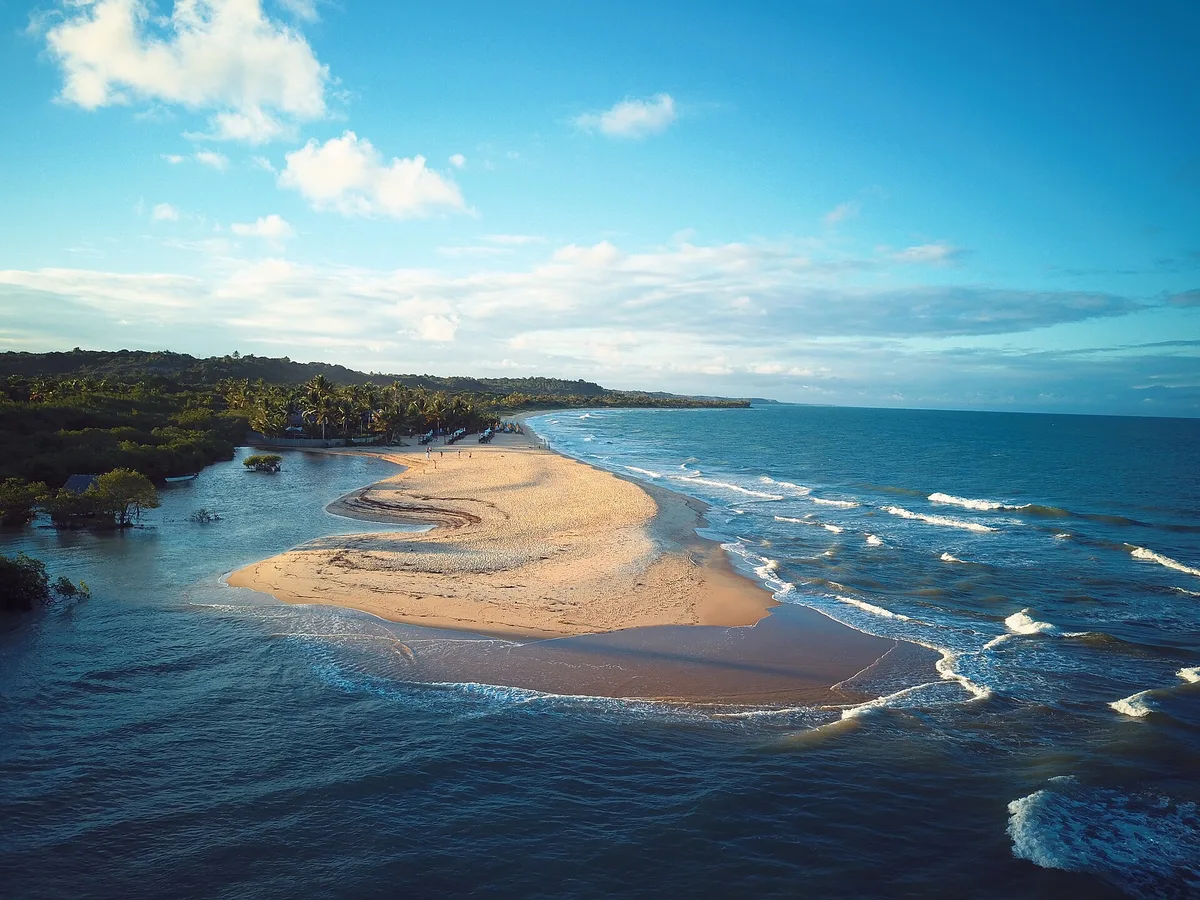
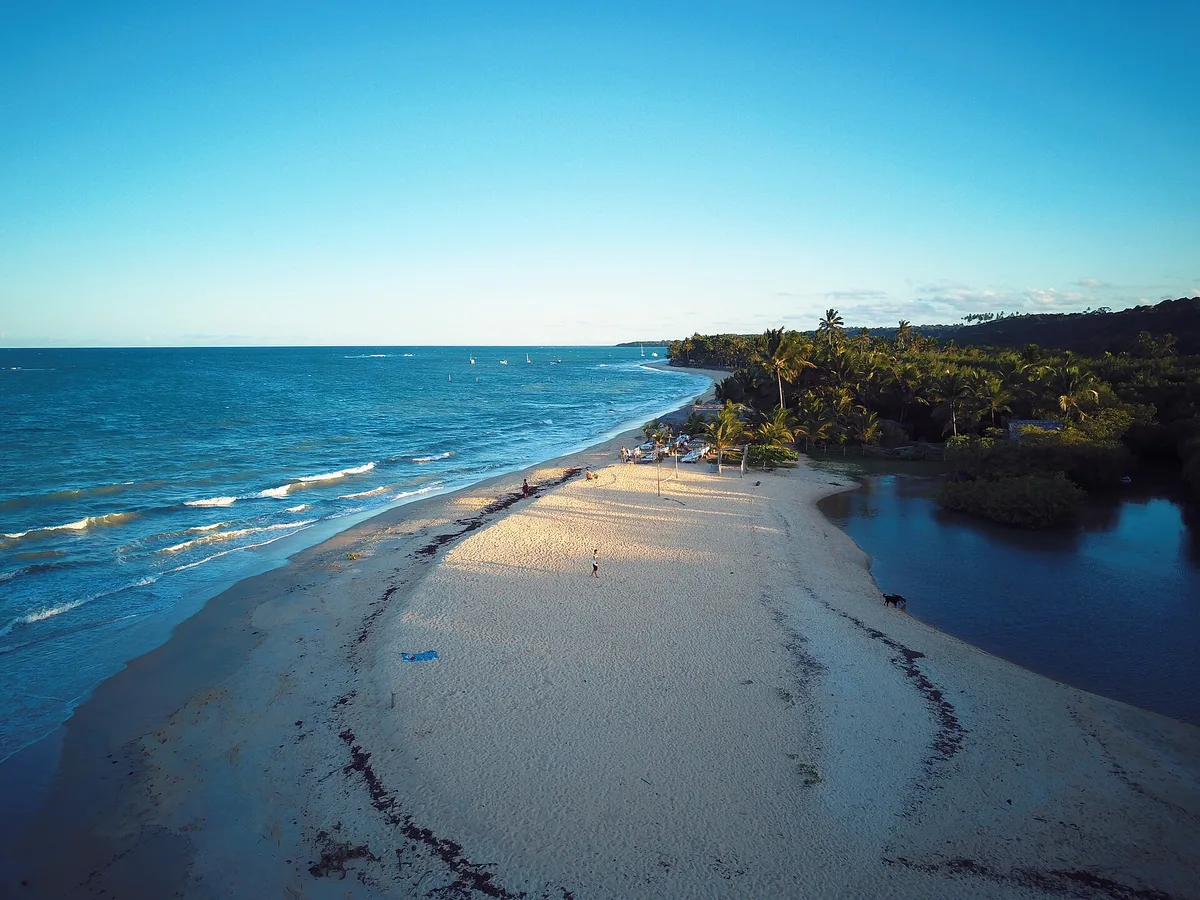
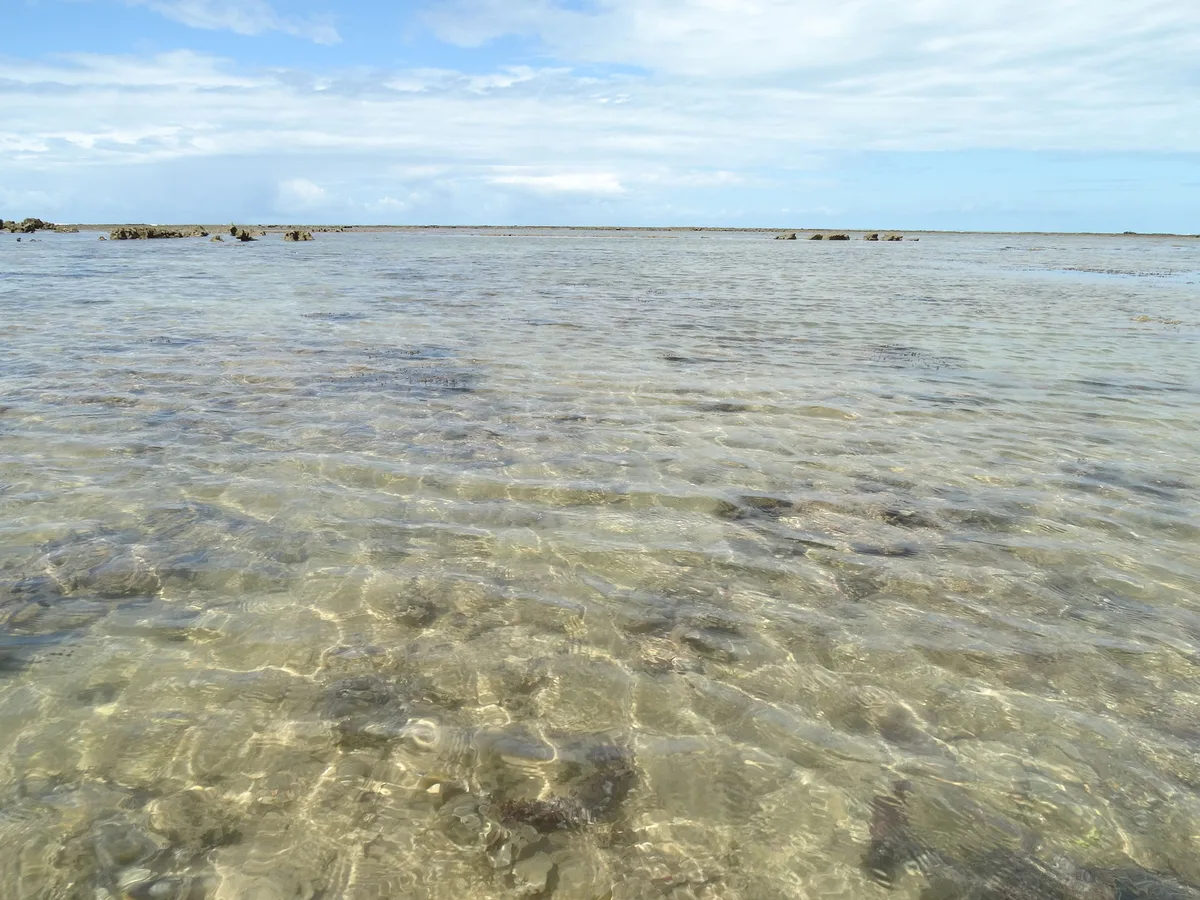
Praia de Caraíva sits on the southern Bahia coast of Brazil, where the Rio Caraíva meets the Atlantic in a sweep of golden sand and turquoise water. The beach is wild by nature — no motor vehicles are permitted in the village, and that single rule changes everything about the pace here. The air smells of salt and woodsmoke, the light is fierce and equatorial, and the horizon stretches unbroken. Indigenous territory lies nearby, adding a layer of cultural weight to the landscape that goes beyond the postcard. It's remote in the best and most demanding sense of the word.
How to get there
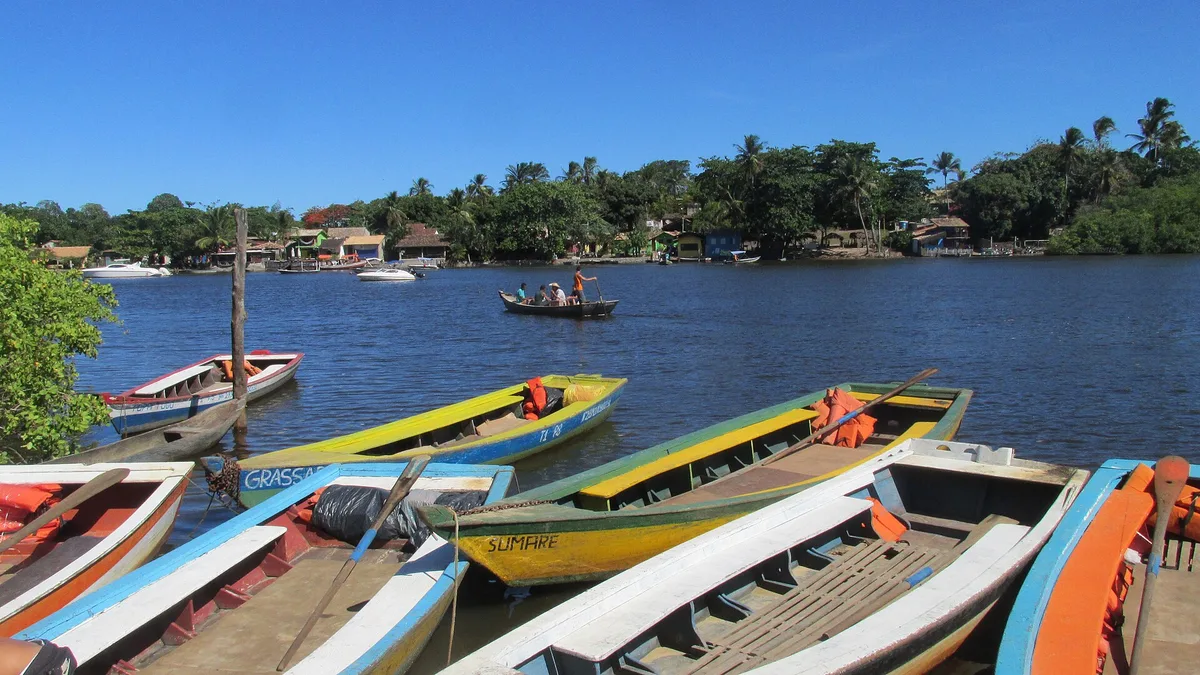
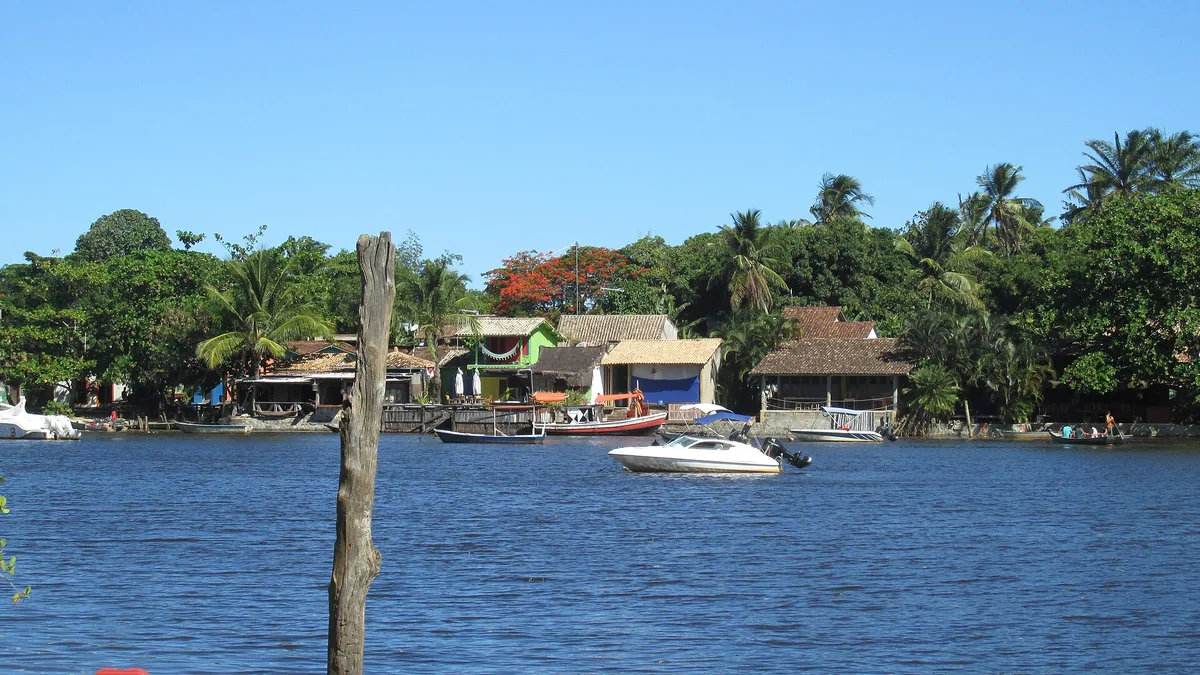
There are no roads into Caraíva village and no parking at the beach itself. If you're driving from Porto Seguro or Trancoso, leave your car in Nova Caraíva on the opposite bank — parking costs approximately R$20 per day — then take the short boat crossing to the village, which runs frequently and takes around 3 minutes. A twice-daily bus connects from Arraial d'Ajuda (around 160 minutes), and a taxi from Porto Seguro Airport takes roughly 150 minutes to Nova Caraíva, where the boat crossing completes the journey. Porto Seguro International Airport (BPS) is the nearest gateway, about 40.9 km away.
Who it's for
For couples
The no-cars rule creates an unusually quiet atmosphere — evenings here are lit by lanterns and the sound of the river, which makes Caraíva one of the more naturally romantic settings on the Bahia coast without trying to be.
For families
The boat crossing from Nova Caraíva is a novelty kids tend to love, and the car-free village means no traffic to worry about once you're across. The moderate swimming rating means younger children should stay in the shallower, calmer sections close to the river mouth rather than the open surf.
Our take
Caraíva earns its reputation as one of the last genuinely wild beaches on the Bahia coast, but it asks something of you in return: logistics, patience, and a willingness to disconnect. The no-cars rule isn't a gimmick — it's the reason the place still feels like itself. Swim with caution, the Atlantic here is not a swimming pool, and the UV is relentless so come prepared. The dry season window from May to October is when the journey pays off most reliably. If you want a beach that rewards effort and punishes complacency, this is it.
What to do
The beach itself is the main event, and simply walking the golden shoreline where the river meets the sea is worth the journey alone. For a longer excursion, Corumbau is reachable about 11.5 km away and offers a change of scenery along the coast. The river mouth creates a natural focal point for watching local boat traffic and the daily rhythms of a village that has deliberately kept the modern world at arm's length.
The river mouth at first light — golden sand meeting turquoise water with a traditional wooden boat in the foreground — is the defining shot of Caraíva.
The car-free sandy lanes of the village, framed by low palms and no signage, give you a second frame that looks like Brazil decades ago.
Where to eat
A handful of restaurants sit within easy walking distance of the beach. Bar e Restaurante Sombra e Água Fresca and O Forno both serve pizza and are under 1 km away, while BiriBiri and Gabriela round out the local dining options at around 0.7 km. For something with a beach-club feel, Satu Beach Club is about 3.4 km out.
Where to stay
Afeto Caraíva has two properties within roughly 1 km of the beach, making it the closest base for an overnight stay. Further afield, Jocotoka Village (11.6 km) and Pousada São Francisco (12 km) offer alternatives if you want a quieter setting outside the village itself.
Photography
Shoot the river mouth at sunrise when the light is low and golden and the first boats begin crossing — the contrast of turquoise water against the golden sand is sharpest before 8 am. The village-side shoreline looking south, with no roads or vehicles in frame, gives you a rare shot of a Brazilian beach that looks genuinely untouched.
Good to know
The UV intensity here is serious — wear high-SPF sunscreen, reapply after any time in the water, and cover up during midday hours. Swimming is rated moderate, so exercise caution: read the water before entering and never swim alone. The dry season runs May to October, which is the most comfortable and reliable window to visit; November through April brings heavy rain that can make access routes difficult. No cars means no noise, but it also means no quick exit — plan your logistics before you arrive.
GAMES
🕹️ Five minutes of sand?
Three daily games — including the UV simulator set to this beach.
Map
Nearby places
Bar e Restaurante Sombra e Água Fresca
BiriBiri
Gabriela
o forno
Satu Beach Club
Afeto Caraíva
Afeto Caraíva
Jocotoka Village
Pousada São Francisco
Corumbau
GIFT
🎁 Gift this beach
Its exact coastline, your date, your words — on a print or a PDF you print yourself.
Caraíva Beach
THAT DAY
Caraíva Beach, Brazilian Atlantic
© OpenStreetMap contributors
Clean & decorative, or “That day” with the real sky of your date.
Shipping included 3-6 business days
A question before you order? Contact us
Delivered within minutes on the confirmation page and by email: a ZIP with all 4 print sizes (30×40 cm, 12×16″, 50×70 cm, 18×24″), each as a high-resolution PDF and PNG (300 dpi), plus a screen version. Print at home or at any print shop.
Please complete the delivery address.
Please accept the Terms of Sale.
Almost there — the shop opens very soon.
Secure payment · Printed locally in 30+ countries · 7 languages
Frequently asked
The information on this page is provided for guidance only and may evolve. Access conditions, safety and infrastructure can change without notice. Always check official sources before traveling.
Other beaches in the region
Other wild beaches in Brazil
More beaches in Brazilian Atlantic
Reviews of this beach
- No reviews yet, what a shame — leave yours and share your experience.
Photo credits
Sources and licenses for the photos shown above.
- Photo 1 — DiegoArelano · source · CC BY-SA 4.0
- Photo 2 — DiegoArelano · source · CC BY-SA 4.0
- Photo 3 — Vilamir Azevedo · source · CC BY-SA 3.0
- Photo 4 — Vilamir Azevedo · source · CC BY-SA 3.0
- Photo 5 — Daniel Souza Lima · source · CC BY-SA 3.0