San Juan BeachMexico Beach Guide
Cozumel's wildest shore, ruled by frigatebirds
About
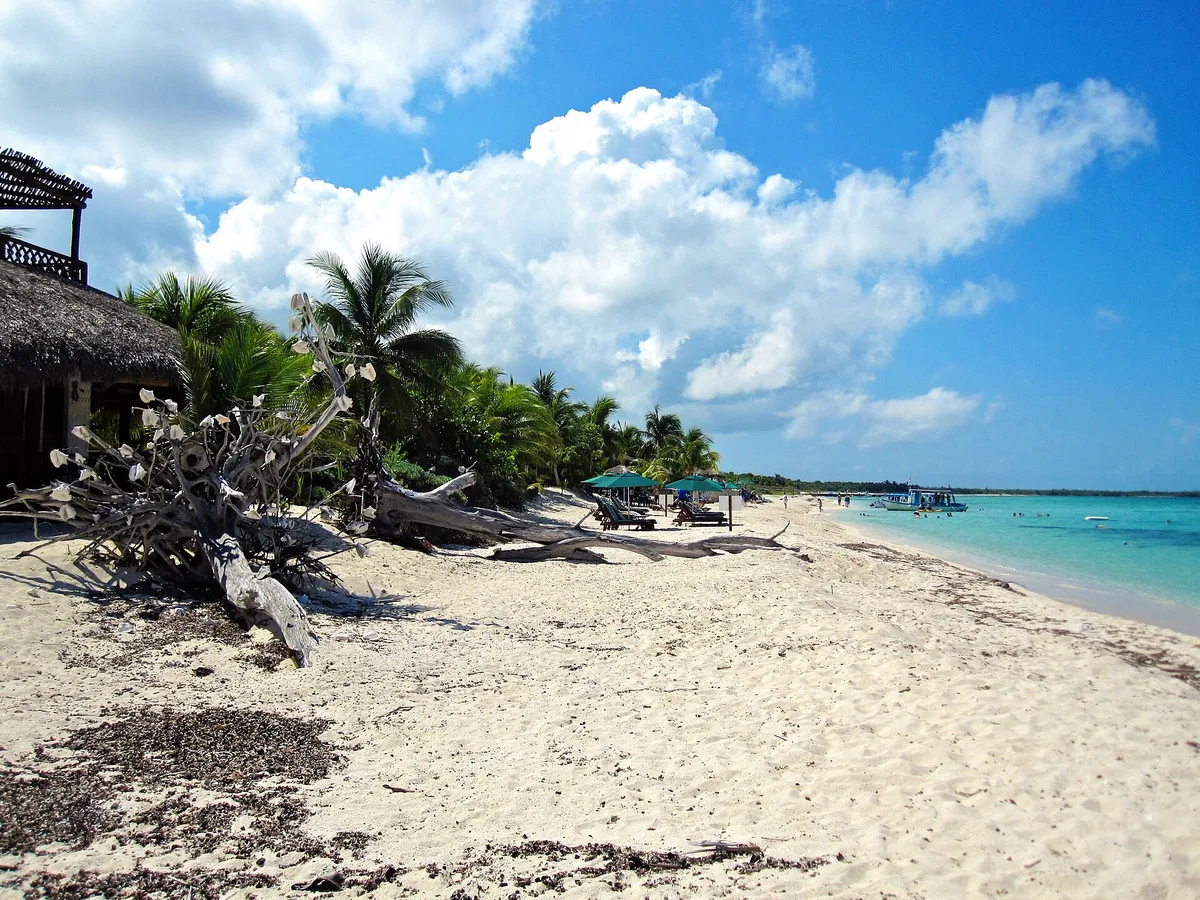
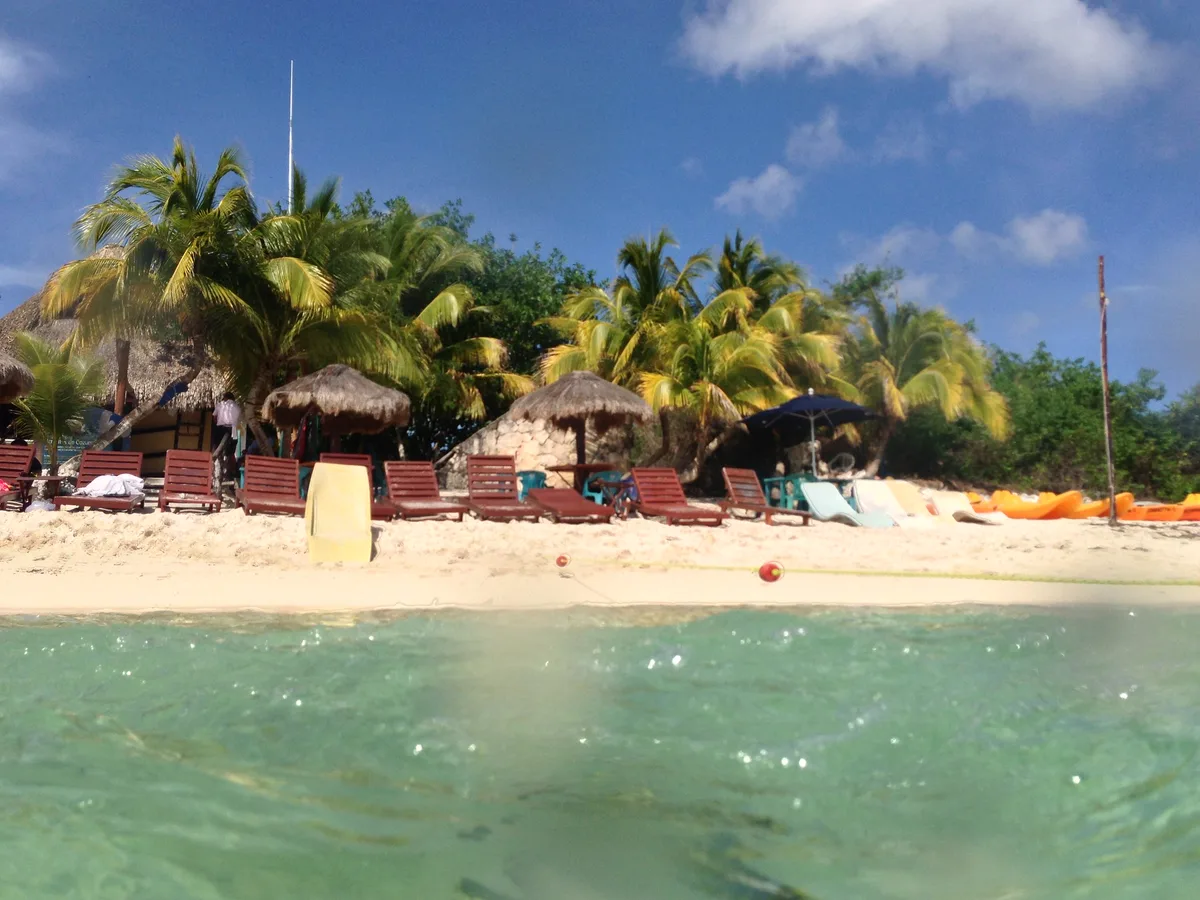
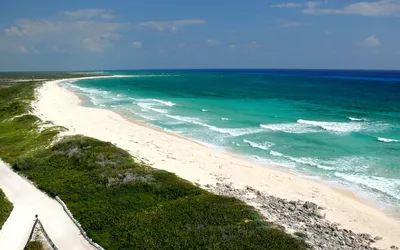
Playa San Juan sits on Isla Cozumel's least-visited coastline — a raw, 600-metre stretch where coral rubble meets blue water and the sky overhead belongs to a nesting frigatebird colony. The shoreline is mixed sand and coral fragments, nothing like the polished resort beaches on the island's western flank. Access is genuinely hard: you arrive by boat from San Miguel de Cozumel or along an unreliable dirt track, and you'll likely have the place entirely to yourself. From April through August the vegetation hums with nesting activity, and the birds make it clear this is their territory first. Come for the wildlife, the solitude, and the wild vibe — not the sunloungers.
How to get there
Reach Playa San Juan by boat from San Miguel de Cozumel — the crossing takes around 40 minutes and runs on demand. A dirt road alternative exists but its condition is unreliable and should not be counted on; in practice, the boat is the only dependable route. There is no parking of any kind at the beach. Cozumel International Airport (CZM) is roughly 20 km away, so most visitors base themselves in San Miguel and arrange a boat from there.
Who it's for
For couples
If your idea of romance is genuine solitude and a coastline that feels genuinely untouched, this delivers — you'll almost certainly be alone here, with only frigatebirds for company and blue water stretching to the horizon.
For families
Honestly, this beach is a poor fit for young children: coral rubble underfoot, no facilities, difficult boat-only access, and strict wildlife rules during nesting season make it hard to manage with kids in tow. Families with older, wildlife-curious teenagers who can follow the no-disturbance rules may find it a memorable detour.
Our take
Safety first: the coral rubble will injure bare feet, the dirt road access is unreliable, and between September and October the boat crossing becomes dangerous — plan accordingly. That said, Playa San Juan offers something genuinely rare on an island that can feel over-packaged: a coastline where humans are clearly the guests. The frigatebird colony elevates this from 'remote beach' to 'wildlife destination', and the empty shoreline means you can actually hear them. Swimming is rated moderate — water shoes on, stay aware, and don't push it. This is not a beach for a lazy afternoon; it rewards the organised, self-sufficient visitor who comes prepared and leaves no trace. Worth the effort for wildlife photographers and eco-minded travellers. Everyone else should weigh the access difficulty honestly before committing.
What to do
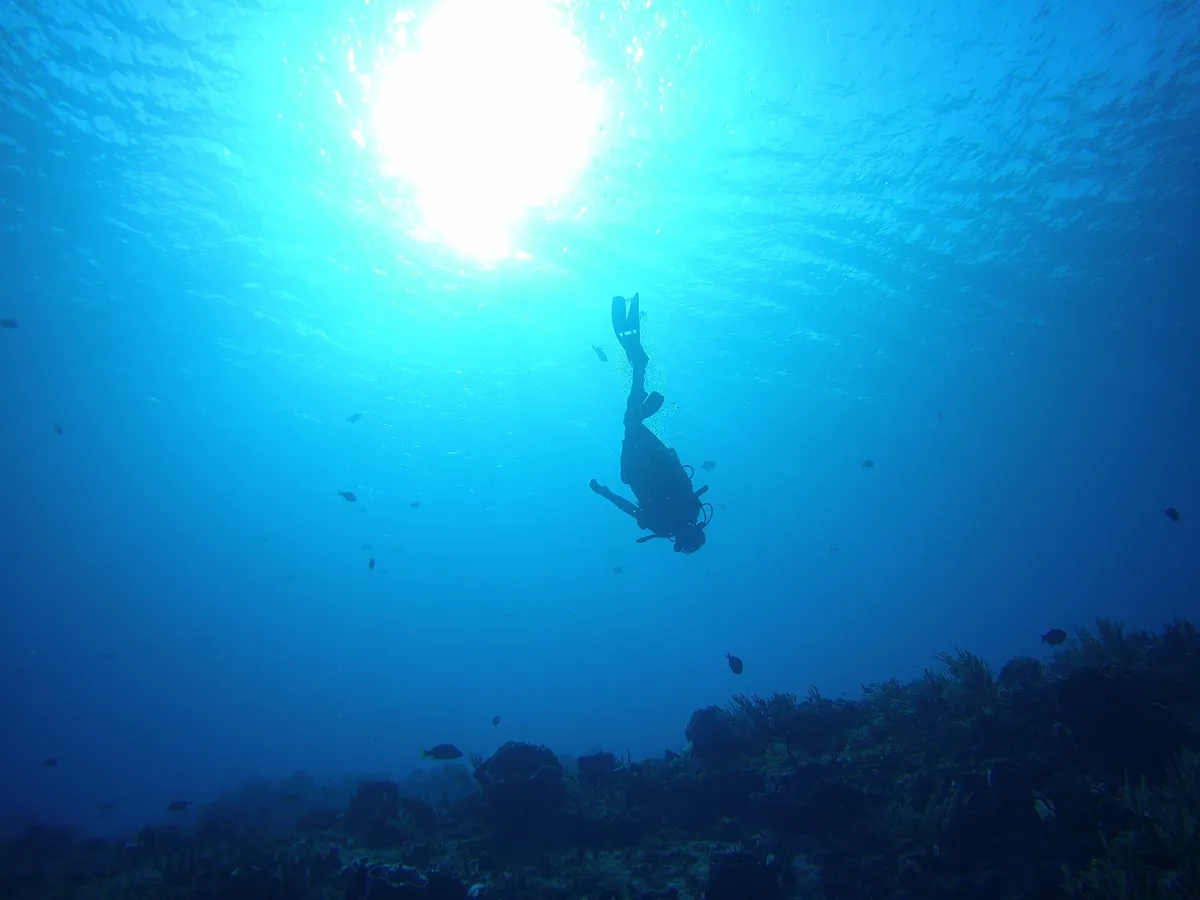
The frigatebird nesting colony is the headline act — position yourself quietly at a respectful distance and watch the aerial theatre unfold. Just 0.9 km away, Arrecife Palancar is one of the Caribbean's most celebrated reef systems and a natural pairing with any visit to this coastline. Punta Sur Eco Beach Park, 6.5 km south, adds a crocodile lagoon and lighthouse to the day. If sea turtles matter to you, Reserva Ecológica de Tortugas is 9.4 km away and worth the detour.
The frigatebirds in flight above the coral rubble shoreline — shot from a respectful distance with the blue water as backdrop — are unlike anything else on Cozumel.
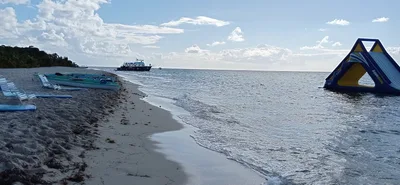
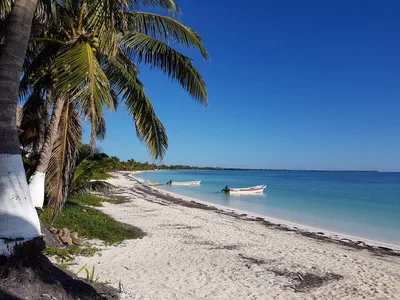
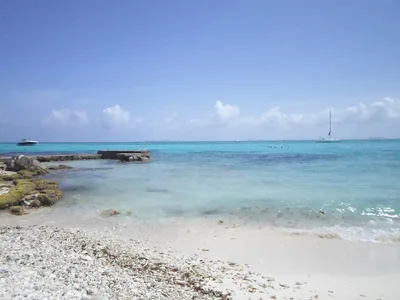
The raw, ungroomed shoreline itself, with its mix of sand and coral fragments stretching into empty blue, makes a compelling wide frame that looks nothing like the island's resort beaches.
Where to eat
There are no food or drink facilities at the beach — self-sufficiency is mandatory. Playa Palancar, the closest option, is right in the commune and a logical stop before or after your visit. Alberto's is 1.9 km away, with Nachi-Cocom and Mr. Sanchos both within 4 km if you want a proper meal on your return.
Where to stay
Secrets Aura Cozumel, 1.3 km from the beach, is the closest hotel option and sits within easy reach of the southern coastline. El Cid is further north at 14.9 km but offers another base for exploring the island. Neither property is walking distance — you'll need transport either way.
Photography
The best shots are of frigatebirds in flight against the blue water — arrive in the early morning when light is low and the birds are most active. The coral rubble foreground with open ocean behind makes a strong wide-angle frame; a telephoto lens is essential for nesting colony detail without disturbing the birds.
Good to know
Water shoes are not optional — the coral rubble shoreline will cut bare feet. Bring every supply you need: there are zero facilities on site, no fresh water, no shade structures, no toilets. During nesting season (April–August) stay well back from all vegetation and do not approach or disturb nesting frigatebirds — this is a firm local rule, not a suggestion. Avoid visiting in September and October entirely; hurricane season makes boat access genuinely dangerous.
GAMES
🕹️ Five minutes of sand?
Three daily games — including the UV simulator set to this beach.
Map
Nearby places
Playa Palancar
Alberto's
Nachi-Cocom
Mr. Sanchos
Paradise Beach
Secrets Aura Cozumel
El Cid
Arrecife Palancar
Punta Sur Eco Beach Park
Reserva Egologica de Tortugas
Things to see around San Miguel de Cozumel
Isla Contoy
Uninhabited island nature reserve and major seabird nesting site visible from northern Cozumel
Playa Casitas
Local family beach on the northwest coast near the airport
San Miguel de Cozumel Waterfront (Malecón)
Main town waterfront promenade with restaurants, shops, and ferry terminal
GIFT
🎁 Gift this beach
Its exact coastline, your date, your words — on a print or a PDF you print yourself.
San Juan Beach
THAT DAY
San Juan Beach, Yucatan Islands
© OpenStreetMap contributors
Clean & decorative, or “That day” with the real sky of your date.
Shipping included 3-6 business days
A question before you order? Contact us
Delivered within minutes on the confirmation page and by email: a ZIP with all 4 print sizes (30×40 cm, 12×16″, 50×70 cm, 18×24″), each as a high-resolution PDF and PNG (300 dpi), plus a screen version. Print at home or at any print shop.
Please complete the delivery address.
Please accept the Terms of Sale.
Almost there — the shop opens very soon.
Secure payment · Printed locally in 30+ countries · 7 languages
Frequently asked
The information on this page is provided for guidance only and may evolve. Access conditions, safety and infrastructure can change without notice. Always check official sources before traveling.
Nearest beaches
Other wild beaches in Mexico
Reviews of this beach
- No reviews yet, what a shame — leave yours and share your experience.