La Galera BeachVenezuela Beach Guide
Raw, remote, and not for the faint-hearted
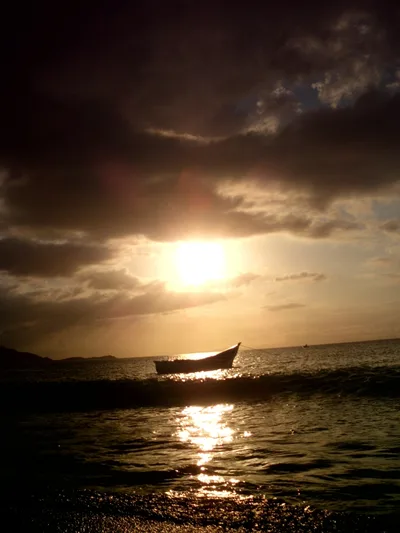
About
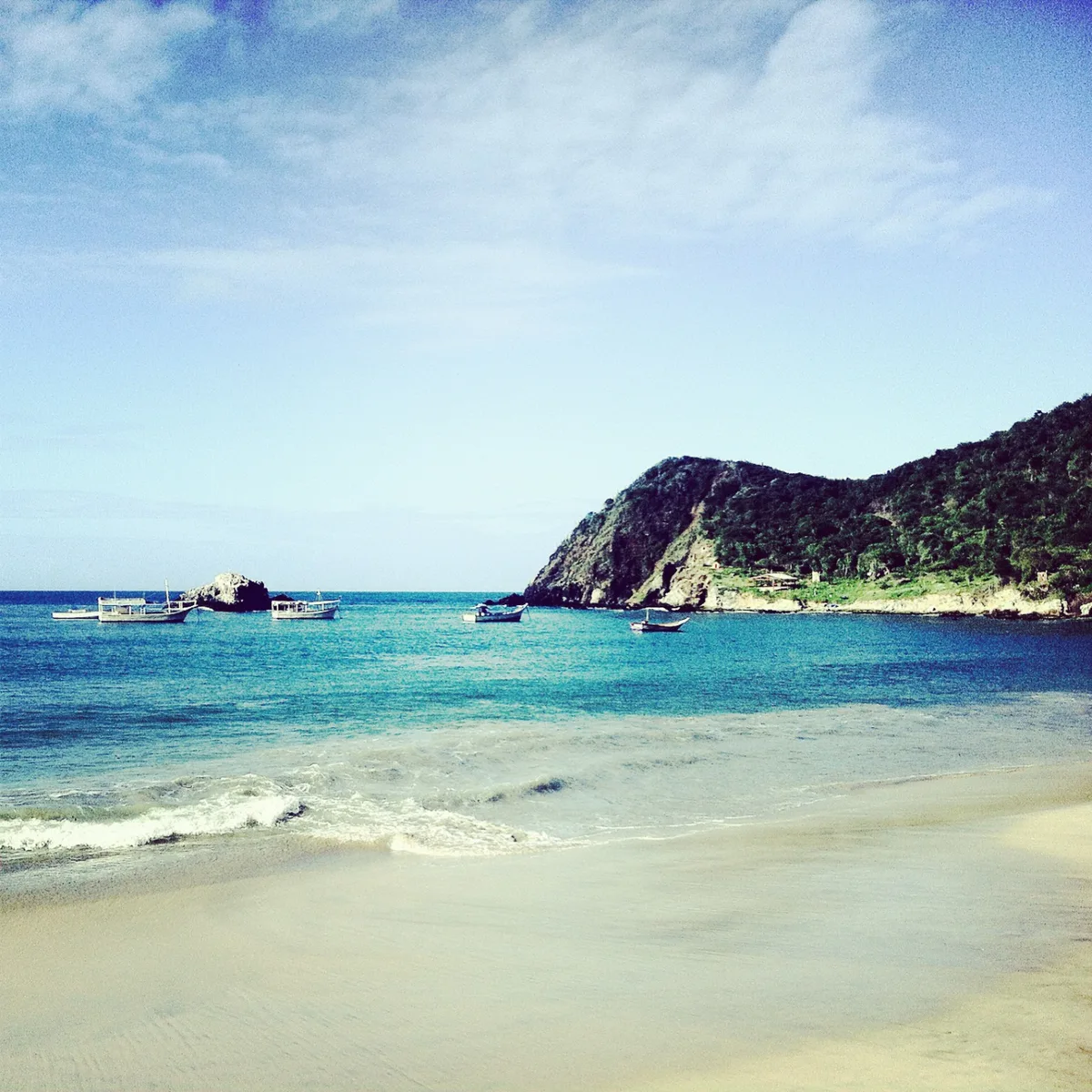
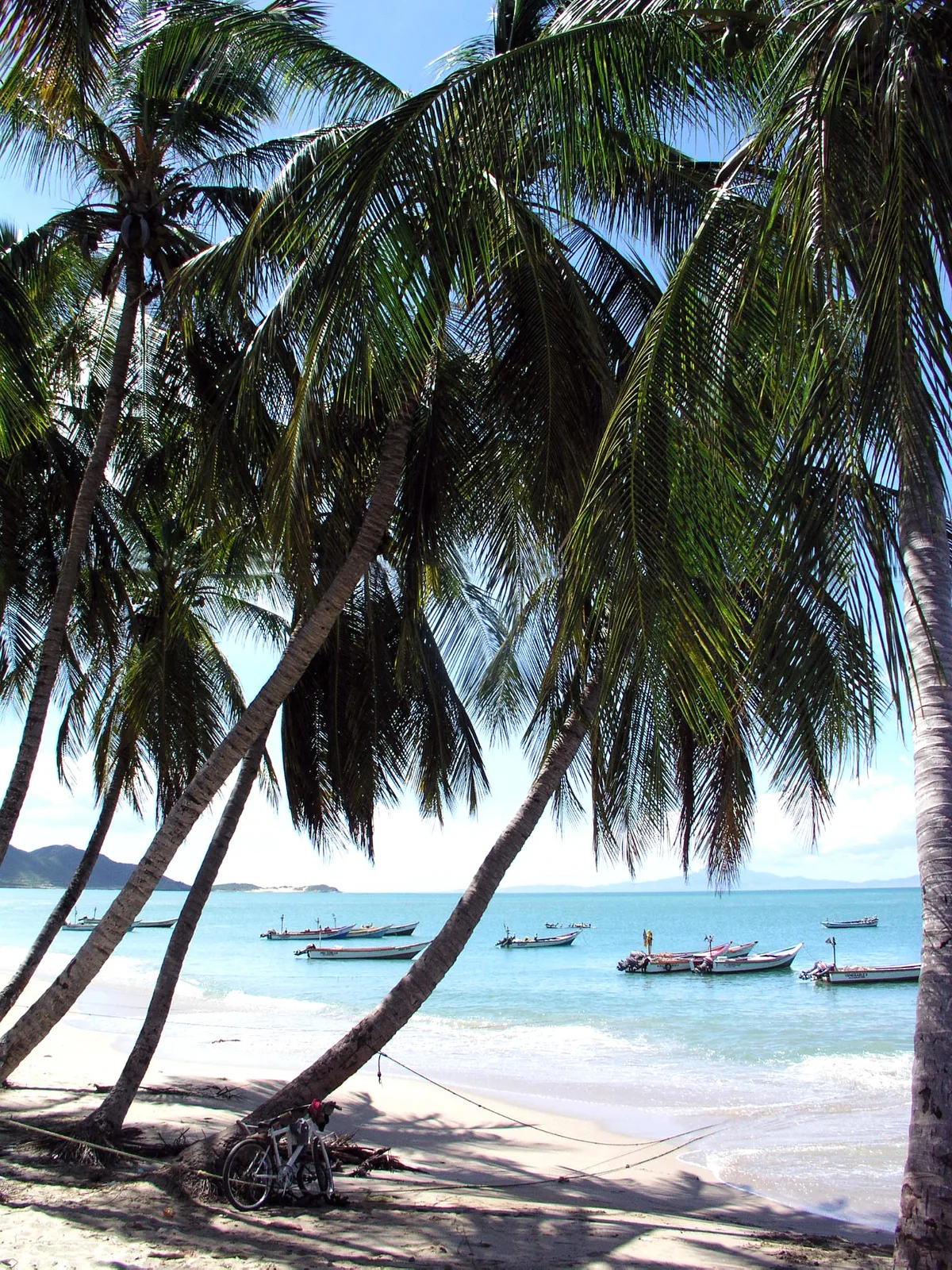
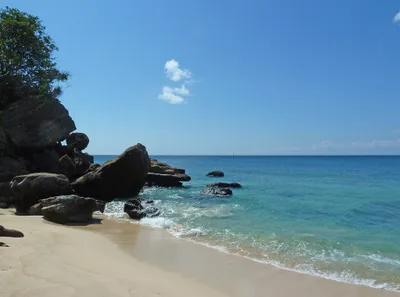
Playa La Galera sits on the remote northern coast of Isla Margarita, near Juan Griego, where volcanic rock outcrops break through stretches of golden sand and the blue Atlantic rolls in hard and unfiltered. This is not a beach you stumble upon — a dirt track is the only way in, and the effort keeps it genuinely empty. The reef break surf and exposed position give the water real power, and that power demands respect. No facilities, no lifeguards, no shade structures — just raw coastline doing exactly what it wants.
How to get there
From Juan Griego, follow the dirt track north toward the coast — the drive takes around 25 minutes by car. There is no formal parking area; vehicles are left at the end of the dirt track. Be aware that after heavy rain the track can become impassable, so check conditions before you head out.
Who it's for
For couples
For couples who want genuine solitude and a wild, cinematic backdrop, Playa La Galera delivers — the empty shoreline and dramatic volcanic rock formations create an atmosphere you simply won't find on Margarita's busier coasts. Come prepared, stay out of the water, and let the landscape do the work.
For families
Playa La Galera is not suitable for families with young children — swimming is dangerous, there are no facilities whatsoever, and the dirt track access and rocky beach surface make the journey and the beach itself genuinely challenging. Families are better served by one of the calmer, more accessible beaches elsewhere on Isla Margarita.
Our take
Playa La Galera is not a swimming beach — get that straight before you go. The water is dangerous, there are no rescue services, and no amount of scenic beauty changes that fact. What it is, is one of the most genuinely wild stretches of coastline on Isla Margarita: golden sand interrupted by volcanic rock, blue ocean with real force behind it, and not another soul in sight. The reef break draws surfers who know what they're doing, but everyone else should keep their feet dry and their camera ready. Stick to the dry season between November and April when the dirt track is passable and the swells are at their most manageable. If you want untouched, remote, and dramatically photogenic — and you respect the conditions — this northern coast delivers.
What to do
The colonial-era Fortín La Galera ruins sit roughly 3 km away and offer panoramic views of this same northern coastline — a worthwhile stop before or after your visit. The charming town of Juan Griego, known for its sunset views from the hilltop fort ruins, is effectively on your doorstep at around 8 km. If you want to round out the day with calmer water, Playa Puerto Cruz — a sheltered fishing village cove on the northwestern coast — is about 12 km away.
The volcanic rock outcrops emerging from the golden sand are the standout shot — frame them against the deep blue Atlantic for maximum contrast.
The dirt track approach, with the northern coastline opening up ahead of you, makes a compelling arrival frame that captures the remoteness of the place.
Where to eat
There are zero facilities at the beach itself, so pack everything you need before you leave town. Restaurant Pa' Donde Chente López is the closest option at around 5.3 km, followed by La Casa de Esther at 6.1 km — both worth factoring into your return route. Jardín Café at 9.6 km and Posada Casa Mejillón at 10.7 km round out the nearest choices if you want something further afield.
Where to stay
Hotel Descanso Tropical is the closest base at 1.5 km from the beach, making it a practical choice for an early start on the dirt track. Costa Caribe Beach Hotel & Resort at 2.7 km and Sunsol Ecoland & Beach Resort at 6 km offer more resort-style options if you want comfort after a rough-and-ready day on the northern coast.
Photography
The volcanic rock outcrops framing the golden sand make for striking foreground interest — shoot wide to capture the full drama of the scene. The blue water and golden sand offer strong colour contrast, though harsh midday light can flatten the scene, so timing your visit accordingly will reward you with better results.
Good to know
Do not enter the water — swimming is dangerous here, with no rescue services on site and no help if conditions turn. High swell makes the water actively unsafe, and the reef break adds unpredictable force. Avoid the beach entirely between June and October: the wet season makes the dirt track difficult to navigate and Atlantic swells become more severe. The rocky beach surface and dirt track are completely unsuitable for wheelchairs or anyone with limited mobility.
GAMES
🕹️ Five minutes of sand?
Three daily games — including the UV simulator set to this beach.
Map
Nearby places
Restaurant Pa' Donde Chente López
La Casa de Esther
La Grea.c.a.
Jardín Café
Posada Casa Mejillón
Hotel Descanso Tropical
Costa Caribe Beach Hotel & Resort
Sunsol Ecoland & Beach Resort
Club Punta Playa Hotel
Posada La Arcadia
Things to see around García
Juan Griego
Charming northern town known for its sunset views from the hilltop fort ruins.
Fortín La Galera
Small colonial-era fort ruins near Juan Griego with panoramic northern coast views.
Playa Puerto Cruz
Sheltered fishing village cove on the northwestern coast.
GIFT
🎁 Gift this beach
Its exact coastline, your date, your words — on a print or a PDF you print yourself.
La Galera Beach
THAT DAY
La Galera Beach, Venezuelan Caribbean
© OpenStreetMap contributors
Clean & decorative, or “That day” with the real sky of your date.
Shipping included 3-6 business days
A question before you order? Contact us
Delivered within minutes on the confirmation page and by email: a ZIP with all 4 print sizes (30×40 cm, 12×16″, 50×70 cm, 18×24″), each as a high-resolution PDF and PNG (300 dpi), plus a screen version. Print at home or at any print shop.
Please complete the delivery address.
Please accept the Terms of Sale.
Almost there — the shop opens very soon.
Secure payment · Printed locally in 30+ countries · 7 languages
Frequently asked
The information on this page is provided for guidance only and may evolve. Access conditions, safety and infrastructure can change without notice. Always check official sources before traveling.
Other beaches in the region
Reviews of this beach
- No reviews yet, what a shame — leave yours and share your experience.
Photo credits
Sources and licenses for the photos shown above.
- Photo 1 — Genesisalvrz · source · CC BY-SA 3.0
- Photo 2 — User:Wilfredor · source · CC0
- Photo 3 — Sebastian Humberto Cestari Abreu · source · CC BY-SA 3.0
- Photo 4 — Sebastian Humberto Cestari Abreu · source · CC BY-SA 3.0
- Photo 5 — Sebastian Humberto Cestari Abreu · source · CC BY-SA 3.0