Cabo Corrientes BeachArgentina Beach Guide
Wild headland, granite pools, and real ocean drama
About
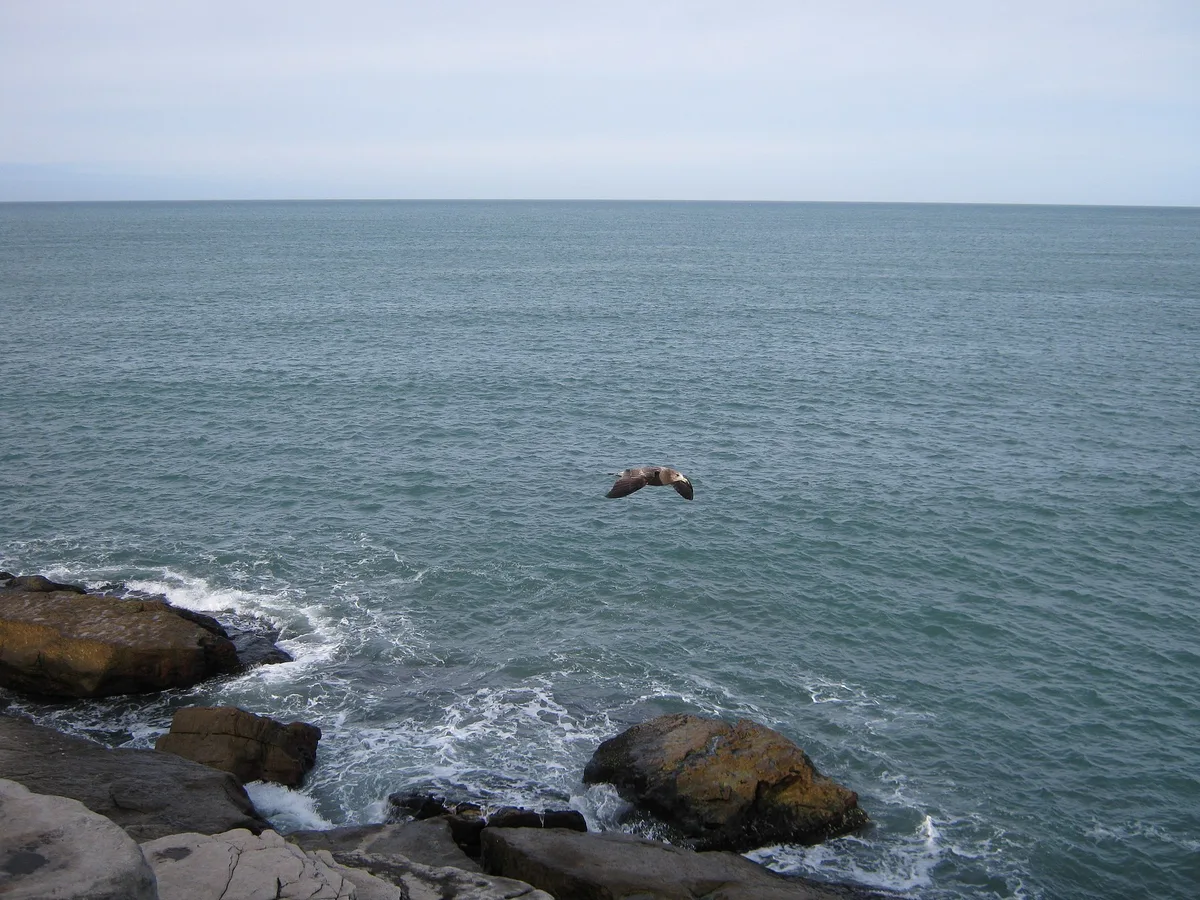
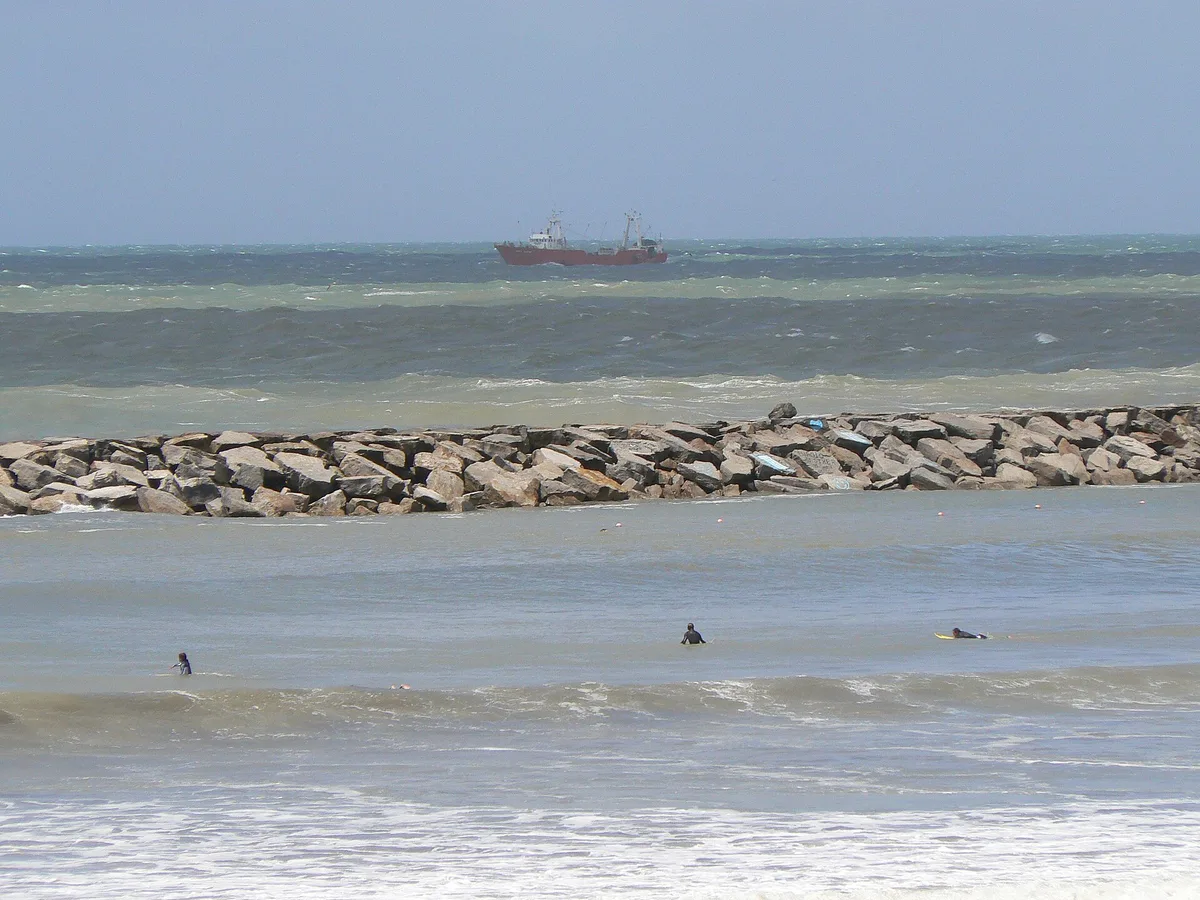
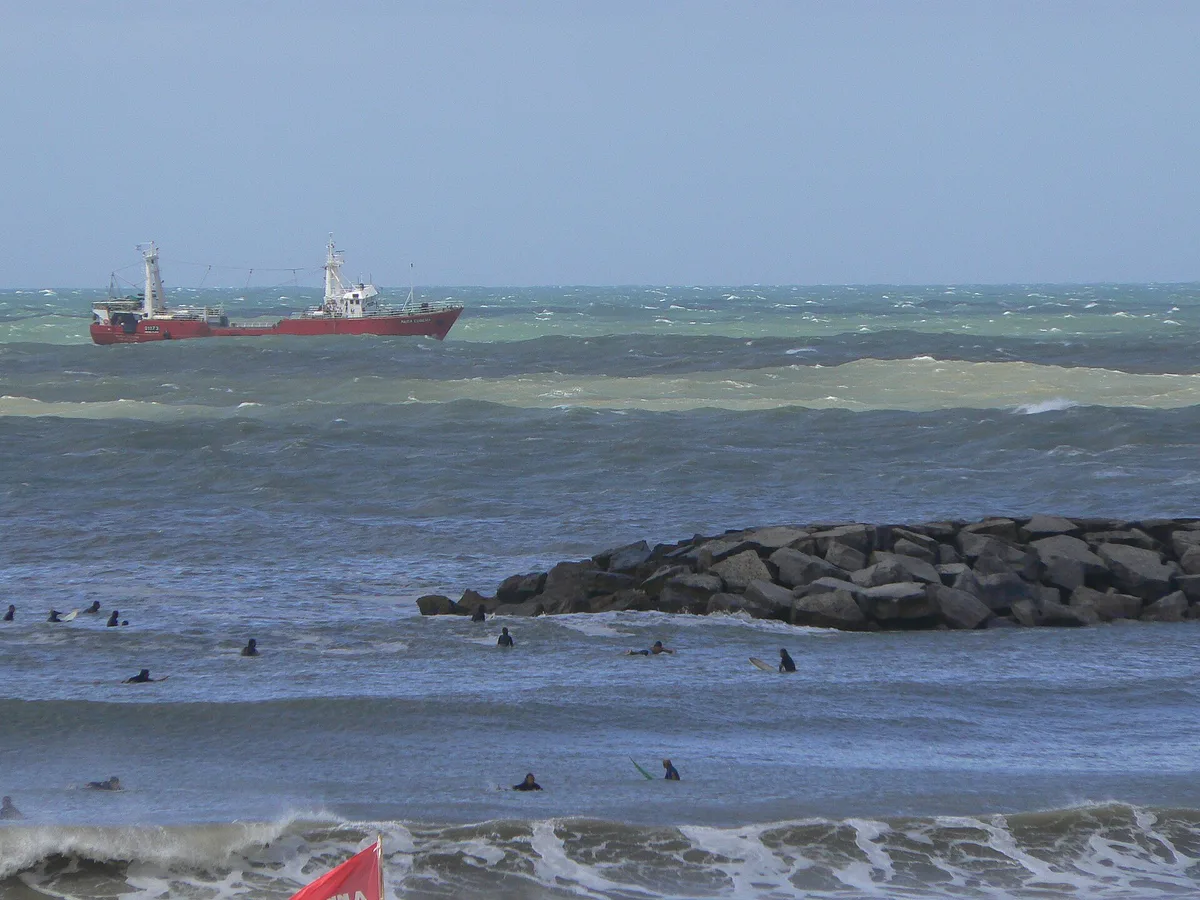
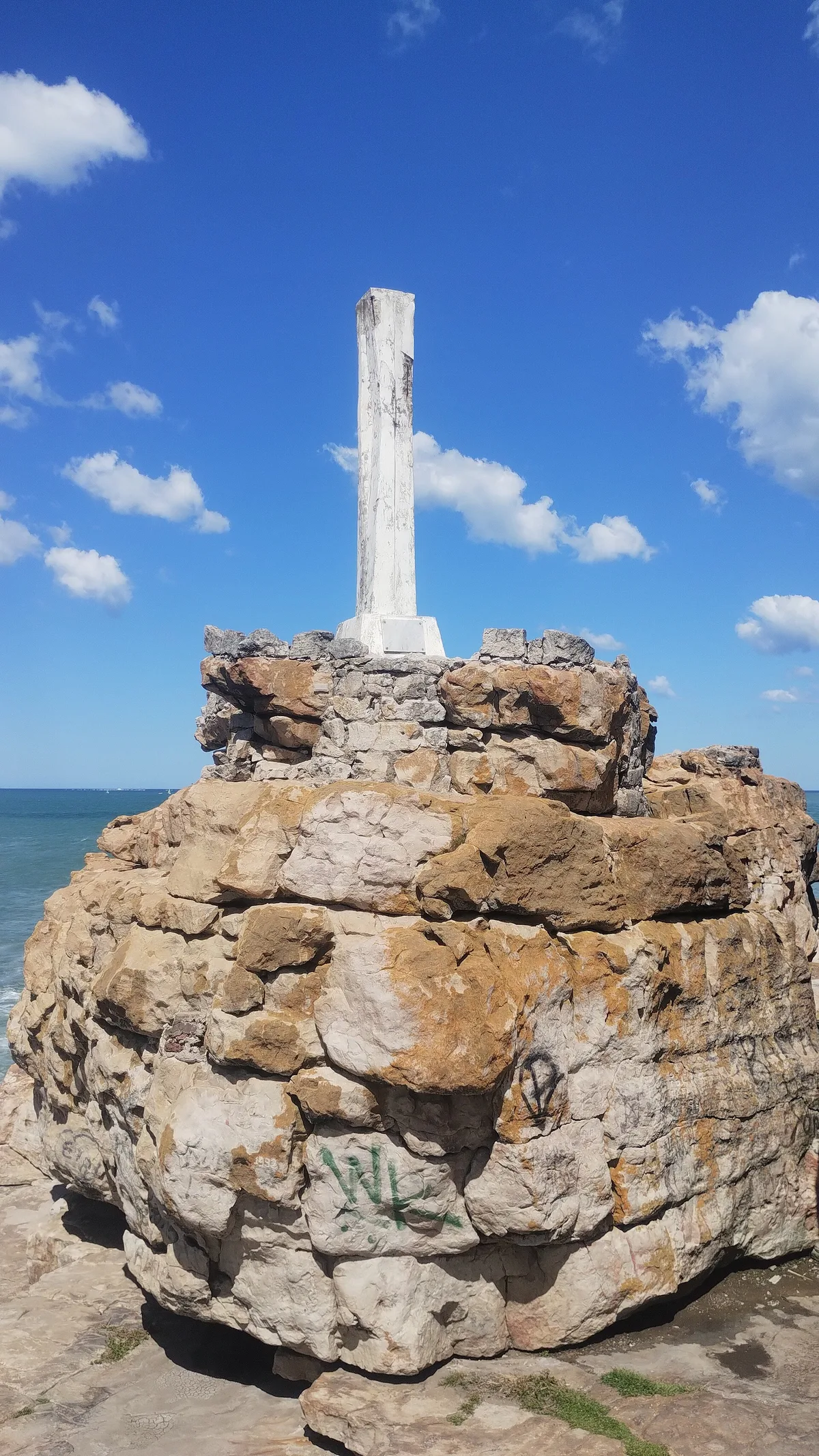
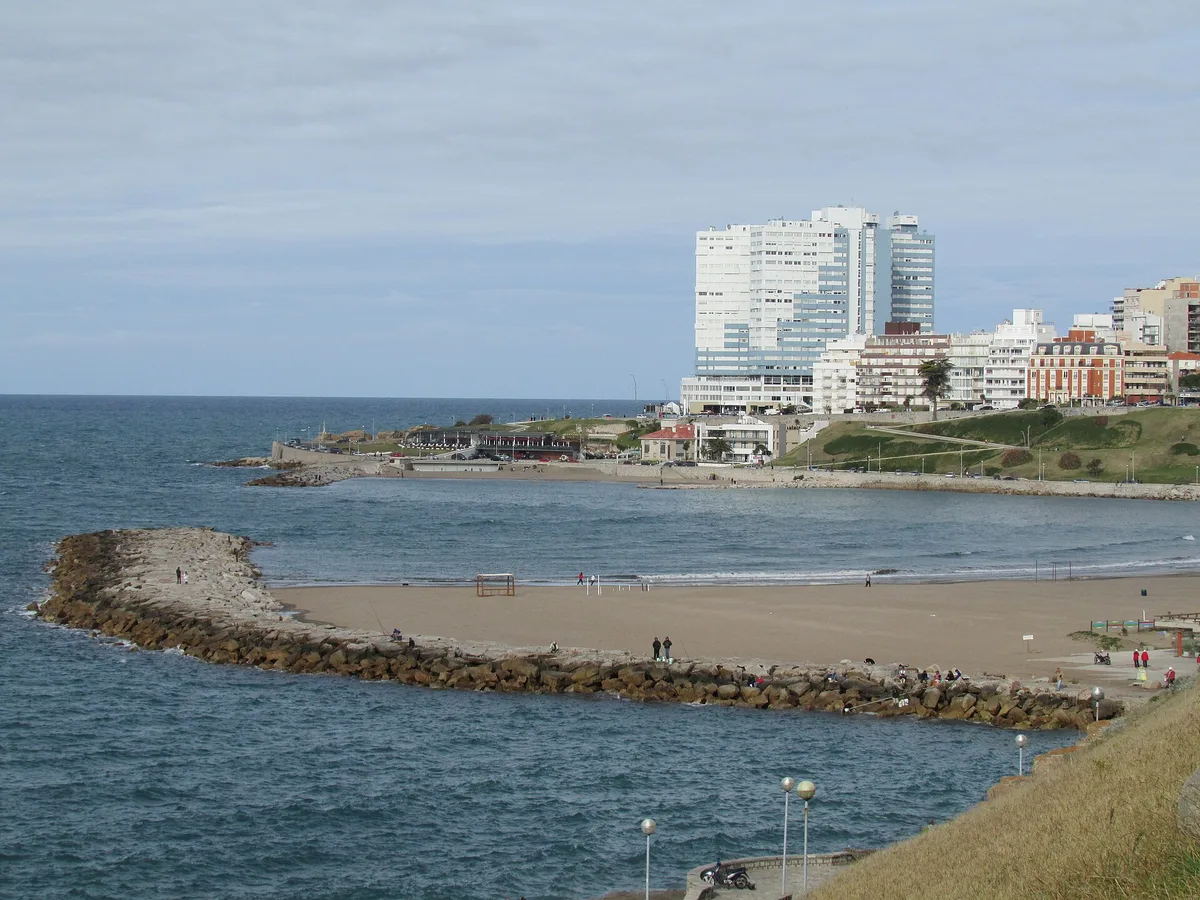
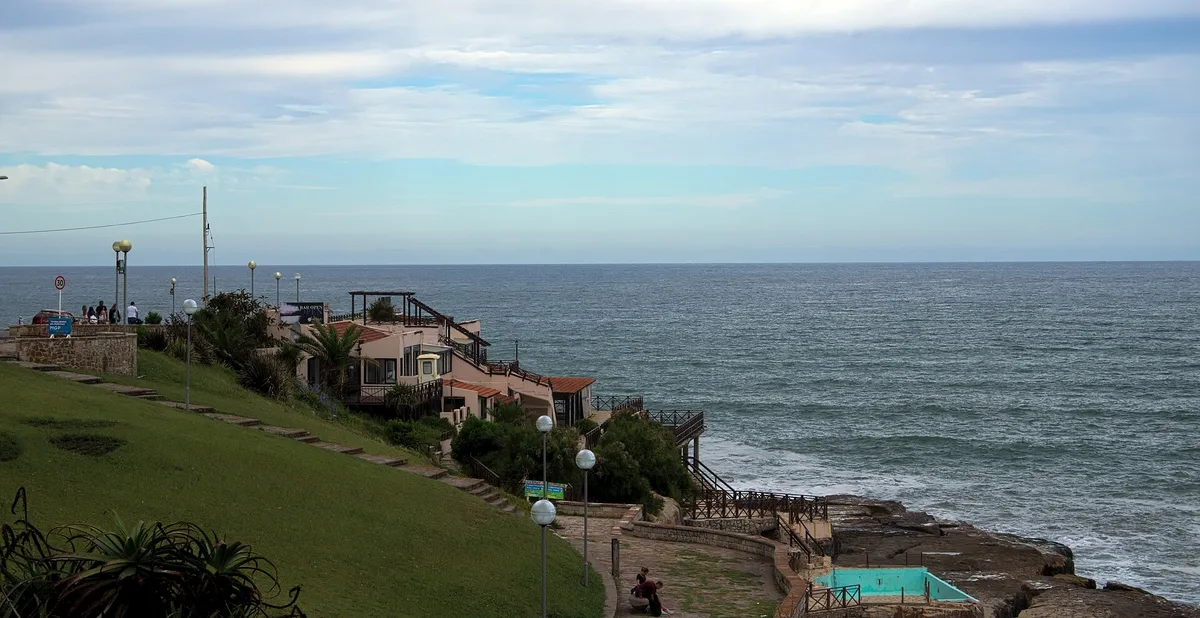
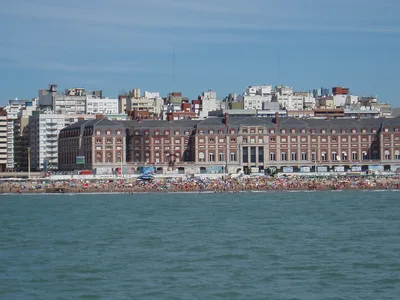
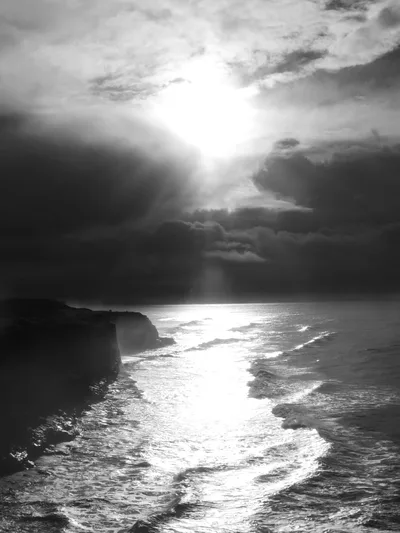
Playa Cabo Corrientes sits at the rocky headland that gives Mar del Plata its dramatic southern edge — a 600-metre stretch of golden sand backed by natural rock formations and blue open ocean. Granite tide pools carve the shoreline into a living laboratory of marine intertidal life, where anemones and crustaceans hold their ground between the tides. The beach carries a genuinely wild character: the terrain is rugged, the setting is raw, and the Faro Cabo Corrientes lighthouse watches over it all from the headland above. It's quiet by Mar del Plata standards, drawing geology enthusiasts and curious walkers rather than beach-blanket visitors. The vibe is exploratory, not relaxing — come for the landscape, not the sunlounger.
How to get there
From Mar del Plata city centre, it's a 15-minute drive or a 20-minute bus ride, both running daily. Mixed street and off-street parking is available near the headland, though spaces are limited — pricing varies in Argentine pesos (ARS) and availability shifts in peak season, so arrive early. There's no entry fee to the beach itself. Access is rated moderate: the rocky terrain demands sturdy footwear, and the headland approach is not suitable for wheelchairs.
Who it's for
For couples
The wild, quiet atmosphere and the short walk up to the lighthouse make this a genuinely scenic detour for two — dramatic coastal views without the noise of busier Mar del Plata beaches.
For families
Older children with an interest in nature will find the granite tide pools fascinating, but the headland area is not safe for small children due to slippery rocks and strong currents — plan accordingly and keep young kids well back from the water's edge.
Our take
Playa Cabo Corrientes is not a beach for passive sunbathing — and that's exactly its appeal. The safety picture here is real: strong currents converge at the headland, rocky sections are slippery, and the water demands respect and caution at all times. Come for the geology, the tide pools, the lighthouse, and the wild coastal air — not for a swim. It's one of the more visually distinctive spots on the Argentine coast, and the proximity to Mar del Plata's amenities means you're never far from a meal or a bed. Best visited December through March, ideally on a weekday morning when the headland is at its quietest. Worth the detour — on its own terms.
What to do
The Faro Cabo Corrientes, just 200 metres from the beach, is an active lighthouse with sweeping coastal views — the obvious first stop. A short walk brings you to the Torreón del Monje, a medieval-style stone tower built in 1904 that now operates as a restaurant and landmark. The Chalet Soulignac, a historic building 1.1 kilometres away, adds architectural interest to any walk along the headland. For a wilder detour, the Puerto de Mar del Plata — 1.5 kilometres out — is a working fishing port with a large sea lion colony on the breakwater.
The granite tide pools at low tide are the most photogenic feature — frame the rock formations against the blue ocean for a shot that reads as pure Patagonian wild coast.
The Faro Cabo Corrientes lighthouse from below, with golden sand in the foreground, is the classic headland composition. The Torreón del Monje stone tower at 500 metres adds a medieval architectural contrast to the natural landscape.
Where to eat
Bahía La Palmera is the closest option at just 300 metres from the beach, making it the natural pre- or post-walk stop. Piazza Ristorante and Mr Jones are both around 1.1–1.2 kilometres away for a more sit-down meal. If you want something sweet after exploring the tide pools, Heladería Italia is an ice cream shop at 1.2 kilometres — a solid reward for the walk.
Where to stay
Hotel Las Rocas sits 400 metres from the beach and is the closest named option to the headland. Torre de Manatiales and Hotel Amsterdam are both around 500 metres out, offering convenient bases for early-morning visits before the day warms up. Maral 27, at 900 metres, rounds out the nearby choices for those wanting a short walk to the shore.
Photography
The granite tide pools at low tide offer extraordinary close-up compositions — shoot in the early morning when the blue ocean reflects flat light and the pools are still. The Faro Cabo Corrientes lighthouse framed against the headland rocks is the signature wide shot; golden hour from the south gives the golden sand and lighthouse tower their best contrast.
Good to know
Do not collect marine organisms from the tide pools — it's prohibited and damages the intertidal ecosystem. Strong currents occur near the headland where two ocean currents converge; exercise serious caution and always observe lifeguard flags and local warnings before entering the water. Rocky sections are slippery and the headland area is not suitable for small children. Avoid June, July, and August entirely: cold austral winter temperatures and rough seas make the beach inhospitable.
Map
Nearby places
Bahía La Palmera
Piazza Ristorante
Heladería Italia
Mr Jones
Zwan
Hotel A.M.E.M.O.P
Hotel Las Rocas
Torre de Manatiales
Hotel Amsterdam
Maral 27
Things to see around Mar del Plata
Faro Cabo Corrientes
Active lighthouse on the Cabo Corrientes headland with views along the coast.
Torreón del Monje
Medieval-style stone tower built in 1904, now a restaurant and landmark.
Puerto de Mar del Plata
Working fishing port with a large sea lion colony on the breakwater.
GIFT
🎁 Gift this beach
Its exact coastline, your date, your words — on a print, a mug, or a PDF you print yourself.
Cabo Corrientes Beach
THAT DAY
Cabo Corrientes Beach, Argentine Coast

© OpenStreetMap contributors
Clean & decorative, or “That day” with the real sky of your date.
Shipping included 3-6 business days
A question before you order? Contact us
Delivered within minutes on the confirmation page and by email: a ZIP with all 4 print sizes (30×40 cm, 12×16″, 50×70 cm, 18×24″), each as a high-resolution PDF and PNG (300 dpi), plus a screen version. Print at home or at any print shop.
Please complete the delivery address.
Please accept the Terms of Sale.
Almost there — the shop opens very soon.
Secure payment · Printed locally in 30+ countries · 7 languages
Frequently asked
The information on this page is provided for guidance only and may evolve. Access conditions, safety and infrastructure can change without notice. Always check official sources before traveling.
Other beaches in the region
Reviews of this beach
- No reviews yet, what a shame — leave yours and share your experience.
Photo credits
Sources and licenses for the photos shown above.
- Photo 1 — Aleco · source · CC BY-SA 3.0
- Photo 2 — Marcelo Raidan · source · CC BY-SA 3.0
- Photo 3 — Marcelo Raidan · source · CC BY-SA 3.0
- Photo 4 — Ucriesidelplata · source · CC BY-SA 4.0
- Photo 5 — Dario Alpern · source · CC BY-SA 4.0
- Photo 6 — Ezarate · source · CC BY-SA 3.0