Bosquet BeachFrance Beach Guide
Golden sand, pine shade, and blue water — quietly perfect
About
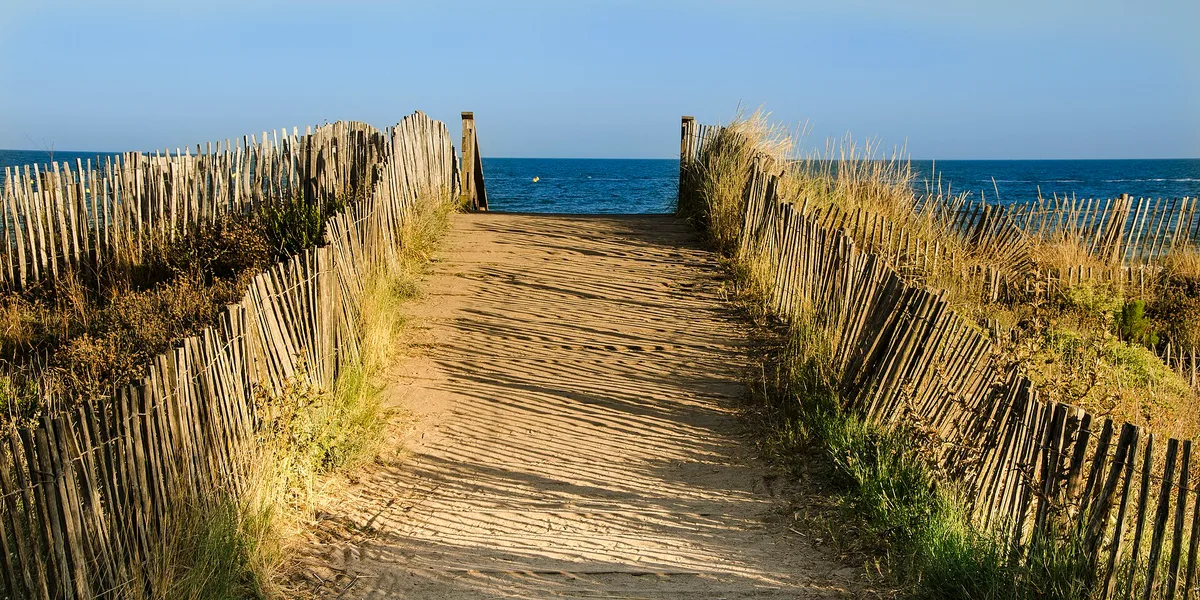
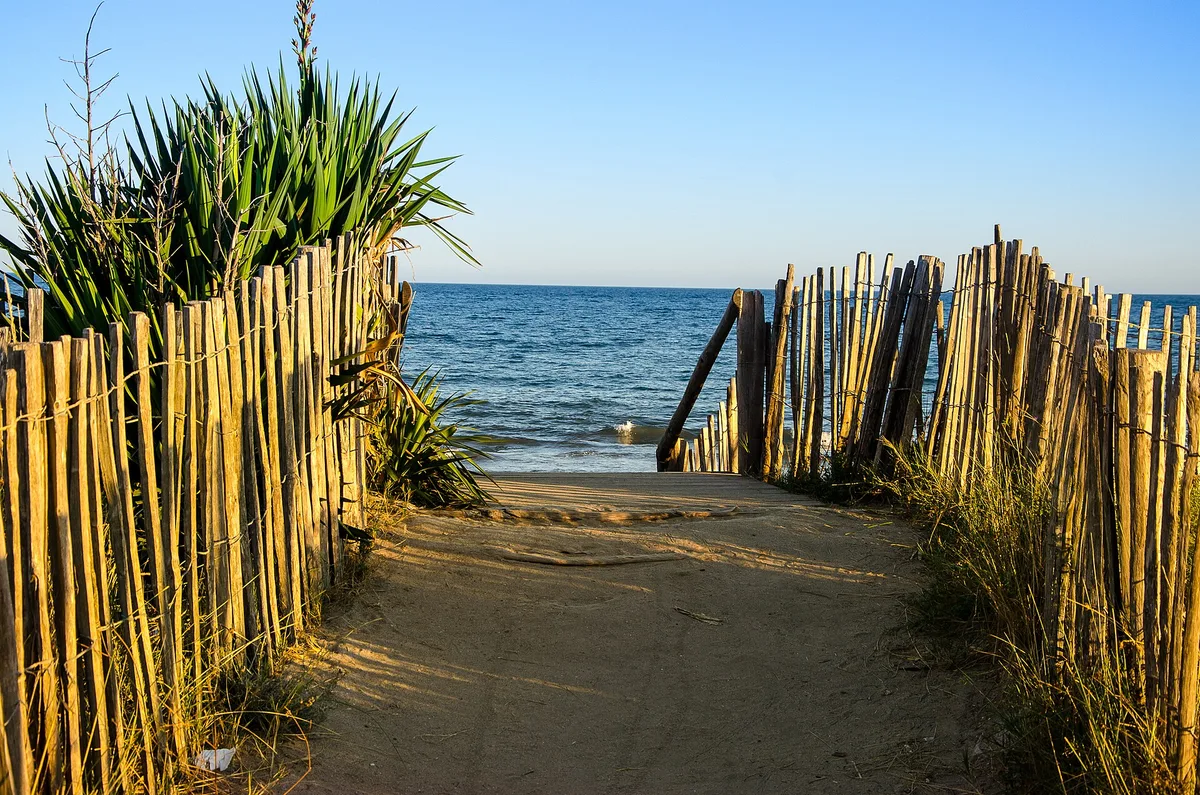
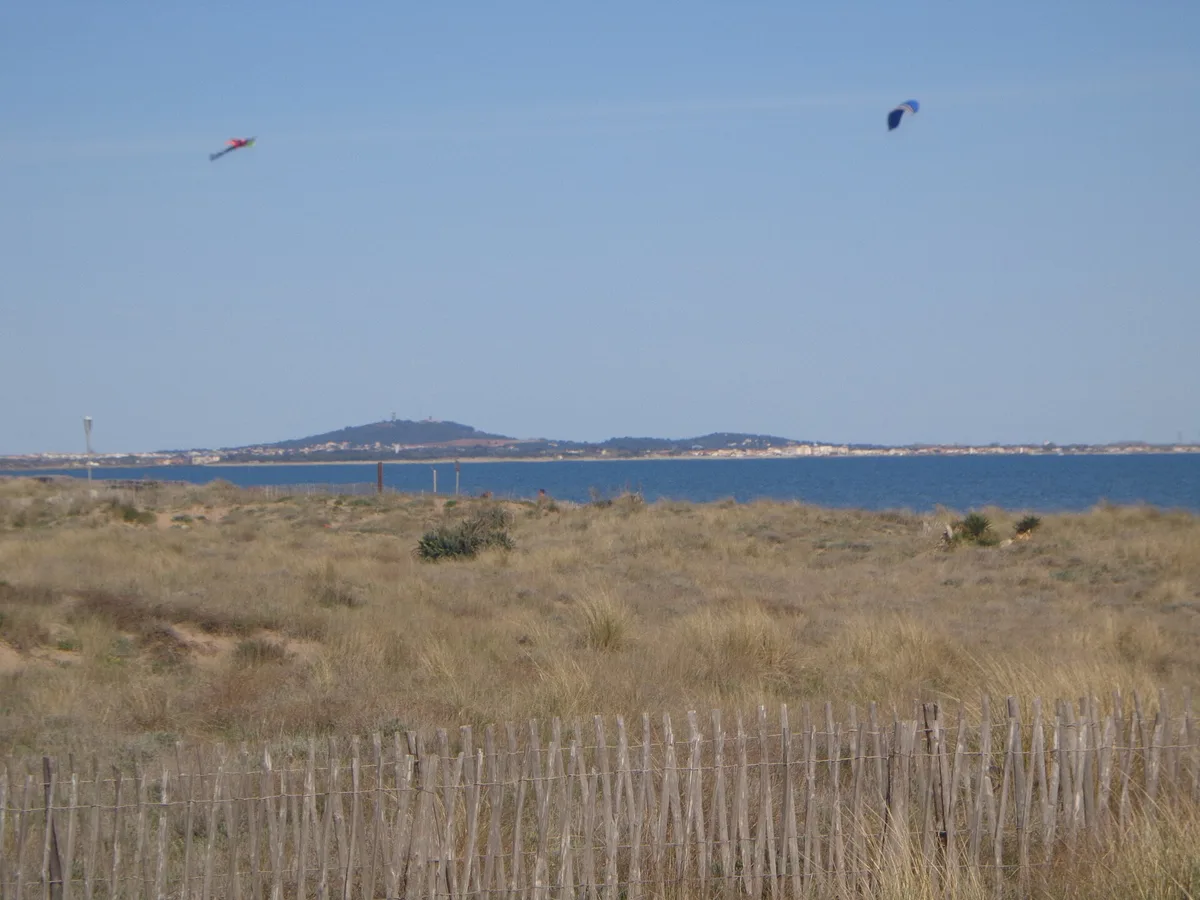
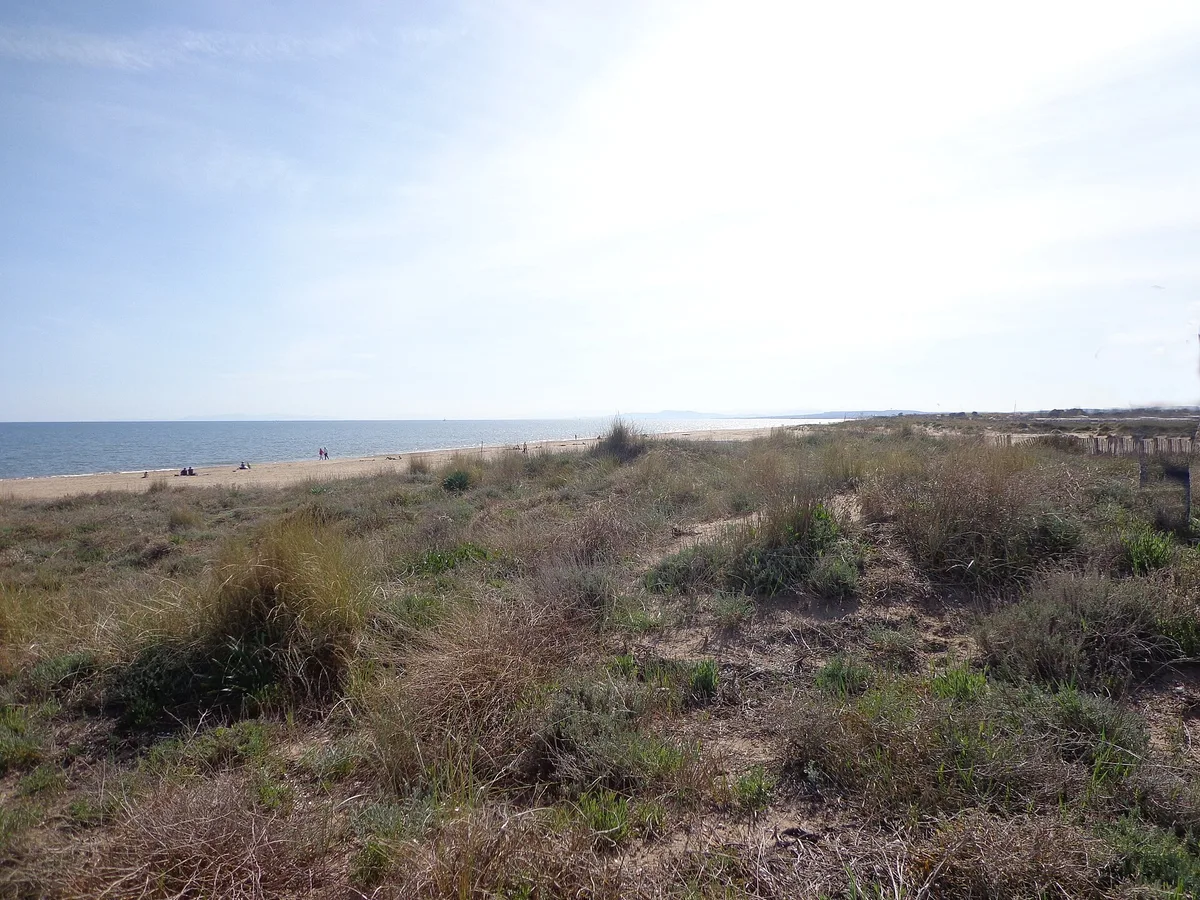
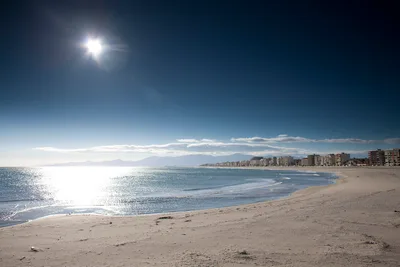
Plage du Bosquet stretches roughly 3 kilometres along the Languedoc coast near Portiragnes, in Occitanie, southern France. A wooden boardwalk winds through fragrant maritime pine forest and protected dune habitat before delivering you onto golden sand and open blue water — the transition from shade to shore is genuinely lovely. The beach sits within reach of the Roque-Haute National Nature Reserve, giving the whole setting a wilder, less manicured feel than the big resort strips nearby. It earns a Blue Flag rating, swimming is safe, and the atmosphere stays quiet even in peak summer. Worth the detour.
How to get there
From Portiragnes village, the beach is a five-minute drive. Free parking is available at the entrance of the adjacent wood, roughly 150–300 metres from the sand — no app, no ticket machine, no fee. From the car park, a short five-minute walk along the wooden boardwalk brings you straight to the beach. The wooden walkway is accessible for mobility devices, making it one of the more inclusive spots on this stretch of coast.
Who it's for
For couples
The quiet atmosphere, pine-scented walk-in, and lack of beach bars make Plage du Bosquet an easy choice for couples who want calm over carnival — pack a picnic and claim a stretch of golden sand to yourselves.
For families
Safe swimming, easy access, a manageable 300-metre beach that doesn't feel overwhelming, and free parking close by make this a low-stress family day out. The wooden boardwalk is pushchair- and mobility-device-friendly, which removes one of the usual headaches of dune-backed beaches.
Our take
Plage du Bosquet is the kind of beach that doesn't try to impress you and ends up doing exactly that. Swimming is safe, the sand is golden, the water is blue, and the pine forest behind keeps the whole place feeling more like a nature reserve than a resort beach — because in part, it is. It's quiet by design, not by accident, and that's the point. Families get safe water and easy access; anyone wanting to decompress gets the pines and the dunes and very little noise. The Blue Flag rating and proximity to the Roque-Haute reserve give it genuine ecological credibility. If you're driving the Languedoc coast and want one stop that feels unhurried and real, this is it.
What to do
The Canal du Midi runs right through the region — a UNESCO World Heritage site where you can walk, cycle, or take a boat trip along one of France's great historic waterways, and it's essentially on your doorstep. A short drive of around 4.4 kilometres brings you to the Roque-Haute National Nature Reserve, a Natura 2000 protected wetland with dunes, lagoons, and diverse birdlife that pairs beautifully with a beach morning. If you want a half-day in a proper city, Béziers is about 17 kilometres away — its cathedral, the Paul-Riquet alleys, and an archaeological museum make it a solid afternoon out.
The wooden boardwalk cutting through the maritime pines is the standout shot — frame it from low down at golden hour for depth and atmosphere.
The point where the boardwalk opens onto the golden sand with open blue water ahead makes a clean, uncluttered composition. For a wider environmental shot, the dune vegetation flanking the path gives strong foreground texture against the sky.
Where to eat
There are no restaurants directly on the beach, so bring your own supplies. The nearest sit-down options are a drive away: Bar restaurant L'Etape in the Béziers area holds a strong reputation and is about 11.5 kilometres out. For something more relaxed, Hôtel La Prison — around 14 kilometres away — offers a well-regarded dining experience worth the short drive.
Where to stay
Camping Les Sablons is the closest option, just 0.9 kilometres from the beach, with a solid 4.3-star rating across nearly 4,000 reviews — hard to argue with that proximity. Camping Méditerranée Plage at 6.1 kilometres and the highly rated Yelloh! Village Le Sérignan Plage at 0.3 kilometres round out a strong cluster of campsite choices for anyone wanting to stay close to the sand.
Photography
Shoot the wooden boardwalk at golden hour — the low light filtering through the maritime pines onto the dune grasses is the defining image of this beach. Early morning is best for wide shots of the golden sand meeting the blue water before any visitors arrive.
Good to know
Come in June or early September to enjoy the warmth without the peak-summer influx of visitors. Avoid November through February — water turns cold and seas can be rough, making it an uncomfortable and potentially unsafe time to visit. The dune habitat is protected, so stick to the wooden boardwalk and don't trample the vegetation on either side. There are no on-site food vendors confirmed, so pack a picnic and plenty of water.
GAMES
🕹️ Five minutes of sand?
Three daily games — including the UV simulator set to this beach.
Map
Nearby places
Burger King
Bar restaurant L'Etape - Truck Etape Béziers
McDonald's
Hôtel La Prison
Camping Yelloh ! Village Le Sérignan Plage
Camping Les Sablons
Camping Méditerranée Plage
Sandaya Camping Blue Bayou
Canal du Midi
Béziers City Centre & Cathedral
Roque-Haute National Nature Reserve
Things to see around Portiragnes
Canal du Midi
UNESCO World Heritage site with cycling, walking, and boat trips.
Béziers City Centre & Cathedral
Historic city with cathedral, Paul-Riquet alleys, and archaeological museum.
Roque-Haute National Nature Reserve
Natura 2000 protected wetland with dunes, lagoons, and diverse birdlife.
GIFT
🎁 Gift this beach
Its exact coastline, your date, your words — on a print or a PDF you print yourself.
Bosquet Beach
THAT DAY
Bosquet Beach, Occitanie
© OpenStreetMap contributors
Clean & decorative, or “That day” with the real sky of your date.
Shipping included 3-6 business days
A question before you order? Contact us
Delivered within minutes on the confirmation page and by email: a ZIP with all 4 print sizes (30×40 cm, 12×16″, 50×70 cm, 18×24″), each as a high-resolution PDF and PNG (300 dpi), plus a screen version. Print at home or at any print shop.
Please complete the delivery address.
Please accept the Terms of Sale.
Almost there — the shop opens very soon.
Secure payment · Printed locally in 30+ countries · 7 languages
Frequently asked
The information on this page is provided for guidance only and may evolve. Access conditions, safety and infrastructure can change without notice. Always check official sources before traveling.
Nearest beaches
Other family beaches in France
Reviews of this beach
- No reviews yet, what a shame — leave yours and share your experience.
Photo credits
Sources and licenses for the photos shown above.
- Photo 1 — Frank Havenot · source · CC BY-SA 3.0
- Photo 2 — Frank Havenot · source · CC BY-SA 3.0
- Photo 3 — Fagairolles 34 · source · CC BY-SA 4.0
- Photo 4 — Fagairolles 34 · source · CC BY-SA 4.0