Île aux Nattes BeachMadagascar Beach Guide
White sand, turquoise lagoon, zero cars — pirogue required
 🎁 Gift idea: the star map of your most beautiful night↓
About
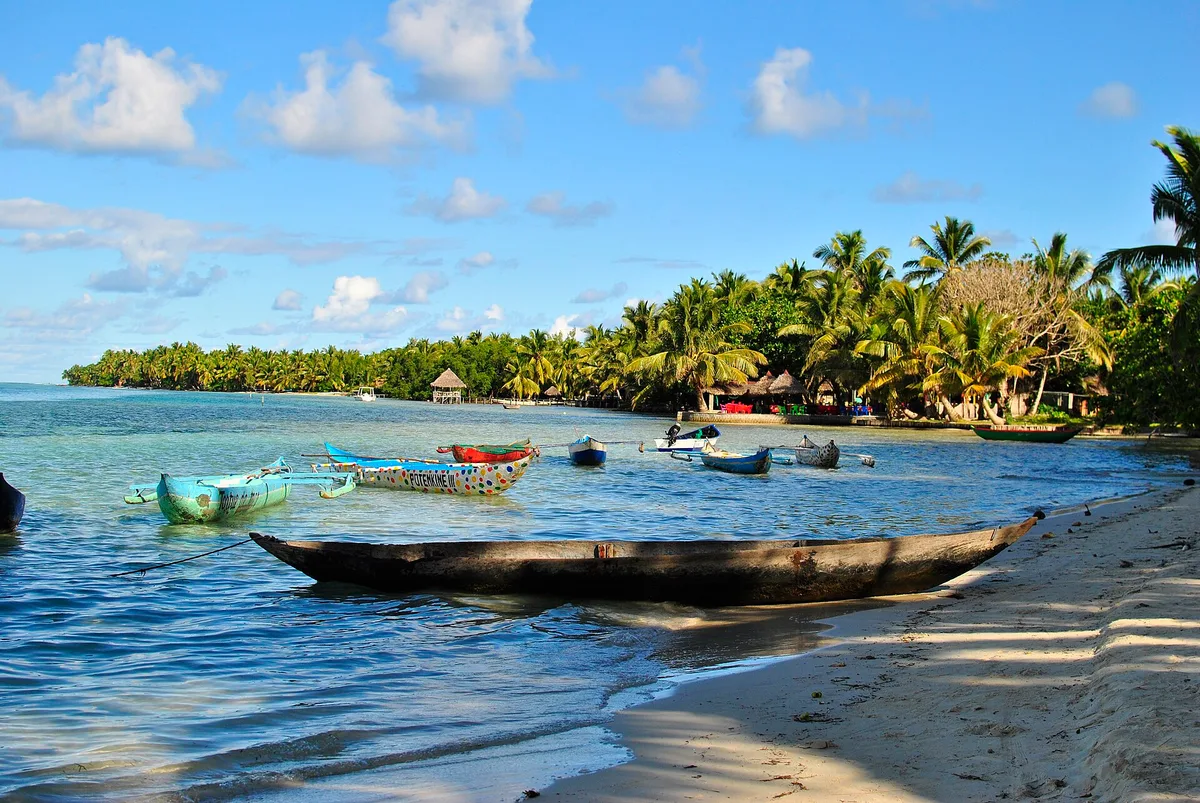
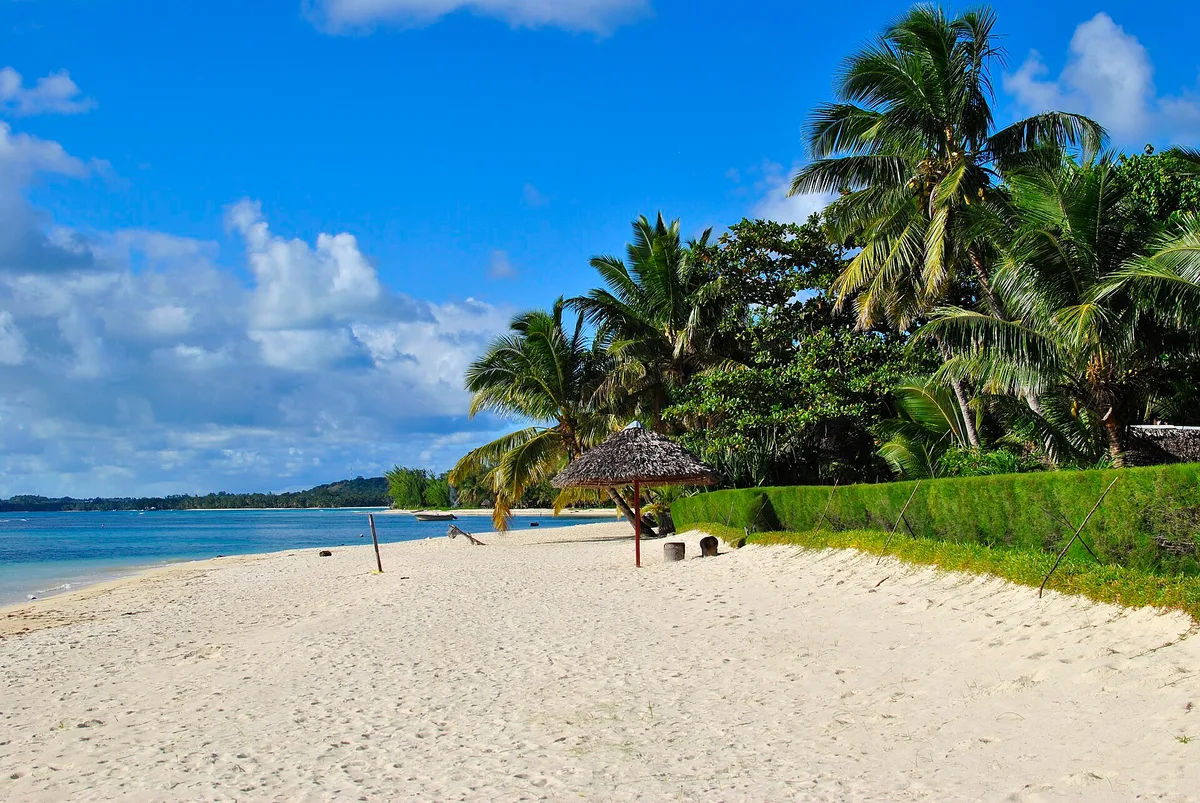
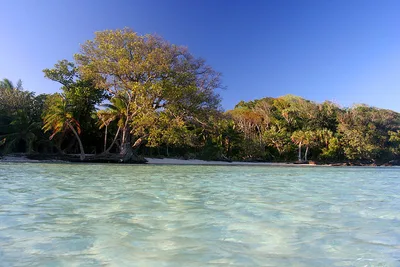
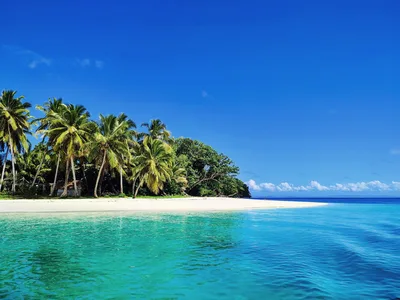
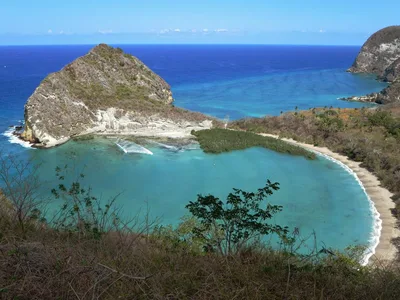
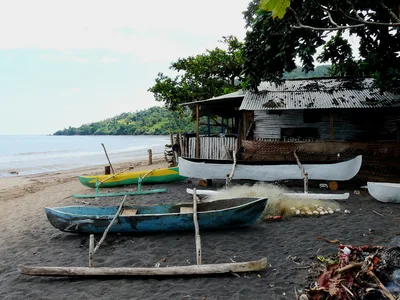
Plage d'Île aux Nattes sits on Nosy Nato, a car-free island off the southern tip of Sainte-Marie, Madagascar. The beach stretches along a reef-sheltered lagoon where the water runs a clear turquoise and the sand stays bright white underfoot. At low tide, a sandbar emerges from the shallows — one of those rare, fleeting landforms that makes you stop mid-sentence. The lagoon is calm enough for safe swimming and unhurried snorkeling, with the reef doing most of the work. No engines, no tarmac, no rush — just pirogues, fishing nets drying in the sun, and the kind of quiet that feels earned.
How to get there
Reach Plage d'Île aux Nattes by pirogue only — there is no road and no bridge. Catch a daily crossing from Ankiabe at the southern tip of Sainte-Marie; the crossing takes roughly 10 minutes. There is no parking on the island itself, so leave your vehicle at the Ankiabe embarkation point on the Sainte-Marie side before boarding. No entry fee is charged to access the beach.
Who it's for
For couples
The romantic vibe here is built into the place itself — no traffic noise, no neon signs, just a white-sand beach on a car-free island where the loudest sound is a paddle hitting turquoise water. An overnight bungalow stay turns a day trip into something far more memorable.
For families
The reef-sheltered lagoon keeps the water calm and swimming safe, which makes it genuinely relaxed for families with children who want to snorkel or splash around. Bear in mind there are no medical facilities on the island, so come prepared, and note that pirogue boarding and sandy terrain make the beach impractical for wheelchair users.
Our take
Plage d'Île aux Nattes earns its reputation without trying very hard — white sand, turquoise water, a reef that keeps things calm, and an island that has never allowed a car. The pirogue crossing is part of the deal, and it's a short one, but don't underestimate it: rough wind can suspend crossings, and there's no clinic on the other side if something goes wrong. Come between May and October when the dry season keeps the weather stable and the pirogues running. Avoid January through March — cyclone season is real here, and crossings can be shut down entirely. The moderate visitor numbers mean you'll share the beach but never feel like you're queuing for it. If you can stay a night in one of the bungalows, do it — the beach after the day-trippers have gone back to Sainte-Marie is a different place entirely.
What to do
The reef-sheltered lagoon makes snorkeling the obvious first move — the turquoise water is clear and the swimming is safe. Wait for low tide and walk the exposed sandbar, one of the beach's most photogenic and fleeting features. When you're ready to explore further, a pirogue from Ambodifotatra (about 15 km away) will take you to the 17th-century Cimetière des Pirates, and between July and September the Baie des Balaines — roughly 20 km out — is one of the best humpback whale-watching zones in the Indian Ocean.
The low-tide sandbar is the standout shot — position yourself at water level as the bar emerges and shoot toward the open lagoon for a frame that looks almost unreal.
A pirogue beached on the white sand with the turquoise water behind it captures the island's character in a single image. For scale and context, shoot from the shallows looking back at the tree-lined shore during the golden hour before sunset.
Where to eat
A handful of small restaurants operate within easy reach of the beach. L'Escale, about 0.9 km away, serves regional Malagasy cooking, while Ylang Village and Le Fafana — both around 1 km out — round out the options for a proper sit-down meal. Pack snacks and water for the beach itself; don't count on finding provisions once you've crossed.
Where to stay
Staying overnight transforms the experience entirely, and several bungalow-style options sit close to the beach. Sambatra Beach Lodge (0.8 km) is the nearest, with Ylang Village, Les Lémuriens, Baboo Village, and Maningory all within 1.2 km. Booking ahead is wise — the island is small and beds fill up during the dry-season peak.
Photography
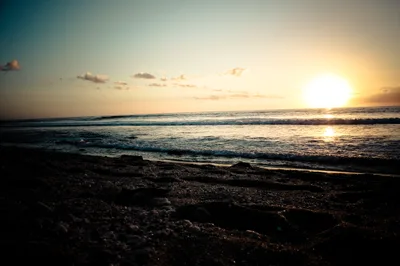
Shoot the sandbar at low tide from the water's edge — the contrast between white sand, turquoise lagoon, and open sky is at its sharpest in the soft light of early morning. For a wider composition, frame a traditional pirogue against the reef line at golden hour; the car-free shoreline means nothing mechanical will interrupt the shot.
Good to know
Motorized vehicles are banned on the island — respect that rule completely, and extend the same courtesy to the local fishing community whose livelihoods depend on these waters. The pirogue crossing can turn rough in strong winds, so check conditions before you push off; crossings may be suspended in bad weather. There are no medical facilities on the island, so bring a basic first-aid kit, any personal medication, and more sunscreen than you think you need. True digital-detox spot — bring offline books, the cell signal fades and there's nowhere to plug in a laptop.
GAMES
🕹️ Five minutes of sand?
Three daily games — including the UV simulator set to this beach.
Map
Nearby places
Sambatra Beach Lodge
Ylang Village
Les Lémuriens
Baboo Village
Maningory
Things to see around Agniribe
Cimetière des Pirates
17th-century pirate cemetery accessible by pirogue from Ambodifotatra
Baie des Balaines
Prime humpback whale watching zone active July–September
Ambodifotatra town
Main town of Sainte-Marie with market, restaurants and colonial-era church
GIFT IDEA · MARCEL ET LES BLONDES
🎁 Give a moment, not a thing


What’s the occasion?

 💑 Dating anniversaryTwo dates, two starry skies
 💍 Wedding anniversaryCotton, silver, golden…
 🎂 BirthdayTheir own newspaper front page
 👶 New babyThe stars on the day they were bornValentine’s DayOur two moons, as a print
Shipping €5, free from €49 · made to order, shipped within 48 hAlso: our engraved wooden bracelets, €23.90 →
Frequently asked
The information on this page is provided for guidance only and may evolve. Access conditions, safety and infrastructure can change without notice. Always check official sources before traveling.
Other beaches in the region
Reviews of this beach
- No reviews yet, what a shame — leave yours and share your experience.
Photo credits
Sources and licenses for the photos shown above.
- Photo 1 — Anai171 · source · CC BY-SA 4.0
- Photo 2 — Anai171 · source · CC BY-SA 4.0
- Photo 3 — JialiangGao www.peace-on-earth.org · source · CC BY-SA 4.0