Wadi El Gemal Beach
Raw Red Sea wilderness where the desert meets the reef
About
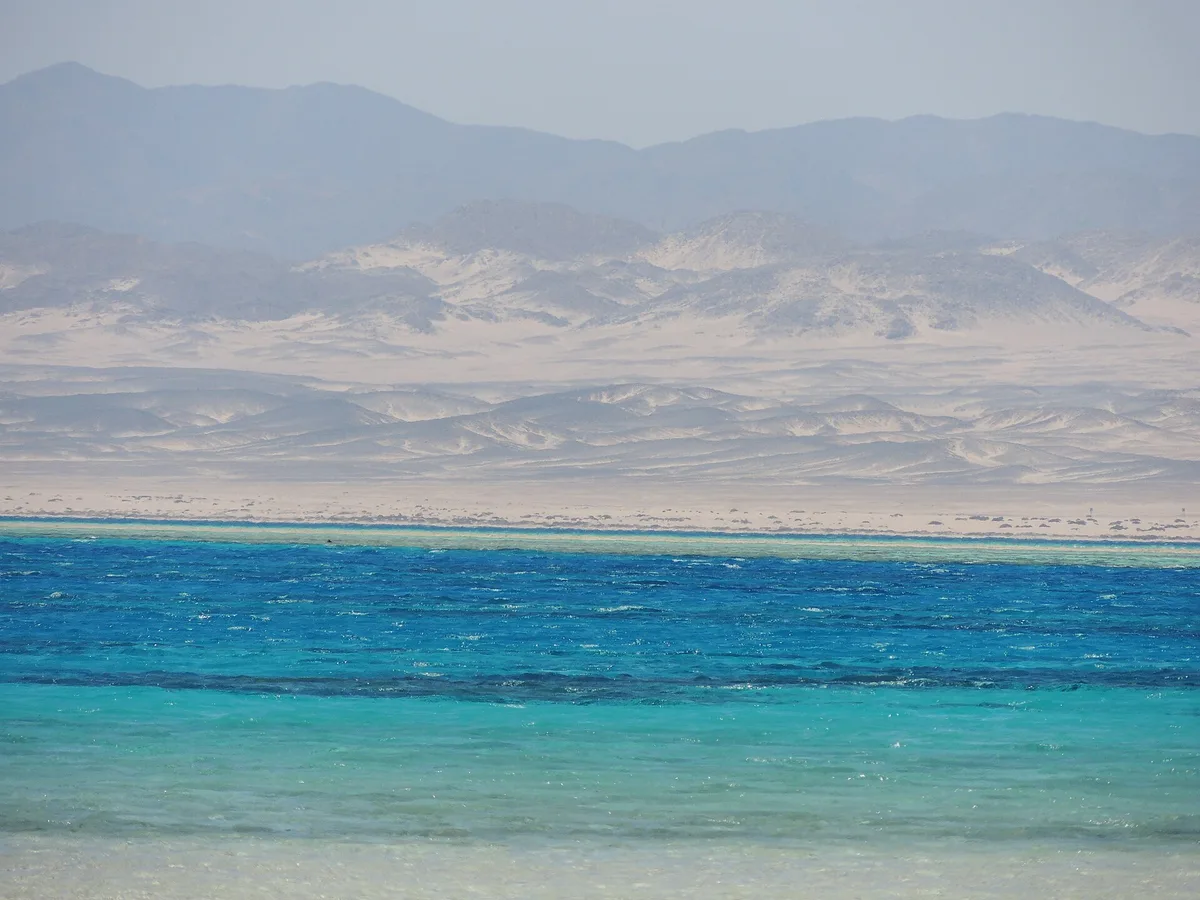
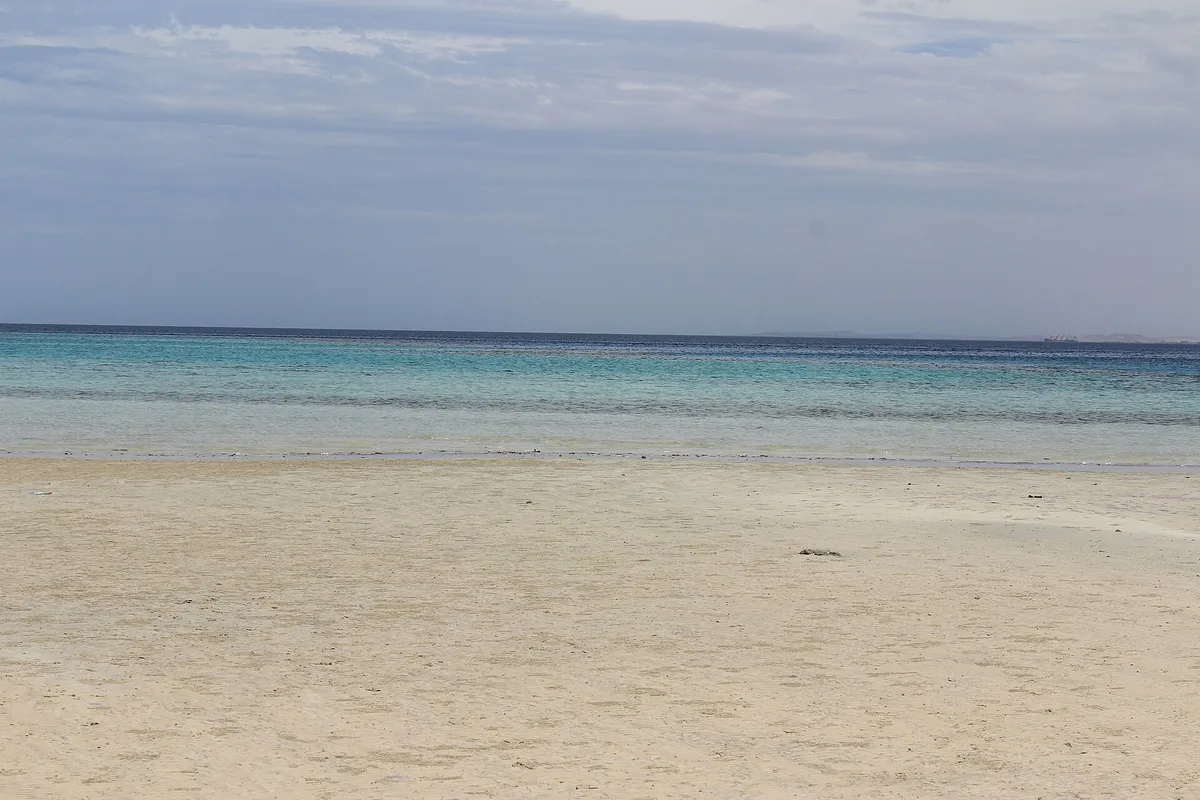
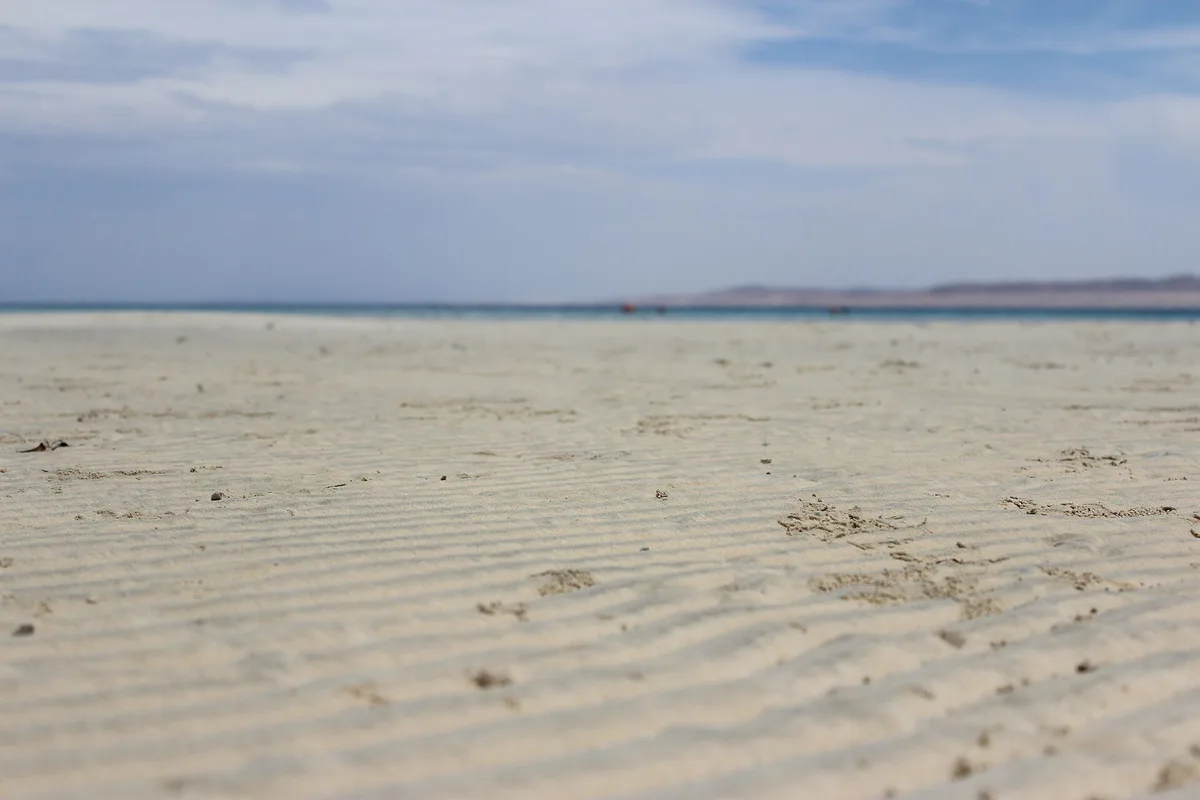
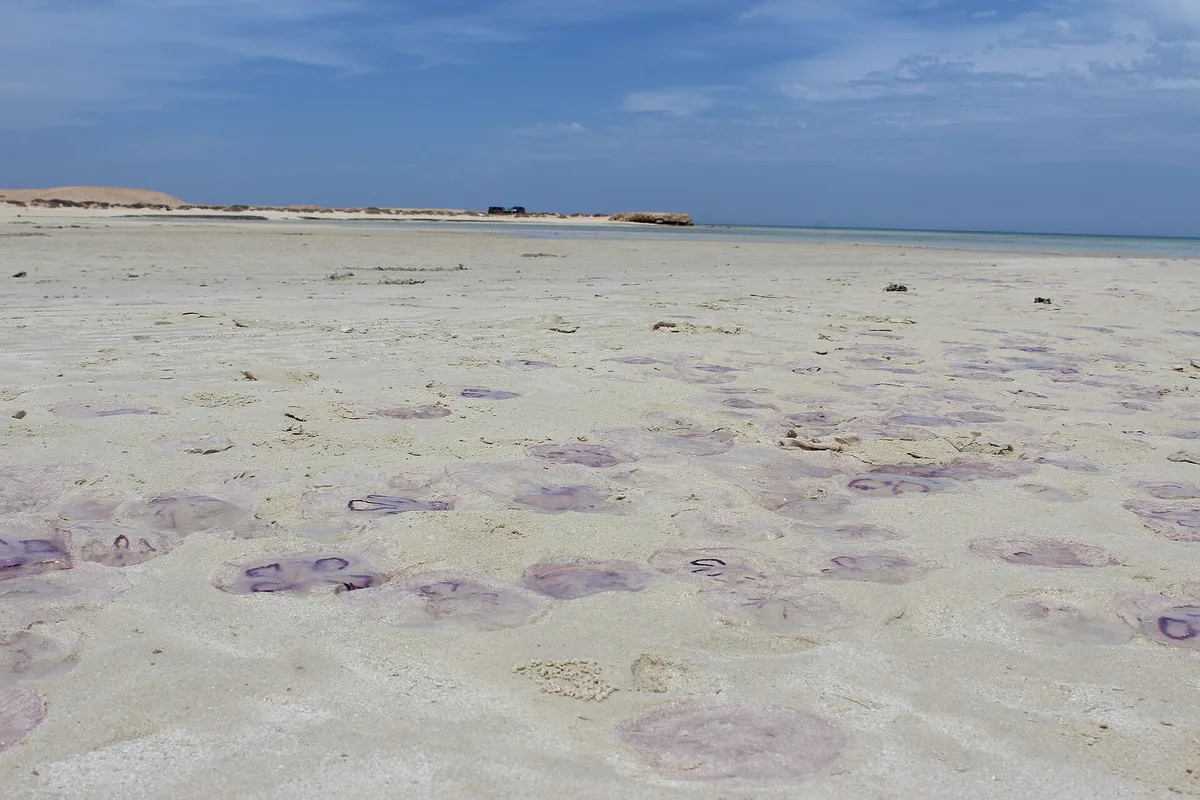
Wadi El Gemal Beach stretches roughly 3 kilometres of golden sand along the Red Sea coast inside one of Egypt's most protected national parks. The water is crystal clear, revealing an intact fringing reef just offshore that remains untouched by the development that has consumed so much of the Egyptian coastline. At the northern end, a mangrove lagoon creates a surreal contrast — desert mountains rising behind, green tangles of mangrove ahead, open sea in front. There is zero tourist infrastructure here: no sunbeds, no kiosks, no lifeguards. What you get instead is silence, dugongs, sea turtles, and a beach that looks exactly as it did a century ago.
How to get there
Drive south from Marsa Alam town — the journey takes around 90 minutes. The final 12 kilometres of track is unpaved and demands a 4x4 vehicle; a standard car will not make it. Informal free parking is available at the park gate. A national park entry permit is required to enter — have it arranged before you arrive.
Who it's for
For couples
Wadi El Gemal is as private as a beach gets — an empty 3-kilometre stretch with no other visitors, no infrastructure, and a backdrop of desert mountains and mangroves that rewards couples who want genuine solitude over resort comfort.
For families
Families with young children should think carefully before making the trip: the 4x4-only access, zero facilities, no mobile signal, and moderate swimming conditions make this a demanding day out that suits older children and adults comfortable with self-sufficiency in a remote environment.
Our take
Feet in the sand, eyes on the screen
This is one of the last genuinely wild beaches on the Egyptian Red Sea, and it asks something of you in return. The 4x4 track, the permit requirement, the total absence of facilities, the no-signal zone — these are not inconveniences to complain about. They are the reason the reef is intact, the dugongs are still here, and the golden sand is empty. Come between October and May when temperatures are manageable; skip June through August entirely, as desert heat exceeds 42°C with no shade anywhere on the beach. Respect the park rules absolutely — no fishing, no coral collection, no camping without ranger sign-off. If you prepare properly, carry enough water, and tell someone where you're going, Wadi El Gemal delivers something increasingly rare: a Red Sea coastline that hasn't been sold off.
What to do
Stop at the Wadi El Gemal National Park Visitor Centre, 5 kilometres from the beach, where rangers can brief you on resident dugongs and sea turtle nesting activity — it's the most useful 20 minutes you'll spend before hitting the sand. Snorkelling over the intact fringing reef is the main event; the crystal-clear water and protected status mean marine life here is genuinely abundant. If you have time on the drive back, the Abu Ghusun Roman Port ruins sit about 30 kilometres away on the park's southern boundary — a weathered quarry port that shipped stone across the ancient world.
The mangrove lagoon at the northern end of the beach is the standout frame — crystal-clear water, green mangroves, and the stark desert ridge behind in a single shot.
The fringing reef seen from the waterline at low angle captures the transition from golden sand to clear water with the reef structure visible beneath. The desert mountain backdrop along the full length of the beach gives wide landscape shots a scale that is hard to find elsewhere on the Egyptian coast.
Where to eat
There is no food or drink available anywhere inside the park. Pack everything you need before leaving Marsa Alam town, 65 kilometres away, which has restaurants and supplies. Cafe Badran, roughly 10 kilometres from the beach, is the nearest option for a coffee stop on the way in or out.
Where to stay
There is no accommodation inside or near the park. Marsa Alam town, about 65 kilometres away, is your base — it has dive centres, restaurants, and a range of places to stay. Berenice International Airport is 66 kilometres away if you're flying in.
Photography
The northern mangrove lagoon at golden hour — shoot with the desert mountains behind you and the lagoon in the foreground for a composition you won't find anywhere else on the Red Sea. Early morning light on the golden sand with the crystal-clear water and reef visible below the surface is the cleanest shot; arrive at sunrise when the beach is completely empty.
Good to know
A national park entry permit is mandatory — no permit, no entry. Camping is only allowed with explicit ranger permission, and fishing and coral collection are strictly prohibited. Carry far more water than you think you need: there are no facilities of any kind inside the park, and there is no mobile signal once you pass the gate — tell someone your itinerary before you go. For swimming, avoid the water at dawn and sunset, stay away from any areas used by fishing boats, remove shiny accessories before entering the water, and do not swim if you have open wounds.
Map
Nearby places
Spiaggia 🏖️
Wadi El Gemal National Park Visitor Centre
Abu Ghusun Roman Port
Marsa Alam Town
Things to see around Marsa Alam
Wadi El Gemal National Park Visitor Centre
Park entry point with ranger information on wildlife including dugongs and sea turtles.
Abu Ghusun Roman Port
Ancient Roman quarry port ruins on the southern boundary of the park.
Marsa Alam Town
Nearest town with dive centres, restaurants and accommodation.
Frequently asked
The information on this page is provided for guidance only and may evolve. Access conditions, safety and infrastructure can change without notice. Always check official sources before traveling.
More beaches in Red Sea
Reviews of this beach
- No reviews yet, what a shame — leave yours and share your experience.
Photo credits
Sources and licenses for the photos shown above.
- Photo 1 — Yoori2k17 · source · CC BY-SA 4.0
- Photo 2 — Mohammad Chawki · source · CC BY-SA 4.0
- Photo 3 — Mohammad Chawki · source · CC BY-SA 4.0
- Photo 4 — Mohammad Chawki · source · CC BY-SA 4.0