Ostriconi BeachFrance Beach Guide
Wild white sands where the river meets the sea
About
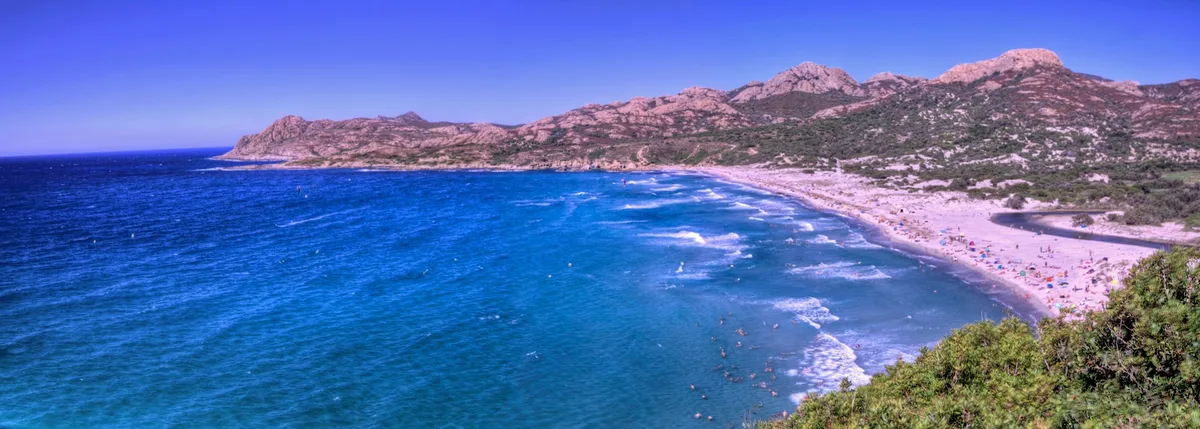
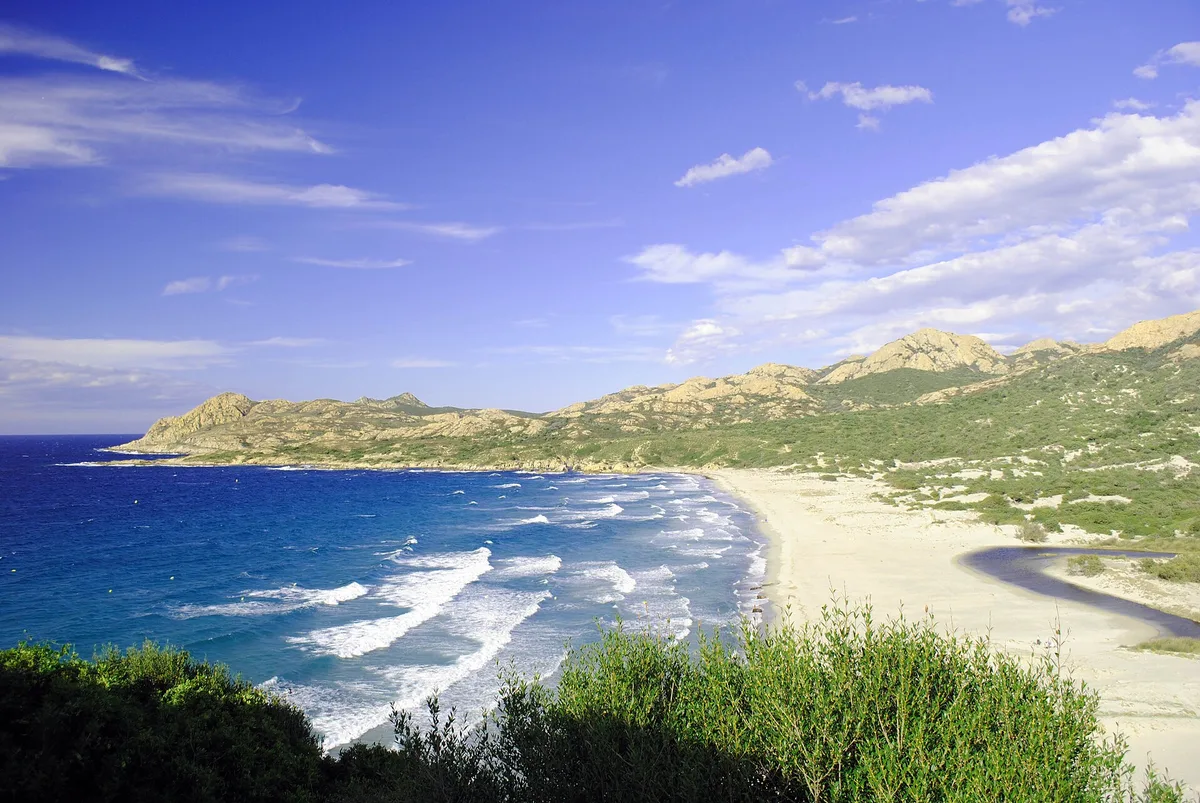
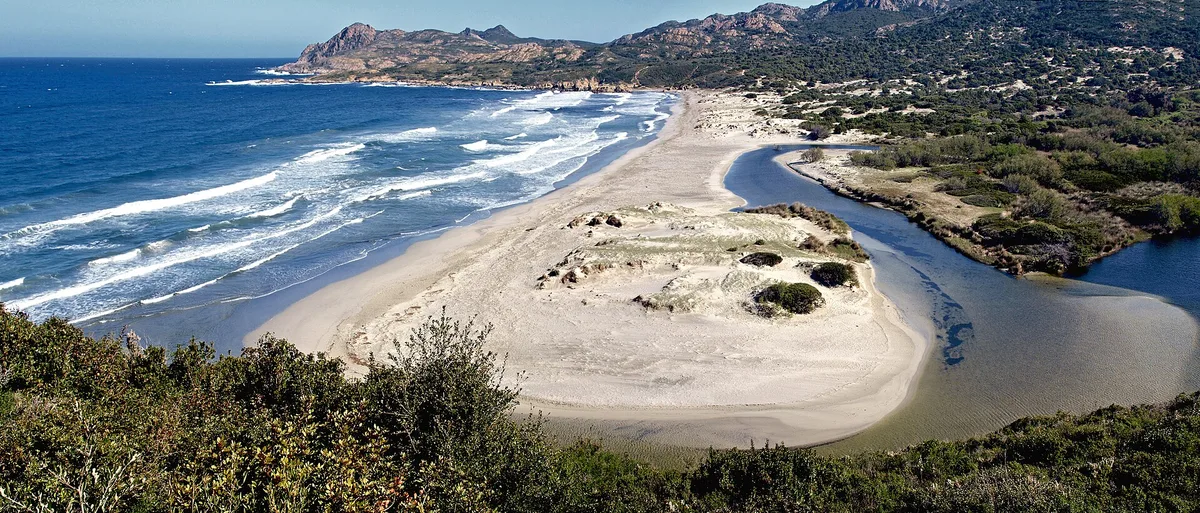
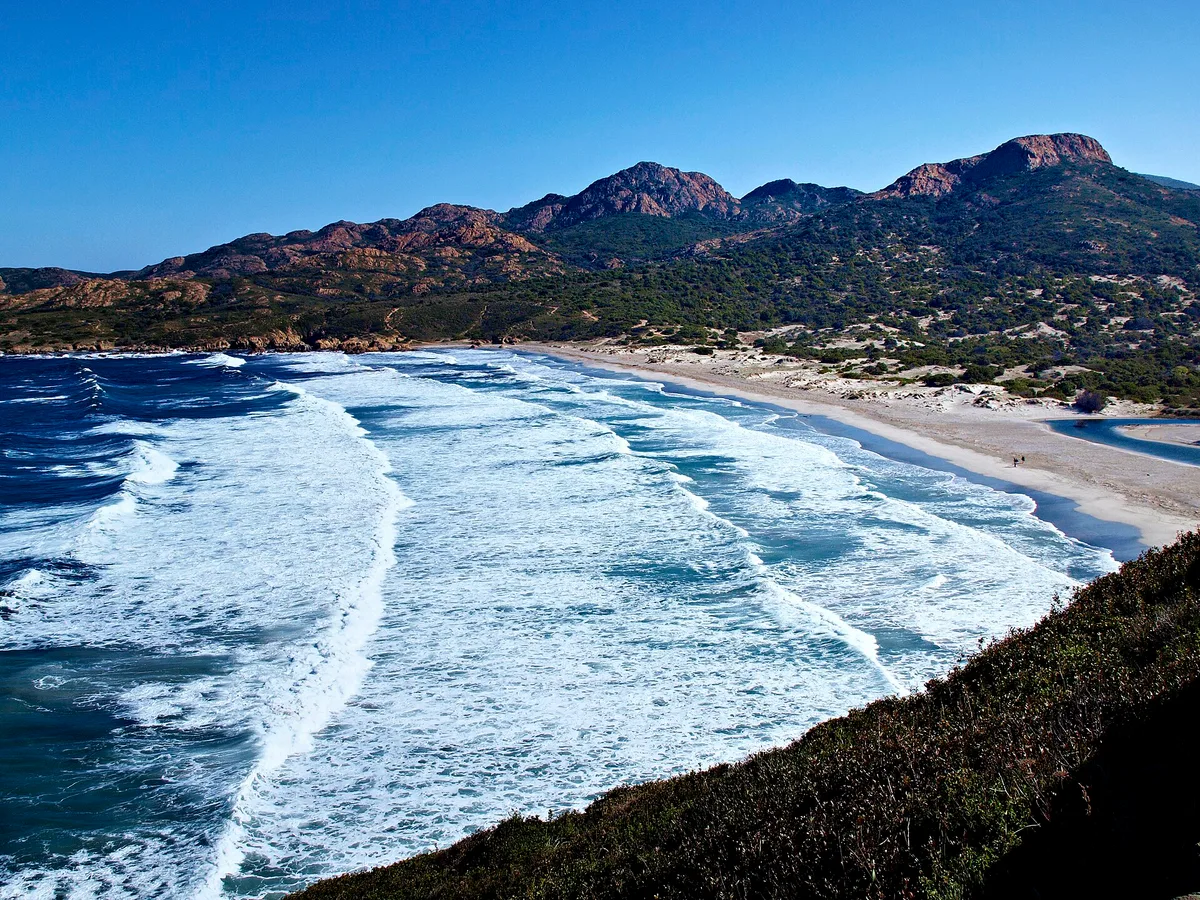
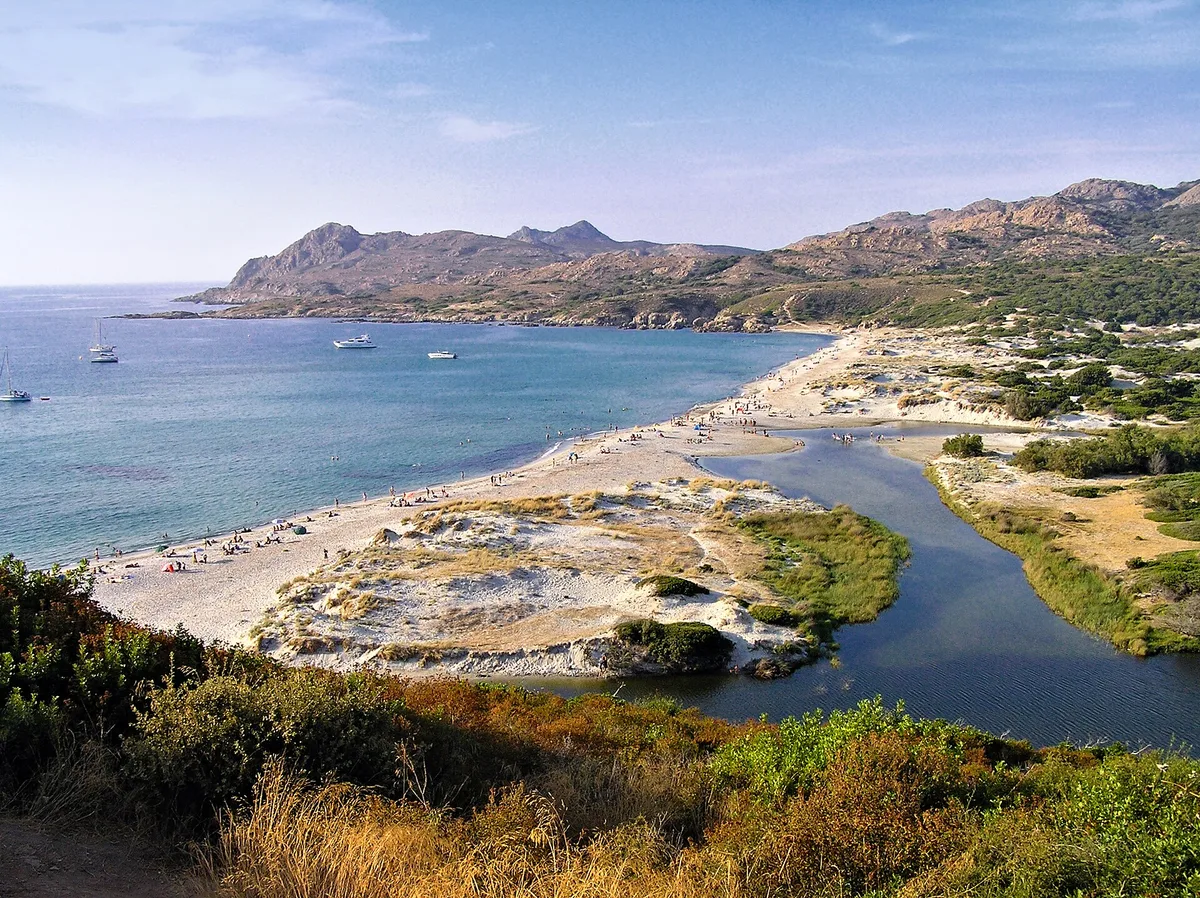
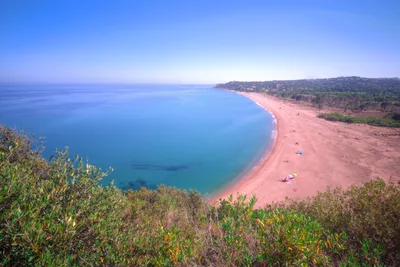
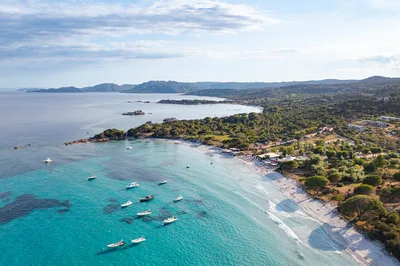
Plage de l'Ostriconi stretches roughly 700 metres along the northern Corsican coast, where a river mouth spills into turquoise water backed by low dunes and dense maquis scrubland. The white sand is wide and largely undisturbed, giving the beach a raw, elemental feel that sets it apart from the manicured resorts further south. It sits within the Désert des Agriates protected territory, so the landscape stays wild — no beach bars, no sunbed rentals, just the wind and the scent of the maquis. Quiet by nature, it draws visitors who want space rather than spectacle. The setting is genuinely striking, but the water here demands serious respect.
How to get there
From the T30 road towards Île-Rousse, follow signs to Plage de l'Ostriconi — the drive takes around 5 minutes. A large free gravel and dirt parking lot sits at the trailhead; note it accommodates vehicles under 2 metres in height only, and there are no public toilets or other facilities on site. From the parking lot, a 20-minute walk brings you to the beach. There is no entry fee.
Who it's for
For couples
Couples who want solitude over socialising will find Ostriconi hard to beat — the wild dune landscape and the sound of the river meeting the sea create a genuinely atmospheric setting for a long walk and a quiet afternoon on the sand.
For families
Families with older children who can manage the river crossing and the 20-minute walk will enjoy the open white sand and the sense of space. Parents must be aware that swimming is dangerous here — the beach is not safe for children to enter the water, even in summer.
Our take
Ostriconi is one of those beaches that earns its reputation through restraint — no infrastructure, no noise, just white sand, turquoise water, and the Corsican maquis doing what it does best. That wildness is the draw, and it's real. But the water here is not a backdrop for swimming; it has a documented history of drownings, and no amount of scenic beauty changes that. Come for the walk, the dunes, the river mouth, the GR34 trail into the Désert des Agriates. Come in June or September when the parking lot isn't packed and the light is softer. Leave the water alone. Ostriconi rewards the visitor who reads it correctly — and punishes the one who doesn't.
What to do
The GR34 coastal path runs through the area, making Ostriconi a natural starting point for a longer walk through the Désert des Agriates, a protected natural territory of wild landscapes and the Sentier du Littoral coastal trail. Just 1.1 kilometres away, Plage de Vana is worth the short detour and holds a strong 4.5-star reputation among visitors. Further afield, the Parc of Saleccia — about 7 kilometres out — offers another slice of protected Corsican wilderness. For a viewpoint with history, the 19th-century Pietra Lighthouse on Île-Rousse island sits 15 kilometres away and delivers panoramic coastal views.
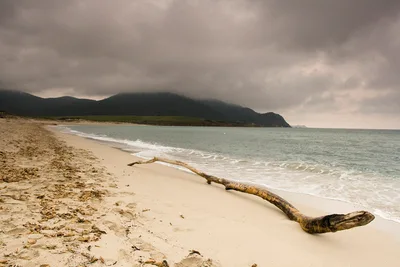
The river mouth where fresh water meets turquoise sea is the defining shot — frame it wide with the low dunes in the foreground and the maquis hills behind.
The dune ridgeline looking back towards the parking path gives a sense of the beach's wild scale. Early morning light on the white sand, before any visitors arrive, is when the colours are at their most vivid.
Where to eat
There are no restaurants or food vendors at the beach itself — pack everything you need before you arrive. The nearest option is Camping de l'Ostriconi, about 1 kilometre away, which may have basic provisions on site. Bring your own picnic; the maquis-backed dunes make for a fine outdoor table.
Where to stay
Camping de l'Ostriconi is the closest base, just 1 kilometre from the beach and rated 3.7 out of 5 across over 215 reviews — a solid choice for those who want to stay close to the wild coastline. It's a practical, well-regarded option for anyone planning to explore the Désert des Agriates over several days.
Photography
Shoot early morning when the low dunes cast long shadows across the white sand and the turquoise water catches the first light — the river mouth framing the sea makes a compelling foreground. The maquis backdrop adds texture and depth; a wide-angle lens from the dune line at golden hour rewards patience.
Good to know
A river crossing is required to reach the beach, and water levels vary by season — check conditions before you go, especially in spring or after rainfall. Do not enter the water: strong currents and dangerous waves have caused drownings and near-drownings here, and the beach is supervised only during summer months. Even on calm-looking days, windy conditions can make the sea lethal. If you visit in July or August, expect the parking lot and path to be at their busiest — June or September gives you the same beauty with far fewer visitors.
GAMES
🕹️ Five minutes of sand?
Three daily games — including the UV simulator set to this beach.
Map
Nearby places
village Camping de l'Ostriconi
Plage de Vana
Parc of Saleccia
Things to see around Palasca
Désert des Agriates
Protected natural territory with wild landscapes and Sentier du Littoral coastal path.
Pietra Lighthouse (Île-Rousse)
19th-century lighthouse on Pietra island with panoramic views.
Lama Village
Medieval perched village with historic architecture and valley views.
GIFT
🎁 Gift this beach
Its exact coastline, your date, your words — on a print or a PDF you print yourself.
Ostriconi Beach
THAT DAY
Ostriconi Beach, Corsica
© OpenStreetMap contributors
Clean & decorative, or “That day” with the real sky of your date.
Shipping included 3-6 business days
A question before you order? Contact us
Delivered within minutes on the confirmation page and by email: a ZIP with all 4 print sizes (30×40 cm, 12×16″, 50×70 cm, 18×24″), each as a high-resolution PDF and PNG (300 dpi), plus a screen version. Print at home or at any print shop.
Please complete the delivery address.
Please accept the Terms of Sale.
Almost there — the shop opens very soon.
Secure payment · Printed locally in 30+ countries · 7 languages
Frequently asked
The information on this page is provided for guidance only and may evolve. Access conditions, safety and infrastructure can change without notice. Always check official sources before traveling.
Nearest beaches
Other wild beaches in France
More beaches in Corsica
Reviews of this beach
- No reviews yet, what a shame — leave yours and share your experience.
Photo credits
Sources and licenses for the photos shown above.
- Photo 1 — gianni from Asti, Italy · source · CC BY-SA 2.0
- Photo 2 — Clemens Pohl · source · CC BY-SA 3.0
- Photo 3 — Pierre Bona · source · CC BY-SA 3.0
- Photo 4 — Pierre Bona · source · CC BY-SA 3.0
- Photo 5 — Pochestorie · source · CC BY 2.0
- Photo 6 — Pierre Bona · source · CC BY-SA 3.0