Coco BeachTogo Beach Guide
White sand, brown surf, and Lomé's liveliest beach scene
About
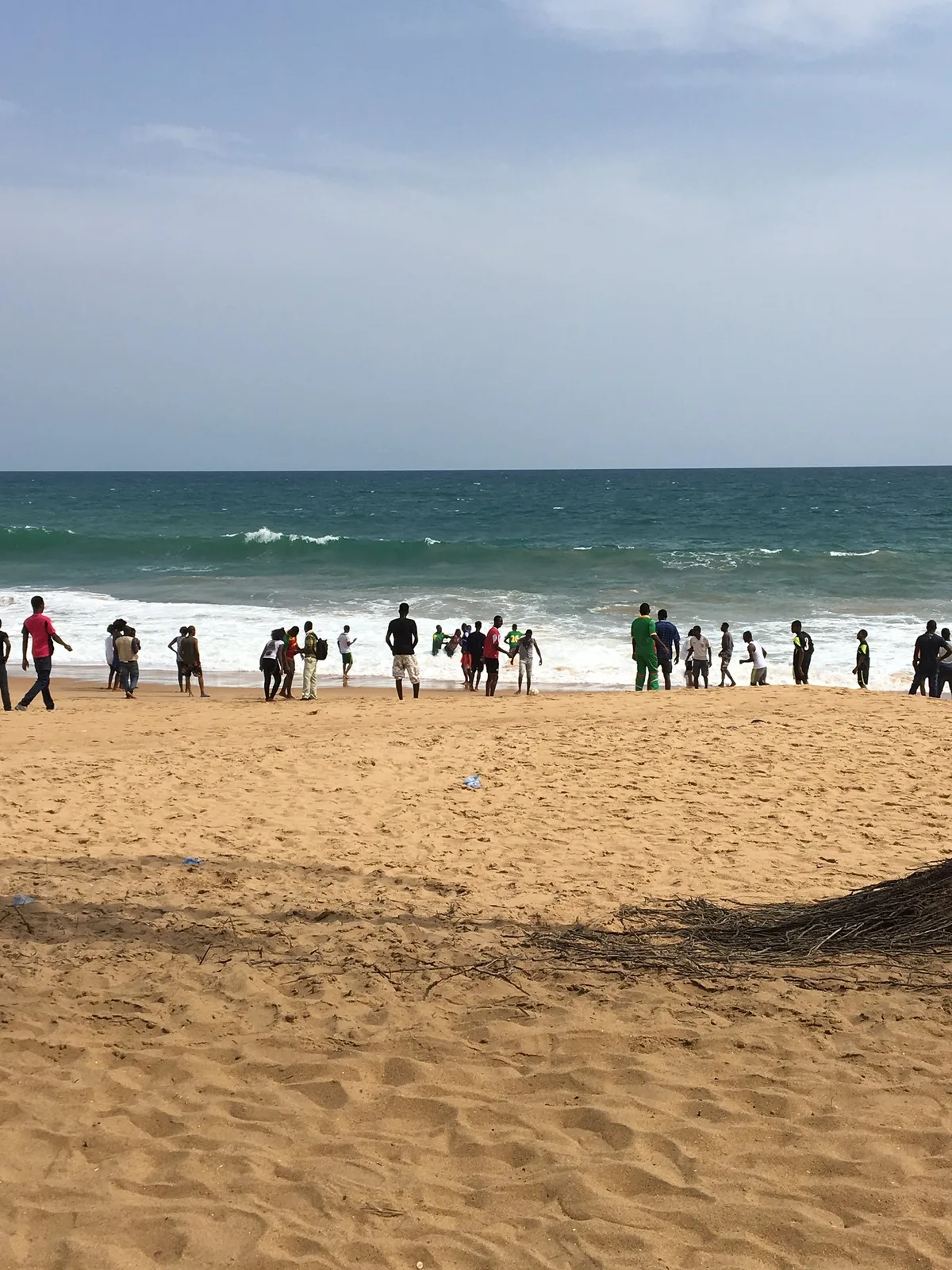
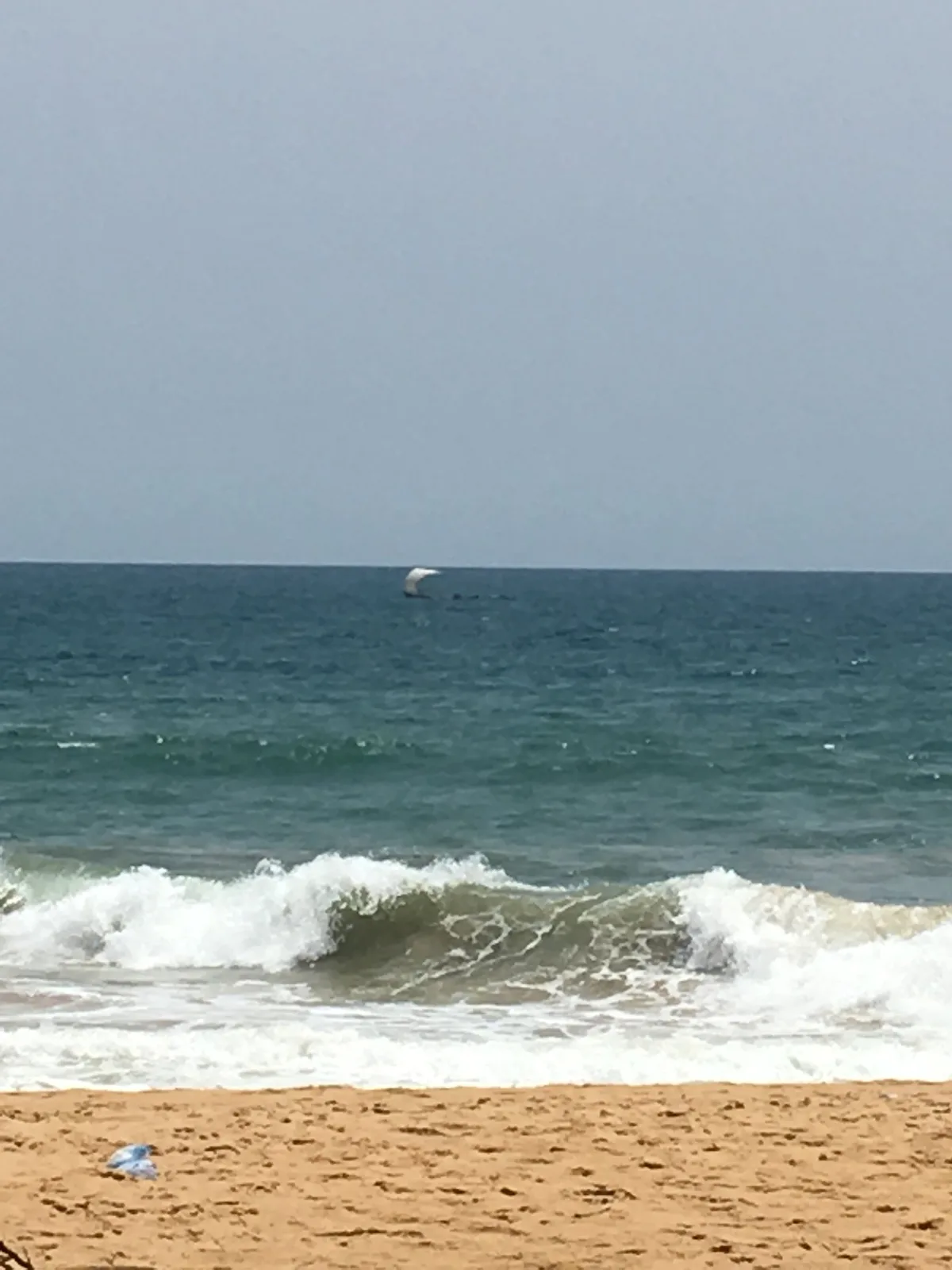
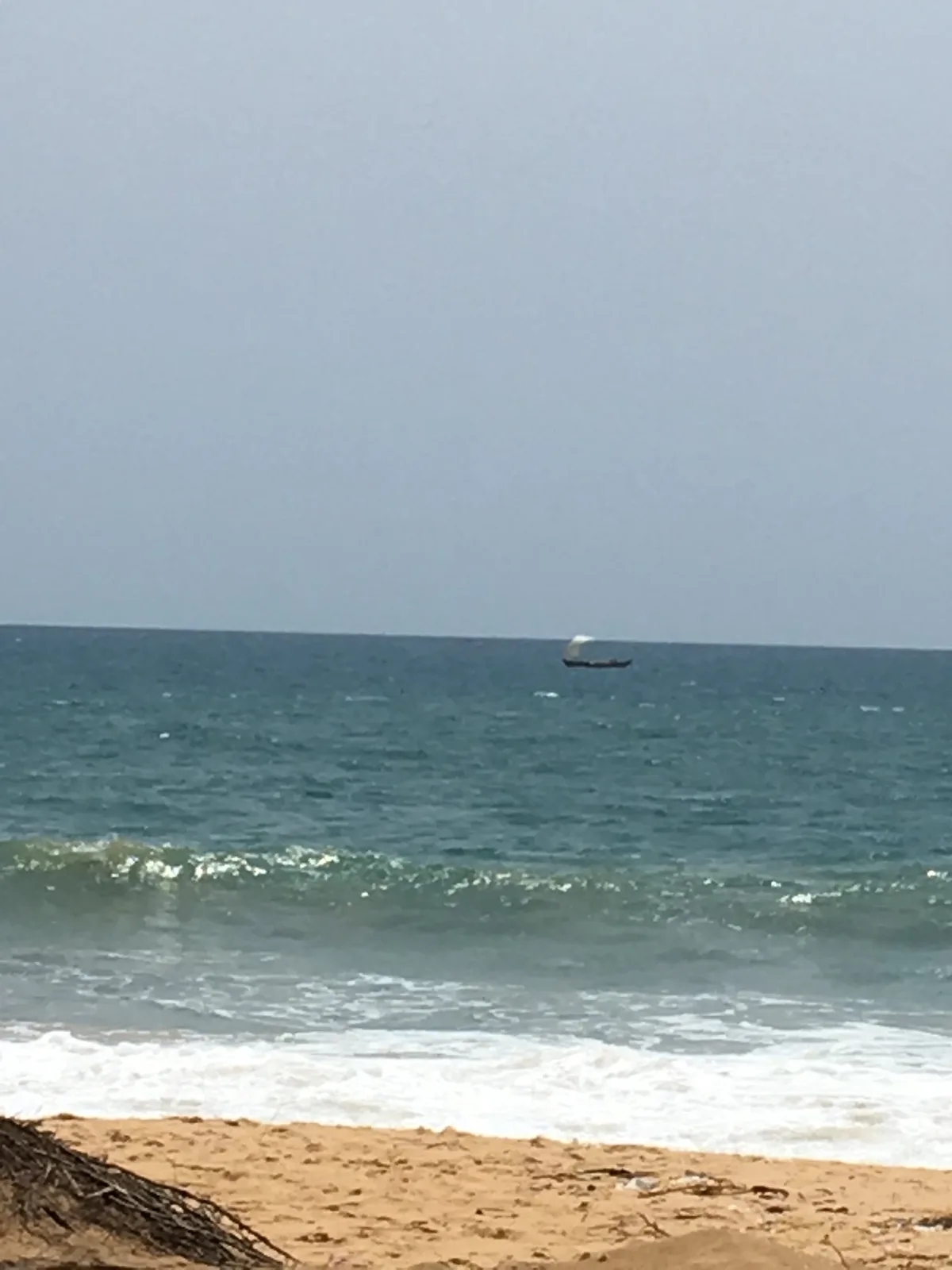
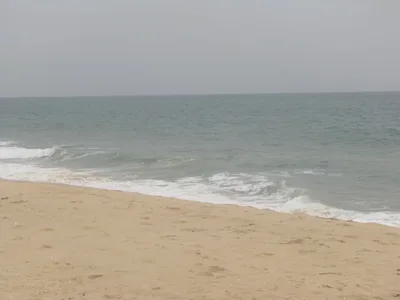
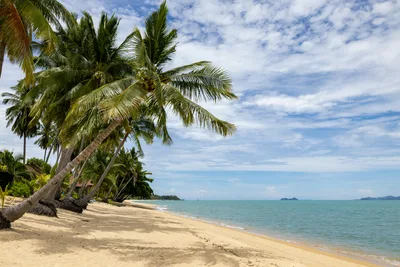
Plage de Coco Beach stretches along the Gulf of Guinea in Lomé, Togo, its white sand framed by a dense corridor of coconut palms that cast long shadows over the afternoon heat. The water runs a murky brown — the Atlantic here is powerful and unforgiving, not the postcard lagoon you might expect. What draws people is the energy on land: a strip of maquis bars sits right on the sand, grilled fish smoke drifts through the palm trunks, and by Saturday afternoon the place is packed with locals unwinding. Come nightfall, the bar lights flicker on and the beach transforms into one of Lomé's most animated social hubs.
How to get there
From Lomé city centre, follow Route des Plages N2 east — the drive takes around 20 minutes. Lomé–Tokoin International Airport (LFW) is 10.2 km away, making this an easy first or last stop on a Togo trip. Informal roadside parking is free but turns chaotic on weekend afternoons, so arrive early if you're driving on a Saturday or Sunday. There is a 2,000 CFA entry fee for beach access, though it's waived if you're eating or drinking at one of the beachside establishments.
Who it's for
For couples
An evening at Plage de Coco Beach — cold drinks at a maquis bar, grilled fish on the sand, and the nightlife atmosphere building around you — makes for a genuinely local date night that no resort can replicate.
For families
The easy access and free parking make logistics simple, but be direct with children: the water is off-limits due to strong rip currents and no lifeguard cover. Stick to the palm-shaded sand and the food stalls, and visit on a weekday to avoid the intense weekend visitors.
Our take
Let's be clear from the start: the water at Plage de Coco Beach is off-limits. Strong Atlantic rip currents and zero lifeguard cover make this a beach you visit for everything except swimming. That said, what happens on the sand is genuinely worth the trip — the maquis bar strip, the grilled fish, the coconut palms, the nightlife energy on a dry-season weekend. This is Lomé's social beach, not a swimming beach, and it's best understood on those terms. Come between November and April, arrive before the afternoon rush if you're driving, and plan to stay for the evening. Skip June through August unless you enjoy rain and quieter bars.
What to do
The beach itself is the main event — walk the coconut palm corridor, watch the grilled fish vendors work their grills, and settle into a maquis bar as the afternoon stretches on. When you're ready to explore further, Grand Marché de Lomé is about 14 km away, one of West Africa's largest markets and famous for its Nana Benz cloth traders — well worth the trip. The Palais de Lomé, a former colonial governor's palace now converted into a cultural centre and museum, sits around 13 km from the beach. For a quieter nature excursion, Lac Togo is a coastal lagoon lake about 35 km out, reachable by pirogue with the historic village of Togoville on its northern shore.
The coconut palm corridor running parallel to the sand is the most photogenic feature — shoot looking west toward the water at golden hour for strong silhouettes.
The maquis bar strip at dusk, with smoke from the grilled fish vendors and the brown Atlantic surf in the background, gives you a frame that is entirely specific to this beach.
Where to eat
The beachside maquis bars are the real draw for eating — grilled fish cooked fresh on the sand is the thing to order. Just off the beach, Sika Bistro is 0.8 km away, and OPERA Avepozo — covering pizza, regional dishes, coffee, and ice cream — is 1.1 km out. Alors Beach Restaurant Bar, about 2.2 km away, rounds out the options if you want a sit-down meal after the beach.
Where to stay
Novela Star and Residence des Tropiques are both within 1.5 km of the beach, making them the most convenient bases. EL Doria Hotel sits 1.9 km away, while Malaîka and Hôtel Le Monument are a little further out — close enough to walk back after an evening at the bars.
Photography
The golden hour before sunset is the best time to shoot — the low light cuts through the coconut palm corridor and catches the smoke rising from the grilled fish stalls in a way that feels cinematic. The maquis bar strip at dusk, with the brown Atlantic surf behind it and palm silhouettes overhead, is the most distinctive frame this beach offers.
Good to know
Do NOT enter the water — strong Atlantic surf and rip currents make swimming genuinely dangerous, and there is no lifeguard service on this beach. Respect the maquis bar seating areas: those chairs and tables belong to the vendors, so settle in, order something, and enjoy the scene properly. Saturday and Sunday afternoons between November and March are extremely busy, and parking on Route des Plages becomes a real headache — weekday mornings are a far calmer experience. Avoid June, July, and August if you want the full bar-strip atmosphere; peak swell and heavy rains quiet things down considerably.
Map
Nearby places
Sika Bistro
OPERA Avepozo
Auberge des 4 Vents
bar sous le manguier
Alors Beach Restaurant Bar
Novela Star
Residence des Tropiques
EL Doria Hotel
Malaîka
Hôtel Le Monument
Things to see around Lomé
Grand Marché de Lomé
One of West Africa's largest markets, famous for the Nana Benz cloth traders
Palais de Lomé
Former colonial governor's palace converted into a cultural centre and museum
Lac Togo
Coastal lagoon lake near Togoville, accessible by pirogue, with the historic Togoville village on its northern shore
GIFT
🎁 Gift this beach
Its exact coastline, your date, your words — on a print, a mug, or a PDF you print yourself.
Coco Beach
THAT DAY
Coco Beach, Gulf of Guinea
© OpenStreetMap contributors
Clean & decorative, or “That day” with the real sky of your date.
Shipping included 3-6 business days
A question before you order? Contact us
Delivered within minutes on the confirmation page and by email: a ZIP with all 4 print sizes (30×40 cm, 12×16″, 50×70 cm, 18×24″), each as a high-resolution PDF and PNG (300 dpi), plus a screen version. Print at home or at any print shop.
Please complete the delivery address.
Please accept the Terms of Sale.
Almost there — the shop opens very soon.
Secure payment · Printed locally in 30+ countries · 7 languages
Frequently asked
The information on this page is provided for guidance only and may evolve. Access conditions, safety and infrastructure can change without notice. Always check official sources before traveling.
More beaches in Gulf of Guinea
Reviews of this beach
- No reviews yet, what a shame — leave yours and share your experience.
Photo credits
Sources and licenses for the photos shown above.
- Photo 1 — kjardin@pacbell.net · source · CC BY-SA 2.0
- Photo 2 — kjardin@pacbell.net · source · CC BY-SA 2.0
- Photo 3 — kjardin@pacbell.net · source · CC BY-SA 2.0