Baie du Cap BeachMauritius Beach Guide
Golden sand, colonial stone, and quiet southern shores
About
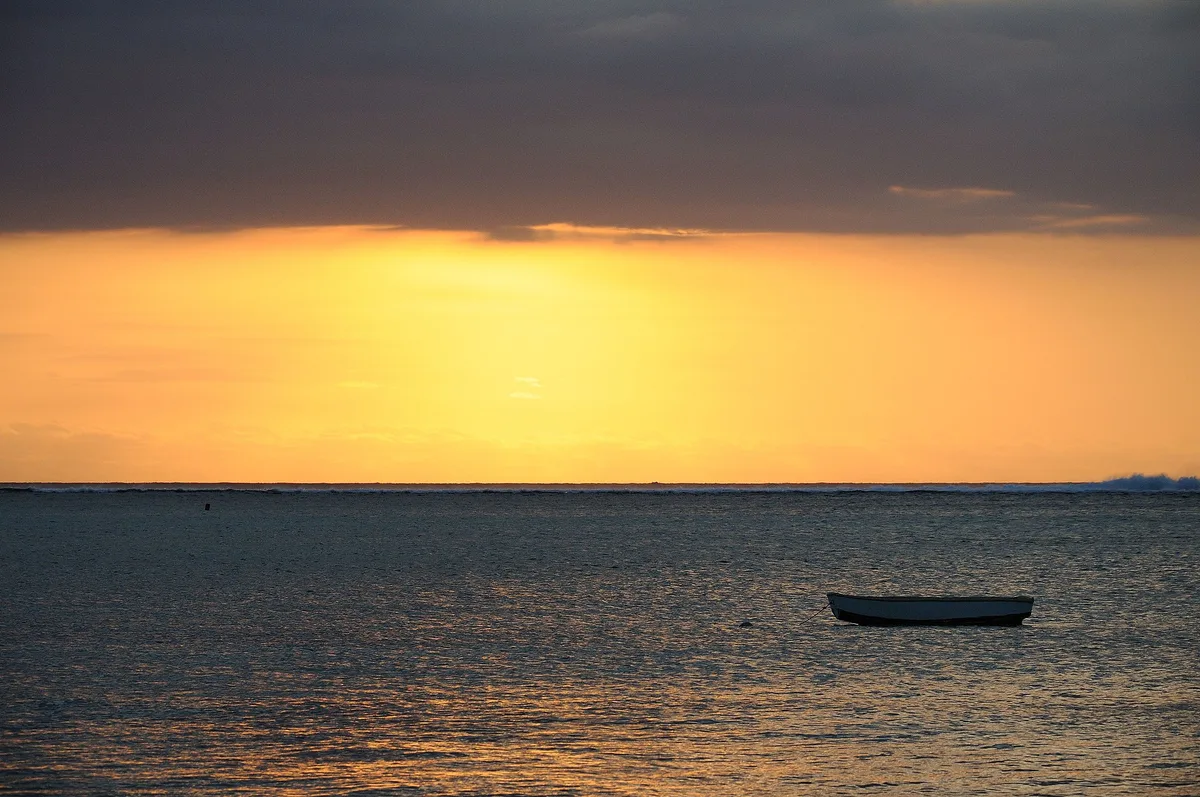
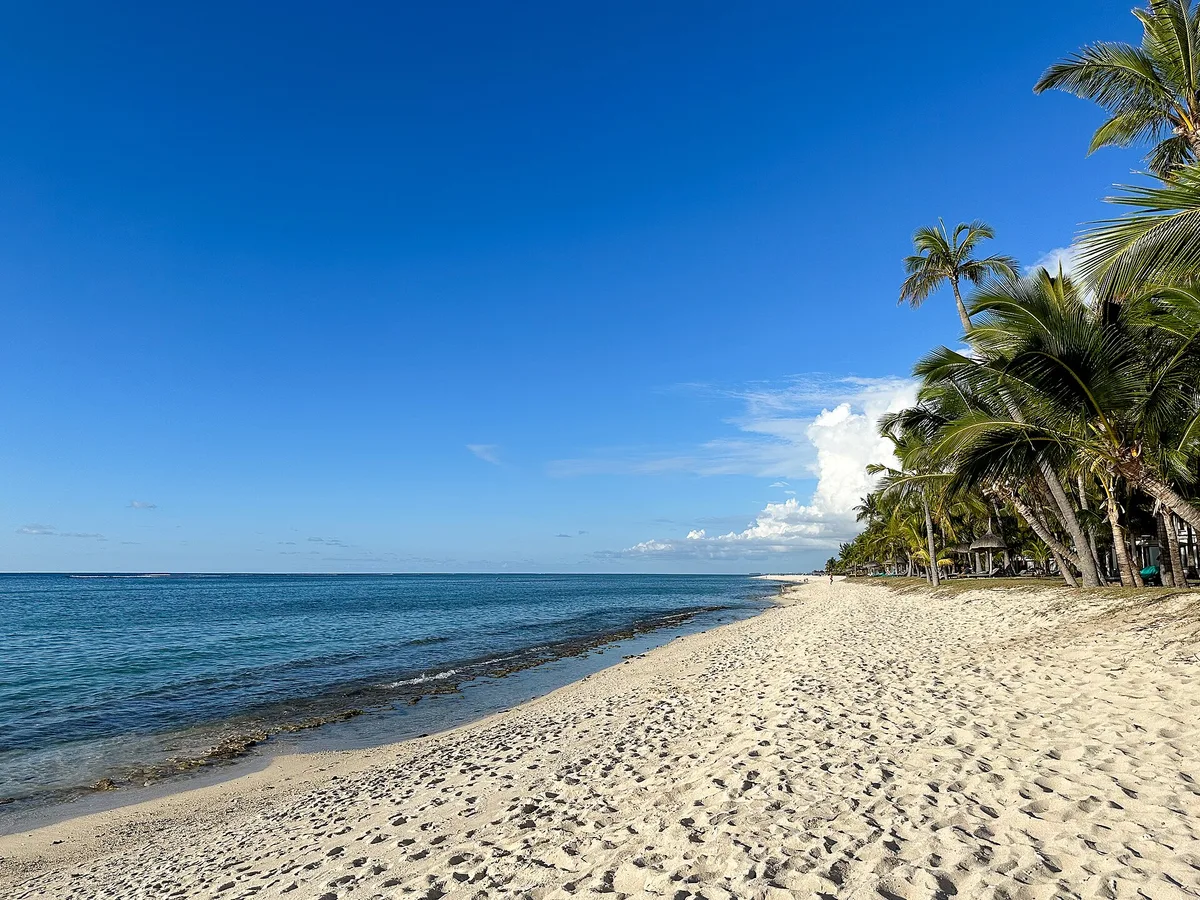
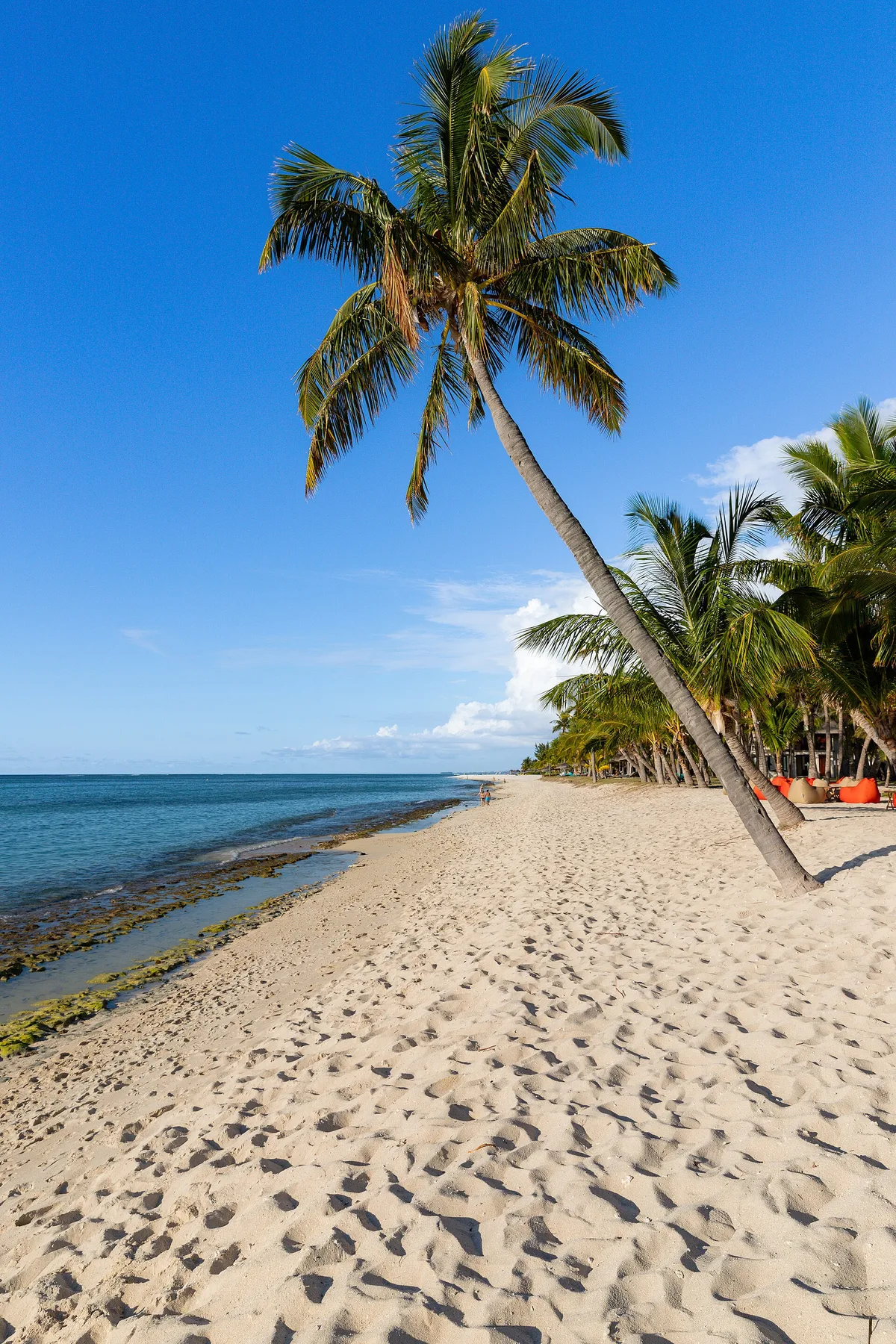
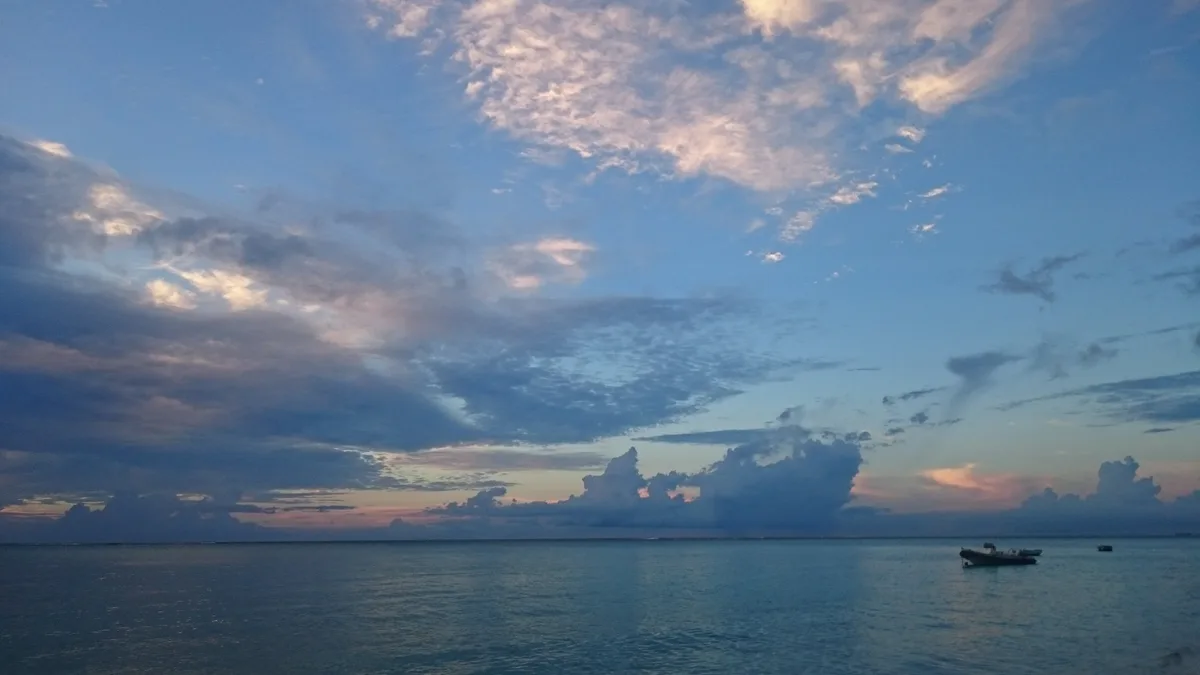
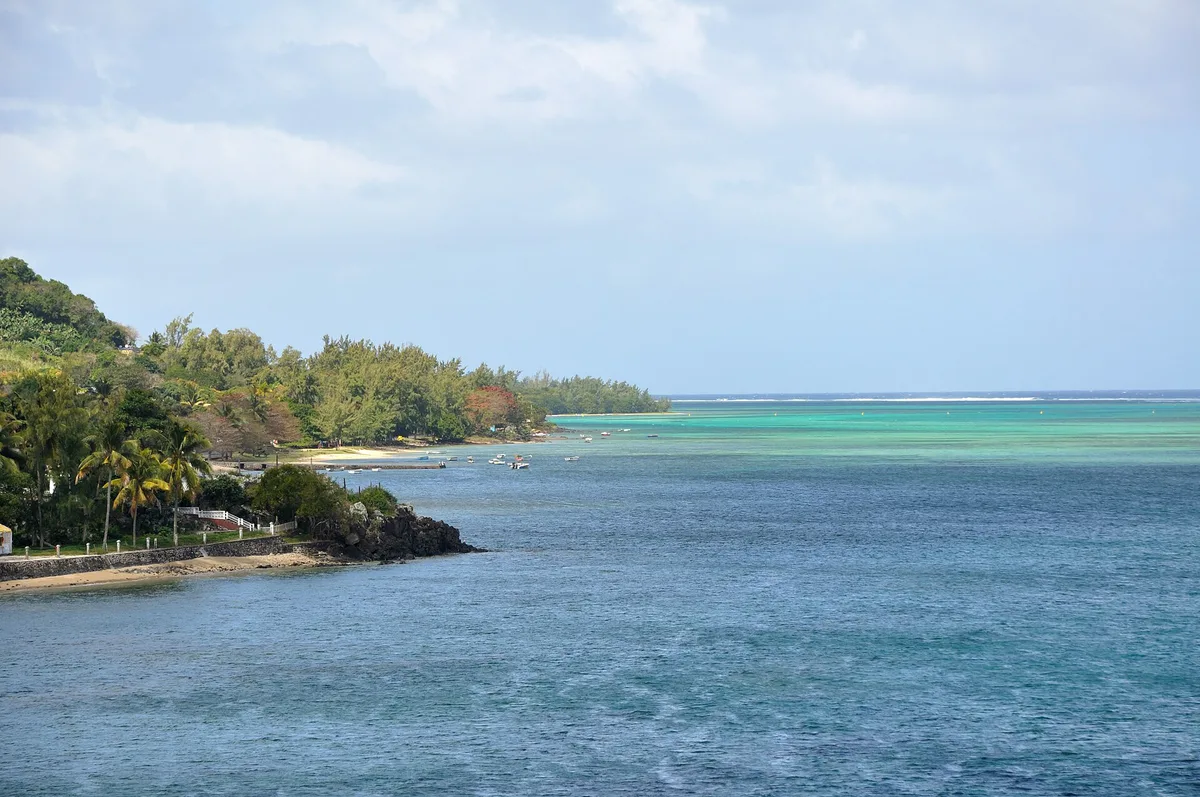
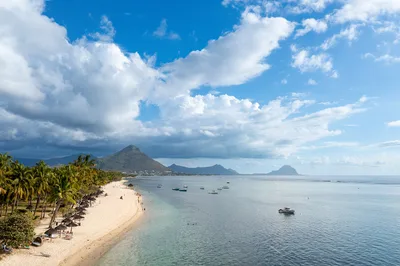
Plage de Baie du Cap sits at the southwestern tip of Mauritius, where sugarcane fields give way to a sheltered bay of golden sand and turquoise water. A colonial stone bridge marks the spot where a river mouth meets the sea — it's one of the most distinctive landmarks on the south coast. The bay stretches roughly along the shoreline, catching the soft light of the Indian Ocean in a way that feels unhurried and genuinely quiet. This is a transition point between the dramatic southwest peninsula and the wilder south coast, and the landscape carries that edge — beautiful, but with character. Flat road access makes it easy to reach, yet it rarely draws more than a handful of visitors.
How to get there
From Le Morne village, it's about a 15-minute drive along the south coast road — straightforward daily access by car. The colonial stone bridge near the beach serves as your landmark; free roadside parking is available beside it. There's no entry fee, but there are also no formal facilities on-site, so arrive prepared.
Who it's for
For couples
The quiet atmosphere and the unusual combination of colonial bridge, sugarcane backdrop, and turquoise water make this a genuinely romantic stop — unhurried and free of the resort-beach energy found elsewhere on the island. Come in the dry season for calm water and clear skies.
For families
Flat road access and free parking make arrival easy with children, and the relaxed pace suits families who want space without the noise of busier beaches. Stick to the dry season months and keep children away from the river mouth area, especially after rain.
Our take
Plage de Baie du Cap doesn't try to compete with the resort beaches further up the coast, and that's exactly its appeal. The colonial stone bridge, the sugarcane running to the waterline, the quiet golden sand — it's a south coast scene with real historical texture. Swim with caution: the river mouth current is a genuine hazard after rain, and winter swells in June through August can make the bay uncomfortable and unsafe. Come in the dry season, between May and October outside the swell window — so September and October are your sweet spot. There are no facilities here, no beach bars, no loungers. Pack everything, leave nothing, and treat it as the unhurried detour it is.
What to do
Le Morne Brabant, the UNESCO World Heritage basalt monolith, rises dramatically about 8km away and is the defining landmark of this corner of Mauritius — worth the short drive. Bel Ombre Nature Reserve, 10km along the south coast, offers endemic forest and a heritage estate for those who want to explore beyond the shoreline. Further inland, the Chamarel Coloured Earths — a geological site of seven-coloured volcanic soil on the Chamarel plateau — is about 15km away and pairs well with a half-day trip. Curious Mauritius, rated 4.4/5 and located 8.1km from the beach, is a solid local activity option if you want a guided experience of the region.
The colonial stone bridge framing the river mouth against the turquoise bay is the signature shot — shoot from the road-side bank for the widest angle.
The line where sugarcane fields meet the golden sand shoreline is a rare composition you won't find at most Mauritius beaches. For a wider landscape frame, position yourself at the water's edge looking southwest toward the open bay in the late afternoon.
Where to eat
There are no restaurants at the beach itself, so bring a picnic. The nearest option is Maconde Fast Food, 8.3km away, for a quick and affordable bite. For something more atmospheric, Moon Bar'k — a floating bar and dining experience on the sea — sits 11.3km away with a strong 4.7/5 rating, and NOMAD, one of the most reviewed restaurants on the island, is 11.7km out.
Where to stay
Mariposa, rated 4.2/5 across 648 reviews, is the closest listed accommodation at 11.7km from the beach — a solid base for exploring both the Le Morne peninsula and the south coast. Staying in this area puts you within easy reach of Plage de Baie du Cap for an early-morning visit before the day warms up.
Photography
The colonial stone bridge at the river mouth is the standout shot — frame it at golden hour with the turquoise bay behind it for the strongest composition. Early morning light hits the golden sand cleanly before any haze builds, and the sugarcane fields running to the shoreline add a layer of texture that's rare on a Mauritius beach.
Good to know
After heavy rain, the river mouth can generate strong currents — do not enter the water near the outlet if the river is running fast. South coast swells can push into the bay during winter months, so avoid June, July, and August if you're planning to swim. True digital-detox spot — bring offline books, the cell signal fades and there's nowhere to plug in a laptop. Flat road access makes it manageable for most visitors, but pack everything you need: food, water, and sun protection.
GAMES
🕹️ Five minutes of sand?
Three daily games — including the UV simulator set to this beach.
Map
Nearby places
Maconde Fast Food
NOMAD
Mariposa
Curious Mauritius
Things to see around Savanne
Le Morne Brabant
UNESCO World Heritage basalt monolith on the southwest peninsula.
Bel Ombre Nature Reserve
Private nature reserve with endemic forest and heritage estate on the south coast.
Chamarel Coloured Earths
Seven-coloured volcanic earth geological site on the Chamarel plateau.
GIFT
🎁 Gift this beach
Its exact coastline, your date, your words — on a print or a PDF you print yourself.
Baie du Cap Beach
THAT DAY
Baie du Cap Beach, Mascarene Islands
© OpenStreetMap contributors
Clean & decorative, or “That day” with the real sky of your date.
Shipping included 3-6 business days
A question before you order? Contact us
Delivered within minutes on the confirmation page and by email: a ZIP with all 4 print sizes (30×40 cm, 12×16″, 50×70 cm, 18×24″), each as a high-resolution PDF and PNG (300 dpi), plus a screen version. Print at home or at any print shop.
Please complete the delivery address.
Please accept the Terms of Sale.
Almost there — the shop opens very soon.
Secure payment · Printed locally in 30+ countries · 7 languages
Frequently asked
The information on this page is provided for guidance only and may evolve. Access conditions, safety and infrastructure can change without notice. Always check official sources before traveling.
Nearest beaches
Reviews of this beach
- No reviews yet, what a shame — leave yours and share your experience.
Photo credits
Sources and licenses for the photos shown above.
- Photo 1 — Cristian Lorini · source · CC BY-SA 3.0
- Photo 2 — "dronepicr" · source · CC BY 2.0
- Photo 3 — "dronepicr" · source · CC BY 2.0
- Photo 4 — Cristian Lorini · source · CC BY-SA 3.0
- Photo 5 — TheBigTouffe · source · CC BY 2.0
- Photo 6 — Simisa (talk · contribs) · source · CC BY-SA 3.0