Phaselis BeachTurkey Beach Guide
Three ancient coves where Roman history meets turquoise water
 🎁 Gift idea: the star map of your most beautiful night↓
About
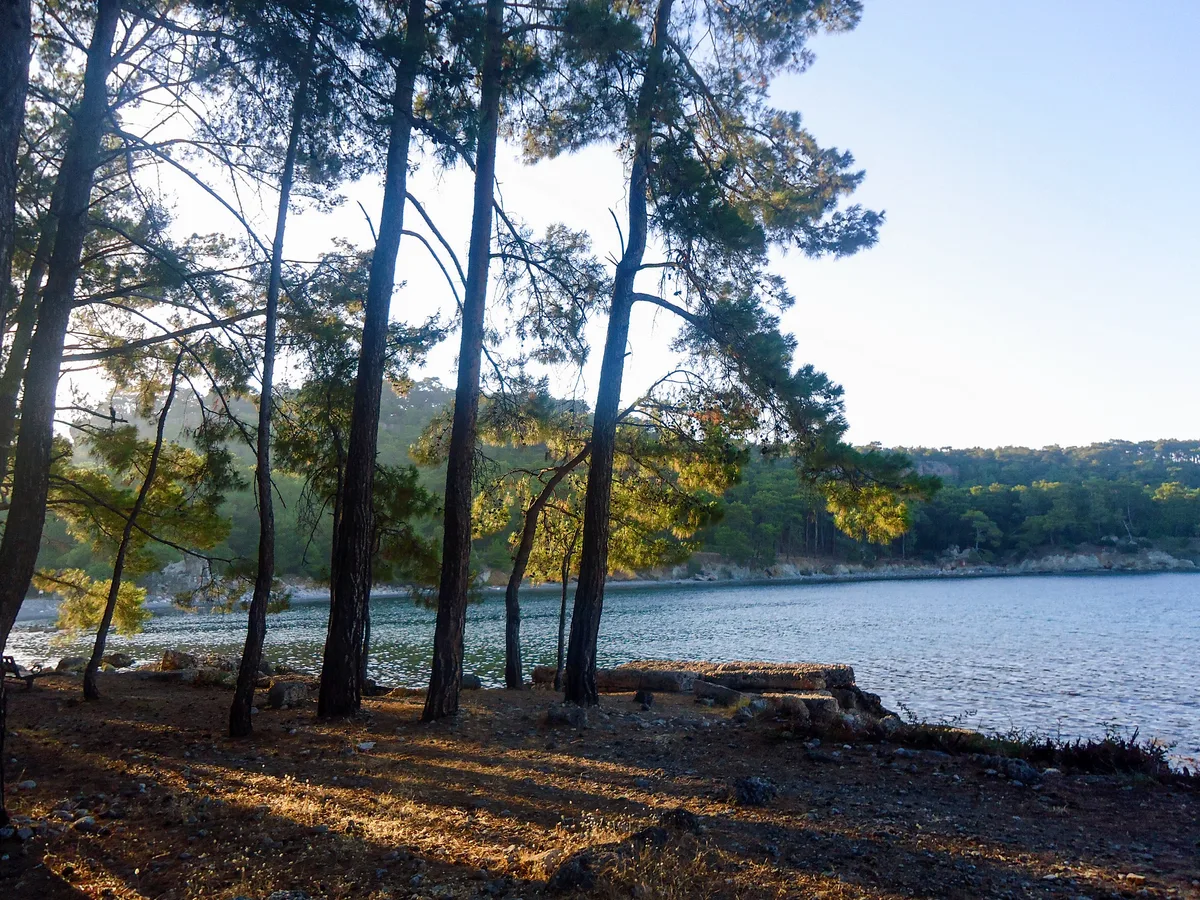
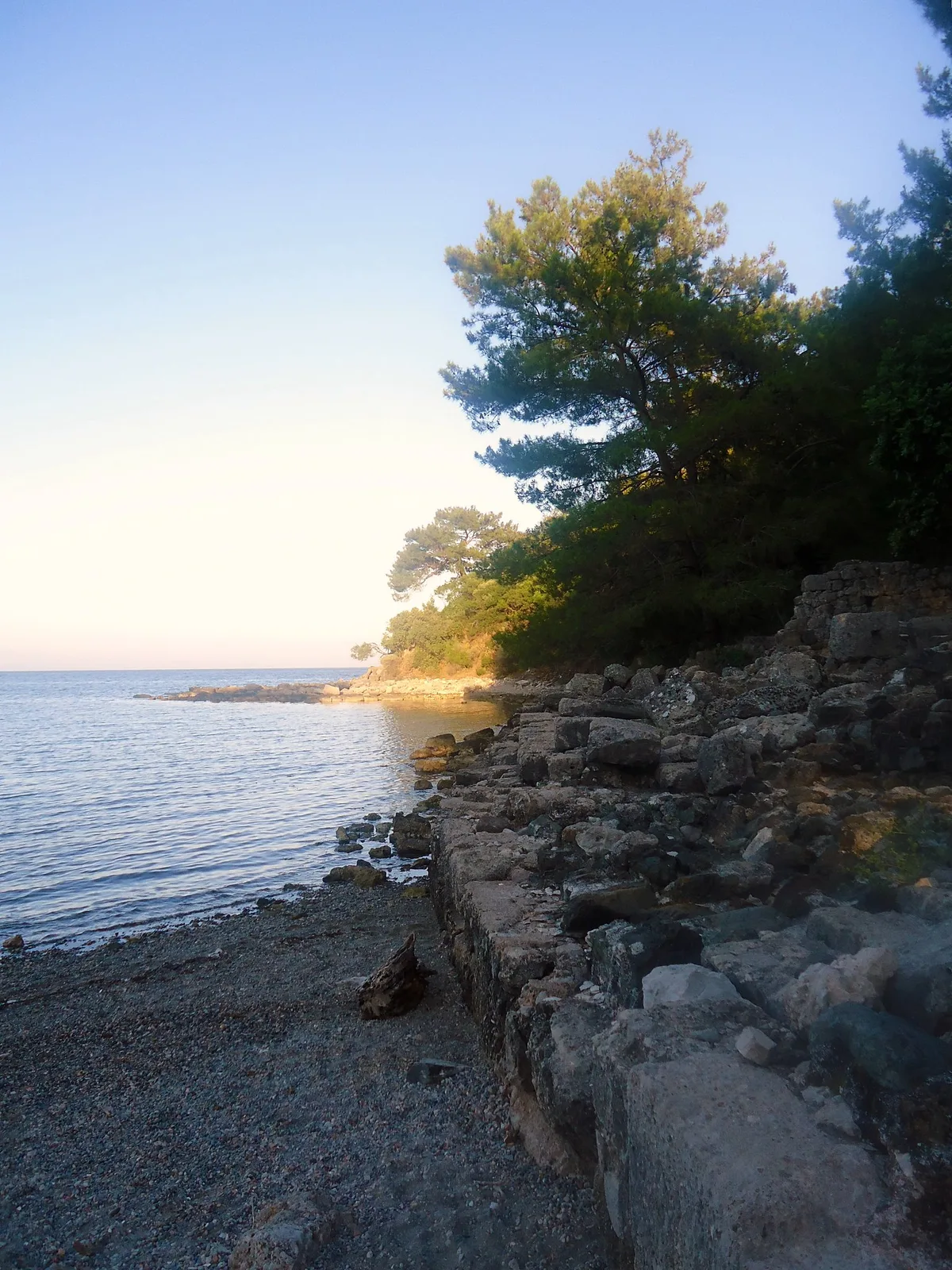
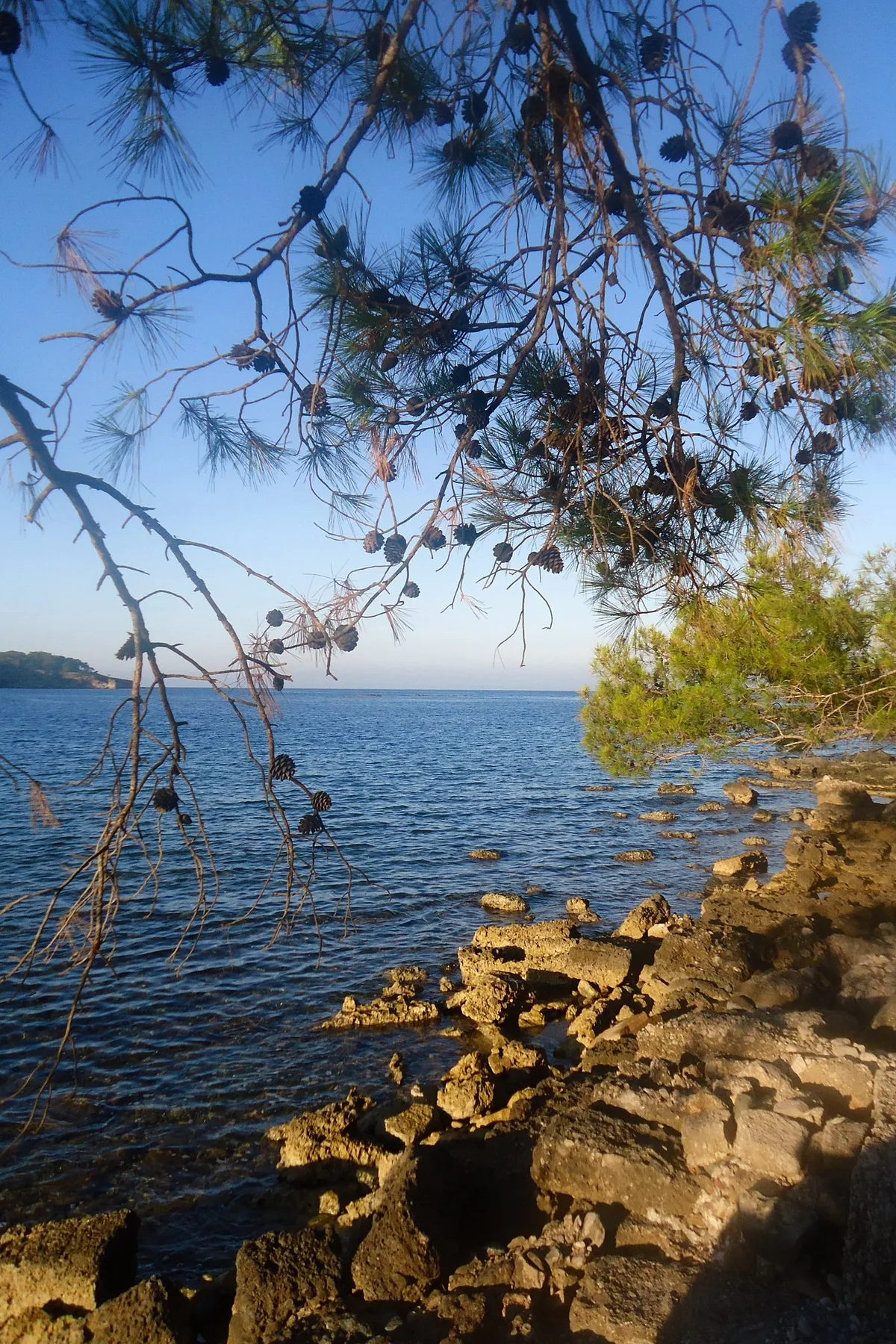
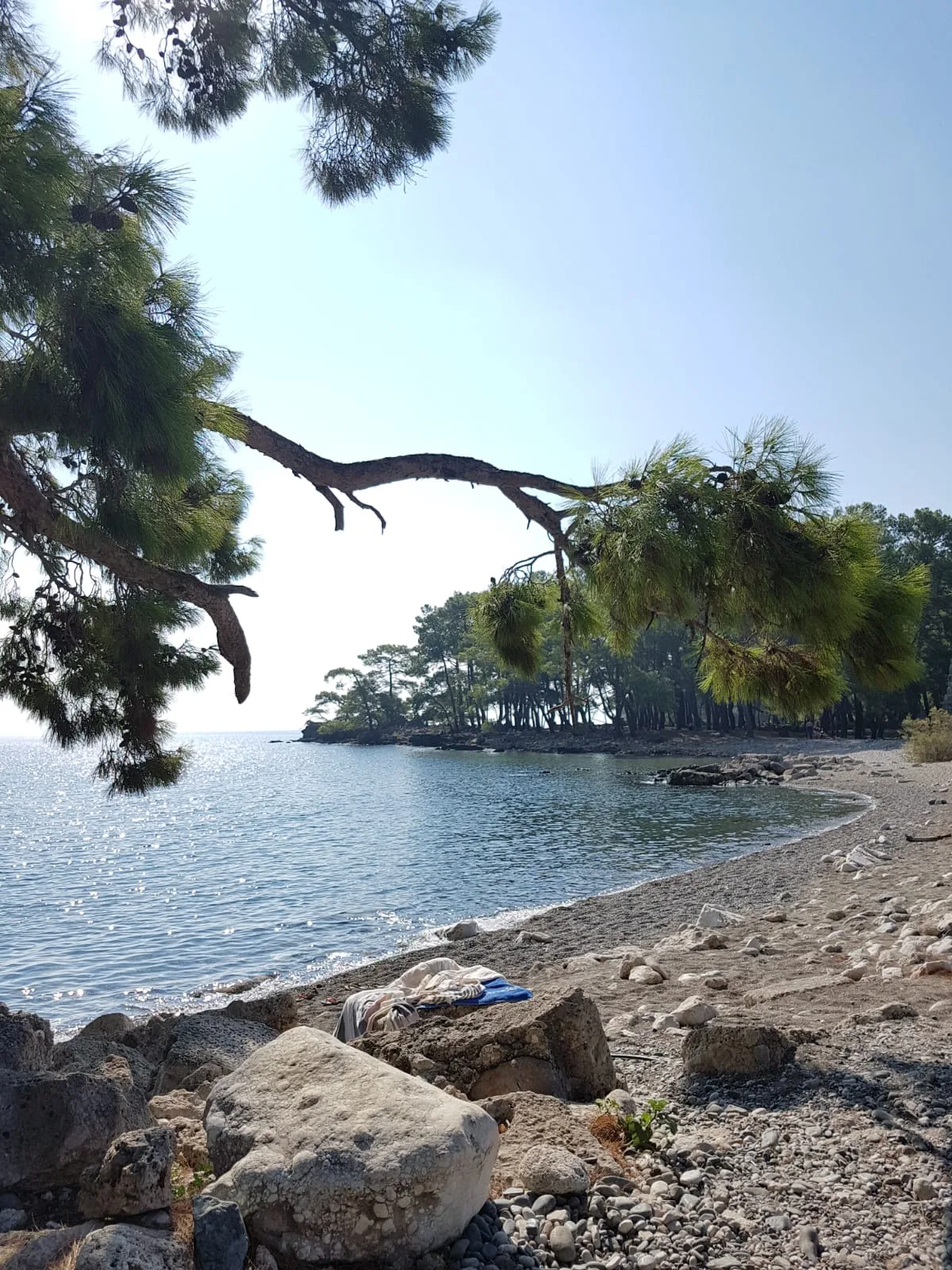
Phaselis Plajları sits inside an active archaeological site on the Turkish Riviera, where pine forest runs right to the waterline and three distinct coves wrap around the ruins of a Lycian-Roman port city. The water is turquoise, the shoreline a mix of sand and pebble, and the mood is unhurried — you can swim in the morning, then wander through an agora or trace the line of a Roman aqueduct before lunch. Each of the three bays — north, central, and south — has its own character, from quieter shallows to the southern anchorage that boat tours favour. It's one of the few places on the Turkish Riviera where archaeology and a proper beach day genuinely share the same ticket.
How to get there
From Kemer, it's a 20-minute drive to the site entrance car park, which is free after paying site entry — arrive early in peak season because it fills mid-morning. Alternatively, catch a seasonal boat from Kemer marina, roughly a 30-minute ride that drops you directly into the bay. An entry fee applies to all visitors; holders of a valid MuseumPass Türkiye enter free. The entry fee covers beach access across all three coves.
Who it's for
For couples
The combination of turquoise water, pine shade, and Roman ruins makes for an unusually atmospheric slow day — swim in the morning, explore the aqueduct and agora together in the afternoon, and leave before the boat-tour rush for a quieter experience.
For families
The safe swimming conditions and easy flat paths between the three coves suit families well; older children will find the snorkelling over ancient harbour stones genuinely exciting, though water shoes are worth packing for the rockier entry points.
Our take
Phaselis is the rare beach where the archaeology isn't a backdrop — it's the whole point. Swimming is safe, the turquoise water is genuinely clear, and snorkelling over Roman harbour stones is an experience you won't replicate at a standard resort beach. That said, be honest with yourself about July and August: boat-tour groups dominate the southern bay from mid-morning onward and the heat is intense, so the best version of this place belongs to the shoulder months and early mornings. The entry fee is non-negotiable, nothing leaves the site, and camping is out — respect those rules and the site stays worth visiting. Come early, bring water shoes, and give yourself enough time to walk all three coves. Worth the detour.
What to do
The main draw is Phaselis Ancient City itself — a Lycian-Roman port with a theatre, agora, aqueduct, and harbour walls, all reachable via flat paths through the ruins between coves. Snorkelling directly over the ancient harbour stones is a genuine highlight; the turquoise water is clear enough to make out submerged structure. For something further afield, Beydağları Olympos National Park begins just 5 km away and covers the Taurus mountain coastline, while Olympos Teleferik is about 6 km from the site. Olympos Ancient City and Çıralı — Lycian ruins in a forested gorge with the famous Chimera flames — is around 20 km down the coast.
The Roman aqueduct where it meets the beach edge is the single most photogenic structure on site — frame it with pine trees above and turquoise water below.
The view from the path between the north and central coves, looking back across the ancient harbour walls, rewards anyone who times it before the boat tours arrive mid-morning.
Where to eat
The nearest sit-down option is the Main Restaurant about 2.3 km from the site, followed by Naim'in Yeri Ev Yemekleri at 3.2 km. Further along you'll find Gaziantep Sultan Sofrası at 4.3 km, Anchor at 4.4 km, and Mexican Fuego at 4.5 km — a broader spread than you might expect for a national park beach. Pack a lunch if you want to eat on-site; there are no verified food vendors inside the archaeological area.
Where to stay
The closest large resort is Rixos Tekirova, 2 km from the site, followed by TUI FUN&SUN Club Saphire 5* at 2.1 km and Club Marco Polo at 2.8 km. Simena Hotel and Emelda Sun Club are both within about 3 km, keeping the commute to the ruins short. Staying in Tekirova village puts you right at the doorstep of the site.
Photography
The Roman aqueduct at the beach edge is the standout frame — shoot it at golden hour when low light catches the stonework against the pine canopy. For a wider composition, the elevated path between the coves gives you a view across turquoise water with ancient harbour walls in the foreground; early morning, before boat tours arrive, delivers the cleanest light and the fewest people in shot.
Good to know
Pay the site entry fee at the gate — it's required, and no archaeological material may be removed from the site under any circumstances. Camping is not permitted. Boat-tour groups arrive mid-morning and the southern bay becomes their preferred anchorage, so head there early or stick to the north and central bays if you want space. Bring water shoes: several cove entry points are rocky and they'll also help if you're snorkelling over the ancient harbour stones.
GAMES
🕹️ Five minutes of sand?
Three daily games — including the UV simulator set to this beach.
Map
Nearby places
Main Restaurant
Naim'in Yeri Ev Yemekleri
Gaziantep Sultan Sofrası
Anchor
Mexican Fuego
Rixos Tekirova
TUI FUN&SUN Club Saphire 5*
Club Marco Polo
Simena Hotel
Emelda Sun Club
Phaselis Ancient City
Olympos Ancient City & Çıralı
Beydağları Olympos National Park
Things to see around Kemer
Phaselis Ancient City
Lycian-Roman port city with aqueduct, theatre, agora and harbour walls
Olympos Ancient City & Çıralı
Lycian ruins in forested gorge with adjacent Chimera flames and beach
Beydağları Olympos National Park
Coastal national park covering the Taurus mountain coastline between Kemer and Kumluca
GIFT IDEA · MARCEL ET LES BLONDES
🎁 Give a moment, not a thing


What’s the occasion?

 💑 Dating anniversaryTwo dates, two starry skies
 💍 Wedding anniversaryCotton, silver, golden…
 🎂 BirthdayTheir own newspaper front page
 👶 New babyThe stars on the day they were bornValentine’s DayOur two moons, as a print
Shipping €5, free from €49 · made to order, shipped within 48 hAlso: our engraved wooden bracelets, €23.90 →
Frequently asked
The information on this page is provided for guidance only and may evolve. Access conditions, safety and infrastructure can change without notice. Always check official sources before traveling.
Other beaches in the region
Reviews of this beach
- No reviews yet, what a shame — leave yours and share your experience.