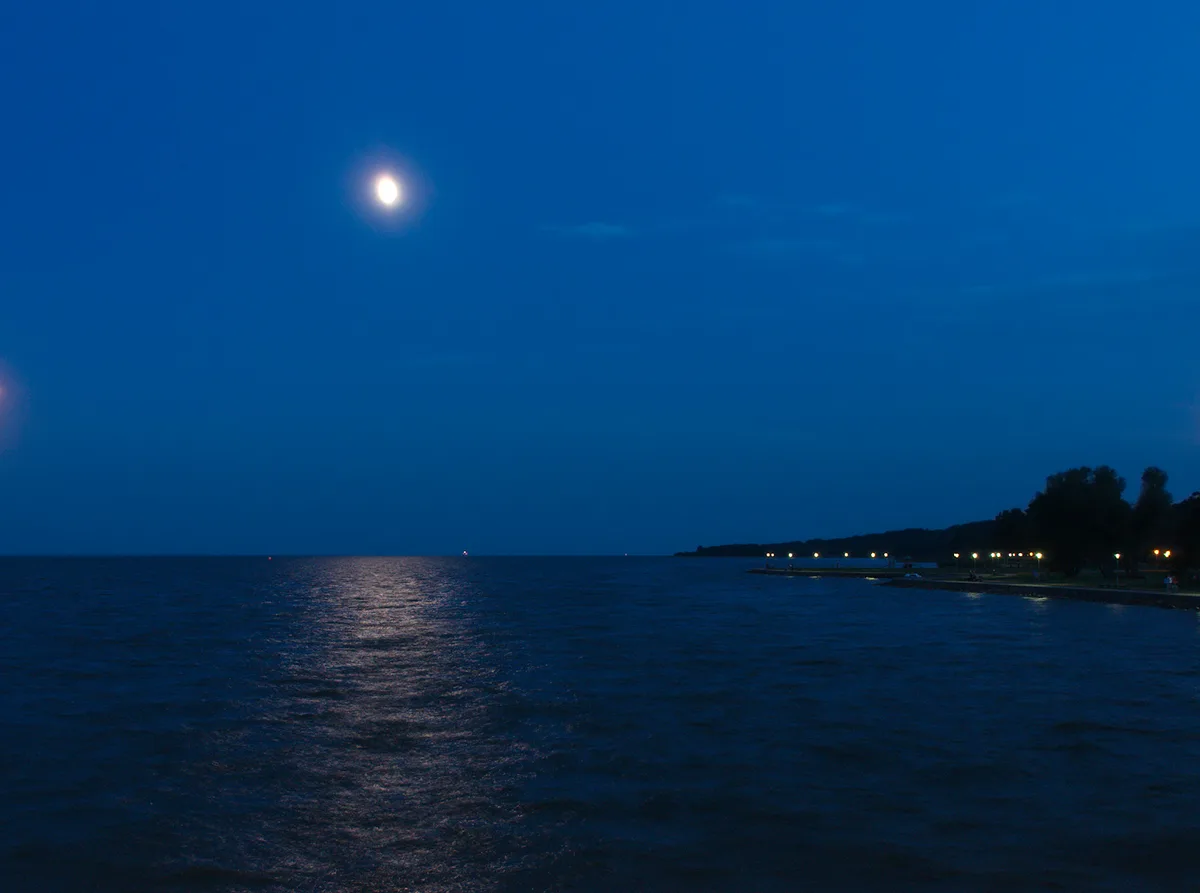
Juodkrantė BeachLithuania Beach Guide
White sand, wild Baltic coast, wooden myths at the forest edge
 🎁 Gift idea: the star map of your most beautiful night↓
About
Paplūdimys prie Raganų kalno sits on the Curonian Spit, a UNESCO World Heritage coastline stretching along the Baltic Sea near Klaipėda, Lithuania. White sand meets grey Baltic water here, and the atmosphere is deliberately wild — no facilities, no lifeguard, just wind, pine forest, and the quiet rhythm of the sea. You reach it on foot through the Witches' Hill sculpture park, which means the journey is part of the experience. It's one of the quietest stretches on the spit, drawing visitors who want a combined cultural-nature walk rather than a sunlounger holiday.
How to get there
The beach is hike-only — you walk from the Witches' Hill sculpture park in Juodkrantė, a roughly 20-minute trail that runs daily. There is no direct road access to the beach itself, so plan your footwear accordingly, especially after rain when the forest trail can be muddy. Parking is available near the Witches' Hill entrance; a Neringa vehicle entry fee of approximately 3 EUR per day applies. The forest trail and soft sand are not wheelchair accessible.
Who it's for
For couples
A quiet walk through a UNESCO coastline, past mythological wooden figures and into a wild, facility-free beach — it's an unhurried, genuinely off-the-beaten-path half-day that rewards couples who prefer atmosphere over amenities.
For families
Families with older children who can manage a 20-minute forest trail will find the Witches' Hill sculpture park a genuinely engaging cultural stop before the beach; note there are no facilities on the sand, so pack snacks, water, and sun protection before you leave the car.
Our take
No lifeguard, no café, no shower block — Paplūdimys prie Raganų kalno makes no concessions to comfort, and that's exactly the point. Swimming is moderate-rated, but go in with eyes open: there is no rescue cover whatsoever, so assess conditions carefully before entering the grey Baltic water. The real draw is the journey itself — a 20-minute walk through an open-air sculpture park on a UNESCO World Heritage coastline is a genuinely rare combination. Avoid November through February when cold temperatures and muddy trails make the experience miserable rather than wild. Come in June through September, wear boots if rain is forecast, carry your own water, and give yourself time to linger among the wooden figures before you reach the sand. This is a beach for people who read the trail, not just the beach.
What to do
The Takas 'Raganų kalnas' trail begins right at the beach and connects directly to Witches' Hill (Raganų kalnas), an open-air sculpture park with over 80 carved wooden folk figures depicting Lithuanian mythological characters — worth taking slowly. Just 0.1 km away, the Akmens skulptūrų parkas 'Žemė ir Vanduo' adds another layer of outdoor art to the walk. At 0.4 km, the Karvaičių apžvalgos aikštelė viewpoint offers a broader perspective over the landscape. A short walk further brings you to the Juodkrantė Cormorant and Grey Heron Colony, one of the largest mixed nesting colonies of its kind in the Baltic region.
The over-80 carved wooden figures at Witches' Hill are the most photogenic stop — frame a single sculpture against the pine forest for a moody, mythological shot.
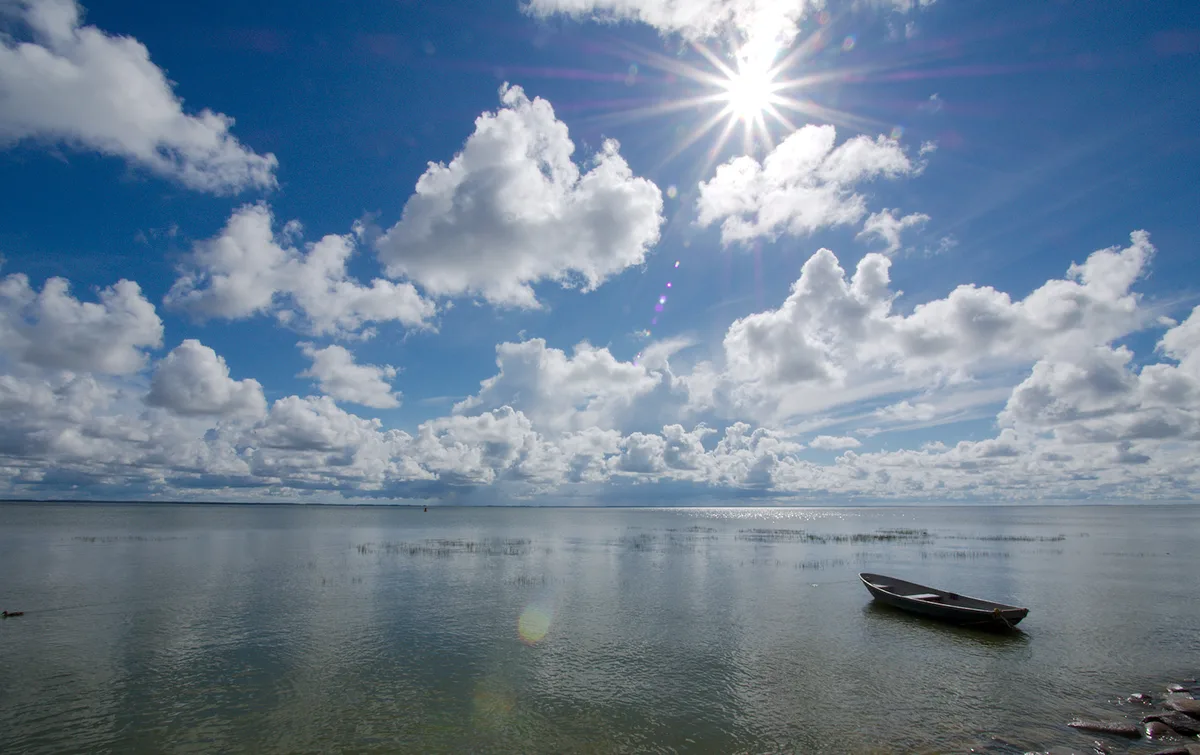
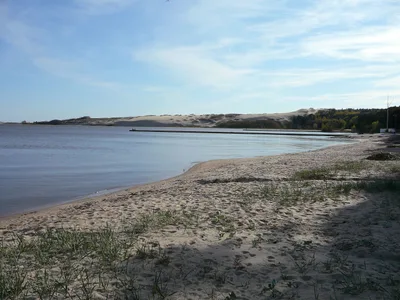
On the beach, the wide sweep of white sand against the grey Baltic horizon makes for a stark, cinematic composition that captures the wild northern character of the UNESCO coastline.
Where to eat
Žvejonė is the closest option at just 0.3 km, making it the natural stop before or after the beach walk. Vilavita is 0.7 km away if you want a slightly longer stroll with a meal at the end. There is nothing to eat or drink on the beach itself, so treat both restaurants as your supply checkpoint — the beach carries no provisions whatsoever.
Where to stay
Kurėnas is the only listed accommodation option, sitting 0.7 km from the beach and doubling as the nearest laptop-friendly café if you need connectivity after a day on the spit. It's a practical base for exploring both the beach and the Witches' Hill sculpture park without needing to travel far.
Photography
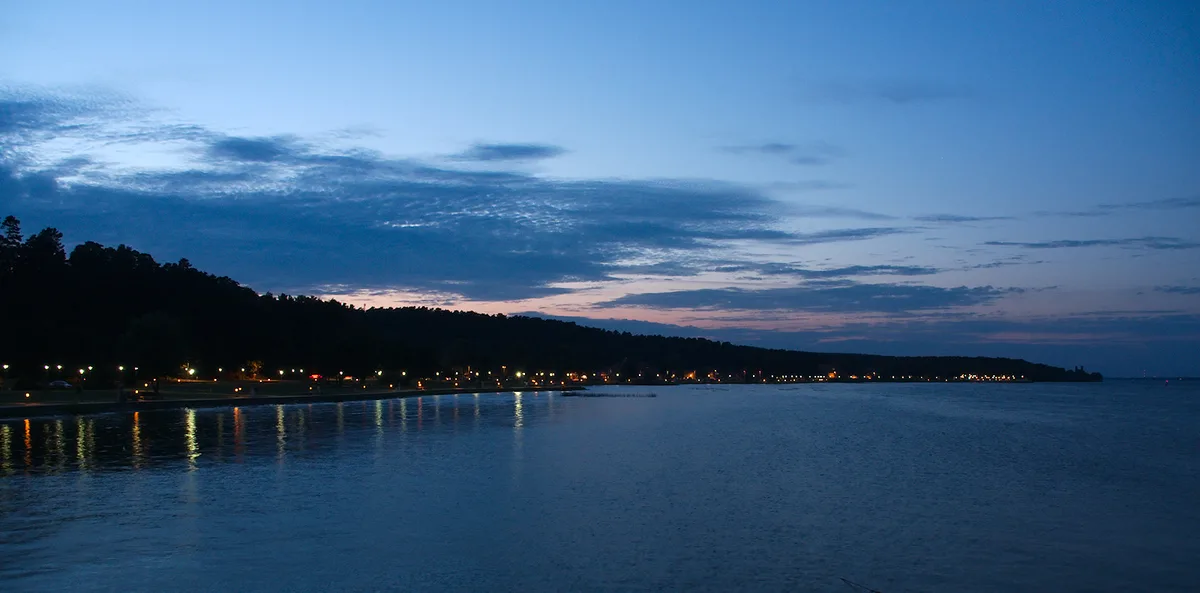
On the beach itself, the contrast between white sand and grey Baltic water is most striking at golden hour, when the horizon takes on a cool, northern luminosity.
Good to know
Stay on marked paths through the sculpture park — this is a national park rule, not a suggestion — and never light a campfire anywhere on the spit. Respect the sculpture park exhibits as you pass through; they are open-air cultural heritage, not props. There is no lifeguard on the beach and zero facilities, so carry your own water before you set off. The forest trail can be muddy after rain, so check conditions before you go and wear appropriate footwear. Dogs are welcome under national park rules.
GAMES
🕹️ Five minutes of sand?
Three daily games — including the UV simulator set to this beach.
Map
Nearby places
Žvejonė
Vilavita
Pamario Burė
Charlie pizza
Huang Gong
Kurėnas
Takas „Raganų kalnas“
Akmens skulptūrų parkas „Žemė ir Vanduo“
Karvaičių apžvalgos aikštelė
Witches' Hill (Raganų kalnas)
Juodkrantė Cormorant and Grey Heron Colony
Juodkrantė Lagoon Beach
Things to see around Neringa
Witches' Hill (Raganų kalnas)
Open-air sculpture park with over 80 carved wooden folk figures depicting Lithuanian mythological characters.
Juodkrantė Cormorant and Grey Heron Colony
One of the largest mixed cormorant and grey heron nesting colonies in the Baltic region.
Juodkrantė Lagoon Beach
Lagoon-side beach below the Juodkrantė promenade, used by paddleboarders and kayakers.
GIFT IDEA · MARCEL ET LES BLONDES
🎁 Give a moment, not a thing


What’s the occasion?

 💑 Dating anniversaryTwo dates, two starry skies
 💍 Wedding anniversaryCotton, silver, golden…
 🎂 BirthdayTheir own newspaper front page
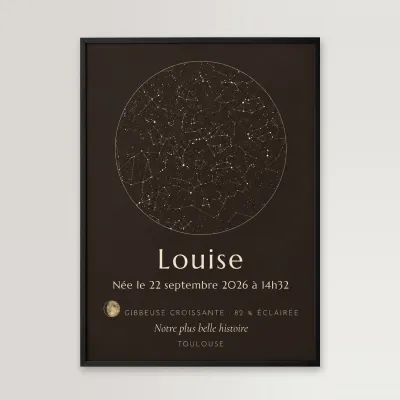 👶 New babyThe stars on the day they were bornValentine’s DayOur two moons, as a print
Shipping €5, free from €49 · made to order, shipped within 48 hAlso: our engraved wooden bracelets, €23.90 →
Frequently asked
The information on this page is provided for guidance only and may evolve. Access conditions, safety and infrastructure can change without notice. Always check official sources before traveling.
Other beaches in the region
More beaches in Baltic Sea
Reviews of this beach
- No reviews yet, what a shame — leave yours and share your experience.
Photo credits
Sources and licenses for the photos shown above.
- Photo 1 — Šarūnas Burdulis · source · CC BY-SA 2.0
- Photo 2 — Šarūnas Burdulis · source · CC BY-SA 2.0
- Photo 3 — Šarūnas Burdulis from USA · source · CC BY-SA 2.0