Lalomanu BeachSamoa Beach Guide
White sand, turquoise lagoon, fale life at its finest

 🎁 Gift idea: the star map of your most beautiful night↓
About
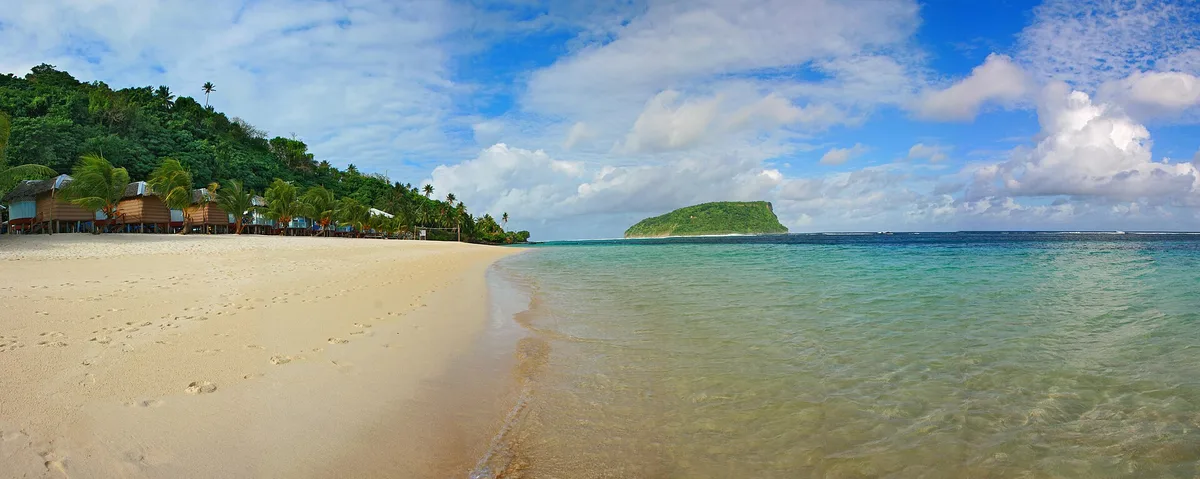
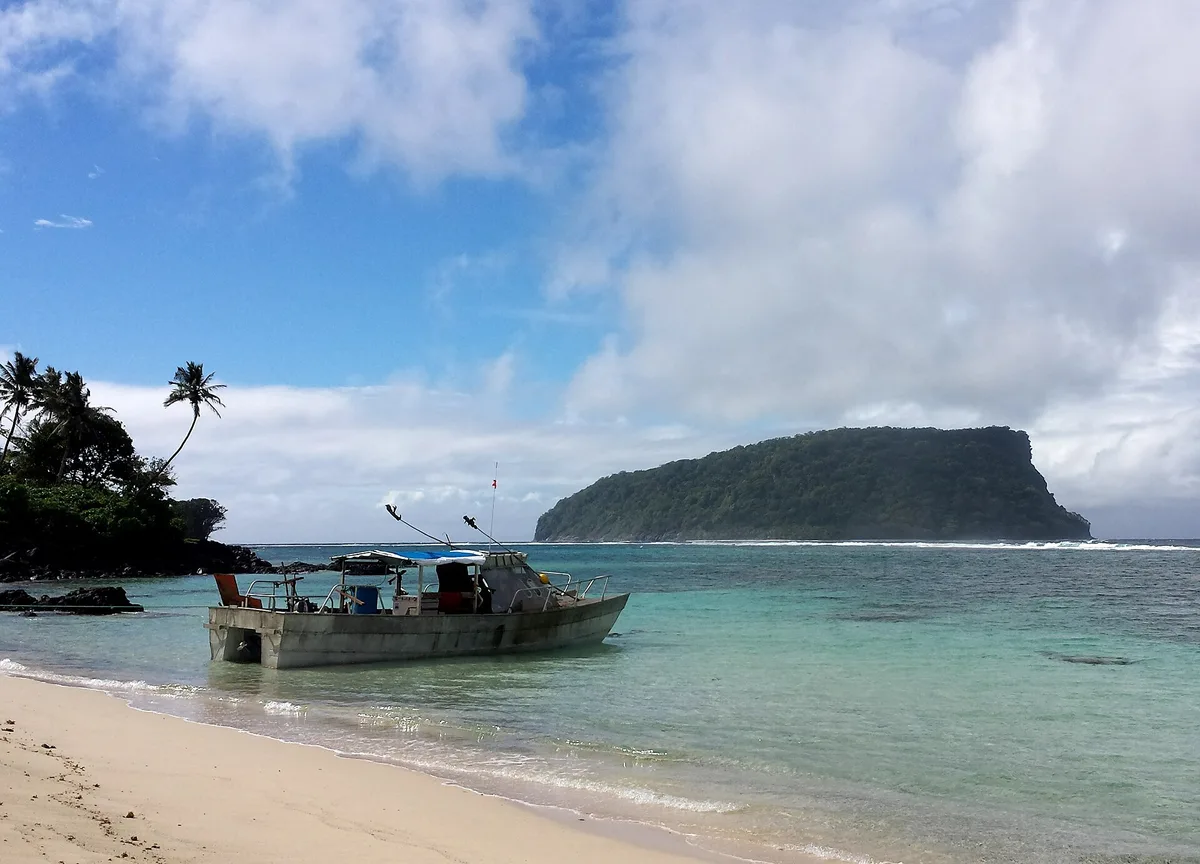
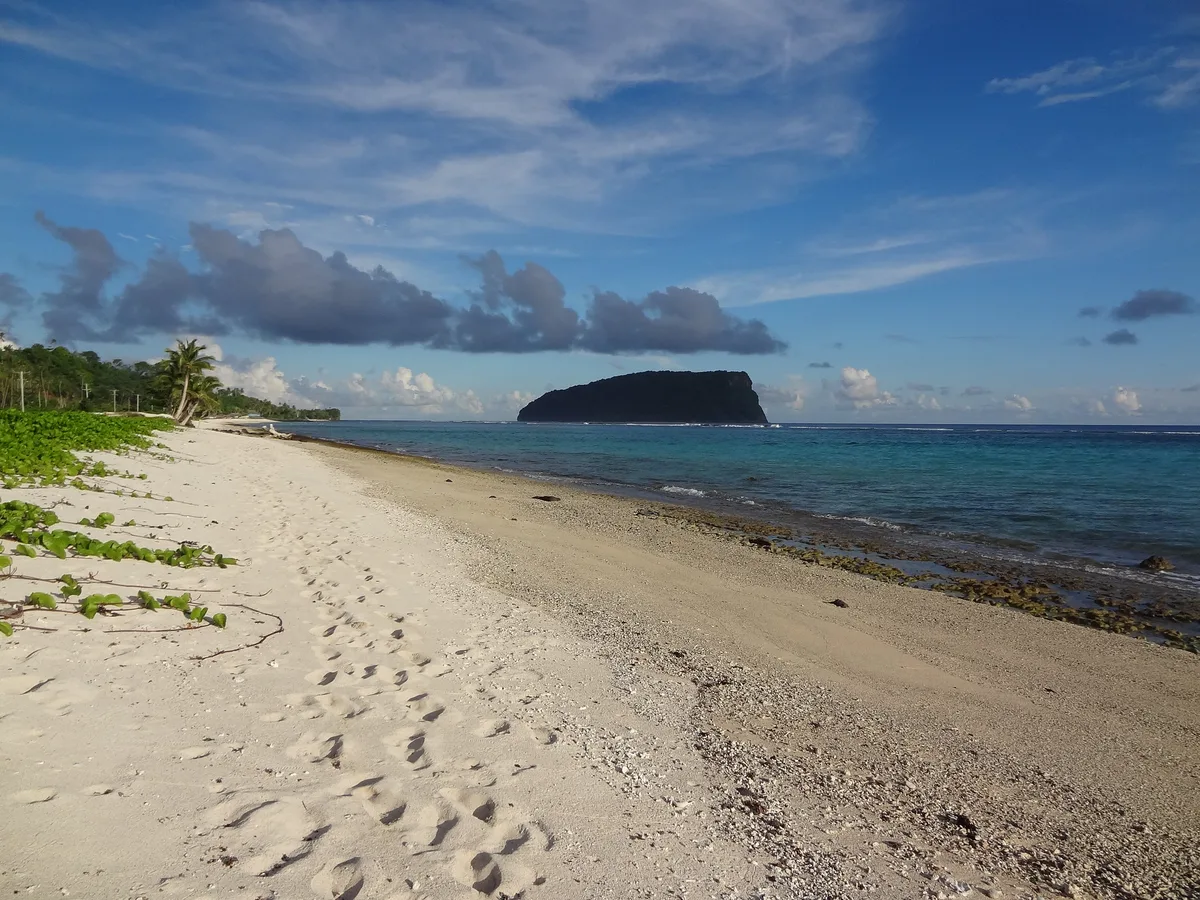
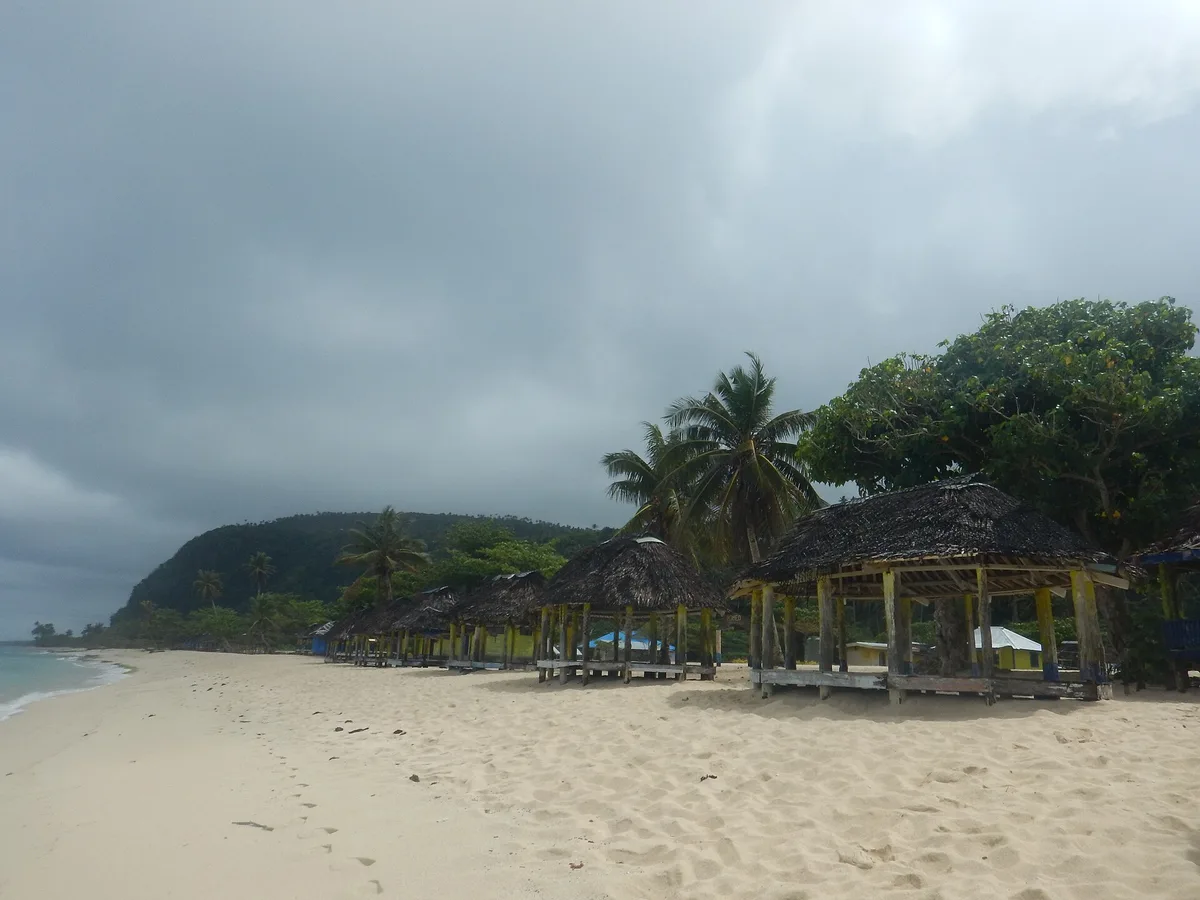
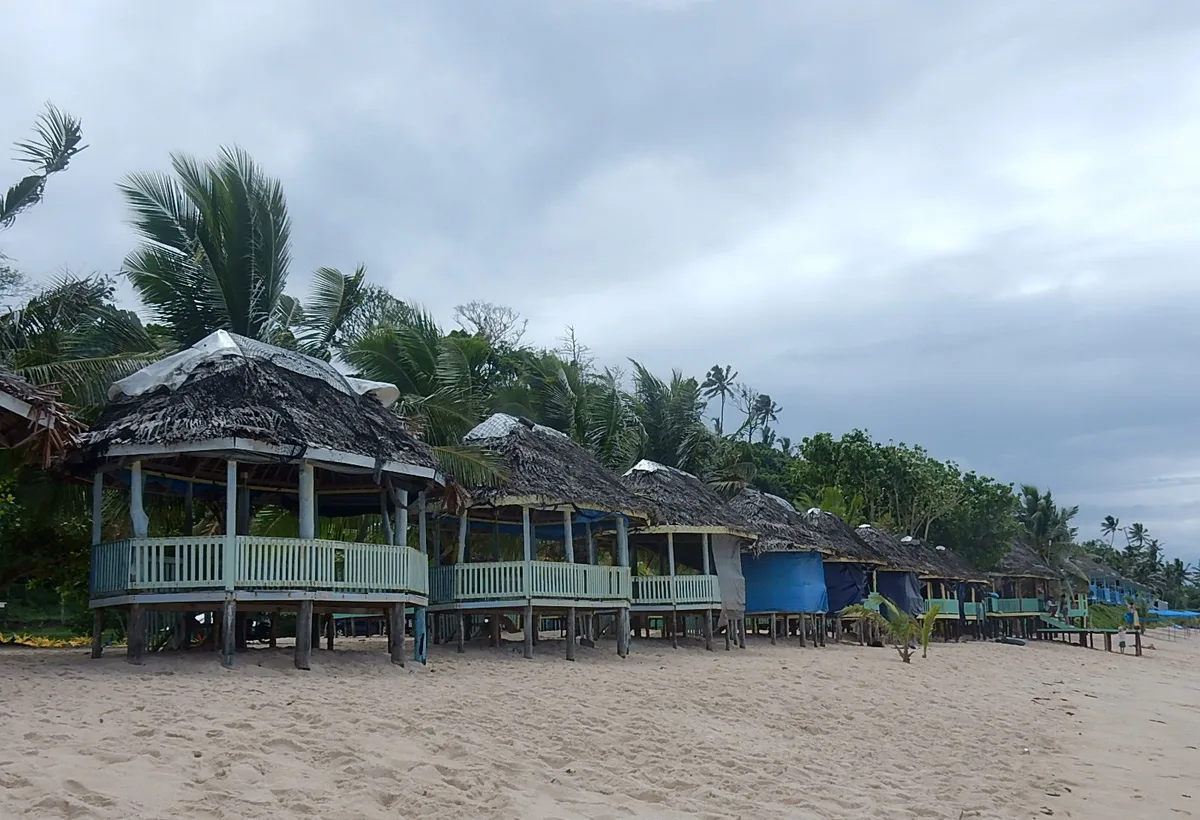
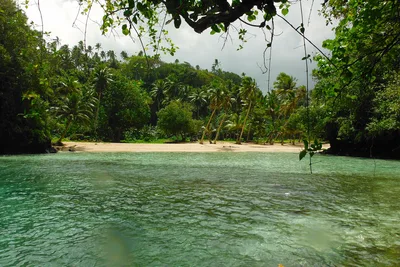
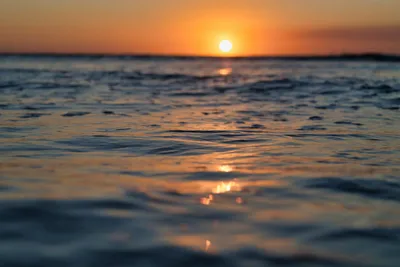
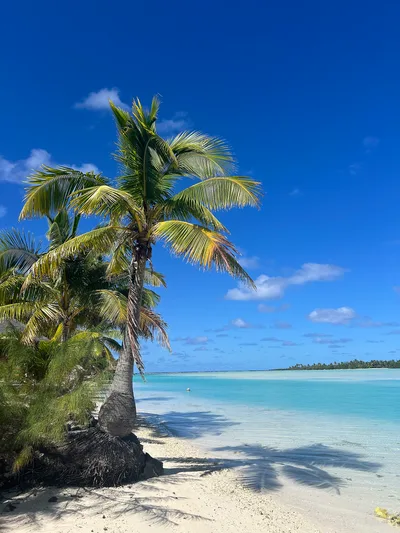
Lalomanu Beach sits on the eastern tip of Upolu, Samoa, where roughly 800 metres of white sand meet a reef-protected turquoise lagoon that stays calm enough to wade in most of the year. Traditional open-sided fale huts line the shore, letting you sleep just metres from the water with the sound of the reef as your alarm clock. The beach faces east, so sunrise here is genuinely spectacular — soft light flooding the lagoon before the day heats up. It's relaxed, unhurried, and shaped by fa'a Samoa, the Samoan way of life, which means the community that owns this beach is very much present and very much in charge.
How to get there
From Apia, drive roughly 90 minutes along the south coast road to reach Lalomanu — it's an easy drive and the most practical option. A ferry service also operates in the region via the Samoa Shipping Corporation Ltd, though the Apia–Pago Pago crossing runs around 8 hours and is not a direct beach route. Pay a village beach entry fee on arrival; the fee is waived if you're staying at one of the beach fales that bundle access into their rate. Paid parking is available on-site, typically managed by local fale operators, at around 20–30 WST per vehicle or 50 WST per person.
Who it's for
For couples
The combination of sunrise over a turquoise lagoon, sleeping in an open fale with the reef audible all night, and a beach that genuinely slows you down makes Lalomanu one of the most atmospheric spots in the South Pacific for two people who want to disconnect completely.
For families
The reef-protected lagoon keeps the water calm and relatively shallow close to shore, making it safer for children than an open-ocean beach — but keep kids well away from the reef channel where rip currents are serious. The fale-stay format, with meals often included and the beach right outside, removes a lot of the logistical stress of travelling with children in a remote setting.
Our take
Lalomanu is the real thing — not a resort beach dressed up in Polynesian aesthetics, but a working village beach where the community sets the rules and the pace. The reef-protected turquoise lagoon is genuinely beautiful and the snorkelling is excellent, but you need to go in clear-eyed about the safety picture: rip currents in the reef channel have killed people, and that fact does not soften with good weather or calm-looking water. Stay inside the lagoon, wear reef shoes, and treat the channel as off-limits. Come between May and October to avoid cyclone season — November through April brings real risk of wave surge and closures. This is also a true digital-detox destination: no coworking, no laptop cafés, fading cell signal, and nowhere to plug in. Bring offline books, embrace the fale rhythm, and let the sunrise do the rest. Worth the 90-minute drive from Apia — but respect the place that makes it worth it.
What to do
Snorkelling the reef lagoon is the headline act — the water is clear, the reef is accessible from the beach, and you don't need a boat. When you're done in the water, walk the 2 kilometres to Cape Tapaga, an eastern headland viewpoint that looks out over the reef and the open Pacific — worth the short hike. O Le Pupu-Pu'e National Park, Samoa's only national park with lava fields, waterfalls and coastal cliffs, is about 45 kilometres away for a half-day excursion. Piula Cave Pool, a freshwater cave pool beneath a Methodist college chapel on the north coast, is around 55 kilometres away and makes for a striking contrast to the saltwater lagoon.
The fale huts at sunrise are the defining shot — position yourself at the waterline facing west with the huts in frame as the eastern light floods the turquoise lagoon behind you.
Cape Tapaga headland at 2 kilometres gives an elevated, wide-angle view of the reef arc and white sand that no beach-level shot can replicate.
Where to eat
Lululosa Bar & Restaurant is the closest dining option, about 2.4 kilometres from the beach, and a reasonable stop for a meal after a day in the water. Tualupetu Restaurant and Bar is a little further at 4.7 kilometres and offers another local option if you want variety. Many fale operators include meals in their packages, so check what's covered before you head out looking for lunch.
Where to stay
Litia Sini Beach Resort sits 1.9 kilometres from the beach and is the most established resort option in the area — note its proximity to the reef channel and the current warnings that apply nearby. Lalomanu Beach Fales, rated 4.3 out of 5, are just 1.8 kilometres away and represent the classic way to stay here: simple, on-sand fale accommodation that puts you as close to the lagoon as you can get. Jaymy Beach Fales at 6.6 kilometres and Seabreeze Resort at 9 kilometres round out the options if you want something slightly further from the action.
Photography
Shoot from the waterline at sunrise — the east-facing orientation means the lagoon turns gold and the fale huts glow against the turquoise water in the first hour of light, and you'll have the beach largely to yourself. Cape Tapaga headland, 2 kilometres east, gives an elevated angle over the reef and the full sweep of the bay for wide landscape shots later in the morning.
Good to know
Pay the village beach fee the moment you arrive — it's non-negotiable, supports local families, and skipping it is considered deeply disrespectful. Dress modestly when walking through the village, and always ask permission before photographing any villager; fa'a Samoa customs are not optional extras for tourists. Wear reef shoes every time you enter the water — the reef edge is sharp and unforgiving. Critically: strong rip currents run through the reef channel, particularly near Litia Sini Beach Resort, and these currents have caused drownings — do not swim in or near the channel, and stay well within the protected lagoon. Jellyfish can appear in warmer months, and cyclone season (November–April) brings wave surge and potential fale closures, so confirm access after any named storm.
GAMES
🕹️ Five minutes of sand?
Three daily games — including the UV simulator set to this beach.
Map
Nearby places
Lululosa Bar & Restaurant
Tualupetu Restaurant and Bar
Things to see around Lalomanu
Cape Tapaga
Eastern headland viewpoint overlooking the reef and open Pacific
O Le Pupu-Pu'e National Park
Samoa's only national park with lava fields, waterfalls and coastal cliffs
Piula Cave Pool
Freshwater cave pool beneath a Methodist college chapel on the north coast
GIFT IDEA · MARCEL ET LES BLONDES
🎁 Give a moment, not a thing
What’s the occasion?
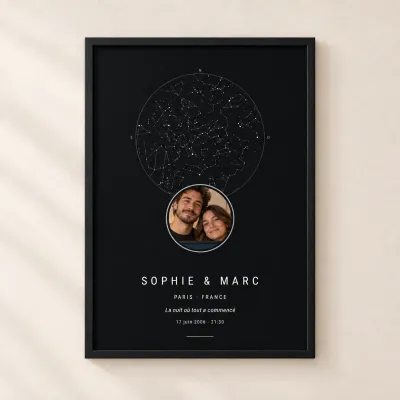
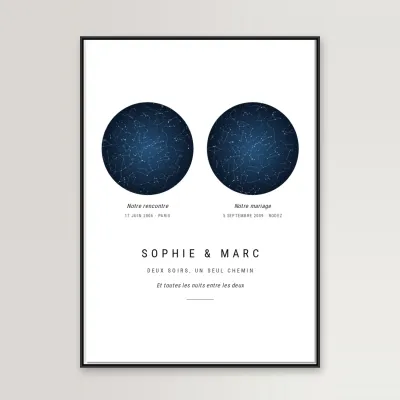 💑 Dating anniversaryTwo dates, two starry skies
 💍 Wedding anniversaryCotton, silver, golden…
 🎂 BirthdayTheir own newspaper front page
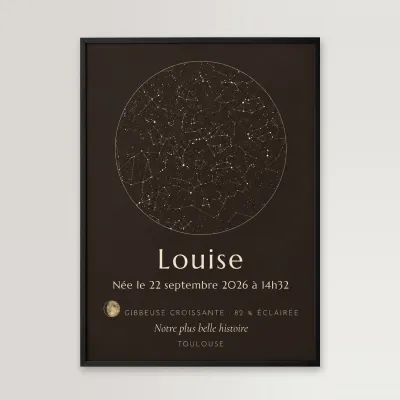 👶 New babyThe stars on the day they were bornValentine’s DayOur two moons, as a print
Shipping €5, free from €49 · made to order, shipped within 48 hAlso: our engraved wooden bracelets, €23.90 →
Frequently asked
The information on this page is provided for guidance only and may evolve. Access conditions, safety and infrastructure can change without notice. Always check official sources before traveling.
Other beaches in the region

Reviews of this beach
- No reviews yet, what a shame — leave yours and share your experience.
Photo credits
Sources and licenses for the photos shown above.
- Photo 1 — Neil · source · CC BY 2.0
- Photo 2 — Lalomanu_Beach_-_Samoa.jpg: Neil derivative work: Jjtkk · source · CC BY 2.0
- Photo 3 — Rickard Törnblad · source · CC BY-SA 4.0
- Photo 4 — Dave Lonsdale · source · CC BY 2.0
- Photo 5 — Rickard Törnblad · source · CC BY-SA 4.0
- Photo 6 — mikecogh · source · CC BY-SA 2.0