Clifton Heritage BeachBahamas Beach Guide
History runs deep — above and below the waterline
 🎁 Gift idea: the star map of your most beautiful night↓
About
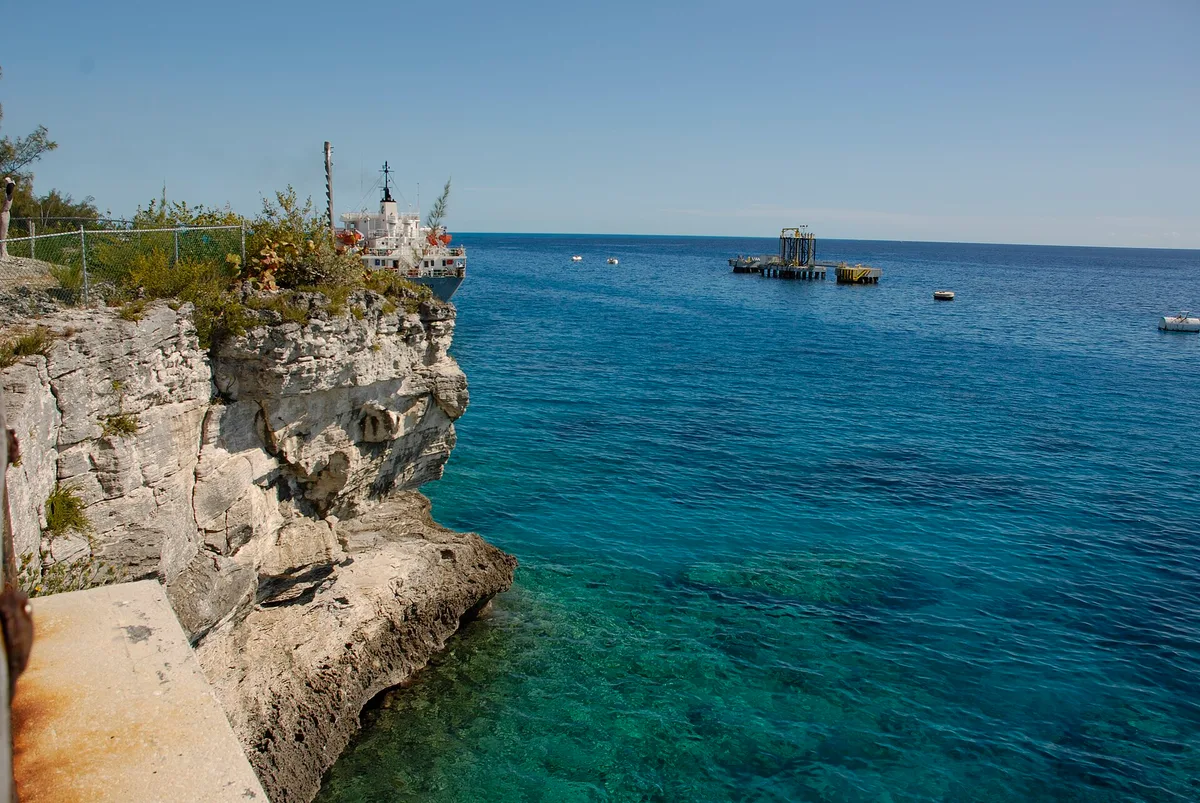
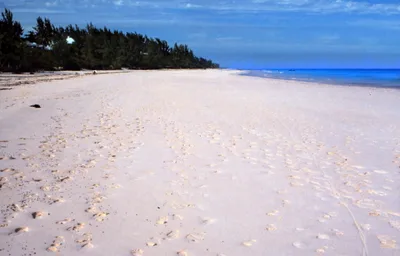
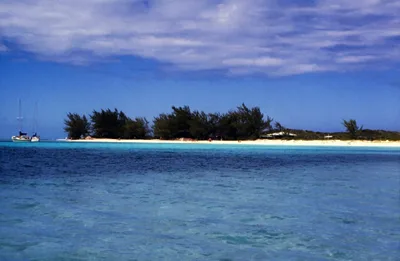
Clifton Heritage Beach sits on the southwestern tip of New Providence, Nassau, where roughly 500 metres of white sand meets crystal-clear Bahamian water. Ironshore rock outcrops jut from the shoreline, giving the coast a raw, sculptural edge that sets it apart from the island's more polished resort strips. Beneath the surface, a snorkeling trail winds past Jason deCaires Taylor's underwater sculptures and slave-era artefacts — a rare convergence of art, archaeology, and ocean. The whole site sits within Clifton Heritage National Park, so the beach stays quiet and the ecosystem remains protected. It's a place where the water tells stories most beaches can't.
How to get there
Drive from Nassau via West Bay Street and Southwest Road — it's roughly 35 minutes by car. Free parking is available within the national park grounds. An entry fee is required for all visitors (fees vary by age and residency status — check the Clifton Heritage Authority website for current pricing before you go). Snorkeling is permitted only in designated areas, and all park rules apply from the moment you arrive.
Who it's for
For couples
The quiet atmosphere and the shared experience of snorkeling a one-of-a-kind underwater sculpture trail make this a compelling choice for couples who want substance over sunbathing.
For families
Families with older children who can snorkel will get the most from the historical underwater trail; note that beach and water access involves walking on uneven ironshore, so it's not ideal for very young children or pushchairs.
Our take
Clifton Heritage Beach earns its reputation not through postcard perfection but through depth — literal and historical. The ironshore shoreline demands respect: water shoes are not optional, and you should enter the water carefully and only in designated zones. Once you're in, the underwater snorkeling trail is unlike anything else in the Bahamas — sculptures and slave-era artefacts sharing the same crystal-clear water, protected by national park status that keeps the site quiet and the ecosystem intact. The entry fee and park rules are a fair trade for what's preserved here. If you're visiting Nassau and you skip this for another resort beach, you've missed the most significant stretch of coastline on the island.
What to do
The main draw is the historical snorkeling trail within Clifton Heritage National Park, where you can explore Jason deCaires Taylor's underwater sculptures alongside genuine slave-era artefacts — there's nothing else quite like it in the Bahamas. On land, the park encompasses Loyalist plantation ruins and slave village remains, so a walk through the grounds adds real historical weight to the visit. Just 2.5km away, Jaws Beach offers a wilder Atlantic-facing contrast if you want to explore the western tip further. Adelaide Beach, 4km east, sits beside the historic Adelaide Village freed-slave settlement and rounds out a meaningful day of heritage sites.
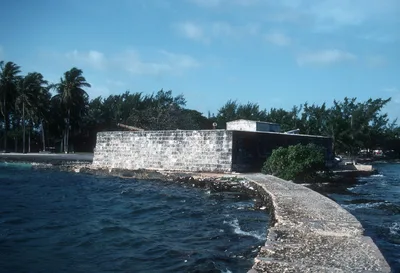
The ironshore rock outcrops at the water's edge, framed against white sand and crystal-clear water, are the most striking above-water shot on the beach — best captured at golden hour before the park fills.
Underwater, the Jason deCaires Taylor sculptures offer genuinely rare imagery; a waterproof camera in the designated snorkeling zone will produce photos you won't find anywhere else in the Bahamas.
Where to eat
Nineteen, about 4.3km from the beach, is your closest dining option after a morning in the park. For something different, Namul Korean Restaurant is 7.2km away, and Prime One — a seafood and steakhouse — is 7.7km out. There's no food on-site, so bring water and snacks for your visit.
Where to stay
The Island House, 5.6km from the beach, is the closest place to stay and suits travellers who want easy access to the park without backtracking into central Nassau. Ocean West Boutique Hotel is a further option at 12.4km if you prefer to be closer to the city.
Photography
The ironshore outcrops at the water's edge make a striking foreground against the crystal-clear water — shoot in the early morning when the light is low and visitors are few. Underwater, the Taylor sculpture trail offers genuinely unusual imagery if you bring a waterproof camera and stick to the designated snorkeling zones.
Good to know
Always check the Clifton Heritage Authority for current opening hours before visiting, as they vary seasonally. Take care entering the water near ironshore rock outcrops — the uneven surface is slippery and can cause injury, so water shoes are strongly advised. Do not remove or disturb any artefacts — this is a protected national park and removal of artefacts is prohibited. Fishing is not permitted anywhere within the park.
GAMES
🕹️ Five minutes of sand?
Three daily games — including the UV simulator set to this beach.
Map
Nearby places
Nineteen
Namul Korean Restaurant
Prime One
coral lakes
Studio Cafè
The Island House
Ocean West Boutique Hotel
Clifton Heritage National Park
Clifton National Park
Primeval Forest National Park
Things to see around Nassau
Clifton Heritage National Park
National park encompassing Loyalist plantation ruins, slave village remains, and underwater sculpture trail.
Jaws Beach
Remote western-tip beach with Atlantic surf, named for a Bond film location.
Adelaide Beach
South-coast beach beside the historic Adelaide Village freed-slave settlement.
GIFT IDEA · MARCEL ET LES BLONDES
🎁 Give a moment, not a thing

What’s the occasion?
 💑 Dating anniversaryTwo dates, two starry skies
 💍 Wedding anniversaryCotton, silver, golden…
 🎂 BirthdayTheir own newspaper front page
 👶 New babyThe stars on the day they were bornValentine’s DayOur two moons, as a print
Shipping €5, free from €49 · made to order, shipped within 48 hAlso: our engraved wooden bracelets, €23.90 →
Frequently asked
The information on this page is provided for guidance only and may evolve. Access conditions, safety and infrastructure can change without notice. Always check official sources before traveling.
Nearest beaches
More beaches in Lucayan Archipelago
Reviews of this beach
- No reviews yet, what a shame — leave yours and share your experience.
Photo credits
Sources and licenses for the photos shown above.
- Photo 1 — Oscar Flowers · source · CC BY-SA 3.0
- Photo 2 — Oscar Flowers · source · CC BY-SA 3.0
- Photo 3 — Jonathan Beech · source · CC BY-SA 4.0