Castara BayTrinidad and Tobago Beach Guide
Golden sands, leatherback turtles, and village life
About
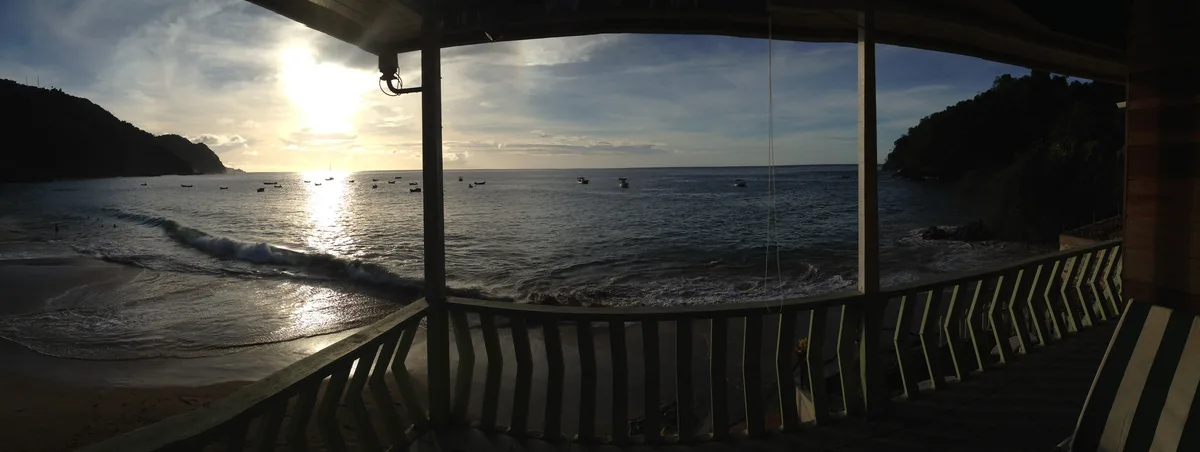
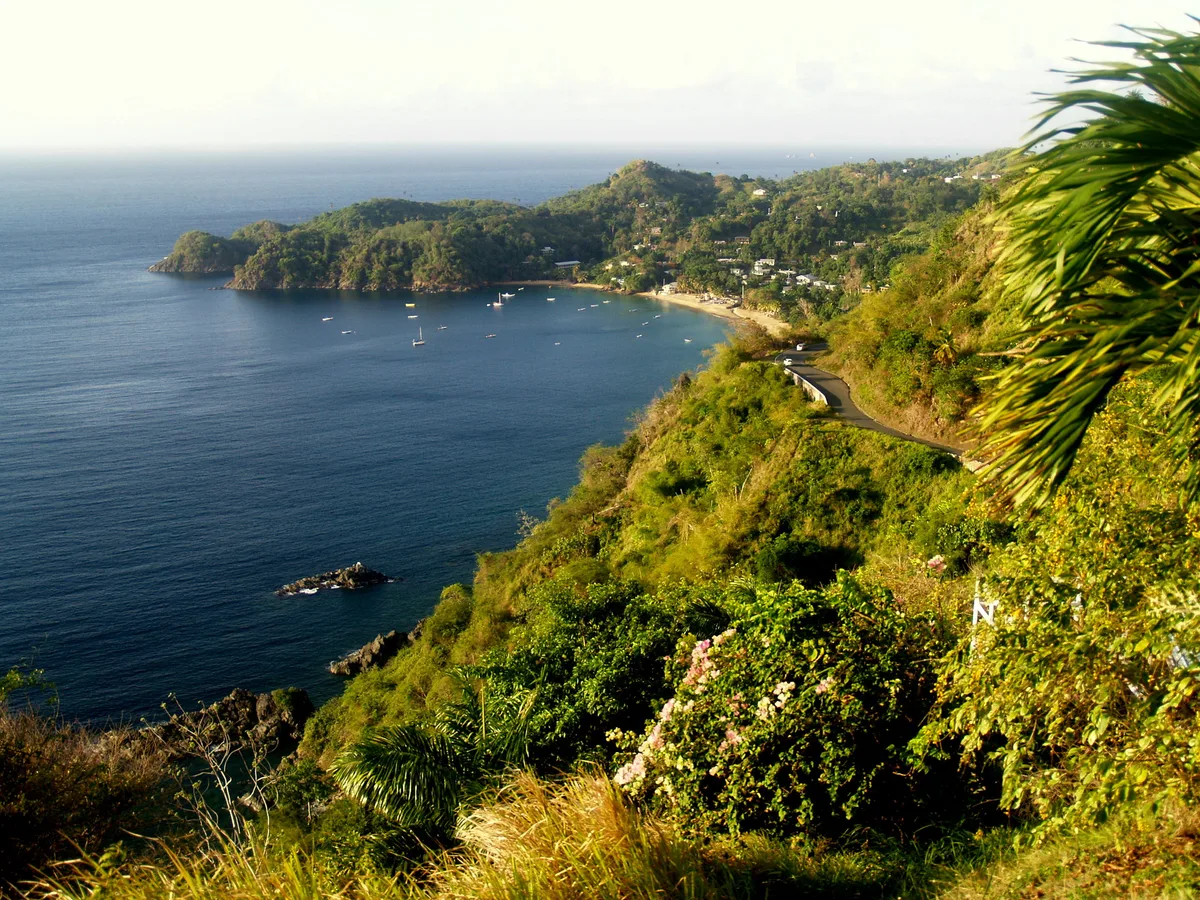
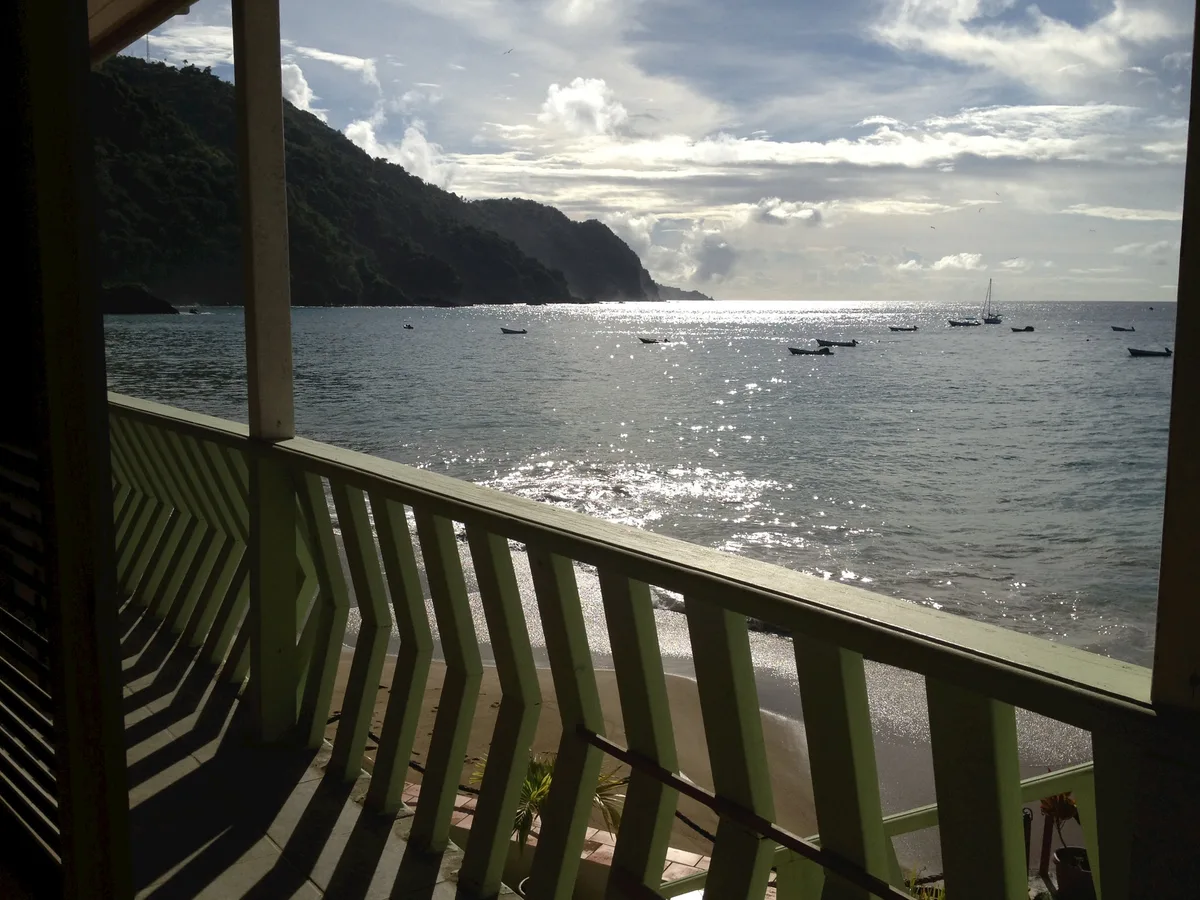
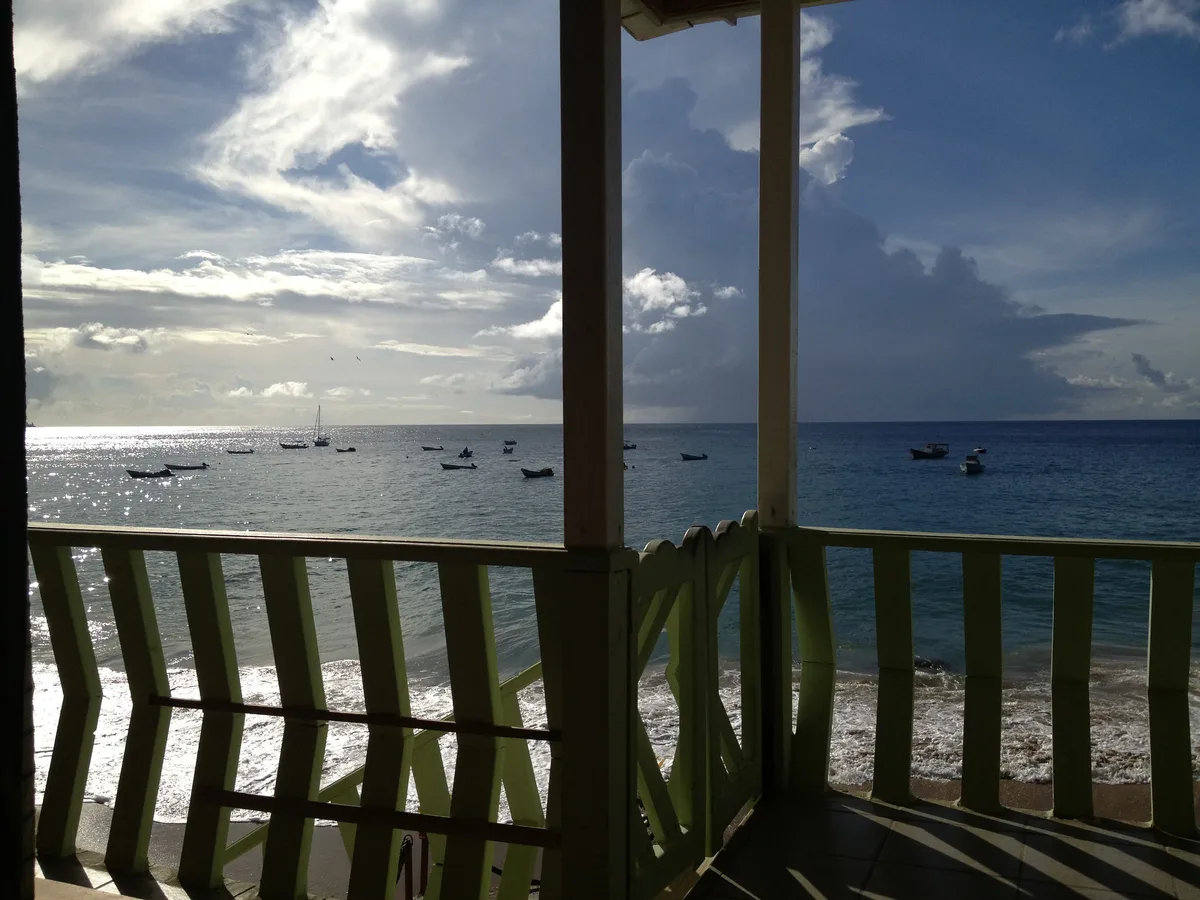
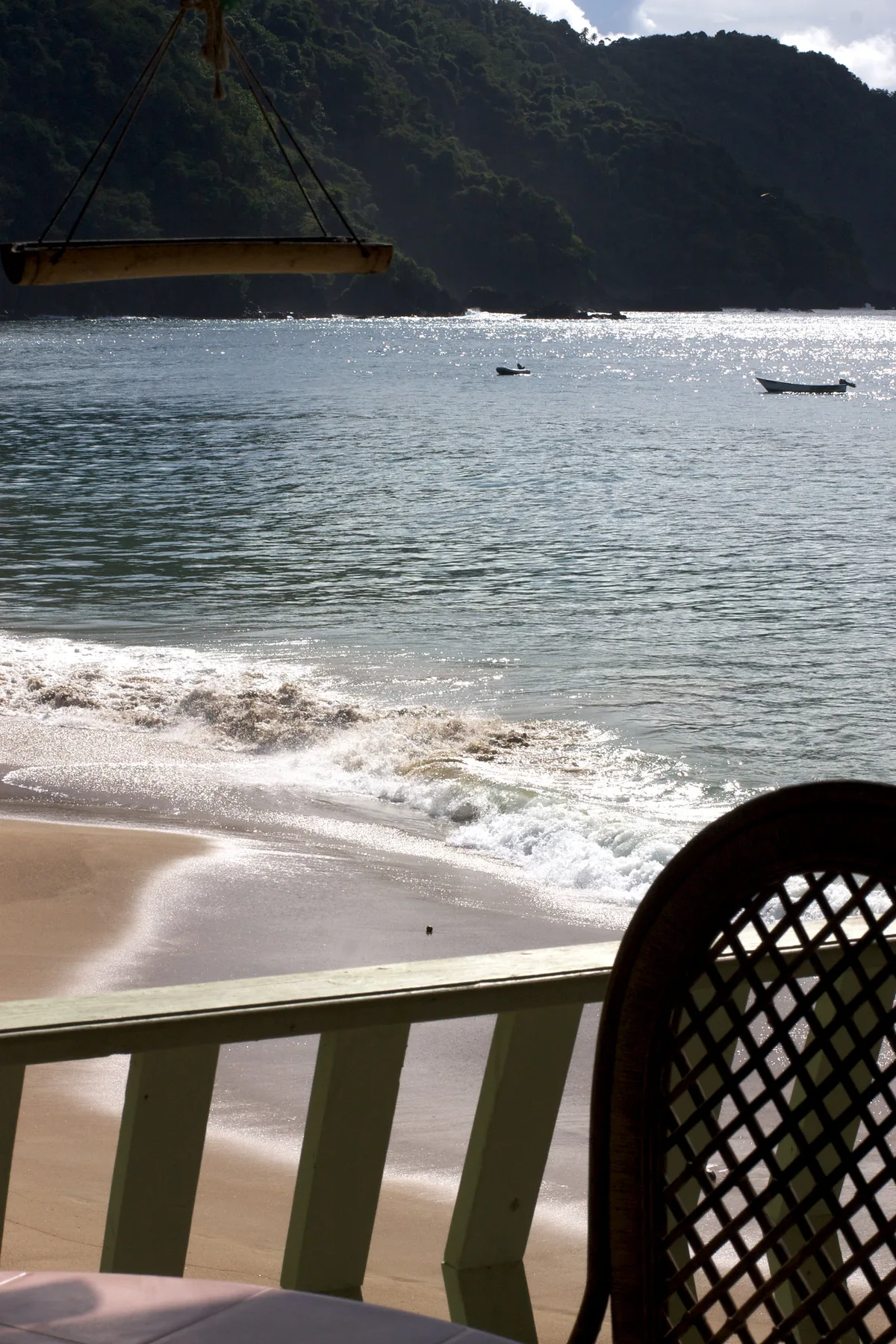
Castara Bay sits on Tobago's north coast, a dual beach split by a rocky headland where golden sand meets turquoise water in one of the island's quietest corners. An active fishing community gives the place a lived-in rhythm — you'll see boats hauled up on the shore and nets being mended in the morning light. The headland rocks offer rewarding snorkelling, while the bay's relaxed vibe keeps the pace slow and unhurried. From March through August, leatherback turtles haul themselves ashore to nest, making this a place where wildlife and community life genuinely coexist. Hillside guesthouses look down over the bay, and the whole scene feels like Tobago before the postcards.
How to get there
From Scarborough, you can reach Castara Bay by taxi in around 25 minutes, by mini-bus from Scarborough Bus Terminal in around 30 minutes, or by car via Northside Road in roughly 35 minutes — all options run daily. A.N.R. Robinson International Airport is approximately 19.5 km away, making a taxi transfer the most straightforward arrival. Free parking is available near the beach, though spaces can be limited, so arriving early helps.
Who it's for
For couples
The slow pace, hillside guesthouses overlooking turquoise water, and the option to snorkel off the headland rocks together make Castara Bay a genuinely low-key retreat for couples who want village atmosphere over resort polish.
For families
The quiet bay and moderate swimming conditions suit families with older children who can follow the turtle nesting rules responsibly; the active fishing community and wildlife encounters offer the kind of real-world education no resort pool can match.
Our take
North-coast swell can be strong, and from November through January conditions deteriorate enough to make swimming inadvisable — time your visit accordingly. Castara Bay delivers something increasingly rare: a working fishing village where the beach belongs to the community first and visitors second. The leatherback turtle nesting (March–August) is the headline draw, but follow guide instructions at night without exception — no lights, no flash, no deviation from marked paths. The snorkelling off the headland rocks is genuinely good, the golden sand is clean, and the turquoise water earns its description on a calm morning. Hillside guesthouses keep accommodation intimate and the pace unhurried. This is not a beach for those wanting facilities and sun-loungers — it rewards the traveller who comes prepared to fit into village life rather than reshape it.
What to do
The headland rocks are the natural starting point — snorkelling off them rewards you with clear turquoise water and marine life without needing a boat. A short drive away, Englishman's Bay is Tobago's most pristine horseshoe bay enclosed by rainforest and well worth the 4.2 km trip. The Main Ridge Forest Reserve, one of the oldest protected rainforests in the Western Hemisphere, is around 11.4 km away and a serious draw for nature lovers. Closer to the bay, Mount Dillon Lookout Point at 1.1 km offers elevated views back over the coastline.
The rocky headland splitting the two beaches is the defining shot — frame the golden sand and turquoise water from the rocks at sunrise before the fishing boats head out.
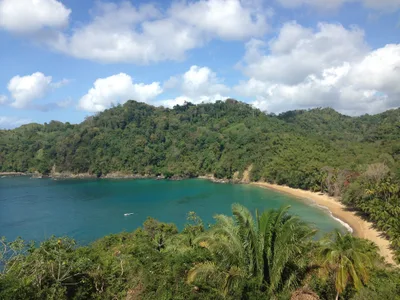
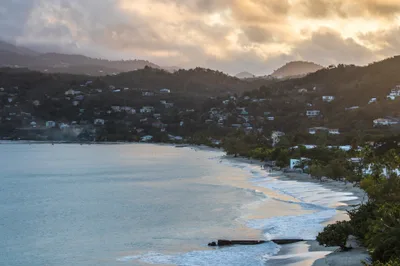
The hillside above the bay gives a wider elevated perspective that captures the full dual-beach layout against the north-coast horizon. During turtle nesting season, the pre-dawn beach atmosphere is extraordinary, though photography must follow strict no-flash rules.
Where to eat
Carrib Kitchen is the closest option at 1.2 km from the beach — a practical first stop after a morning in the water. Eula's Restaurant is a short drive further at 4.3 km, and Sunset, a Caribbean restaurant, sits about 6.8 km away. For something different, Blue Crab Restaurant serves regional cuisine around 10.9 km away.
Where to stay
Castara Retreats sits just 1.2 km from the beach and is the obvious base — hillside guesthouse accommodation is part of what defines the Castara experience. Further afield, Plantation Beach Villas and Villa Nirvana are both around 12 km away for travellers who want more seclusion. J'Ouvert Villas at 14.4 km rounds out the options for those happy to drive a little further each day.
Photography
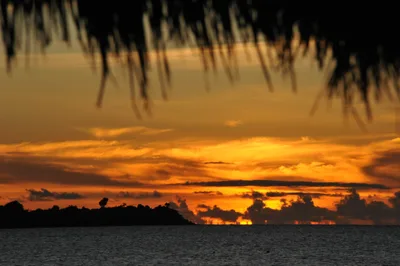
The headland at golden hour frames the dual-beach layout beautifully — shoot from the rocks looking back toward the fishing boats on the golden sand for the most distinctive composition. During turtle nesting season (March–August), pre-dawn visits can yield extraordinary wildlife images, but strictly follow no-light rules — no flash, no torches, no deviation from marked paths.
Good to know
North-coast swell can be strong, and conditions are roughest from November through January — avoid those months for swimming. During turtle nesting season (March–August), stay on marked paths near nesting zones at night and never use lights or flash photography near nesting turtles — follow guide instructions closely. Respect the fishing community: this is a working village beach, not a resort, and the fishers' space and equipment deserve a wide berth. Free parking exists but fills up, so an early start pays off on busier days.
Map
Nearby places
Carrib Kitchen
Eula's Restaurant
Sunset
Haigang Chinese Restaurant
Blue Crab Restaurant
Castara Retreats
Plantation Beach Villas
Villa Nirvana
Sturmhõffel
J'Ouvert Villas
Things to see around Castara
Englishman's Bay
Tobago's most pristine horseshoe bay enclosed by rainforest.
Main Ridge Forest Reserve
One of the oldest protected rainforests in the Western Hemisphere.
Arnos Vale Beach
Sheltered cove with fringing reef and good shore snorkelling.
GIFT
🎁 Gift this beach
Its exact coastline, your date, your words — on a print, a mug, or a PDF you print yourself.
Castara Bay
THAT DAY
Castara Bay, Tobago

© OpenStreetMap contributors
Clean & decorative, or “That day” with the real sky of your date.
Shipping included 3-6 business days
A question before you order? Contact us
Delivered within minutes on the confirmation page and by email: a ZIP with all 4 print sizes (30×40 cm, 12×16″, 50×70 cm, 18×24″), each as a high-resolution PDF and PNG (300 dpi), plus a screen version. Print at home or at any print shop.
Please complete the delivery address.
Please accept the Terms of Sale.
Almost there — the shop opens very soon.
Secure payment · Printed locally in 30+ countries · 7 languages
Frequently asked
The information on this page is provided for guidance only and may evolve. Access conditions, safety and infrastructure can change without notice. Always check official sources before traveling.
Other beaches in the region
Reviews of this beach
- No reviews yet, what a shame — leave yours and share your experience.