Ambalangoda BeachSri Lanka Beach Guide
White sand, mask carvers, and a working fishing town
About
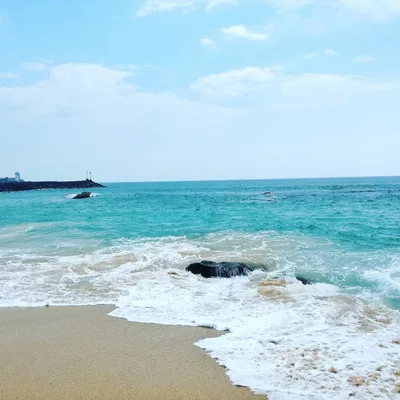
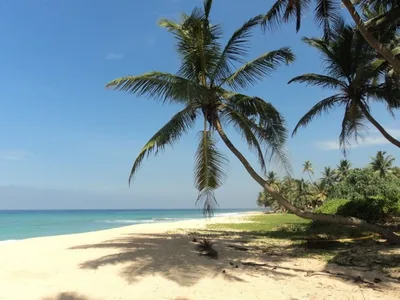
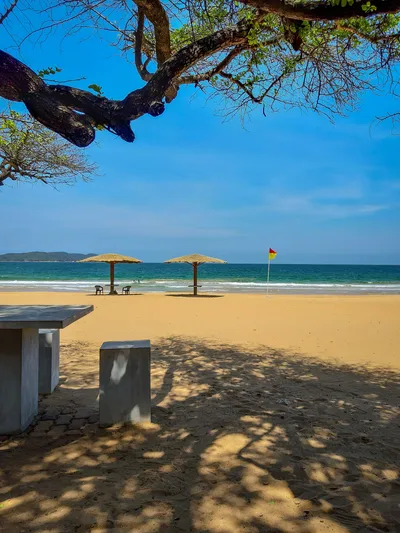
Ambalangoda Beach stretches for over three kilometres of white sand along Sri Lanka's west coast, where the turquoise water meets a shoreline that doubles as a living cultural landmark. This is not a resort strip — it's a genuine fishing town, and the rhythm of the beach is set by returning boats and the smell of the morning fish market rather than sun-lounger attendants. The relaxed vibe is real: locals outnumber tourists, and the pace is unhurried. Inland, the town is famous across Sri Lanka for its traditional mask carving, giving the whole place a cultural depth that most beach stops on this coast simply don't have.
How to get there
The easiest independent route is by train from Colombo or Galle — both lines stop at Ambalangoda station. Buses connect from Colombo and other cities along the coast road. By car from Colombo or Bandaranaike International Airport, allow around 95 minutes. Informal free parking — small gravel lots, roadside pull-ins, and wider bays near beach access points — is available, though spaces can be limited during busy periods.
Who it's for
For couples
The relaxed, unhurried pace and the cultural texture of the mask-carving town make this a good pick for couples who want a beach with a story rather than a polished resort experience. Sunset walks along the long white-sand shoreline are genuinely peaceful.
For families
Families visiting between November and April will find moderate swimming conditions and a long, open beach with plenty of space. The nearby Ahungalla Sea Turtles Conservation Project, about 7 kilometres away, is a memorable and educational half-day outing for children.
Our take
Ambalangoda is the kind of beach that rewards curiosity over comfort-seeking. The white sand and turquoise water are genuinely attractive, but the real draw is the cultural layer — a working fish market, traditional mask carving, and a town that hasn't been smoothed out for tourism. Safety comes first: the sea is only swimmable from November to May, and outside those months the currents are dangerous enough to stay out of the water entirely. Come in the dry season, arrive early, and treat the beach as a gateway into the town rather than a destination in itself. The roughly 3.2-kilometre stretch gives you plenty of room to walk and think. It won't suit visitors looking for beach bars and water-sports rentals, but for anyone drawn to cultural depth alongside a good-looking coastline, this delivers.
What to do
The beach itself is the centrepiece, but the surrounding area rewards exploration. A Madu River Safari is available roughly 4 kilometres away — a classic Sri Lankan mangrove experience worth the short trip. If you care about marine conservation, the Ahungalla Sea Turtles Conservation Project operates about 7 kilometres up the coast. There's also a snorkelling spot around 12 kilometres away for those visiting in the dry season.
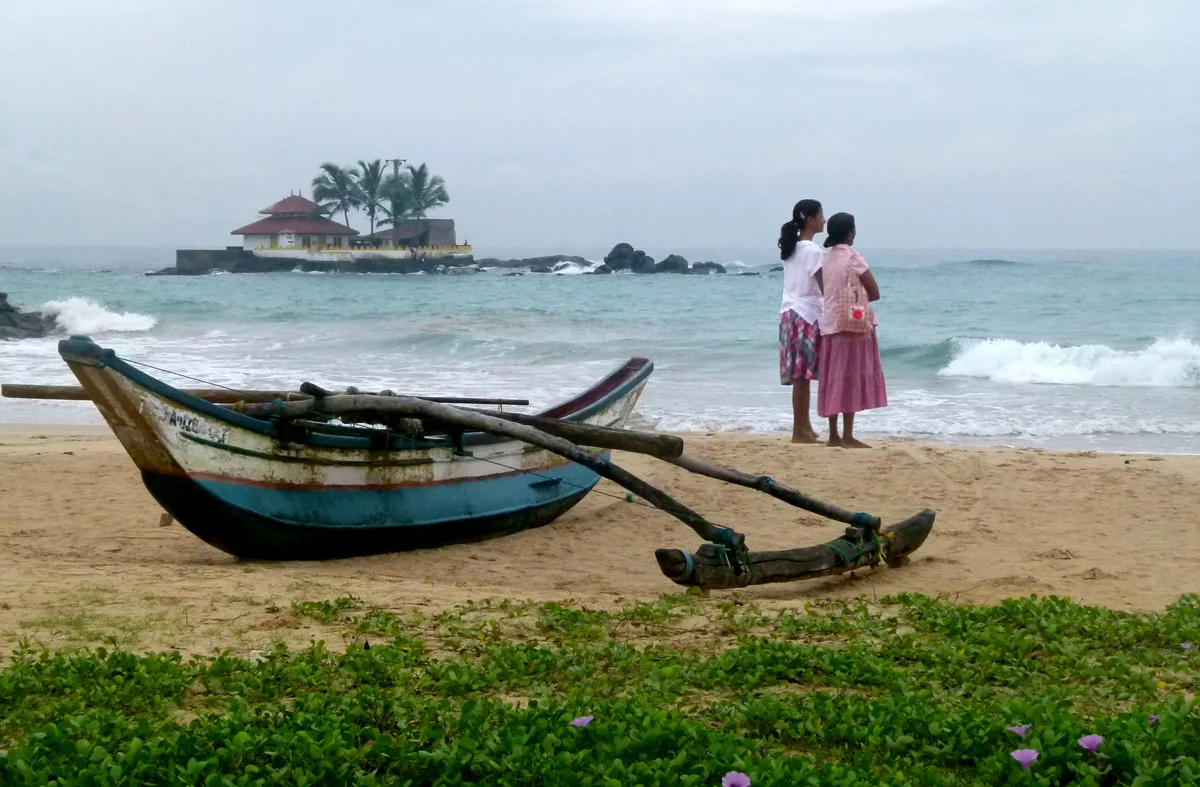
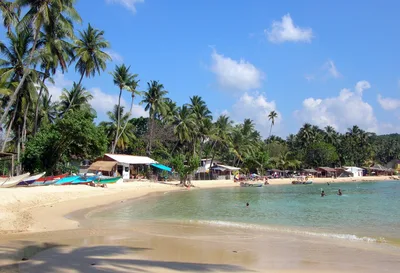
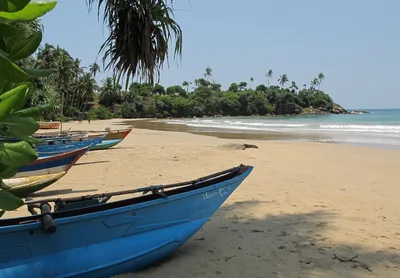
The early-morning fish market scene — colourful boats against white sand and turquoise water — is the most distinctive shot on this stretch of coast.
Mask-carving workshops in town offer vivid, culturally rich portrait opportunities away from the shoreline.
Where to eat
White House is the closest option, sitting under a kilometre from the beach. Golden Villa Beach Restaurant, about 1.4 kilometres away, covers both local and international dishes. For Sri Lankan and Indonesian flavours, Chenaya Rasa Wimana is worth the roughly 3-kilometre trip.
Where to stay
Kumu is the nearest place to stay, about 2.2 kilometres from the beach. Two Anchors and Ice Age Hotel are both within 3 to 4 kilometres and offer straightforward bases for exploring the area. Ravi Beach Resort, around 3.8 kilometres out, keeps you close to the coast.
Photography
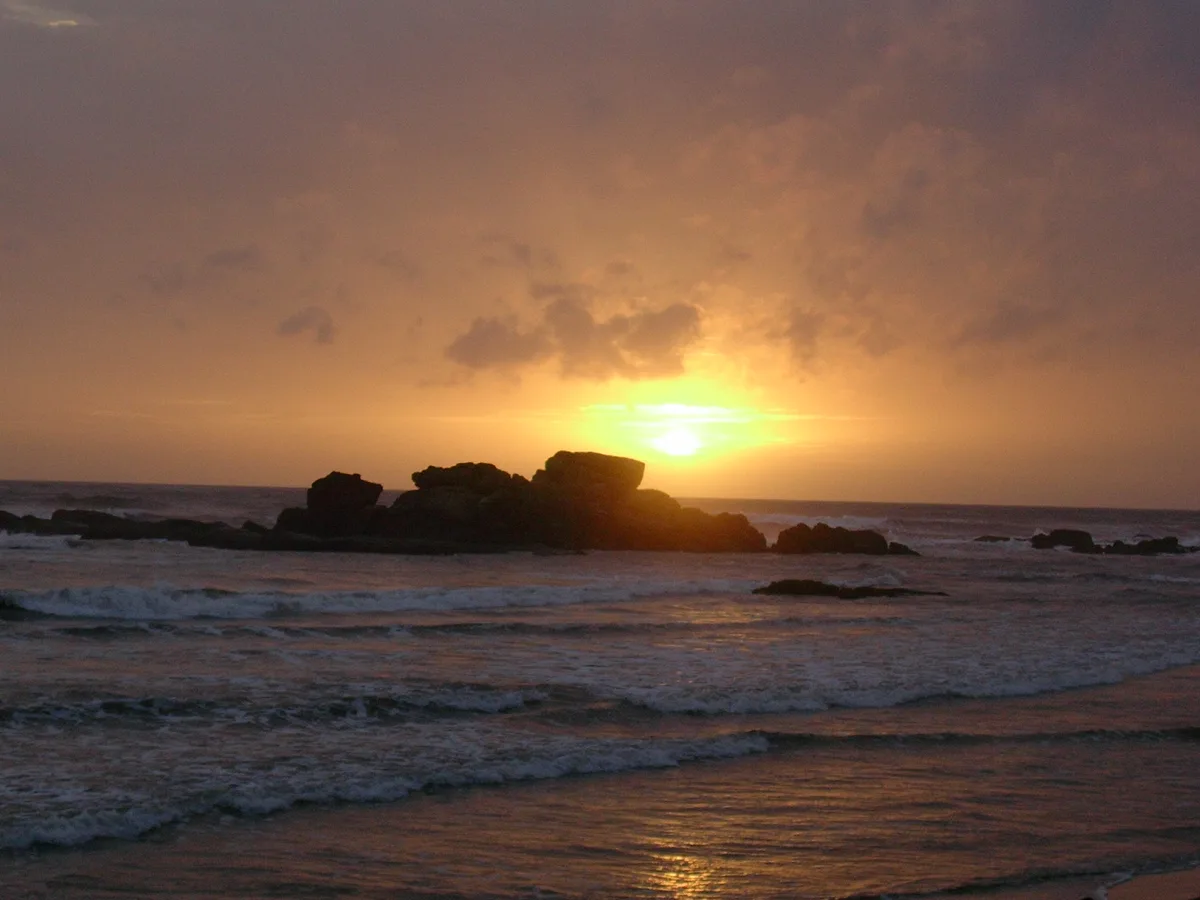
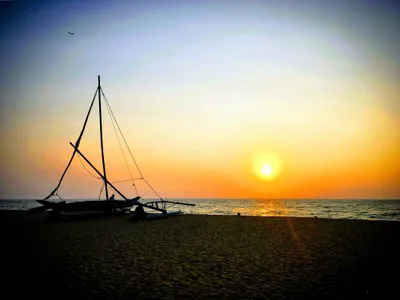
Shoot the fishing boats at first light when the catch is being unloaded — the white sand and turquoise water make a strong backdrop against the working-harbour activity. The beach also gives clean sunset frames in the dry season months.
Good to know
The dry season runs November to April, and that is the only window when swimming is reasonably safe here. From May to October the sea gets rougher and dangerous currents develop — do not enter the water during those months. The fish market is best visited early morning when the catch comes in. Mask-carving workshops are the cultural highlight of the town, so leave time to explore beyond the shoreline.
GAMES
🕹️ Five minutes of sand?
Three daily games — including the UV simulator set to this beach.
Map
Nearby places
White House
Golden Villa Beach Restaurant
Chenaya Rasa Wimana
Juice World
Zapo Villa
Kumu
Two Anchors
Ice Age Hotel
Ravi Beach Resort
Gangabada Asiriya
Madu River Safari No 07
Ahungalla Sea Turtles Conservation Project
Snorkling Place
GIFT
🎁 Gift this beach
Its exact coastline, your date, your words — on a print or a PDF you print yourself.
Ambalangoda Beach
THAT DAY
Ambalangoda Beach, Sri Lanka
© OpenStreetMap contributors
Clean & decorative, or “That day” with the real sky of your date.
Shipping included 3-6 business days
A question before you order? Contact us
Delivered within minutes on the confirmation page and by email: a ZIP with all 4 print sizes (30×40 cm, 12×16″, 50×70 cm, 18×24″), each as a high-resolution PDF and PNG (300 dpi), plus a screen version. Print at home or at any print shop.
Please complete the delivery address.
Please accept the Terms of Sale.
Almost there — the shop opens very soon.
Secure payment · Printed locally in 30+ countries · 7 languages
Frequently asked
The information on this page is provided for guidance only and may evolve. Access conditions, safety and infrastructure can change without notice. Always check official sources before traveling.
Nearest beaches
Other relaxed beaches in Sri Lanka
Reviews of this beach
- No reviews yet, what a shame — leave yours and share your experience.
Photo credits
Sources and licenses for the photos shown above.
- Photo 1 — Aries Tottle · source · CC BY 2.0
- Photo 2 — Rmrumesh · source · CC BY-SA 4.0
- Photo 3 — Doceranga · source · CC BY-SA 4.0
- Photo 4 — Neville Premasiri · source · CC BY 3.0